



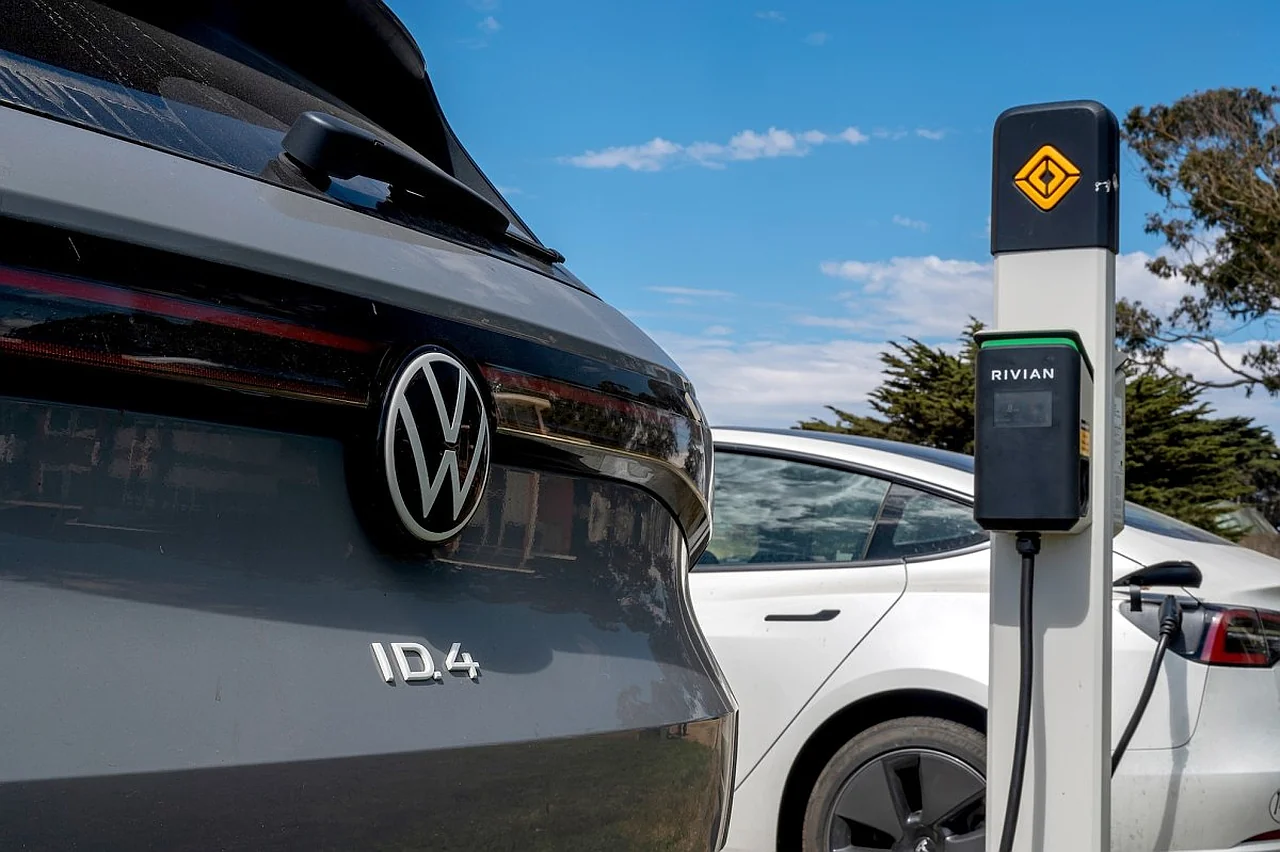

IP Protection & Vendor Compliance Crisis | EV Supply Chain Enforcement Surge Reshapes Seller Liability
- Regulatory crackdown on technology transfer creates new compliance barriers for automotive suppliers and logistics partners; sellers face heightened due diligence requirements and potential supply chain disruptions







Overview
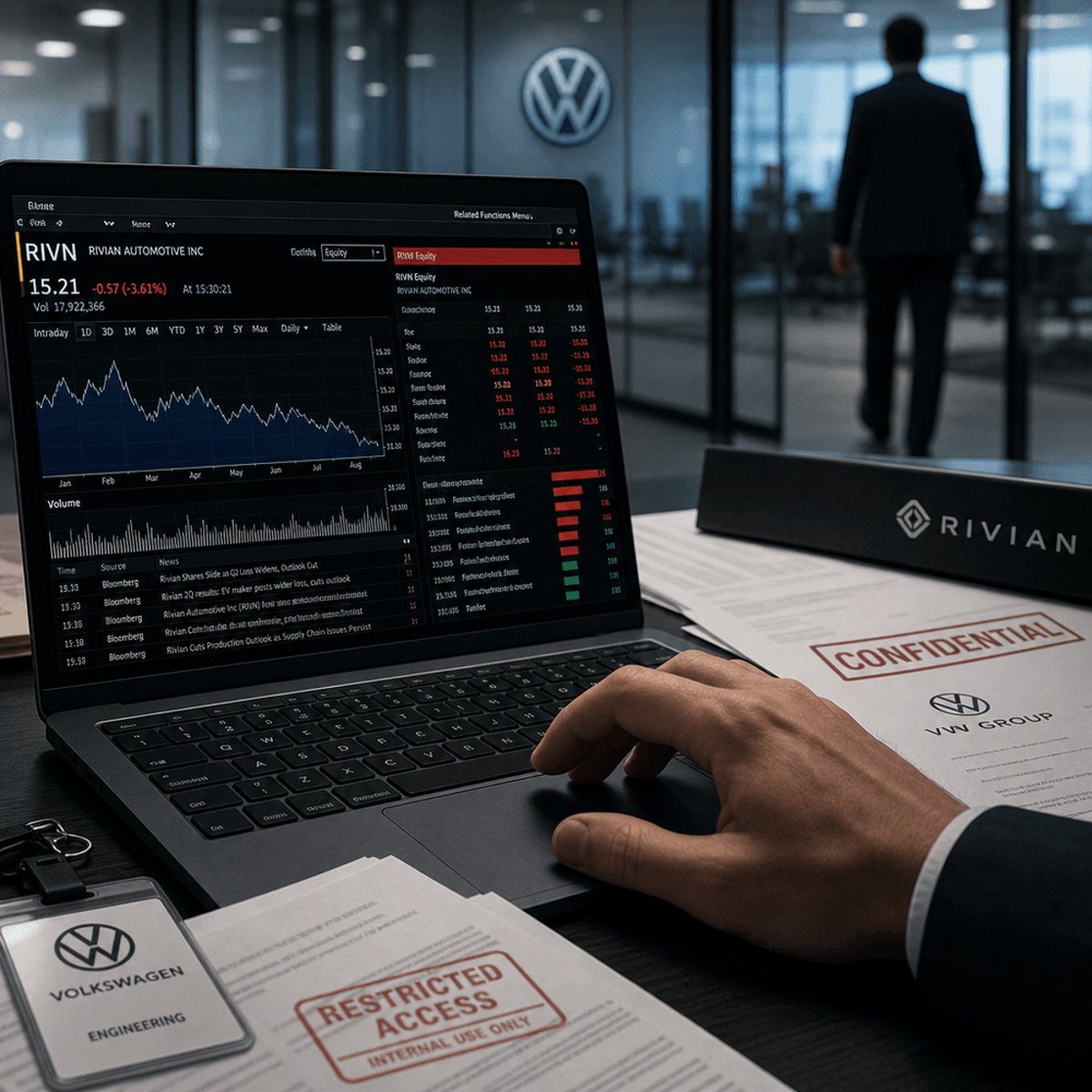
The VW-Rivian case represents a watershed moment in regulatory enforcement around intellectual property protection and insider trading in the automotive sector, with cascading compliance implications for cross-border e-commerce sellers. Former Volkswagen engineers have been charged with both IP theft (unauthorized transfer of proprietary technology to Rivian) and insider trading (leveraging confidential VW information for trading advantages). The investigation's use of digital forensics—including Google search histories and file transfer logs—establishes a new enforcement precedent that directly impacts how sellers must manage vendor relationships, supply chain transparency, and employee information security.
For e-commerce sellers, this case creates three immediate compliance barriers: First, vendor verification requirements are intensifying. Sellers sourcing automotive components, EV-related products, or logistics services must now implement enhanced due diligence protocols to verify that suppliers haven't engaged in IP theft or information misuse. Companies like Amazon and Shopify are likely to tighten vendor compliance questionnaires, requiring sellers to certify supply chain integrity. Second, non-compete and confidentiality agreements are becoming enforceable legal requirements rather than optional HR practices. Sellers managing sensitive business information—pricing data, supplier lists, logistics networks—face regulatory scrutiny if they fail to implement employee monitoring systems and information security protocols. The case demonstrates that regulators now view inadequate IP protection as a compliance failure, not just a business risk. Third, insider trading liability extends to cross-industry talent movement. The charges suggest that knowledge transfer between competing firms (VW to Rivian) triggers securities law enforcement. For sellers with supply chain partners in competitive sectors (automotive, EV, logistics), this means potential liability if employees or contractors misuse confidential information.
The operational impact varies by seller segment. Large sellers (>$5M annual revenue) with automotive supplier relationships must conduct immediate compliance audits: review vendor agreements for IP protection clauses, implement digital forensics monitoring (email, file access logs), and document employee confidentiality training. Mid-market sellers ($500K-$5M) sourcing EV components or logistics services should prioritize vendor questionnaires that specifically address IP compliance and employee non-compete agreements. Small sellers (<$500K) face lower direct liability but should monitor supply chain partners for compliance changes—vendors may increase prices 5-8% to cover new compliance costs, which will flow through to product costs. The case also signals that regulatory agencies are now actively investigating technology transfer in competitive sectors, meaning sellers should expect increased scrutiny of supplier relationships during platform audits or customs reviews.
Compliance cost implications are substantial. Implementing digital forensics and employee monitoring systems costs $15K-$50K annually for mid-market companies. Vendor compliance audits add $5K-$15K per supplier. Enhanced non-compete agreements require legal review at $2K-$5K per document. For sellers with 10+ suppliers, total compliance costs could reach $75K-$200K annually. However, non-compliance carries severe penalties: insider trading charges carry criminal liability (up to 20 years imprisonment) and civil penalties up to 3x the profit gained. Supply chain disruption from vendor investigations could cost sellers 20-30% of inventory availability during audit periods.
Questions 7
What happens if my supplier is investigated for IP theft or insider trading?
If a supplier faces investigation, you face three risks: (1) supply chain disruption—the supplier may be unable to fulfill orders during investigation (2-6 months typical); (2) liability exposure—if you failed to implement adequate vendor due diligence, you could face regulatory scrutiny; (3) reputational damage—association with IP theft can affect your platform standing. To mitigate, document your vendor compliance efforts (audits, certifications, monitoring), maintain backup suppliers for critical components, and immediately notify your platform (Amazon, Shopify) if a supplier faces charges. Having documented due diligence protects you from liability claims.
How will this case impact my supply chain costs and pricing strategy?
Expect 5-8% cost increases from suppliers as they implement compliance systems (monitoring, legal review, audits). Larger suppliers will absorb these costs; smaller suppliers may pass them through. For sellers, this means either accepting margin compression or raising retail prices 3-5%. The case also creates supply chain risk premiums—suppliers may increase prices to offset potential disruption from investigations. Consider diversifying suppliers to reduce single-source risk, and build 10-15% inventory buffers for critical components. Long-term, compliance-certified suppliers may command price premiums (5-10%) as they become preferred vendors on major platforms.