



Surveillance Pricing Ban Reshapes US Retail Compliance | Dynamic Pricing Restrictions Across 4 States Force Seller Strategy Overhaul
- New Jersey joins Maryland, Connecticut in banning AI-driven dynamic pricing; New York bill pending; one-year moratorium on electronic shelf labels creates compliance urgency for 50K+ retailers in affected markets







Overview
New Jersey's Fair Price Protection Act represents a critical regulatory inflection point for e-commerce sellers operating in the Northeast US. Governor Mikie Sherrill signed legislation banning surveillance pricing—the practice of using personal data (online activity, location, purchase history) to charge different prices for identical products—making New Jersey the third state to implement such restrictions after Maryland and Connecticut. New York has a similar bill awaiting Governor Hochul's signature, creating a four-state compliance corridor affecting approximately 15-20% of US retail transactions. The law specifically prohibits individualized pricing on groceries and essential items while exempting loyalty programs and promotional discounts, creating a critical distinction for sellers: compliant dynamic pricing strategies must rely on transparent, non-personalized factors (time-based, inventory-based, or demand-based pricing) rather than consumer surveillance data.
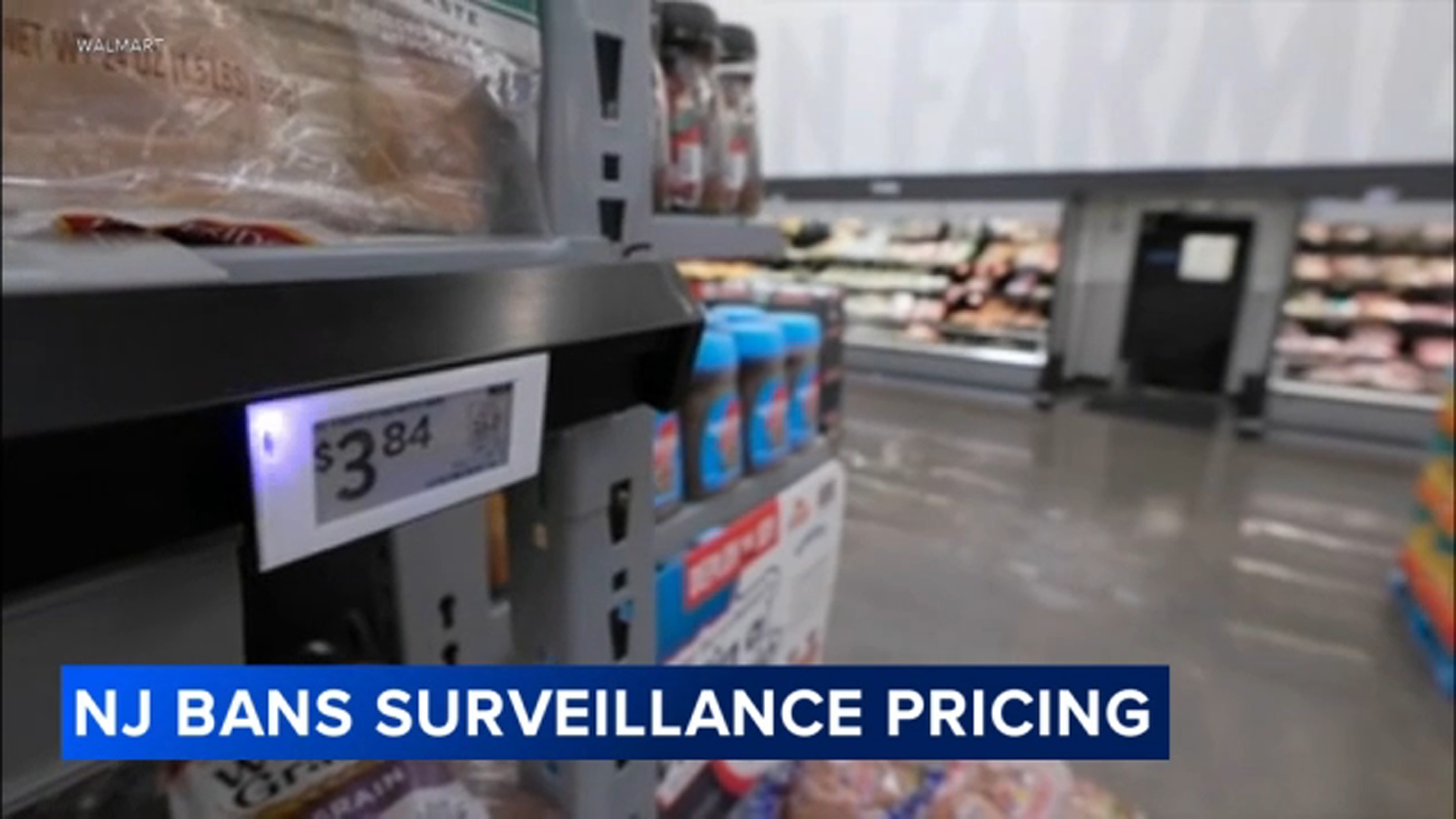
The compliance barrier creates immediate operational challenges for sellers using AI-driven pricing engines. Amazon, Walmart, Target, and third-party sellers leveraging algorithmic pricing tools must audit their pricing logic across New Jersey, Maryland, Connecticut, and potentially New York markets. The one-year moratorium on new electronic shelf label (ESL) rollouts—while existing labels can continue operating—signals regulatory skepticism toward automation that enables surveillance pricing. For sellers, this means: (1) pricing algorithms must be redesigned to exclude personal data inputs in these four states; (2) compliance verification requires documented pricing logic audits; (3) non-compliance penalties likely mirror state consumer protection statutes ($5,000-$10,000 per violation, potentially multiplied across transactions). The regulatory trend indicates state-level enforcement will intensify, with labor unions (United Food and Commercial Workers International) actively monitoring implementation, suggesting whistleblower-driven compliance actions.
This regulation creates a compliance moat favoring sellers with transparent, rule-based pricing systems over those dependent on opaque algorithmic personalization. Sellers can differentiate by adopting "surveillance-free" pricing certifications, marketing to privacy-conscious consumers in these states. The exemption for loyalty programs creates a strategic opportunity: sellers can shift personalization to explicit opt-in loyalty mechanisms rather than hidden surveillance, maintaining margin optimization while achieving compliance. Estimated compliance costs: $15,000-$40,000 per seller for pricing system audits and algorithm redesign; ongoing monitoring costs of $2,000-$5,000 monthly for multi-state sellers. The moratorium on ESL technology creates a 12-month window where sellers using traditional pricing methods gain competitive advantage, while ESL vendors face market uncertainty. For cross-border sellers, this signals US regulatory fragmentation risk—similar to GDPR's privacy-first approach—requiring compliance infrastructure investment before expansion into other states likely to follow New Jersey's model.
Questions 8
How does the electronic shelf label moratorium impact seller strategy and technology adoption?
The one-year moratorium on new electronic shelf label (ESL) rollouts—while existing labels can continue operating—creates a 12-month window where sellers using traditional pricing methods gain competitive advantage. ESLs enable rapid price changes across physical stores, which regulators worry facilitates surveillance pricing. The moratorium signals regulatory skepticism toward automation that enables hidden personalization. For sellers, this means: (1) ESL vendors face market uncertainty and may reduce investment in New Jersey; (2) sellers with traditional pricing systems avoid compliance risk; (3) the moratorium provides time for regulators to study ESL impact on workers and consumers. After the moratorium expires, ESLs may be permitted only if they display transparent, non-personalized pricing logic. Sellers should avoid major ESL investments in New Jersey until regulatory clarity emerges, and instead focus on compliant pricing infrastructure.
What compliance documentation and audit trails do sellers need to maintain under the new law?
Sellers must maintain documented evidence that their pricing logic excludes personal data inputs. This requires: (1) Pricing algorithm documentation showing which data inputs are used (time, inventory, demand) and which are excluded (browsing history, location, purchase history); (2) Audit logs showing pricing decisions across customer segments to prove no personalization occurred; (3) Legal attestations that pricing complies with the Fair Price Protection Act; (4) Regular compliance reviews (quarterly recommended) to catch algorithm drift. For Amazon sellers, this means requesting pricing transparency reports from Amazon and documenting that you're not using Amazon's personal data for price discrimination. For Shopify sellers, it means maintaining records of pricing app configurations and excluding personal data inputs. Non-compliance penalties are enforced through consumer complaints and state attorney general investigations, making documentation critical for defense. Sellers should implement compliance monitoring systems now, before enforcement intensifies.