



China's CXMT IPO Signals Memory Chip Boom | Seller Supply Chain Opportunities
- 66.6B yuan IPO oversubscription reflects semiconductor self-sufficiency push, creating supply chain advantages for electronics sellers sourcing from China























Overview
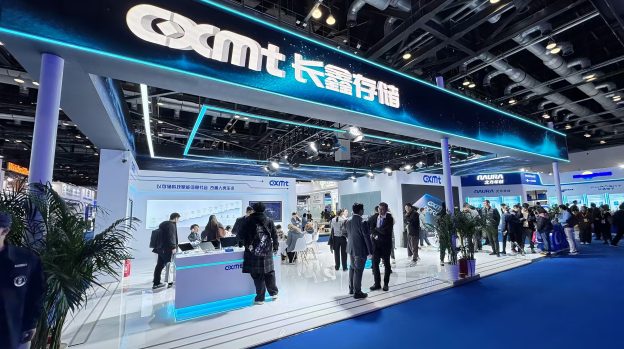
CXMT Corp.'s historic Shanghai IPO debut—raising 66.6 billion yuan ($9.8 billion USD) with a 580 billion yuan initial valuation—signals a critical inflection point for China's semiconductor independence strategy that directly impacts e-commerce sellers sourcing electronics and tech products. The near-record oversubscription and positioning as China's largest first-day listed company reflects institutional confidence in domestic memory chip production, which has profound implications for cross-border sellers relying on Chinese component suppliers.
AI-Powered Supply Chain Intelligence Opportunity: This IPO validates China's memory chip manufacturing capacity expansion. For e-commerce sellers, this means: (1) Predictive sourcing advantage—AI tools can now analyze CXMT's production capacity announcements and investor presentations to forecast component availability 6-12 months ahead, enabling sellers to lock in favorable pricing before supply tightens; (2) Cost reduction modeling—As CXMT scales production, memory chip costs typically decline 8-15% annually. Sellers can use AI-driven price forecasting to time inventory purchases, potentially saving $50-200K annually for electronics categories (laptops, tablets, storage devices, smart home products).
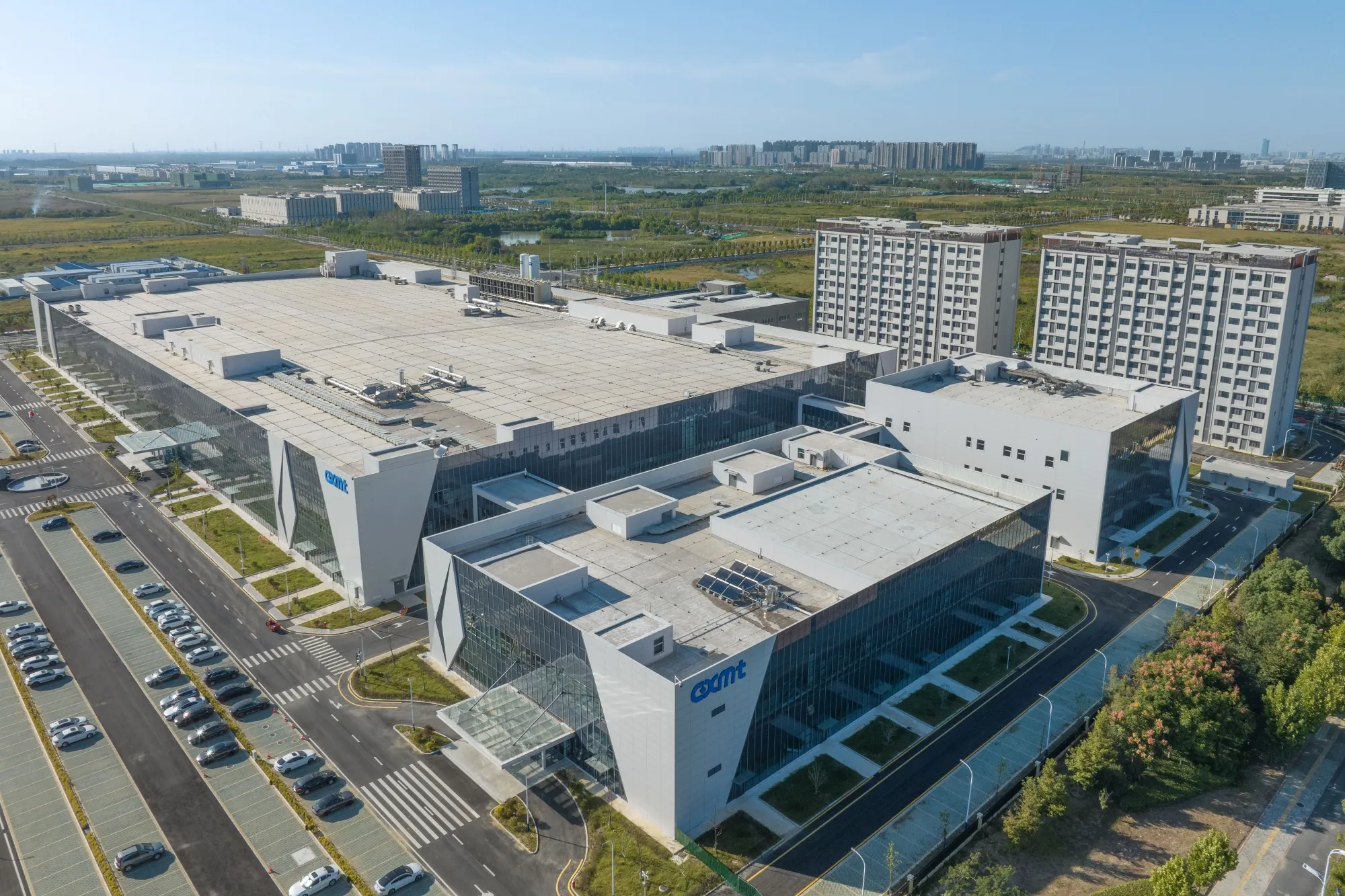
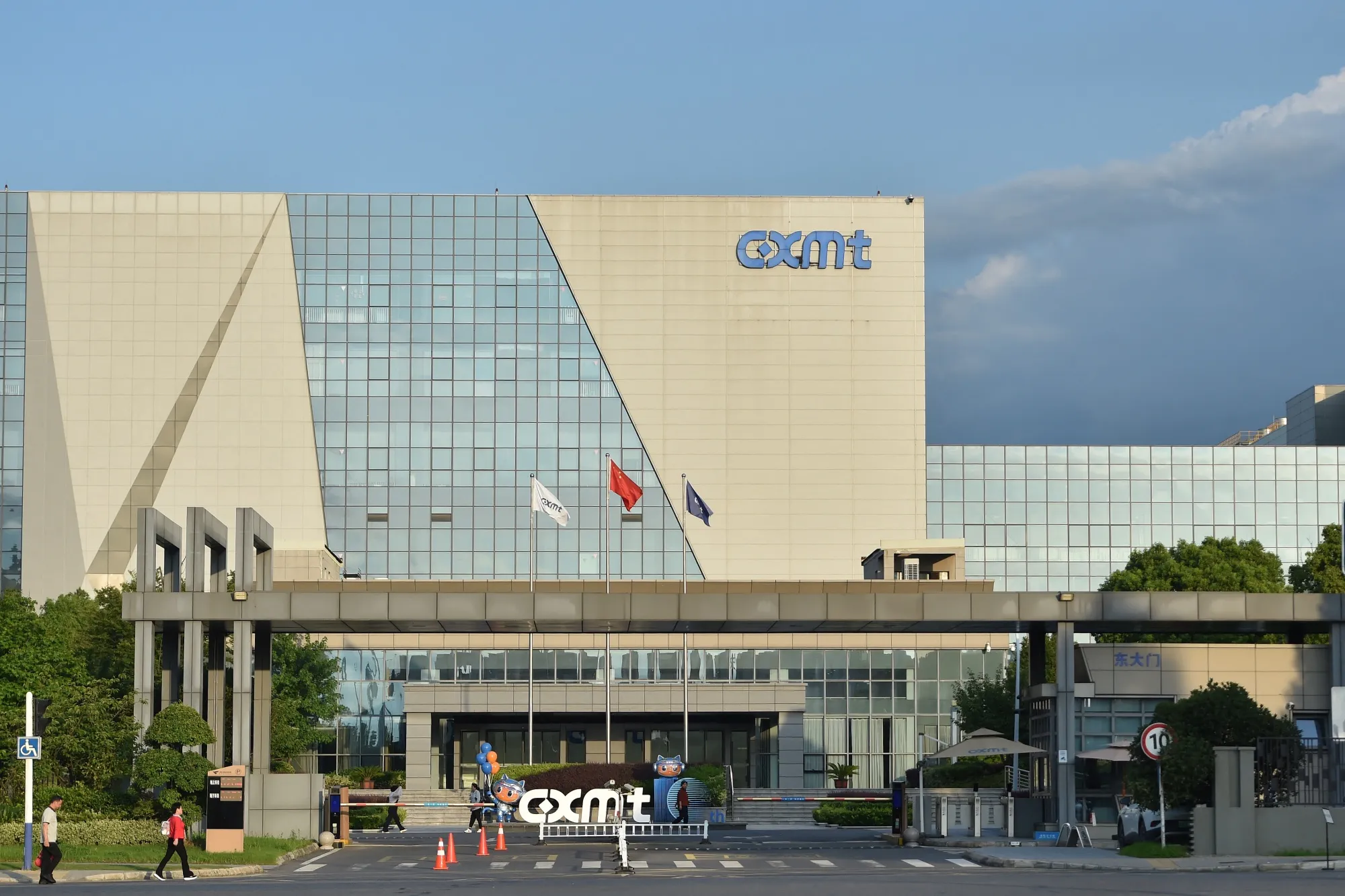
Market Context: The IPO's timing coincides with global memory chip shortages and geopolitical supply chain fragmentation. CXMT's Hefei headquarters represents China's strategic bet on semiconductor self-sufficiency, reducing reliance on Taiwan and South Korea. For sellers, this creates a 12-24 month window where Chinese component costs stabilize while international alternatives remain volatile. Electronics sellers (laptops, gaming peripherals, storage, IoT devices) can capitalize by: shifting sourcing to CXMT-supplied components, negotiating volume discounts with suppliers citing CXMT's expanded capacity, and using AI to identify which product SKUs benefit most from cost reductions.
Competitive Intelligence Angle: Sellers can deploy AI sentiment analysis on CXMT investor presentations and earnings calls (once public) to detect production milestones, capacity utilization rates, and pricing strategies before competitors. This creates a 2-4 week intelligence advantage for dynamic pricing and inventory allocation decisions. Additionally, AI-powered supply chain mapping tools can identify which suppliers use CXMT memory chips, enabling sellers to build relationships with component manufacturers positioned to benefit from CXMT's growth.
Category-Specific Opportunities: Electronics sellers (Amazon, eBay, Shopify) should prioritize: laptops/notebooks (memory-intensive, high-margin), external SSDs/storage devices, gaming laptops, and smart home devices. These categories historically see 5-12% margin improvement when component costs decline. Sellers can use AI to forecast demand spikes in these categories during Q2-Q3 2025 when CXMT production ramps.
Questions 8
Should sellers adjust their Amazon FBA and Shopify pricing strategies in response to CXMT's IPO and memory chip cost dynamics?
Yes, sellers should implement dynamic pricing strategies tied to memory chip cost indices. Recommended approach: (1) **Immediate (January-February 2025)**: Monitor CXMT IPO performance and production announcements; establish baseline pricing. (2) **Short-term (March-June 2025)**: Implement AI-powered pricing that adjusts automatically when memory chip spot prices decline >3%, capturing margin expansion before competitors. (3) **Medium-term (July-December 2025)**: Expect 8-15% cost reductions; decide whether to expand margins or reduce prices for market share. The news indicates CXMT's debut could generate substantial gains and market expectations suggest price appreciation, signaling strong investor confidence in the company's competitive positioning. Sellers who automate pricing adjustments in Amazon Seller Central and Shopify gain 2-4 week advantages over manual competitors.
What is the timeline for CXMT's impact on e-commerce electronics pricing?
CXMT's Shanghai debut marks the beginning of a 12-24 month supply chain transformation. Immediate impact (0-6 months): Investor confidence drives supplier negotiations and contract renegotiations. Medium-term (6-12 months): CXMT production ramps, component costs begin declining 3-5%. Long-term (12-24 months): Full production capacity reached, costs decline 8-15% cumulatively. Sellers should act immediately to: (1) audit current supplier contracts expiring in 6-12 months, (2) use AI to forecast demand spikes in memory-intensive categories, (3) build relationships with CXMT-adjacent suppliers. The competitive advantage window is 2-4 weeks for sellers who act before mainstream awareness spreads.