



PC Market Contraction Q2 2026 | Seller Inventory & Margin Risks
- First quarterly decline in 9 quarters signals demand shift; hardware sellers face 8-15% margin compression and inventory obsolescence risks





Overview
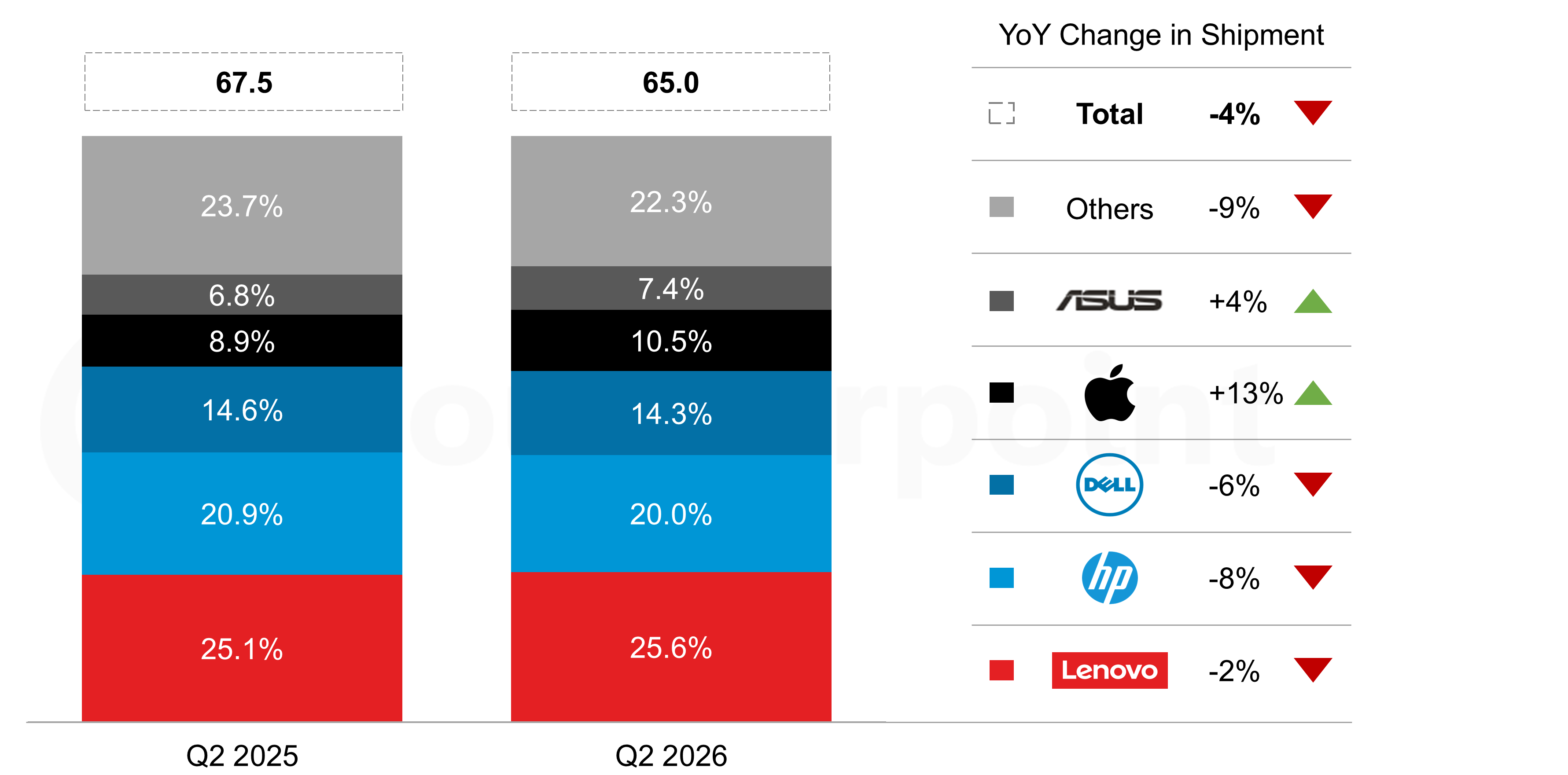
Global PC sales experienced their first decline in nine quarters during Q2 2026, marking a critical inflection point for cross-border e-commerce sellers specializing in hardware, components, and peripherals. After sustained growth through 2024-2025 driven by remote work adoption, gaming demand, and AI-powered computing upgrades, the market contraction affects major manufacturers including Dell, HP, Lenovo, ASUS, and Acer. This downturn reflects weakening demand across consumer and commercial segments, with extended replacement cycles and delayed purchasing decisions amid economic uncertainty creating unpredictable demand forecasting challenges for sellers.
For hardware-focused sellers, this market shift creates immediate operational pressures. Inventory management becomes critical as demand forecasting accuracy deteriorates—sellers holding excess stock of mainstream laptops and desktops face potential obsolescence and storage cost increases. Manufacturers are adjusting pricing strategies to stimulate sales, compressing margins on popular products by an estimated 8-15% as they compete for market share. Accessory sellers experience correlated demand decline, as PC sales slowdowns typically reduce peripheral purchases (monitors, keyboards, cooling systems, cables). The competitive intensity increases as larger manufacturers leverage pricing power, squeezing smaller third-party sellers on Amazon, eBay, and Shopify.
However, market segmentation presents differentiated opportunities. Gaming PC segments and specialized workstations demonstrate resilience compared to mainstream consumer laptops, suggesting sellers should pivot inventory allocation toward high-margin gaming components, workstation upgrades, and niche peripherals. The broader PC ecosystem remains substantial despite the Q2 decline—this represents a market correction rather than category collapse. Strategic sellers can capitalize by optimizing inventory levels (reducing slow-moving mainstream SKUs by 20-30%), focusing on high-margin products with 35%+ gross margins, and preparing for potential price wars by securing supplier agreements before competitive pressure intensifies.
The critical question is whether this represents temporary correction or longer-term adjustment. Sellers should monitor Q3 2026 data closely—if decline continues, it signals structural market shift requiring category diversification. If recovery occurs, early inventory optimization positions sellers to capture demand surge with lower carrying costs. The window for strategic repositioning is 4-8 weeks before Q3 results clarify the trend trajectory.
Questions 8
How can sellers prepare for potential price wars from major manufacturers?
Manufacturers like Dell, HP, and Lenovo typically respond to demand weakness with aggressive pricing and promotional strategies, creating margin pressure for third-party sellers. Sellers should proactively secure supplier agreements locking in costs before competitive intensity increases—negotiate volume discounts and extended payment terms within 2-4 weeks. Build relationships with alternative suppliers to reduce dependency on single sources and maintain pricing flexibility. Establish minimum margin thresholds (e.g., 25% gross margin floor) and implement automated pricing rules that prevent selling below profitability targets. Monitor manufacturer promotional calendars and adjust inventory timing to avoid being caught with excess stock during price wars. Consider private label or exclusive product variants that differentiate from manufacturer direct sales and reduce pure price competition. These proactive measures protect profitability while maintaining competitive positioning during market contraction.
Should sellers diversify away from PC hardware during this market downturn?
Diversification depends on seller's current category concentration and capital availability. Sellers with 60%+ revenue from PC hardware should consider gradual diversification into adjacent categories like gaming peripherals, smart home devices, or professional audio equipment—these categories show stronger growth trajectories. However, complete category exit is premature given the PC ecosystem remains substantial and gaming/workstation segments show resilience. Optimal strategy is portfolio rebalancing: maintain 50-60% allocation to PC products (focusing on gaming/workstation segments) while allocating 20-30% to adjacent growth categories and 10-20% to experimental categories. This approach reduces concentration risk while preserving exposure to potential PC market recovery. Sellers should avoid panic-driven diversification and instead make deliberate, data-driven category allocation decisions based on margin analysis and growth potential.