


European AC Market Surge Reshapes Seasonal E-Commerce | 108% Growth in Spain/France
- Midea shipments jump 108% YoY; EU AC units projected to exceed 100M by 2030; wool/winter goods face declining demand as climate-driven consumption patterns shift






















Overview
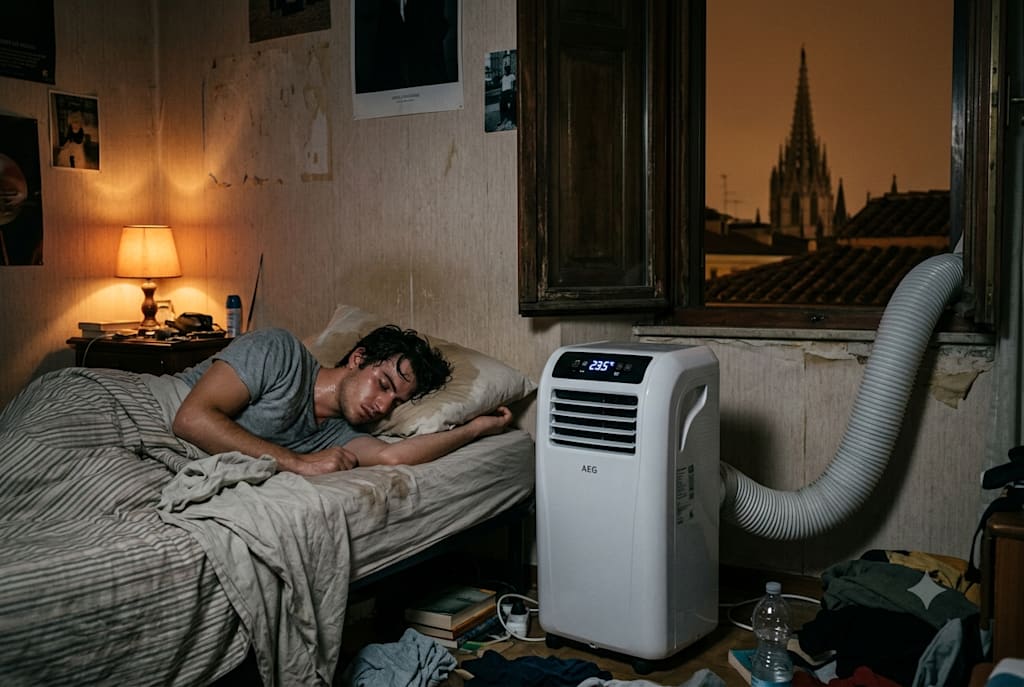
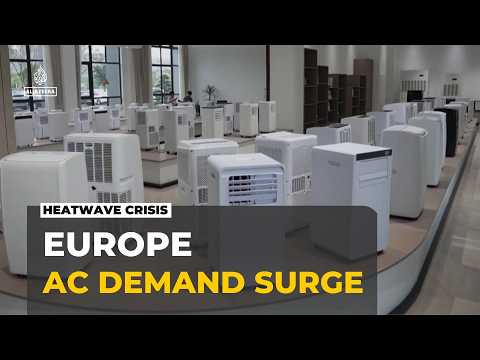
Europe's air conditioning market is experiencing unprecedented structural growth, driven by record heat waves and shifting consumer attitudes toward cooling as a health necessity rather than luxury. Western Europe recorded its hottest June on record with temperatures exceeding 100°F, triggering double-digit year-on-year AC sales growth across major markets. Samsung reported double-digit growth in Italy, Spain, and France during H1 2026, while Chinese manufacturer Midea saw shipments to Spain and France surge 108% compared to the previous year, with German e-commerce AC sales climbing 37%. LG Electronics' South Korean factories have run at full capacity since April to meet global demand, signaling sustained supply constraints. The European Commission projects EU room air conditioners will grow from 57 million units in 2020 to exceed 100 million by 2030—a 75% expansion—compared to only one in five European households currently owning AC versus nine in ten in the United States.
For cross-border e-commerce sellers, this represents a fundamental shift in seasonal inventory dynamics. The news reveals a dual opportunity: cooling appliances and summer products face explosive demand in European markets, while traditional winter goods (wool garments, heating products) experience declining sales. Sellers currently dependent on winter seasonal cycles must urgently diversify product portfolios or reallocate inventory to warmer regions. Keyword trends are shifting dramatically: searches for "portable air conditioner," "window AC unit," and "cooling fan" are surging in Spanish, French, and German markets, with CPC costs likely rising 15-25% as competition intensifies among sellers. Amazon, eBay, and Shopify sellers targeting EU markets should prioritize AC-related categories immediately—this is not a temporary spike but a "long-term structural trend," according to Eurovent's Deputy Secretary General. The mortality context (45,000+ excess deaths across Europe by late June/early July) underscores the urgency driving consumer purchasing behavior from discretionary to essential spending.
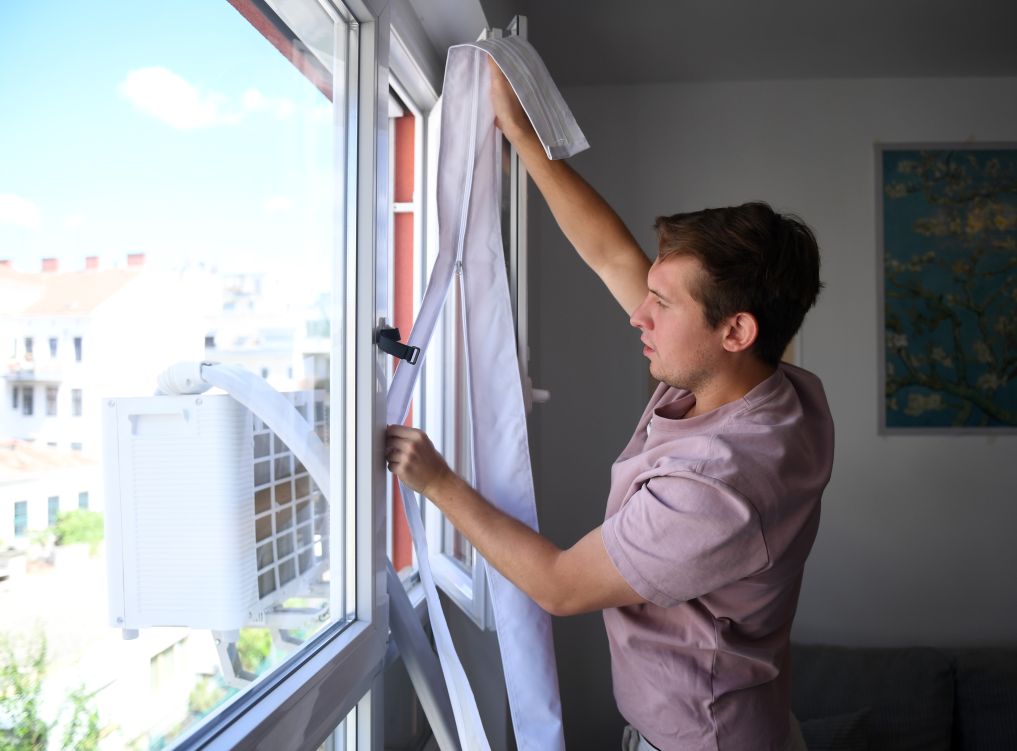
Inventory planning becomes critical for the next 6-12 months. Sellers with warehouse capacity in Spain, France, Germany, and Italy should accelerate AC unit procurement now, as manufacturing capacity constraints (LG at full capacity, Midea ramping production) will create supply bottlenecks by Q3-Q4 2026. Conversely, sellers holding excess winter inventory face margin compression and potential write-downs. Geographic arbitrage opportunities exist: sourcing AC units from Asian manufacturers (Midea, Midea subsidiaries) and reselling through European marketplaces offers 20-30% margin potential given the 108% demand surge. However, logistics costs and import duties (typically 10-15% for appliances into EU) must be factored into pricing models. The shift also signals emerging demand for complementary products: portable AC units, window installation kits, energy-efficient fans, and cooling accessories will see secondary demand spikes as consumers retrofit older European homes lacking built-in AC infrastructure.
Questions 7
What supply chain risks should sellers monitor for AC product sourcing?
**Manufacturing capacity constraints are the primary risk**: LG's South Korean factories are running at full capacity since April, and Midea is ramping production to meet 108% demand surges. Lead times for AC units are likely extending from typical 30-45 days to 60-90+ days by Q2-Q3 2026. Sellers should secure supplier commitments immediately and consider pre-ordering inventory 90-120 days in advance. Tariff and trade policy risks exist—EU import duties on appliances (10-15%) could increase if trade tensions escalate. Logistics bottlenecks may emerge at European ports as AC shipment volumes surge. Currency fluctuations (USD/EUR, CNY/EUR) impact sourcing costs from Asian manufacturers. Recommend: establish relationships with multiple suppliers (Midea, Gree, Haier), negotiate long-term pricing agreements, and maintain 60-day safety stock in European warehouses. Monitor Eurovent and European Commission announcements for regulatory changes affecting appliance efficiency standards, which could impact product specifications.
How should sellers adjust their PPC and content strategy for AC-related keywords?
**Immediately increase PPC budgets for AC-related keywords in Spanish, French, and German markets**, as search volume is surging while CPC costs are likely rising 15-25% due to increased competition. Priority keywords include 'portable air conditioner,' 'window AC unit,' 'cooling fan,' and 'AC installation kit.' Create localized content addressing European-specific concerns: older home infrastructure compatibility, electricity cost efficiency (historically a barrier to AC adoption), and health/safety benefits (45,000+ excess heat deaths across Europe underscore urgency). Develop product comparison content ('AC units for small apartments,' 'best portable AC for rental homes') targeting the 80% of EU households without AC. Leverage urgency messaging tied to heat wave forecasts and seasonal demand. Allocate 40-50% of appliance category PPC budget to cooling products through Q3 2026, down from typical 15-20% allocation. Monitor conversion rates closely—expect 2-3x higher conversion rates than baseline due to health-driven purchasing urgency.