



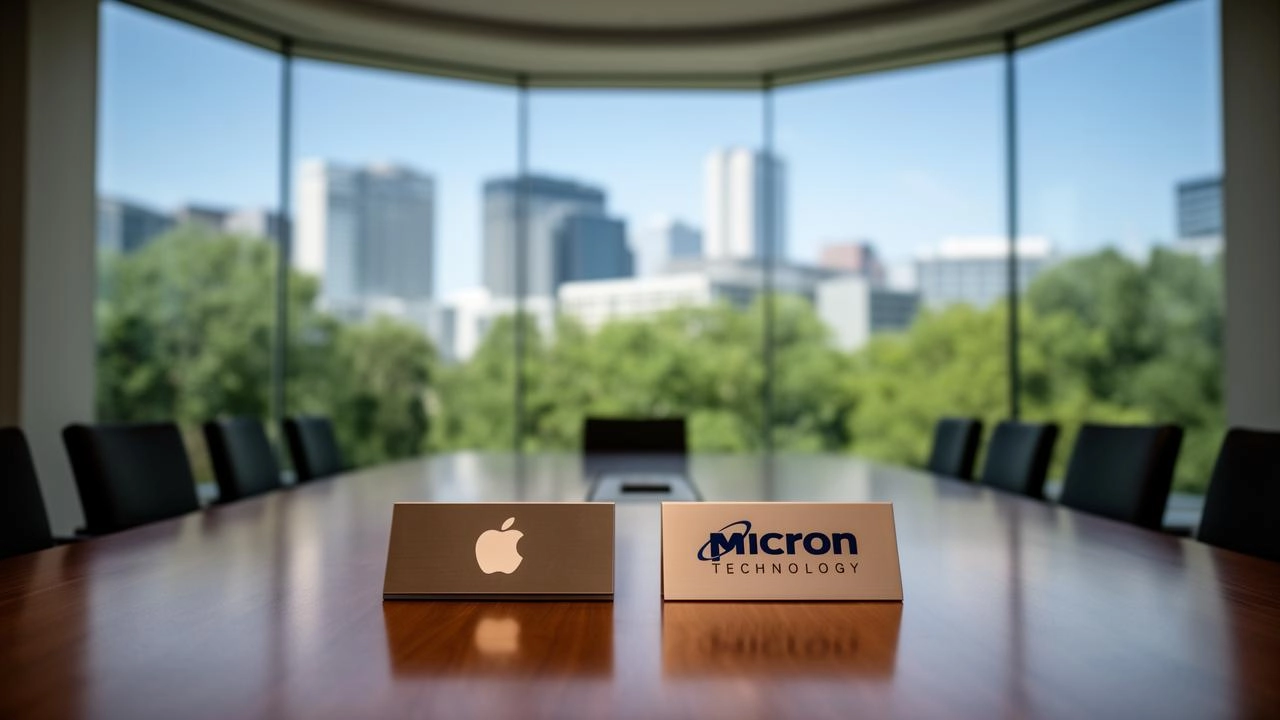

Memory Chip Tariff Battle Reshapes Device Pricing | Cross-Border Sellers Face 4x Cost Volatility
- Memory prices surged 4x in 12 months; Apple's 20% price hikes signal supply chain crisis affecting electronics sellers globally













)

Overview
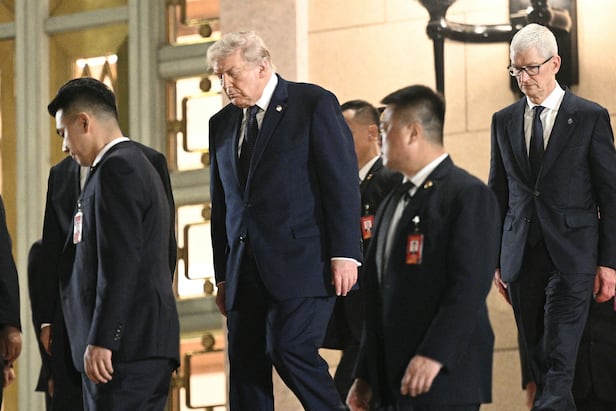
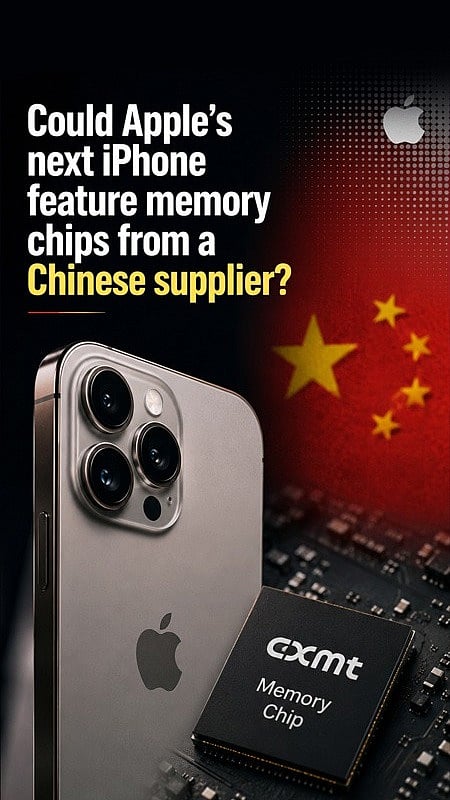
The escalating battle between Apple and Micron over Chinese memory chip access represents a critical tariff arbitrage and supply chain policy inflection point for cross-border electronics sellers. Apple's June 2026 petition to source conventional DRAM from blacklisted Chinese suppliers ChangXin Memory Technologies (CXMT) and Yangtze Memory Technologies (YMTC)—currently on the Pentagon's 1260H military company list—directly challenges U.S. semiconductor protectionism while exposing fundamental supply constraints. Memory chip prices have surged approximately 4x over the past 12 months according to TechInsights, driven by AI data center demand consuming supply at unprecedented rates. Apple CEO Tim Cook's announcement of 20% price increases on MacBooks and iPads, describing the shortage as a "100-year flood event," signals that device manufacturers are passing component costs directly to consumers—a critical indicator for sellers sourcing electronics inventory.
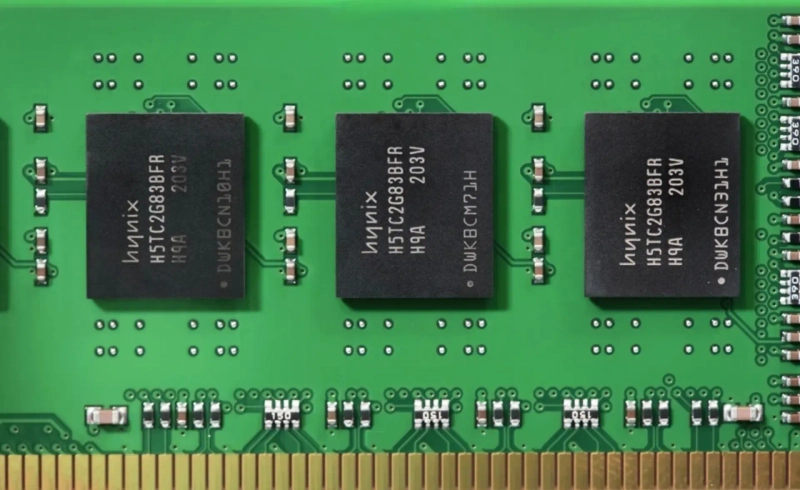
The tariff arbitrage opportunity centers on conventional DRAM vs. premium AI memory segmentation. Micron dominates high-bandwidth memory (HBM) for AI accelerators with gross margins exceeding 80%, facing minimal competition as only a handful of manufacturers produce at scale. CXMT manufactures commodity DRAM for PCs and smartphones—a lower-margin segment where Chinese competition could theoretically reduce costs 15-25% if regulatory approval is granted. However, the policy outcome remains uncertain: Micron CEO Sanjay Mehrotra successfully lobbied Commerce Secretary Howard Lutnick and Treasury Secretary Scott Bessent against the exemption, while committing $250 billion in domestic U.S. manufacturing investments. The Trump administration faces a binary choice between national security (blocking Chinese suppliers on military blacklists) and economic relief (reducing component costs for device makers).
For cross-border electronics sellers, this dispute creates three distinct scenarios with different margin impacts. Scenario 1 (Approval granted): Chinese DRAM sourcing could reduce MacBook/iPad component costs 8-12%, potentially lowering retail prices 5-8% by Q4 2026, compressing seller margins on refurbished/compatible accessories. Scenario 2 (Approval denied): Micron's domestic capacity expansion requires 3-5 years to materialize, extending the supply crisis through 2028-2029, maintaining elevated device prices and creating sustained demand for budget-tier alternatives and refurbished electronics. Scenario 3 (Compromise tariffs): Selective tariff reductions on conventional DRAM from non-blacklisted suppliers (Vietnam, Taiwan, South Korea) could emerge as the middle path, shifting sourcing away from China while maintaining some cost relief. The policy decision timeline is critical—the White House stated it would pursue "economic relief while safeguarding national security," suggesting a decision window of 60-90 days from July 2026.
Seller implications vary dramatically by product category and sourcing geography. Electronics sellers sourcing laptops, tablets, and smartphones from China face immediate cost volatility: if CXMT approval is granted, wholesale prices could drop 10-15% within 6 months, requiring inventory rebalancing. Sellers of refurbished/compatible memory modules (RAM upgrades, SSDs) should prepare for either sustained high prices (if approval denied) or margin compression (if approved). Sellers in Southeast Asia (Vietnam, Thailand) benefit from potential tariff arbitrage if the policy shifts to non-blacklisted suppliers—these countries could capture 15-20% of conventional DRAM sourcing currently held by China. The $250 billion Micron investment commitment signals long-term domestic manufacturing priority, potentially creating tariff advantages for U.S.-manufactured components by 2028, favoring sellers with domestic sourcing relationships.
Questions 8
How should sellers adjust pricing strategies given 4x memory chip price volatility over 12 months?
The 4x price surge over 12 months (per TechInsights) indicates extreme volatility requiring dynamic pricing models. Sellers should implement cost-plus pricing with quarterly adjustments tied to memory component indices rather than fixed markups. For electronics categories (laptops, tablets, smartphones), build 8-12% margin buffers to absorb wholesale price fluctuations. Monitor Apple's pricing announcements as leading indicators—their 20% price increases signal component cost escalation that typically precedes wholesale market adjustments by 30-60 days. Sellers with inventory flexibility should delay large purchases until the White House decision (expected September-October 2026), as approval could trigger 10-15% wholesale price reductions within 60 days. Consider hedging strategies with suppliers offering price-lock guarantees for 90-180 day periods.
What sourcing alternatives should sellers consider if Chinese memory chip access remains restricted?
If approval is denied, sellers should diversify sourcing to non-blacklisted suppliers: Taiwan (TSMC, MediaTek), South Korea (Samsung, SK Hynix), and Vietnam (emerging manufacturers). These countries could see tariff advantages and increased market share if the policy shifts away from China. Vietnam particularly benefits from potential tariff arbitrage—manufacturing costs are 10-15% lower than China with lower geopolitical risk. Sellers should also monitor Micron's domestic capacity expansion timeline (3-5 years to materialize), which could create tariff advantages for U.S.-manufactured components by 2028. Building relationships with multiple suppliers across these regions reduces single-country policy risk and provides flexibility to capitalize on tariff shifts.