

AI Smartglasses Market Surges 167% YoY | Seller Opportunities in Wearable Accessories & Privacy-Focused Products
- 2.25M smartglasses sold Q1 2026; Meta dominates with 67% market share; sellers can capitalize on accessories, protective gear, and privacy solutions across US, South Korea, Australia markets







Overview
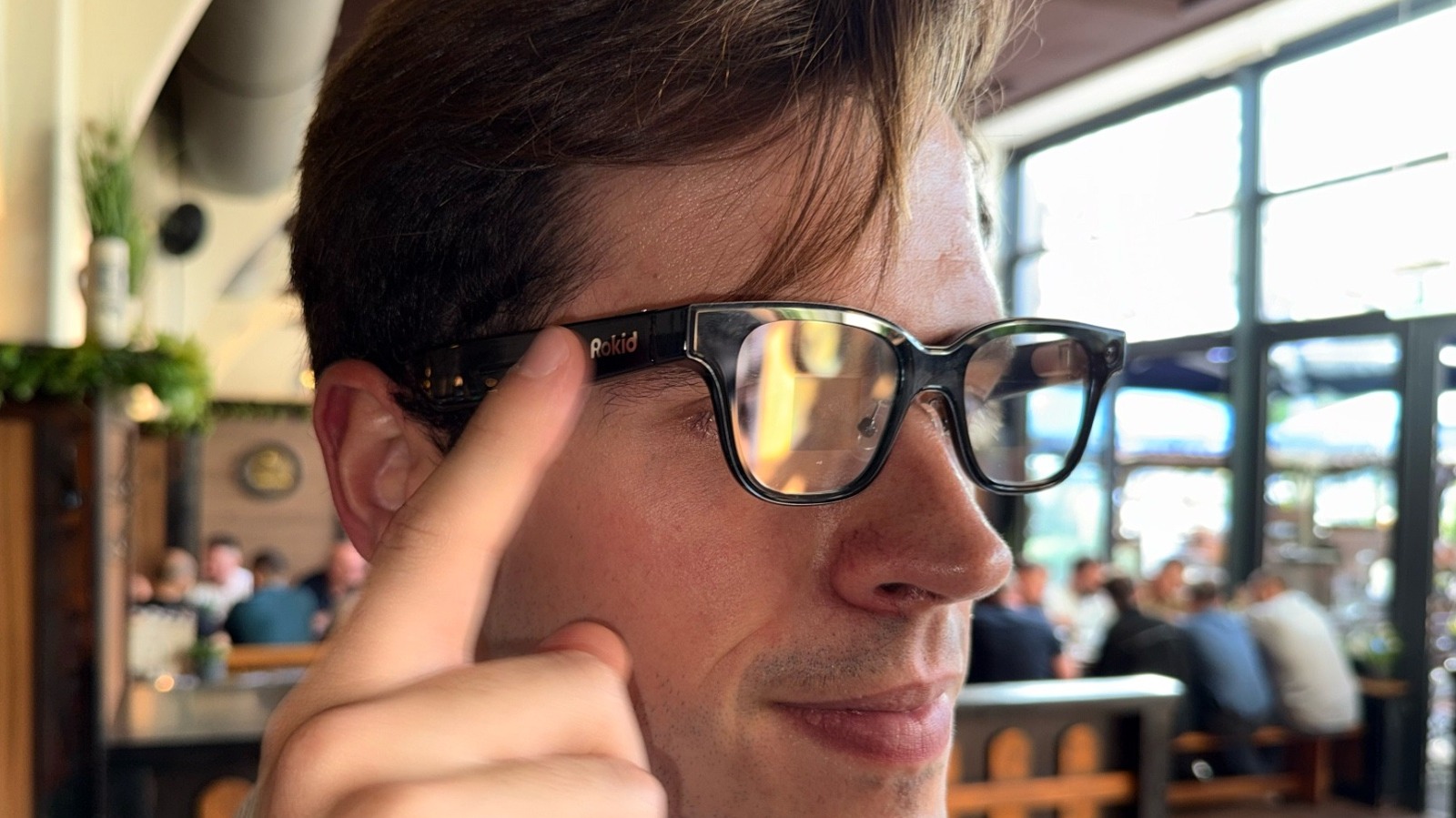
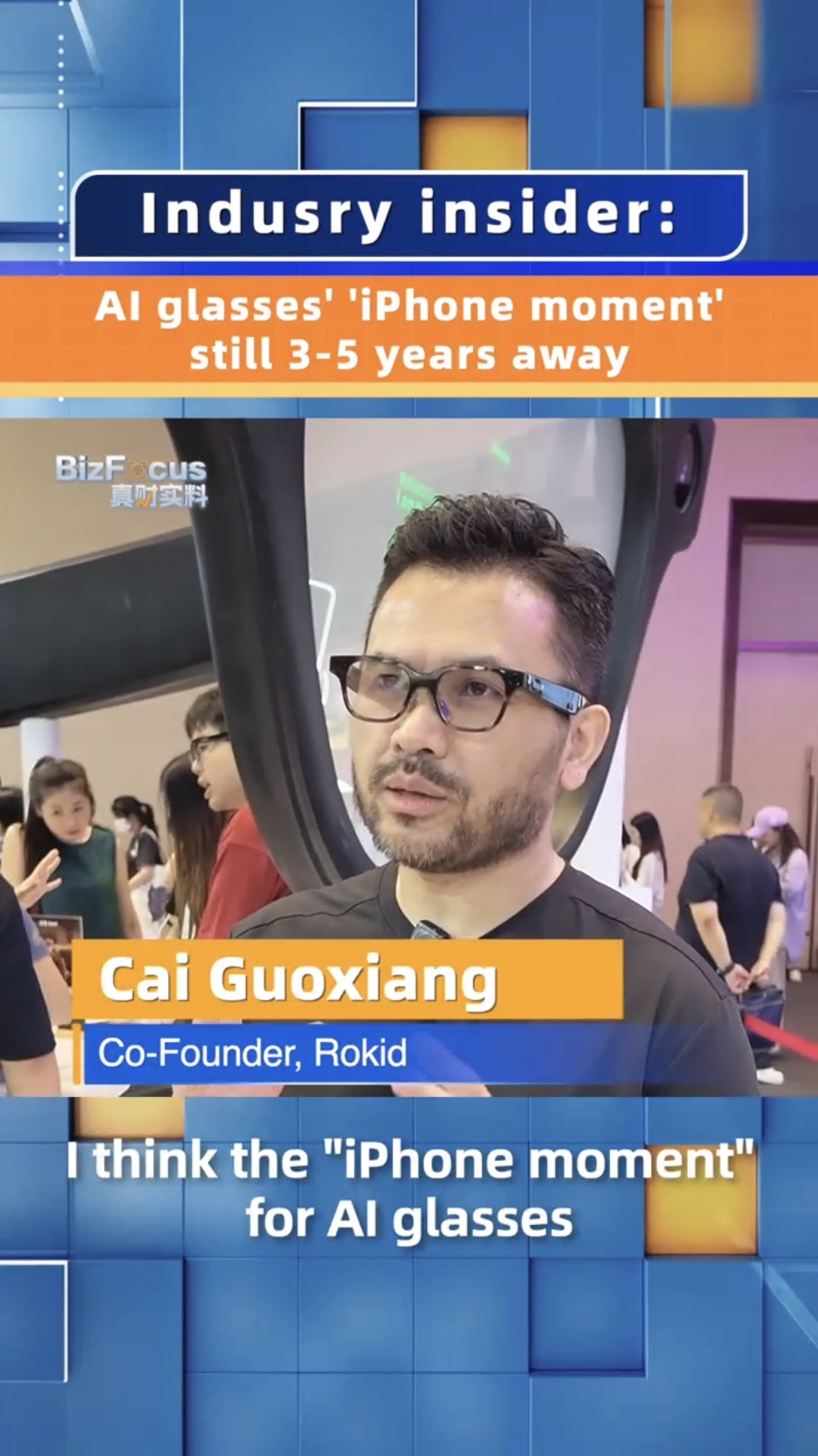
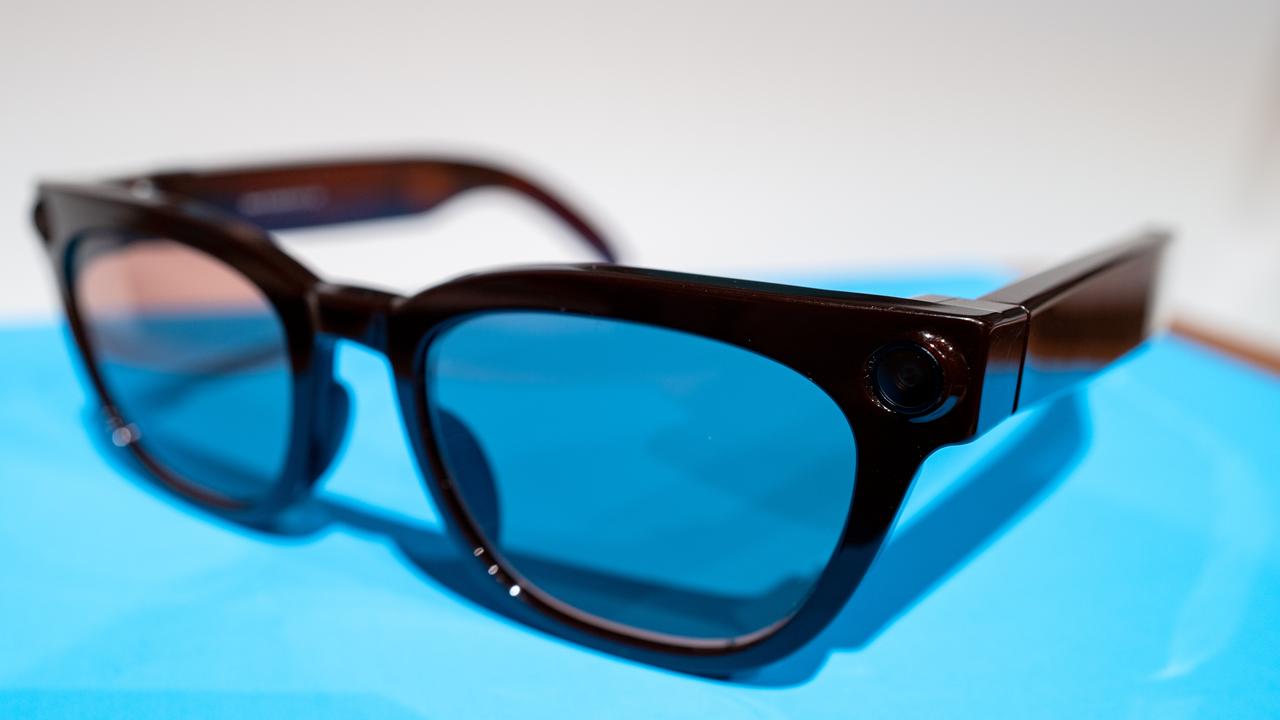
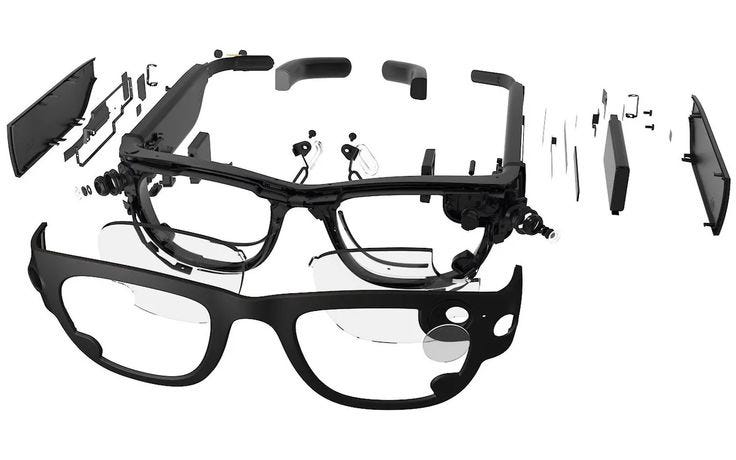
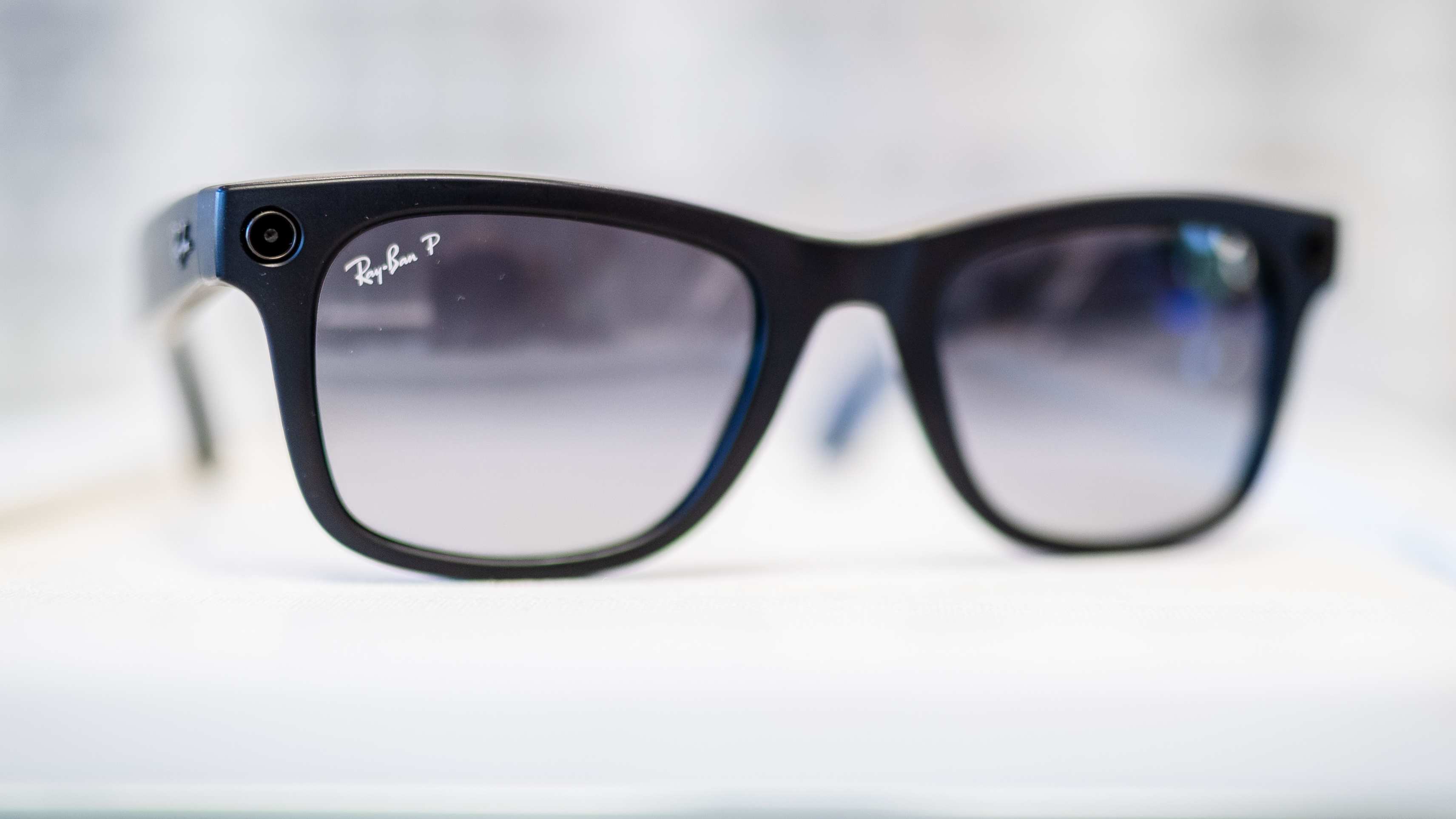
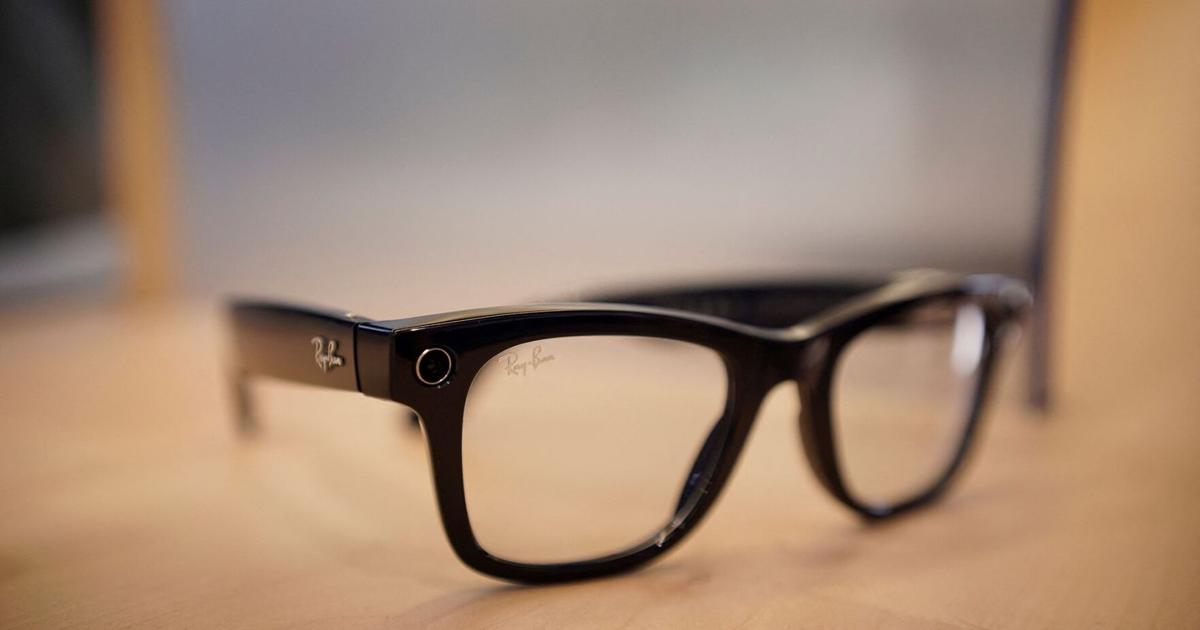
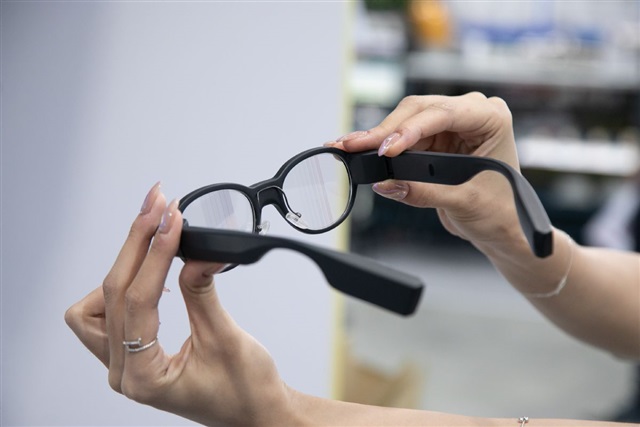
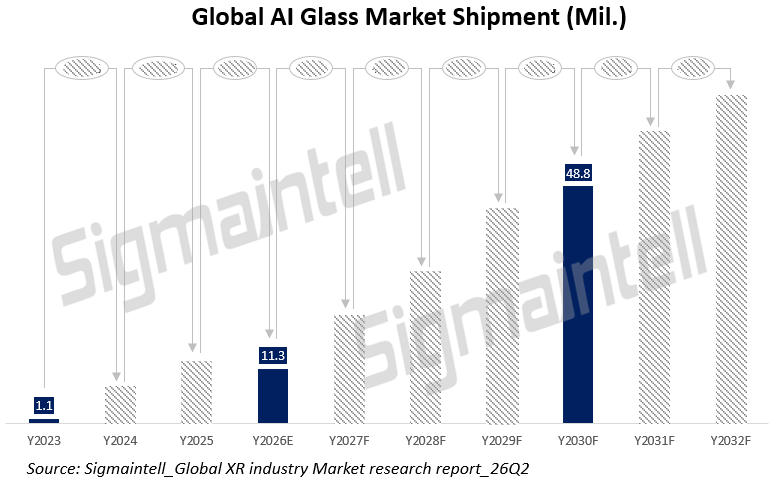
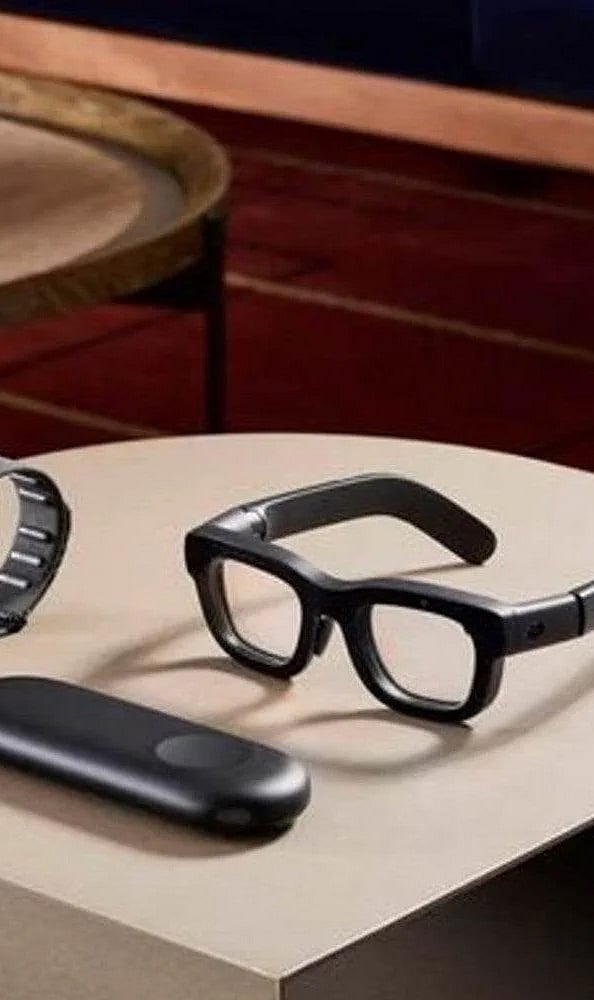
The smartglasses market is experiencing explosive growth with 2.25 million devices sold in Q1 2026—a 167% year-on-year increase matching all of 2024 sales—creating immediate e-commerce opportunities for sellers across multiple product categories. Meta dominates with two-thirds of market share through Ray-Ban AI glasses, while Samsung and Google launch collaborative smartglasses in spring 2026 with integrated cameras, microphones, and Google Gemini AI. Amazon's Bee Pioneer wristband and Samsung's upcoming devices signal major tech companies are betting heavily on wearable AI as the post-smartphone interface. However, this explosive growth masks a critical market tension: privacy backlash and misuse cases (non-consensual recording, "stealth stickers" obscuring warning lights) are creating urgent demand for protective accessories, privacy-focused solutions, and compliance products.
For e-commerce sellers, this represents a three-tier opportunity: First, smartglasses accessories are experiencing immediate demand—protective cases, lens protectors, privacy filters, and mounting solutions for Meta Ray-Ban glasses and upcoming Samsung/Google devices. Sellers can source these from manufacturers in China and Vietnam, targeting Amazon, eBay, and Shopify storefronts with keywords like "smartglasses case," "privacy lens protector," and "AI glasses accessories." Second, privacy-focused products are emerging as a counter-trend: privacy screen protectors, camera blocking stickers (marketed as "ethical alternatives" to stealth stickers), and Faraday pouches for secure storage are gaining traction among privacy-conscious consumers. Third, accessibility-focused products—real-time translation aids, low-vision assistance devices, and hands-free navigation accessories—represent legitimate high-margin categories that align with industry analyst Carolina Milanesi's recommendation to emphasize productivity benefits over surveillance capabilities.
AI automation opportunities for sellers are substantial: Use AI-powered product research tools to identify trending smartglasses accessories on Amazon (tracking BSR changes, review sentiment, pricing trends) and automatically generate optimized listings with privacy-focused keywords. Implement dynamic pricing algorithms that adjust based on competitor pricing and demand spikes around Samsung/Google launch windows (spring 2026). Deploy AI chatbots to handle customer questions about privacy features, compatibility, and ethical use cases—critical for building trust in this controversial category. Predictive analytics can forecast demand surges: when Samsung launches in US/South Korea (spring 2026), accessory demand typically spikes 40-60% within 2-3 weeks. Sellers using AI-driven inventory management can pre-position stock in US and South Korea warehouses 4-6 weeks before launch dates to capture early adopter demand. Additionally, sentiment analysis on social media (tracking mentions of "pervert glasses," privacy concerns, accessibility benefits) reveals which messaging resonates with different buyer segments—allowing sellers to optimize product descriptions and marketing angles by audience.
Questions 8
What is the current smartglasses market size and growth rate for sellers?
IDC research shows 2.25 million smartglasses devices sold in Q1 2026, representing 167% year-on-year growth and matching total 2024 sales. Meta dominates with two-thirds market share through Ray-Ban AI glasses, followed by RayNeo and Xiaomi. Samsung and Google are launching collaborative smartglasses in spring 2026 with integrated cameras and Google Gemini AI. This explosive growth creates immediate accessory demand: sellers can expect 40-60% sales spikes in smartglasses cases, lens protectors, and privacy solutions during major product launches. The market is projected to reach 5-7 million units annually by 2027, making accessories a high-growth category for cross-border sellers.
How should sellers address privacy concerns and negative sentiment around smartglasses?
Acknowledge the controversy directly: use product descriptions and marketing to position accessories as 'privacy protection solutions' rather than surveillance enablers. Emphasize legitimate use cases: highlight accessibility benefits (real-time translation, low-vision assistance, hands-free navigation) and productivity features (instant information retrieval, networking event analysis) that align with industry analyst Carolina Milanesi's recommendations. Implement ethical marketing: avoid messaging that encourages non-consensual recording; instead, market privacy products as personal protection tools. Build community trust: create FAQ content addressing privacy concerns, regulatory compliance, and ethical use guidelines. Monitor sentiment: use AI sentiment analysis to track social media mentions of 'pervert glasses' and privacy concerns; adjust messaging when negative sentiment spikes. Partner with privacy advocates: collaborate with organizations focused on digital privacy and consent to build credibility. This approach transforms negative sentiment into a competitive advantage by positioning your brand as privacy-conscious and ethical.