




Big Tech AI Spending Surge | Semiconductor Supply Chain Opportunities for E-Commerce Sellers
- $60B+ semiconductor backlogs signal sustained demand; sellers can capitalize on AI infrastructure growth through tech product categories and supply chain positioning


















Overview
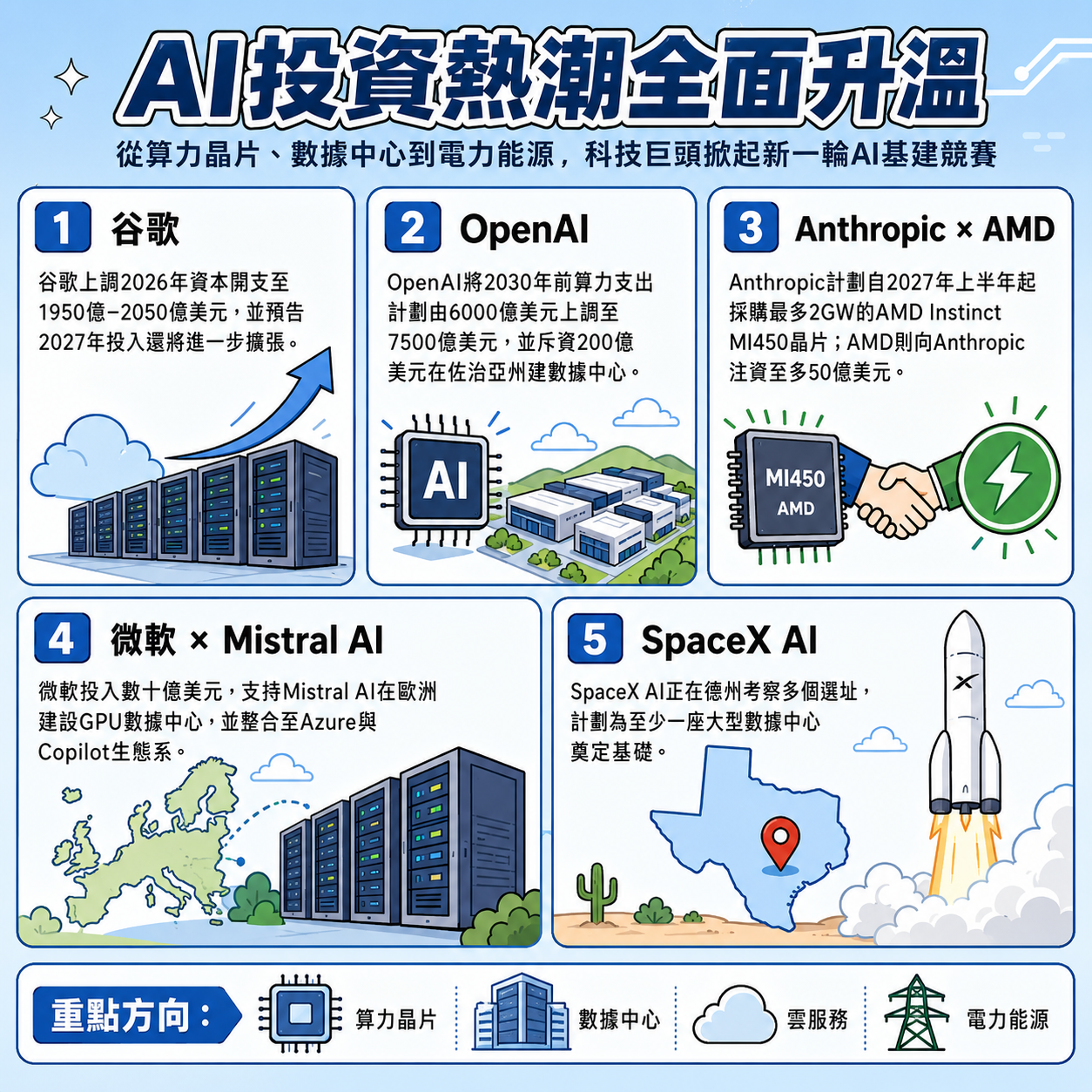
Big Tech's massive artificial intelligence capital expenditure is creating unprecedented opportunities across the semiconductor supply chain, with direct implications for e-commerce sellers in technology, electronics, and industrial product categories. Wall Street analysts maintain a positive outlook on AI infrastructure spending despite market volatility, with Google reporting 80%+ cloud revenue growth, Tesla outlining a $25 billion capex outlook, and Supermicro reporting record order backlogs exceeding $60 billion. These figures signal sustained demand for data center infrastructure, AI chips, and specialized computing equipment—categories that e-commerce sellers can leverage for significant growth.
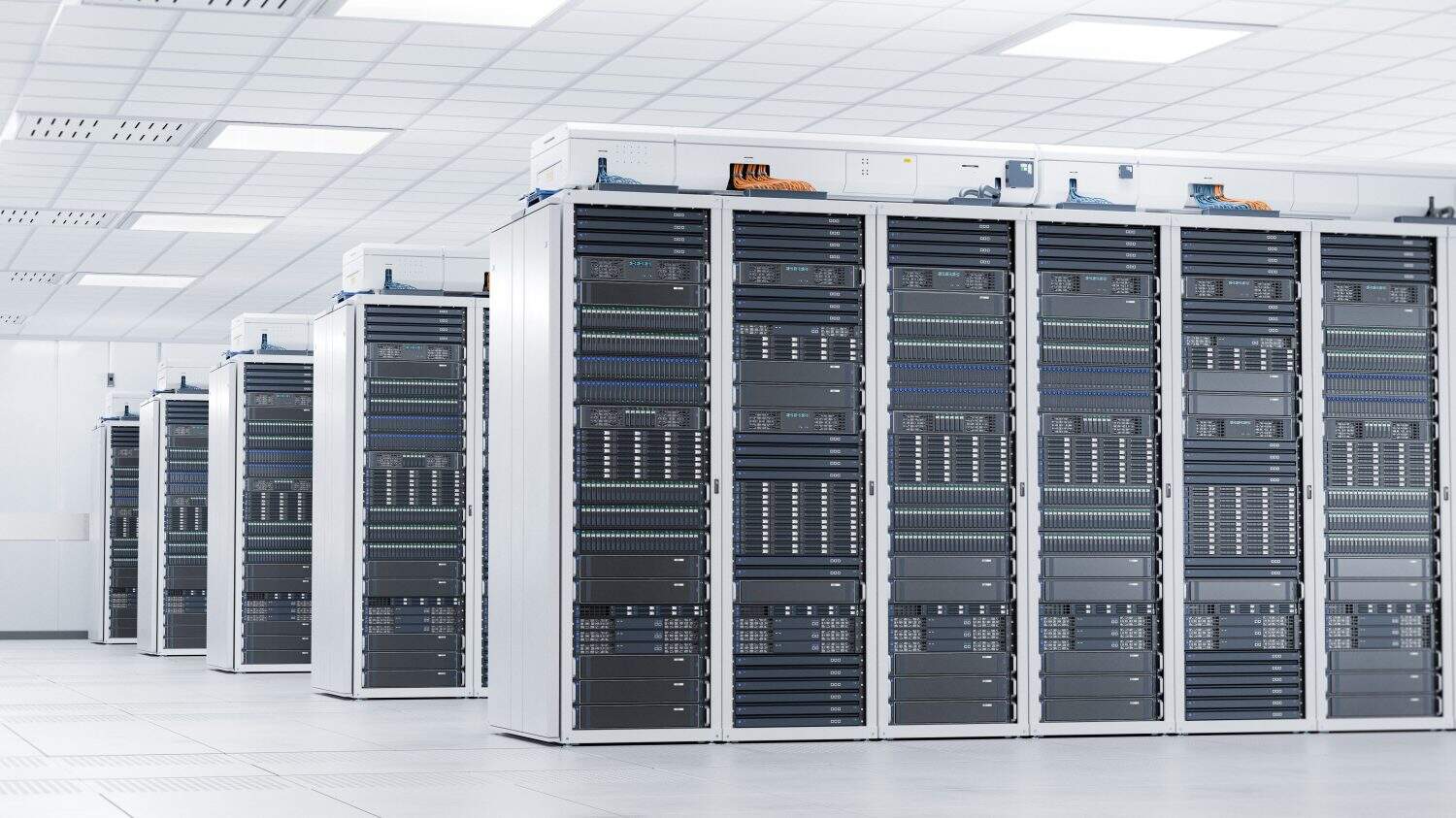
The semiconductor sector is experiencing unprecedented demand acceleration driven by AI model training and deployment requirements. Industry data shows semiconductor firms reporting 18% single-day stock gains following backlog announcements, indicating investor confidence in sustained purchasing cycles. For e-commerce sellers, this translates to multiple product opportunities: (1) AI server components and specialized chips for B2B buyers and system integrators, (2) cooling solutions and power management systems required for data center expansion, (3) industrial-grade networking equipment supporting AI infrastructure buildout, and (4) technical documentation and integration services for enterprise customers. Sellers positioned in electronics, industrial supplies, and B2B technology categories can capture demand from data center operators, cloud providers, and AI infrastructure companies building out capacity.
AI infrastructure spending creates both immediate and sustained revenue opportunities for sellers with supply chain positioning. The $60B+ backlog at Supermicro alone indicates multi-year purchasing cycles, meaning sellers can build recurring revenue streams through component supply, system integration support, and maintenance services. Sellers should immediately audit their product catalogs for AI-adjacent categories: GPU cooling systems, enterprise-grade power supplies, specialized networking hardware, and server components. The competitive advantage goes to sellers who can (1) source directly from semiconductor suppliers experiencing capacity constraints, (2) develop expertise in AI infrastructure requirements to serve enterprise buyers, and (3) build relationships with data center operators planning expansion. This trend creates a 12-24 month window for sellers to establish market position before larger competitors consolidate supply chains.
Strategic sellers should monitor semiconductor supply chain dynamics and position inventory accordingly. The ongoing debate about AI spending sustainability creates pricing volatility—sellers can exploit this by securing inventory during price dips and capitalizing on demand surges. Key metrics to track: semiconductor lead times (currently extended), data center capex announcements from major cloud providers, and component availability indices. Sellers with existing relationships in industrial electronics or B2B technology should immediately reach out to customers about AI infrastructure projects, while new sellers should consider entering specialized niches like thermal management solutions or power distribution systems where competition is lower than in commodity chip reselling.
Questions 7
What inventory strategy should sellers adopt given semiconductor supply constraints?
Sellers should adopt a dual-track inventory strategy: (1) secure long-term supply agreements with semiconductor manufacturers or authorized distributors to lock in pricing and availability, (2) maintain 60-90 day buffer stock of high-demand components (cooling systems, power supplies, networking equipment), and (3) develop relationships with multiple suppliers to mitigate single-source risk. The extended lead times and $60B+ backlogs mean early commitment to inventory provides competitive advantage. However, avoid over-committing to single product lines—diversify across thermal management, power distribution, and networking categories to hedge against demand shifts.
How should sellers position themselves for enterprise B2B sales in AI infrastructure?
Enterprise positioning requires: (1) developing technical expertise in AI infrastructure requirements and system integration, (2) building case studies and ROI documentation for data center operators, (3) establishing relationships with system integrators and cloud providers, and (4) offering value-added services like technical support and custom solutions. Sellers should create content addressing data center cooling challenges, power efficiency, and infrastructure scaling. Participate in industry forums and conferences where data center operators and system integrators gather. Offer bulk pricing and flexible terms for multi-year contracts, which align with the $25B+ capex cycles mentioned in analyst reports.