


Cloud Infrastructure Costs Rising 6-13% | E-Commerce Sellers Face $200B AI Buildout Impact
- Data center electricity costs projected to increase 6-13% through 2028 as $7 trillion AI buildout strains grids; AWS, Azure, Google Cloud fees likely to rise, affecting inventory management and fulfillment automation for 50K+ cross-border sellers

















Overview
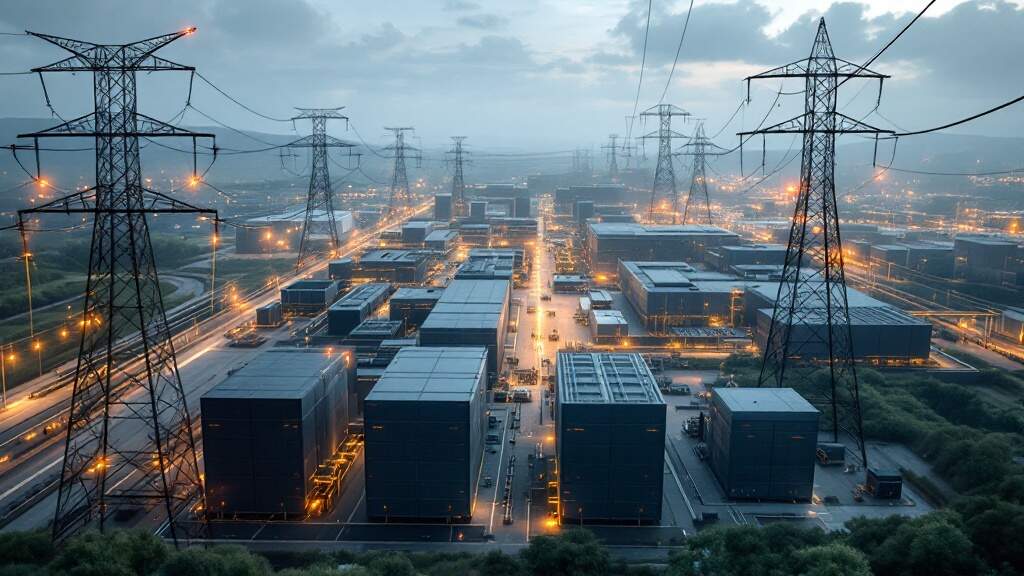
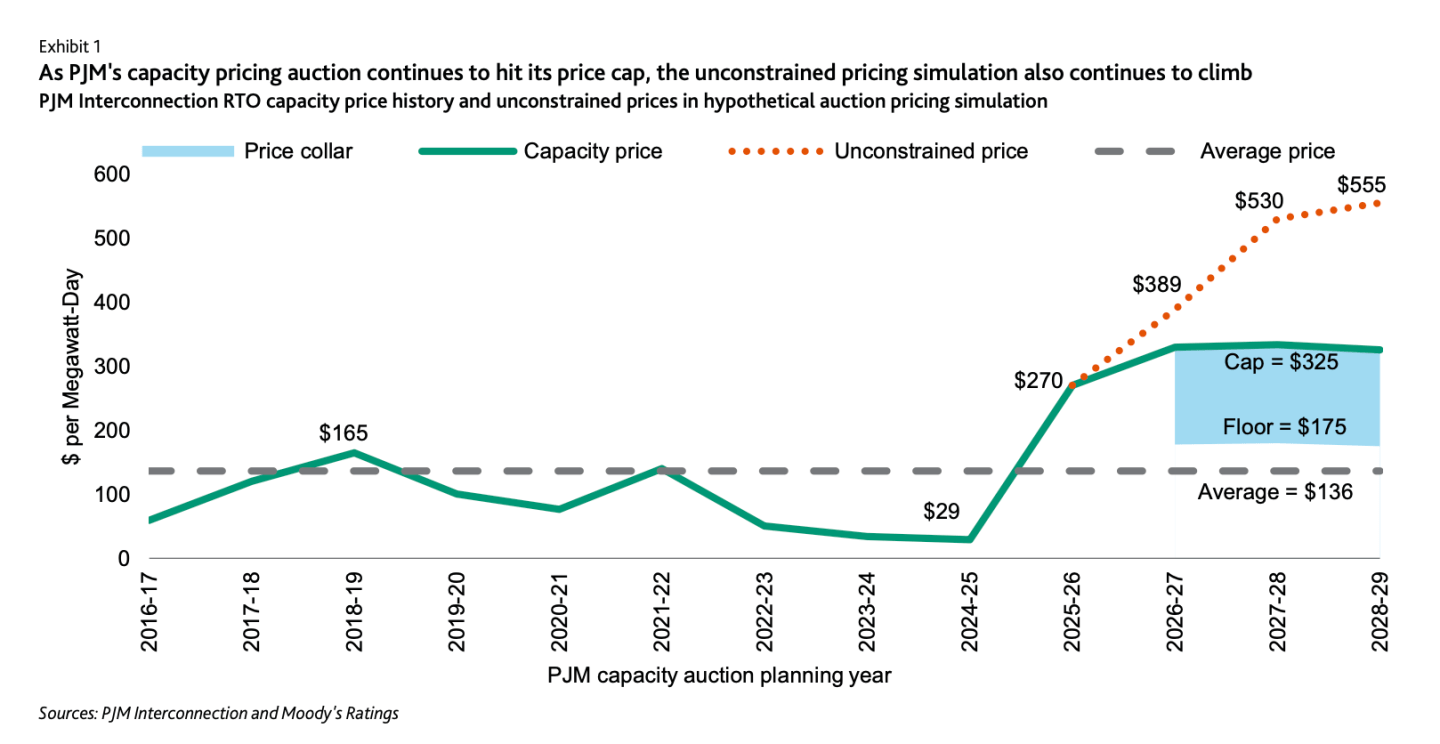
The AI infrastructure buildout is reversing a decade of electricity cost savings for e-commerce sellers. Between 2015-2024, data center expansion reduced retail electricity prices by 3.5% for every capacity doubling, with state-level decreases reaching 6%. However, a $7 trillion global AI buildout—with major tech companies (Google, Microsoft, Amazon) investing $200+ billion annually through 2025—is fundamentally reversing this trend. PJM, the nation's largest power grid operator, projects a $66.3 billion increase in consumer electricity costs over three years, primarily from data center demands. Virginia, hosting the most U.S. data centers, experienced residential electricity increases exceeding 13% in the past year. Goldman Sachs forecasts AI infrastructure will increase electricity costs 6% between 2026-2027 and an additional 3% by 2028.
For cross-border e-commerce sellers, this translates directly to rising cloud computing expenses. Sellers using AWS, Google Cloud, or Microsoft Azure for inventory management, analytics, fulfillment automation, and payment processing face compounding cost pressures. Smaller sellers face disproportionate increases as hyperscalers prioritize AI infrastructure investments over cost optimization for traditional cloud services. Grid strain in data center regions (Virginia, Texas, California) could create service reliability issues during peak selling periods (Black Friday, Cyber Monday, holiday season), affecting order processing and fulfillment operations. The critical uncertainty: whether the $7 trillion investment aligns with actual AI adoption rates. If AI demand underperforms, excess capacity could prolong elevated energy costs indefinitely, creating a "stranded asset" scenario where sellers bear infrastructure costs without corresponding productivity gains.
The operational impact varies by seller segment and geography. Large sellers (10K+ monthly units) using dedicated cloud infrastructure may absorb 8-12% cost increases through margin compression or price increases. Mid-market sellers (1K-10K units) using shared cloud services could see 5-8% cost increases on fulfillment and analytics tools. Small sellers relying on Shopify, WooCommerce, or marketplace-native tools face indirect increases through platform fee adjustments. Sellers in high-data-center regions (US East Coast, Northern California) face immediate pressure; international sellers using US-based cloud infrastructure for global operations face currency-adjusted cost increases. The 2026-2028 timeline creates a critical planning window: sellers must evaluate cloud infrastructure efficiency, consider geographic diversification of operations, and potentially shift to edge computing or on-premise solutions for cost-sensitive functions.
Questions 7
What automation opportunities exist to offset rising cloud infrastructure costs?
Sellers can implement AI-powered cost optimization tools to reduce unnecessary cloud resource consumption—identifying idle instances, optimizing database queries, and automating resource scaling. Predictive analytics can forecast demand more accurately, reducing overprovisioning costs by 15-25%. Batch processing for non-time-sensitive operations (analytics, reporting, inventory reconciliation) during off-peak hours can reduce compute costs 10-20%. Consider migrating non-critical functions to edge computing or on-premise solutions. Implement automated cost monitoring dashboards to track cloud spending by function (inventory, fulfillment, analytics) and identify optimization opportunities. Tools like CloudHealth, Densify, and native provider cost optimization services can automate these processes.
Which e-commerce sellers are most vulnerable to rising cloud infrastructure costs?
Small to mid-market sellers (1K-10K monthly units) using shared cloud services face the highest vulnerability, as they lack negotiating power for volume discounts. Sellers in high-data-center regions (US East Coast, Northern California, Texas) face immediate pressure from grid strain and local electricity increases. International sellers relying on US-based cloud infrastructure for global operations face currency-adjusted cost increases. Sellers dependent on real-time analytics, dynamic pricing, and automated fulfillment systems face higher exposure than those using basic inventory management. Sellers on Shopify, WooCommerce, and marketplace-native tools will experience indirect increases through platform fee adjustments as providers pass through infrastructure costs.