

Food Safety Recall Crisis Exposes Compliance Gaps | Sellers Must Strengthen Supply Chain Documentation
- Cyclospora outbreak affects thousands across multiple states; Taylor Farms recall highlights regulatory enforcement risks and documentation requirements for fresh produce sellers
Overview
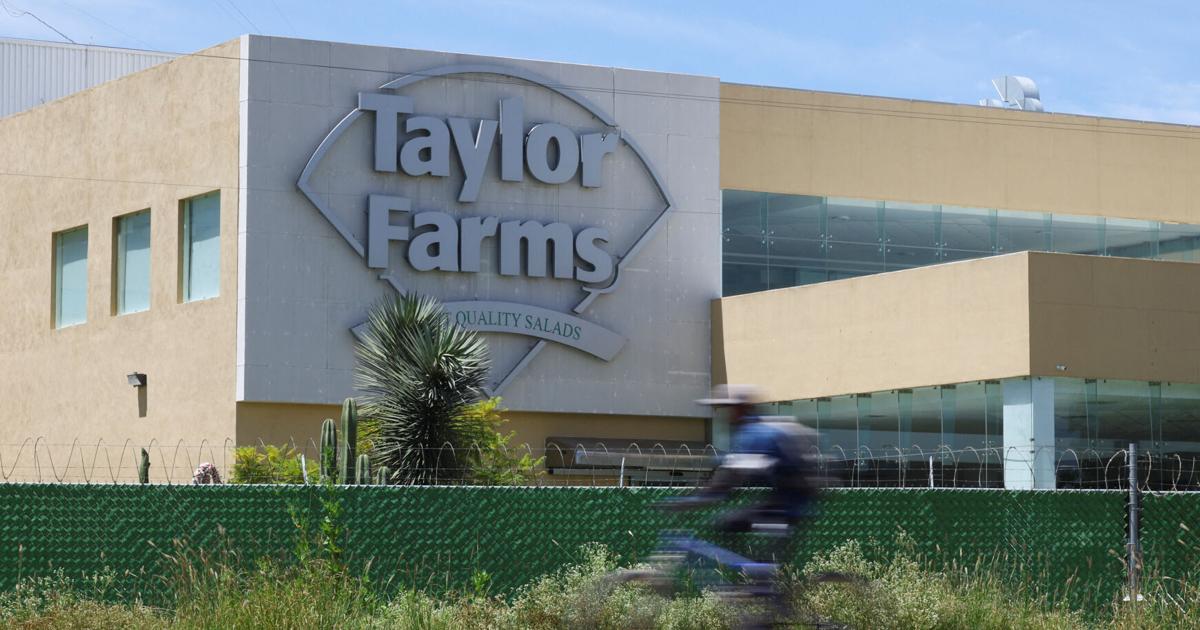
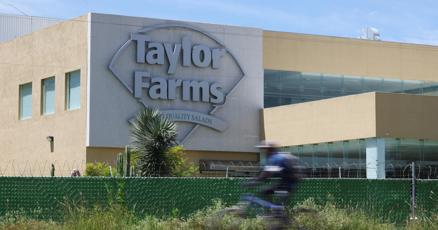
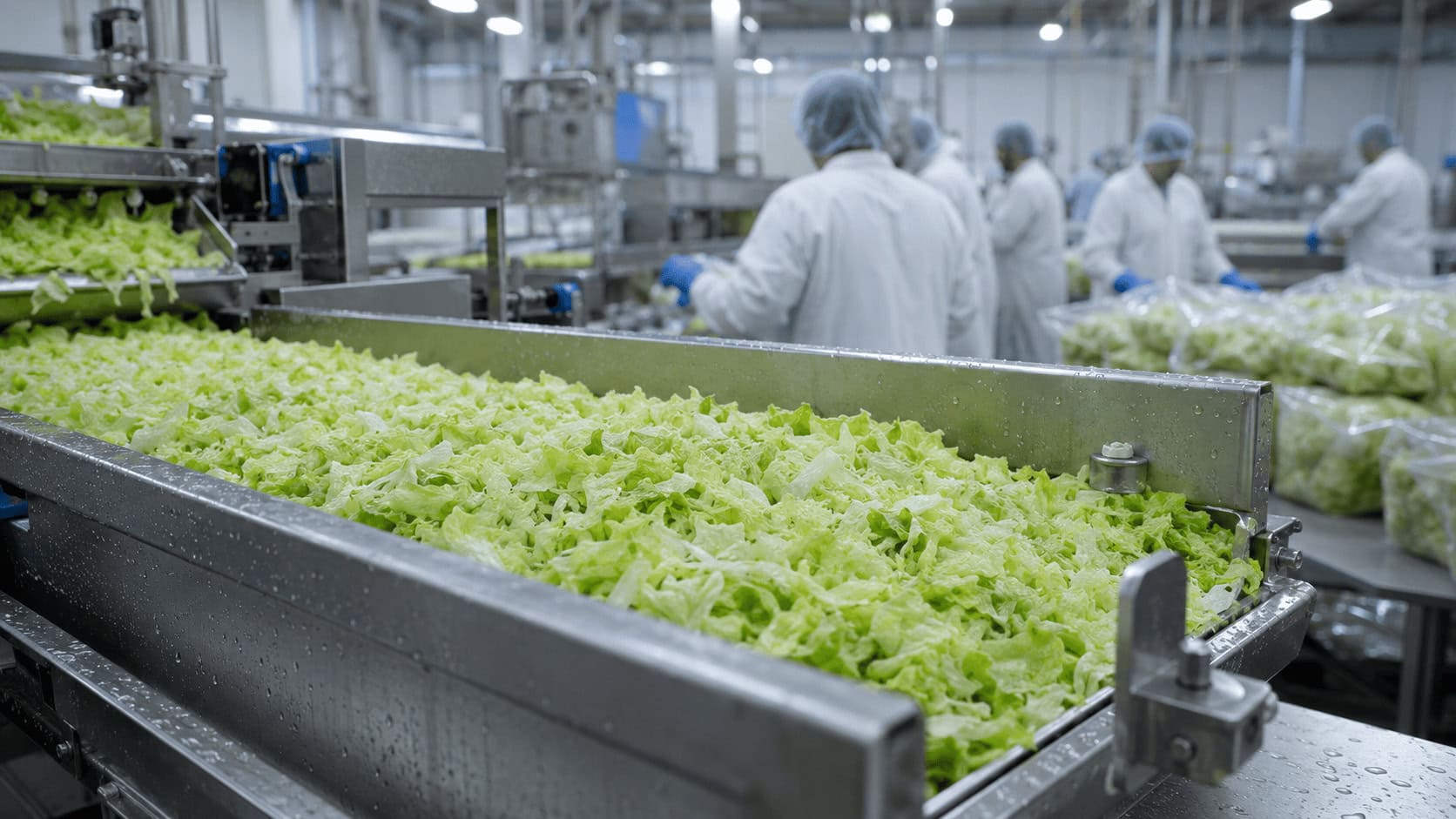
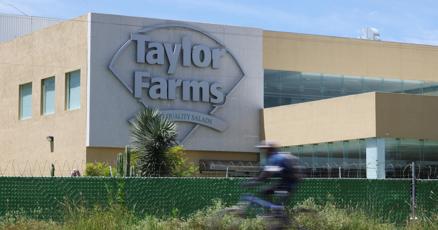
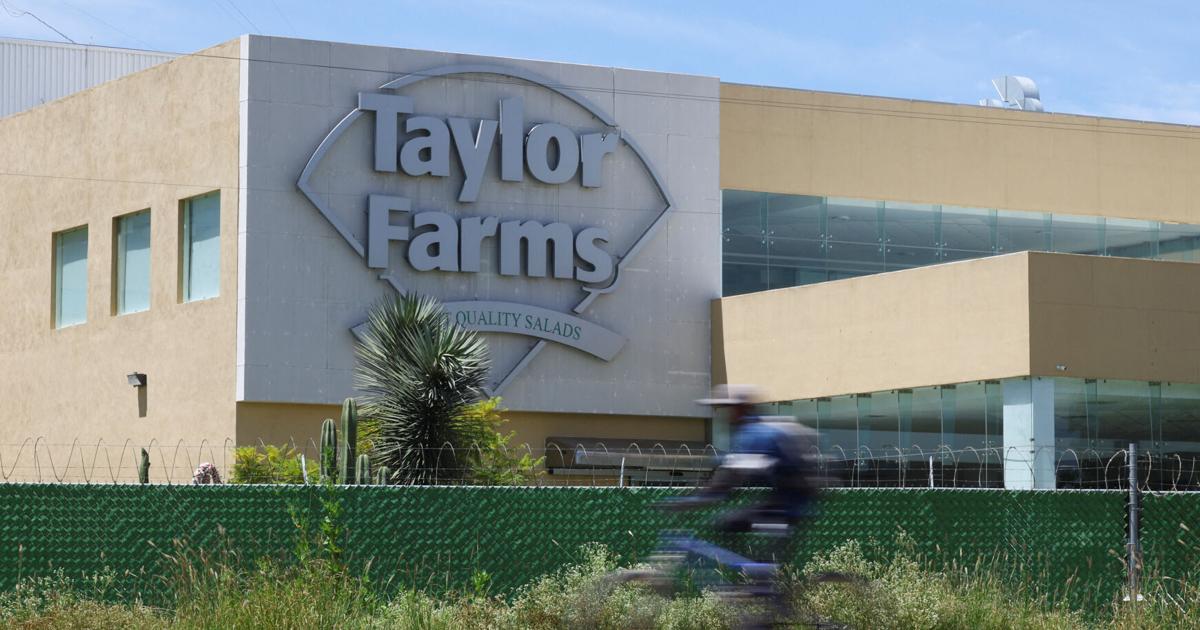
The cyclospora outbreak linked to Taylor Farms represents a critical compliance inflection point for fresh produce sellers on Amazon Fresh, Walmart+, and specialty food marketplaces. The incident—which sickened thousands across multiple states—reveals how inadequate product traceability documentation and weak supplier verification protocols can trigger cascading business damage: voluntary recalls, supply chain disruption, and reputational harm. Taylor Farms' attempt to delay the FDA recall announcement through White House intervention (described by former FDA Commissioner Scott Gottlieb as "not standard operating procedure") underscores the regulatory enforcement intensity around food safety and the severe penalties for non-compliance.
The compliance opportunity is stark: Fresh produce sellers without FSMA (Food Safety Modernization Act) certification, supplier audit documentation, and real-time traceability systems now face existential risk. The FDA's oscillating messaging—initially linking iceberg lettuce to Taylor Farms de Mexico, then reporting false positives, then retracting statements—demonstrates how weak evidence standards can still trigger recalls that devastate compliant suppliers. For sellers, this means the compliance bar is rising regardless of scientific certainty. Sellers must now maintain: (1) documented supplier audits every 12-24 months, (2) lot-level traceability records (farm-to-distribution), (3) third-party food safety certifications (SQF, BRC, FSSC 22000), and (4) rapid recall response protocols. The cost: $15,000-$50,000 annually for small-to-mid producers, but the alternative is market elimination.
Market elimination is accelerating: Taylor Farms' decision to cease iceberg lettuce sourcing from central Mexico for the current growing season signals how recalls force supply chain restructuring. Smaller competitors without diversified sourcing or compliance infrastructure will be forced out. This creates a compliance moat: sellers who achieve FSMA certification and implement blockchain-based traceability (Walmart's requirement for produce suppliers by 2026) will capture market share from non-compliant competitors. The fastest compliance path: engage third-party auditors (SQF certification takes 60-90 days, costs $8,000-$15,000), implement supplier scorecards, and adopt GS1 track-and-trace standards. Sellers on Amazon Fresh and Walmart+ must prioritize this immediately—regulatory enforcement intensity is at a 10-year high, and the next recall could eliminate 30-40% of non-certified suppliers in a category.
Questions 7
What compliance certifications do fresh produce sellers need to avoid recalls on Amazon Fresh and Walmart+?
Fresh produce sellers must obtain **FSMA (Food Safety Modernization Act) certification** and third-party audits (SQF Level 2 or BRC Grade A) to sell on Amazon Fresh and Walmart+. The cyclospora outbreak affecting Taylor Farms demonstrates that even large suppliers face recalls without documented traceability systems. SQF certification takes 60-90 days and costs $8,000-$15,000; FSMA compliance requires supplier verification programs and lot-level tracking. Sellers should prioritize SQF certification within 90 days if currently selling fresh produce on major platforms.
What documentation should sellers maintain to defend against FDA recalls and platform suspensions?
Sellers must maintain: (1) **supplier audit reports** (SQF/BRC certificates, updated annually), (2) **lot-level traceability records** (farm-to-distribution, 12-month retention), (3) **test results** (pathogen testing, pesticide residue, allergen screening), (4) **recall response protocols** (written procedures, contact lists, simulation drills). The cyclospora outbreak shows that Taylor Farms' lack of positive test results didn't prevent recall—documentation of testing procedures and negative results is critical. Sellers should digitize all records (cost: $3,000-$8,000) and conduct quarterly audits. This documentation is essential for defending against platform suspensions and FDA enforcement actions.