


Waymo Robotaxi Safety Data Reveals 68% Lower Crash Rates | Logistics & Insurance Implications for E-Commerce
- IIHS independent study shows autonomous vehicles crash 1.28 times per million miles vs 4.06 for human drivers; reshapes last-mile delivery economics and insurance costs for sellers using autonomous fulfillment networks












Overview
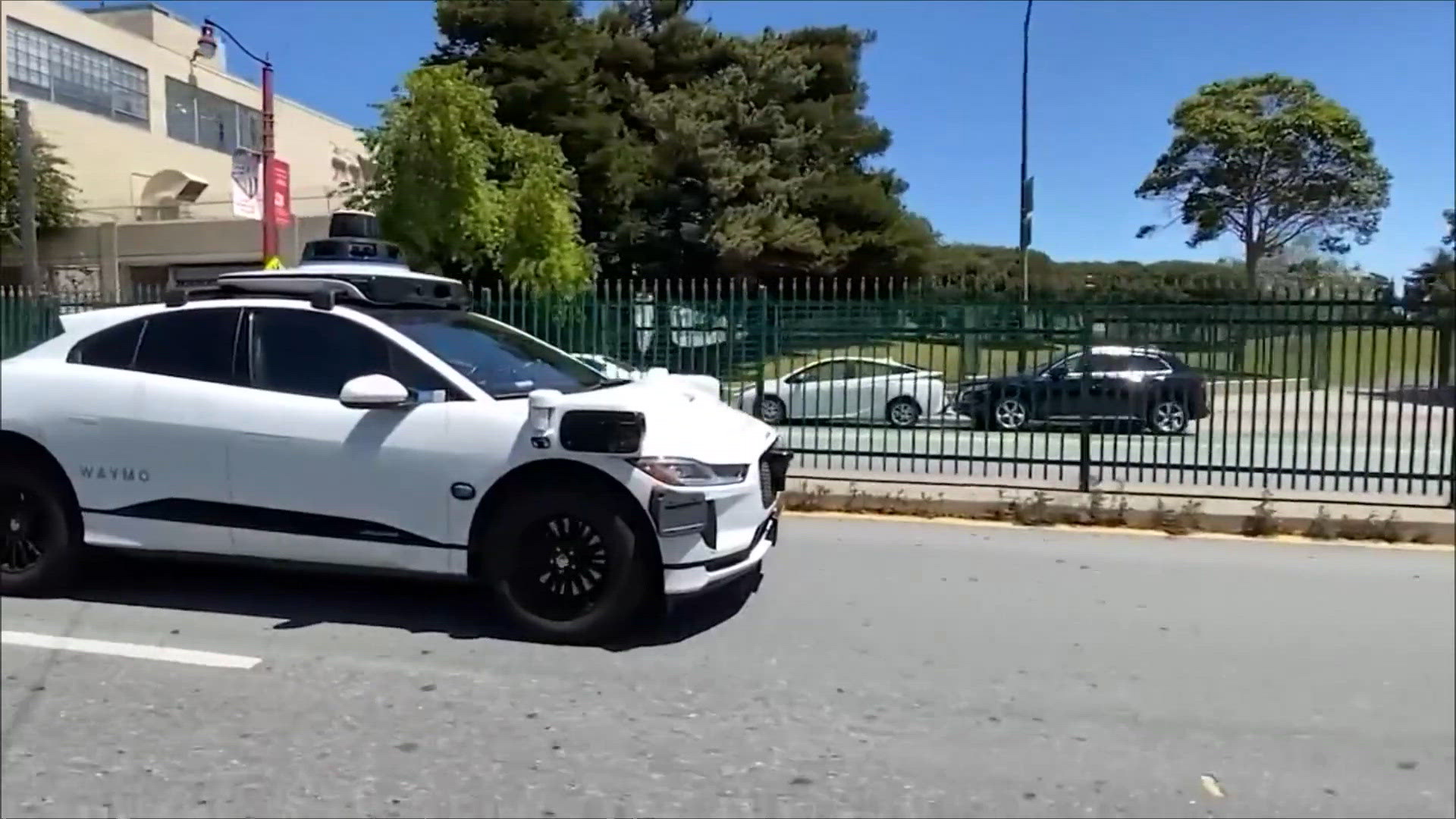
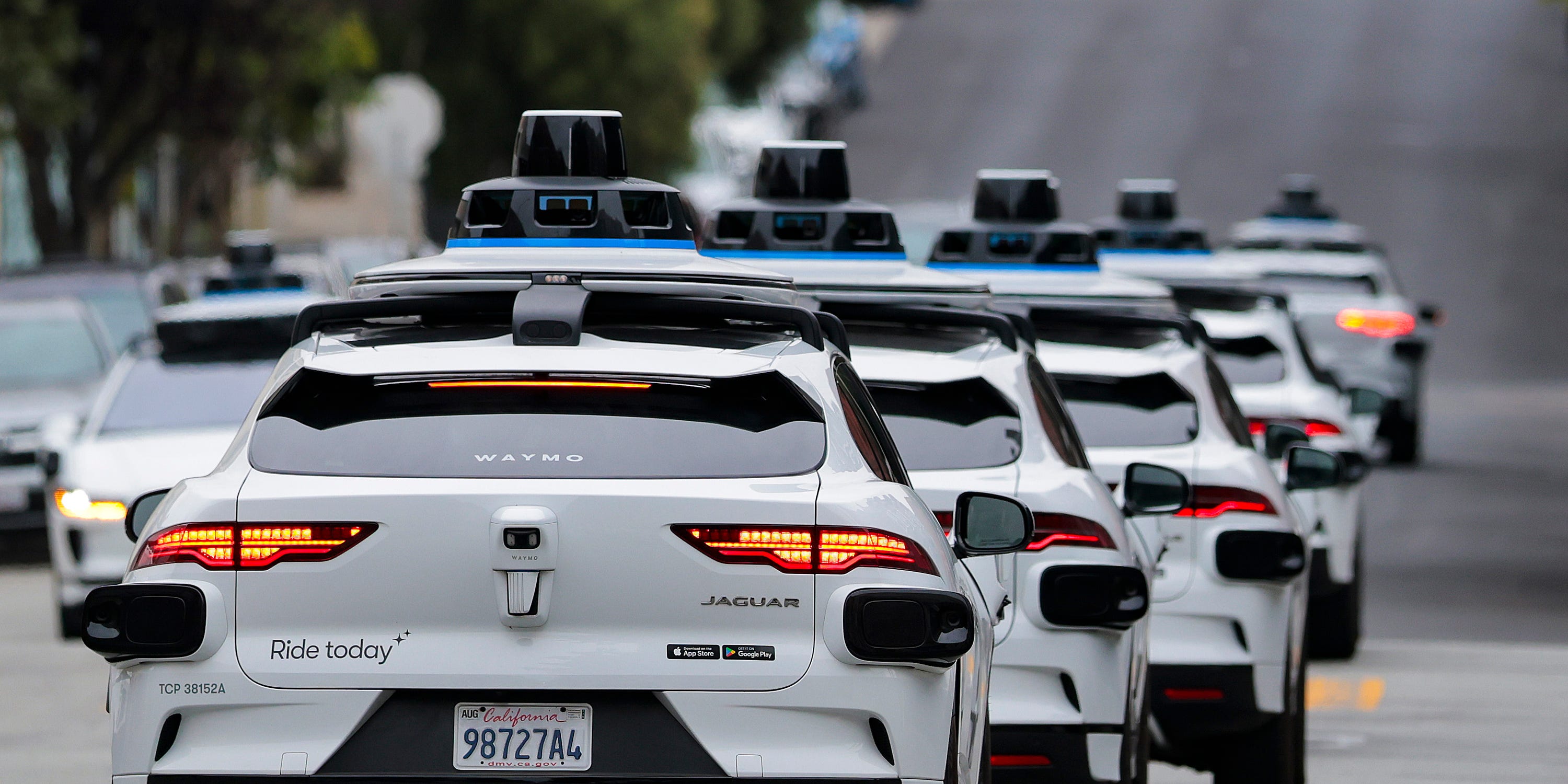
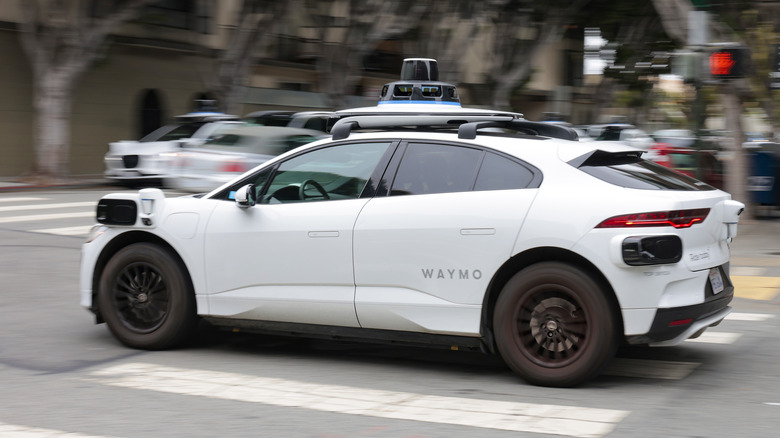
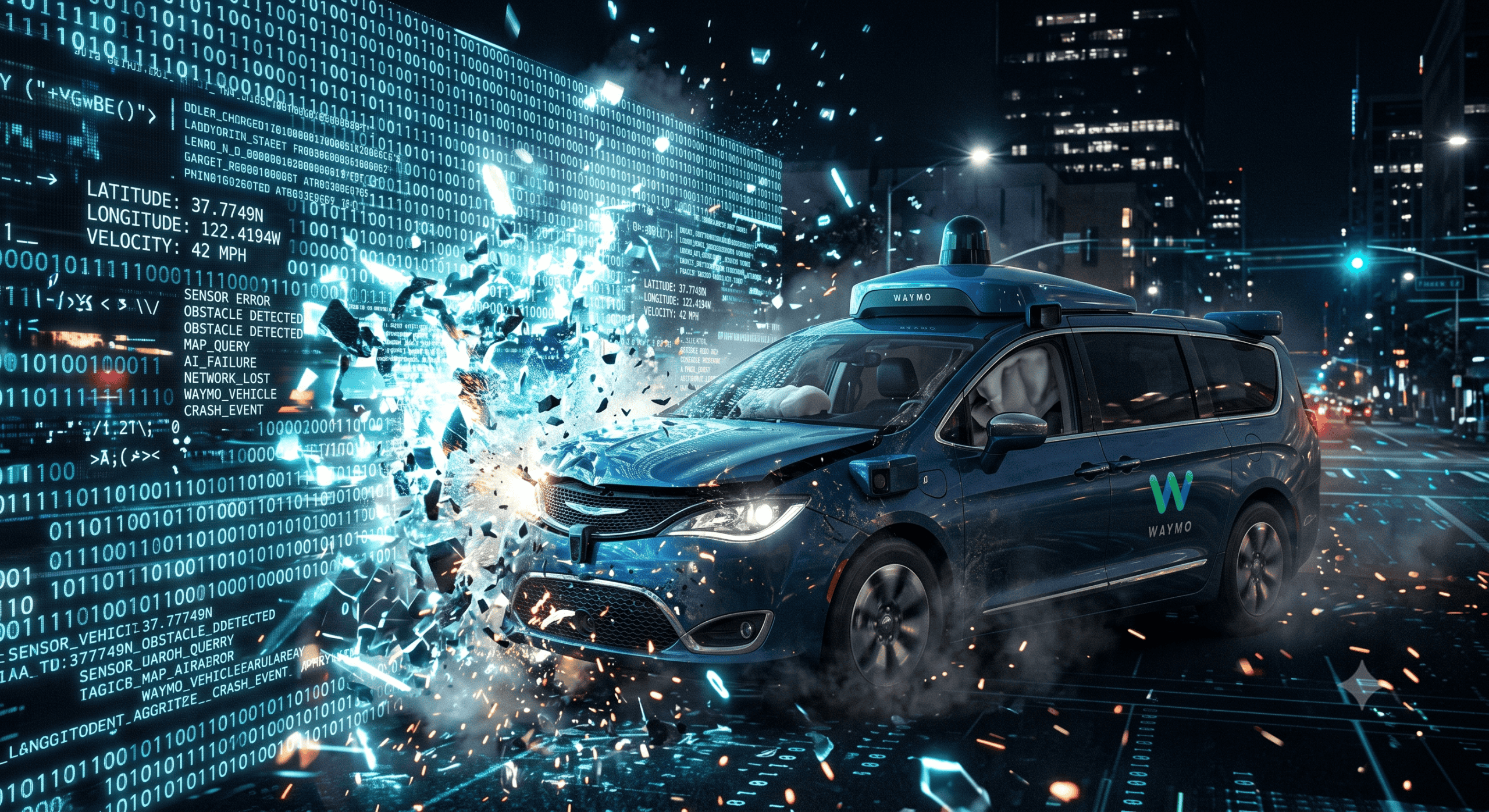
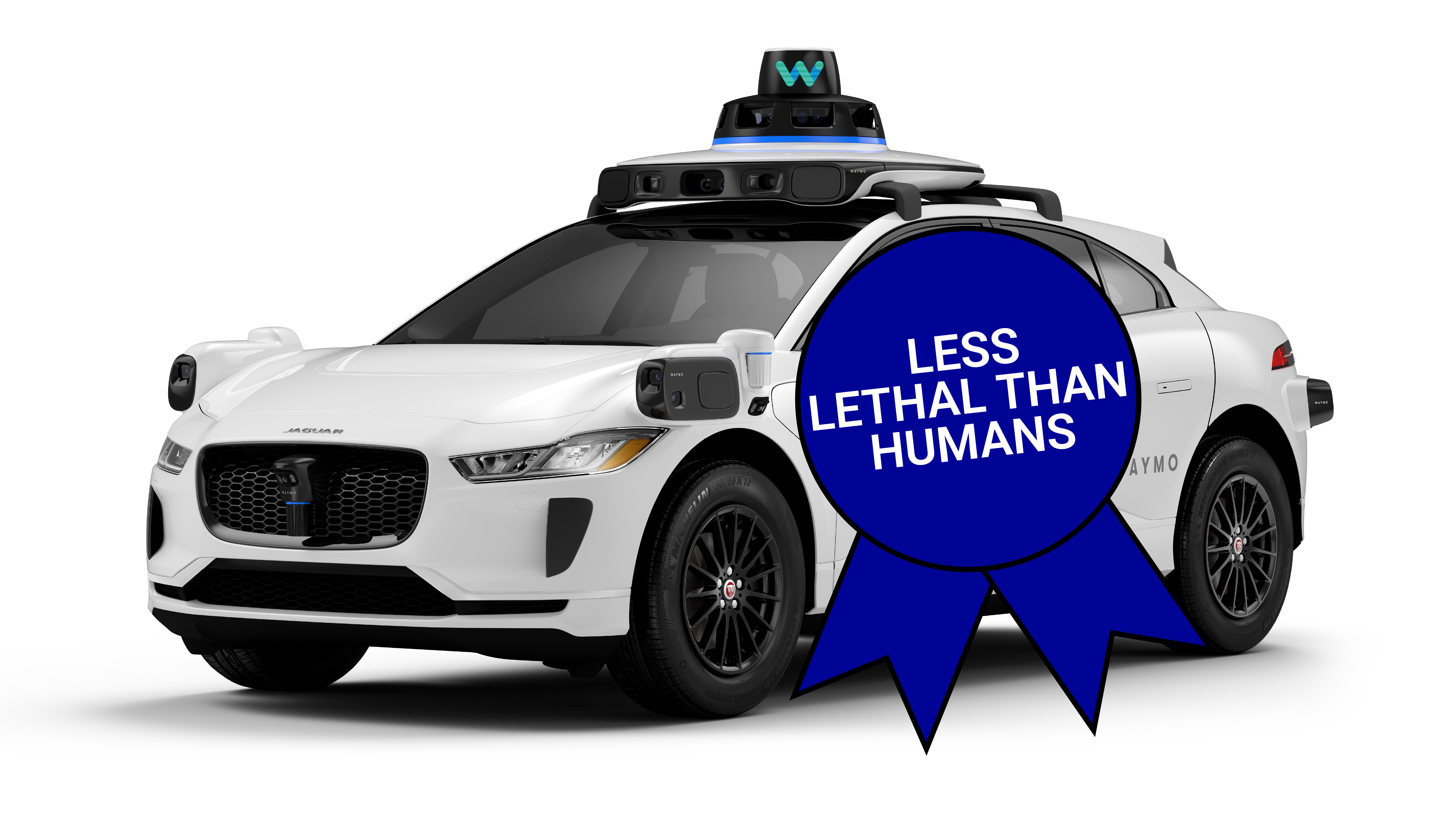
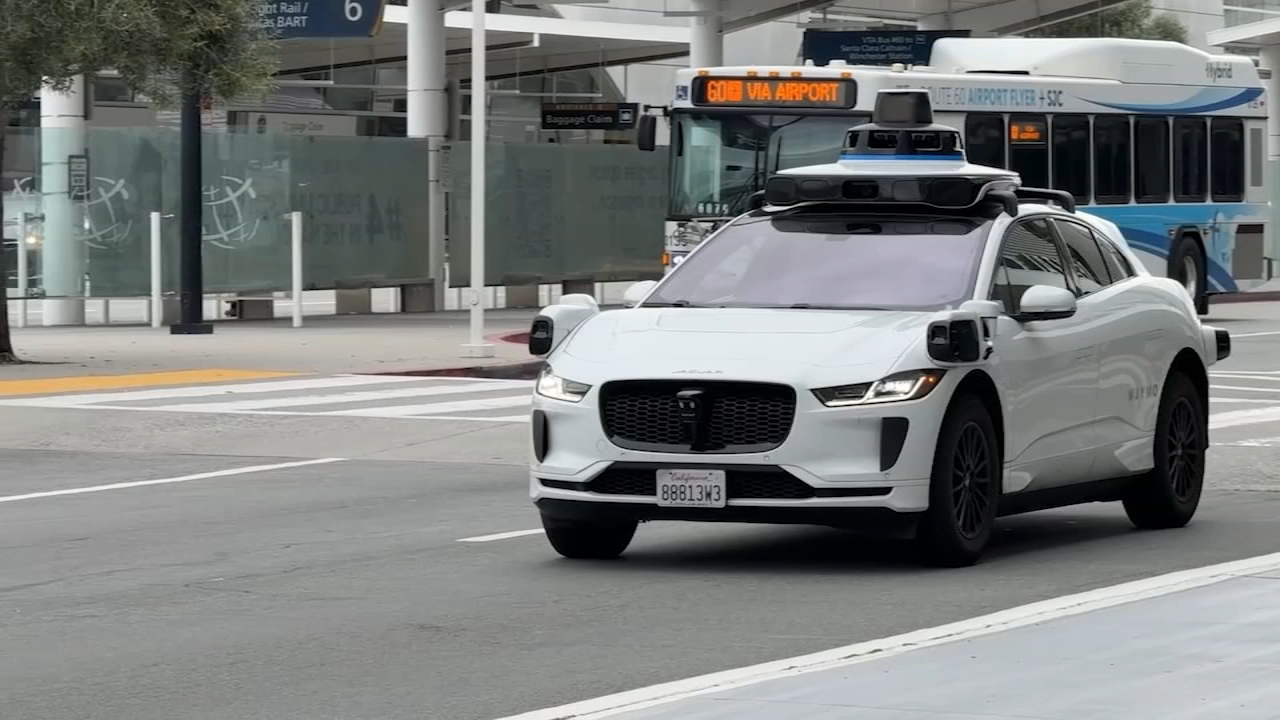
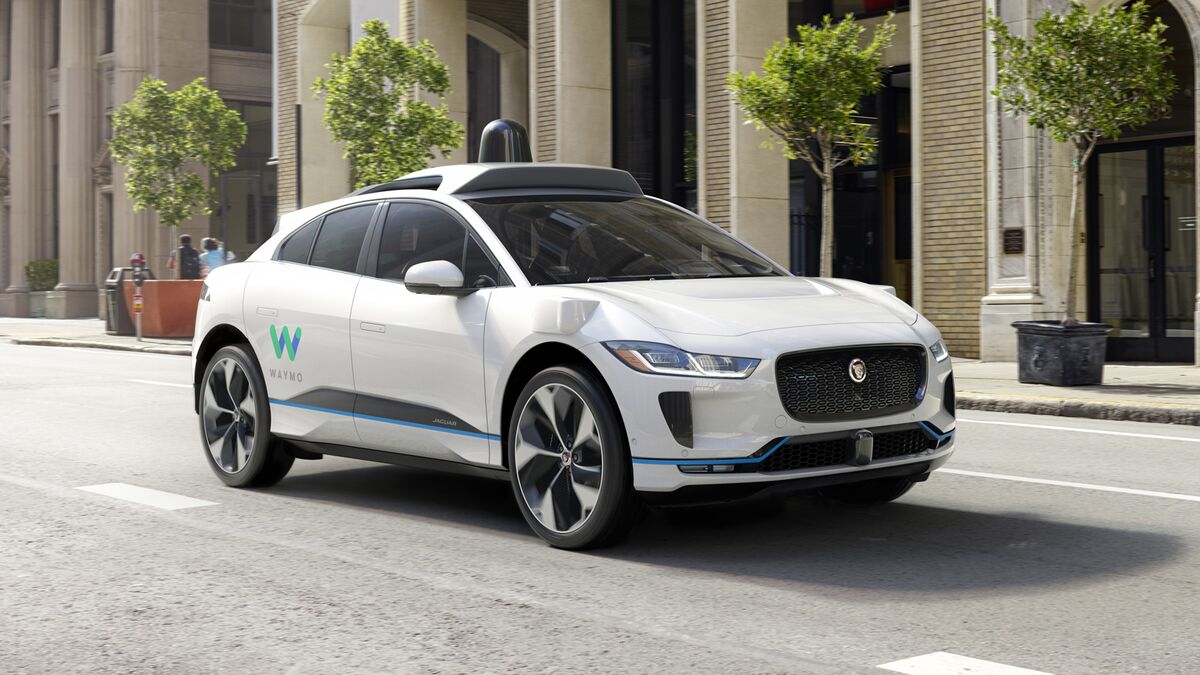
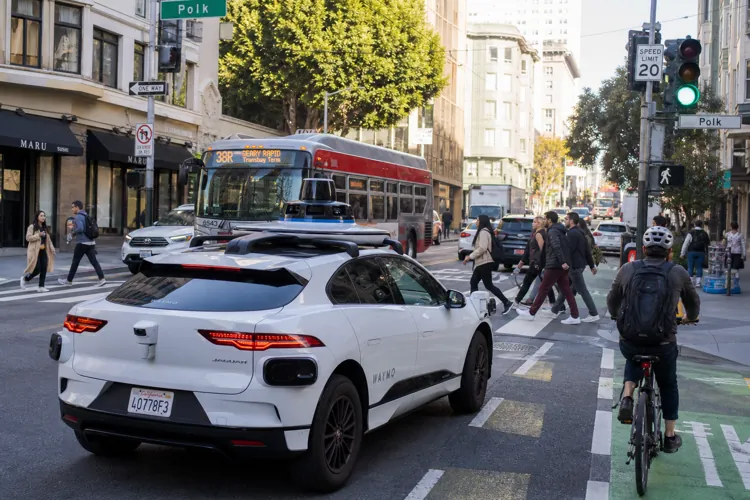
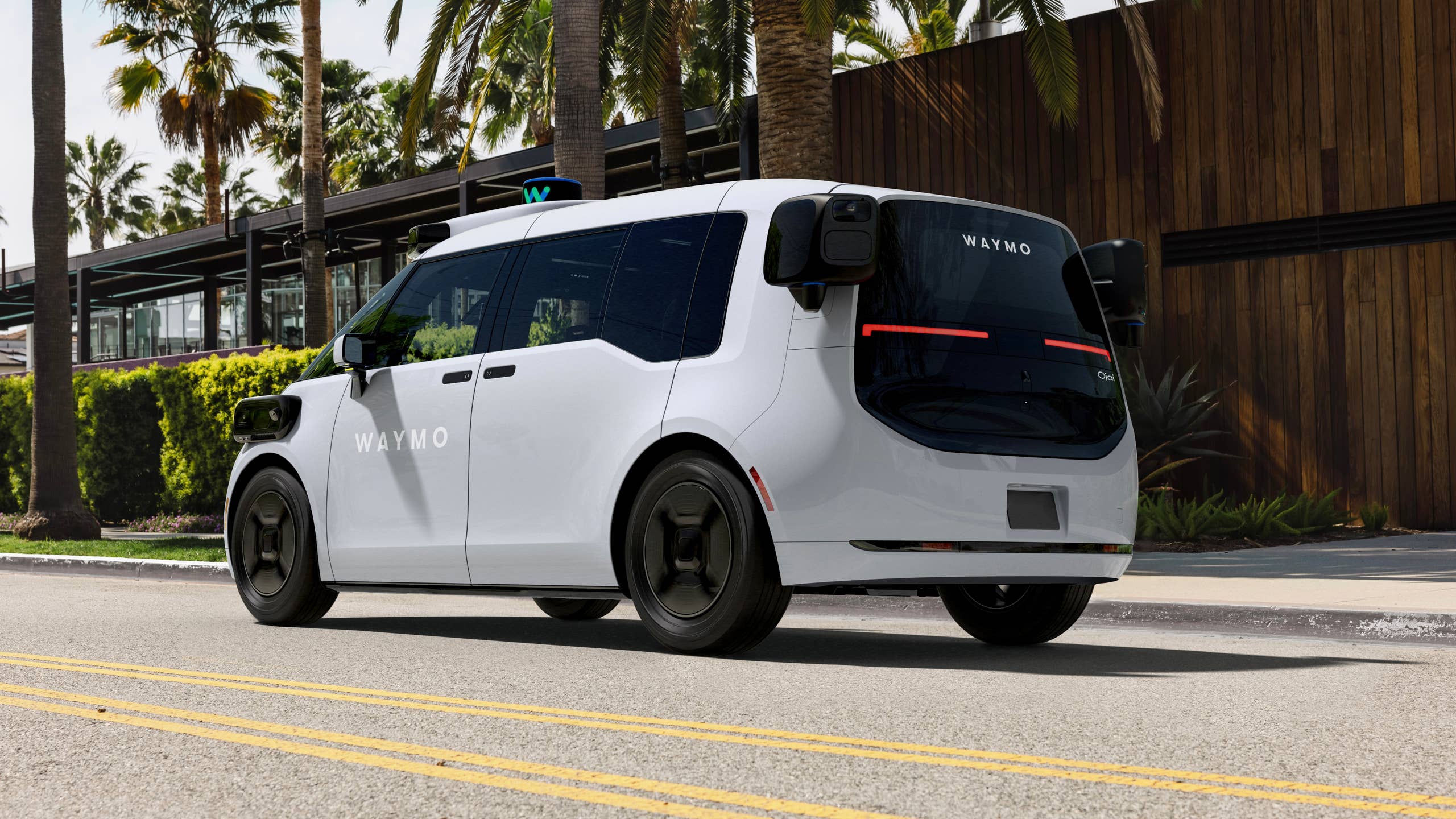
The Insurance Institute for Highway Safety (IIHS) released independent analysis of autonomous vehicle safety data from 2021-2024, finding that Waymo's robotaxis crash 68% less frequently than average human drivers—1.28 crashes per million vehicle miles versus 4.06 for humans across a 50 million mile sample. This validation of autonomous vehicle safety has profound implications for e-commerce logistics infrastructure. As last-mile delivery costs consume 53% of total fulfillment expenses for sellers, autonomous delivery networks represent a potential 15-25% cost reduction opportunity if insurance premiums decline and operational efficiency improves.
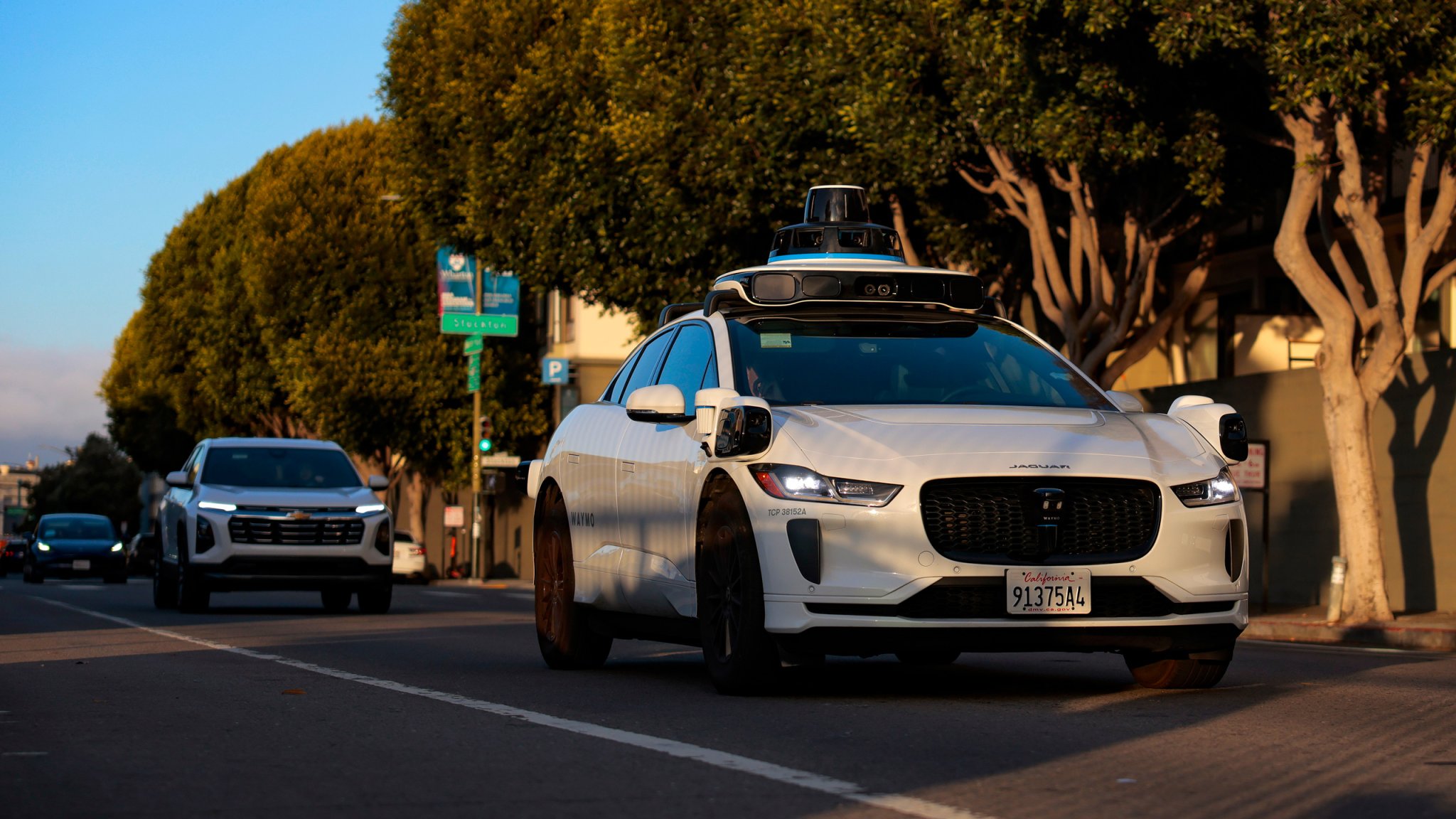
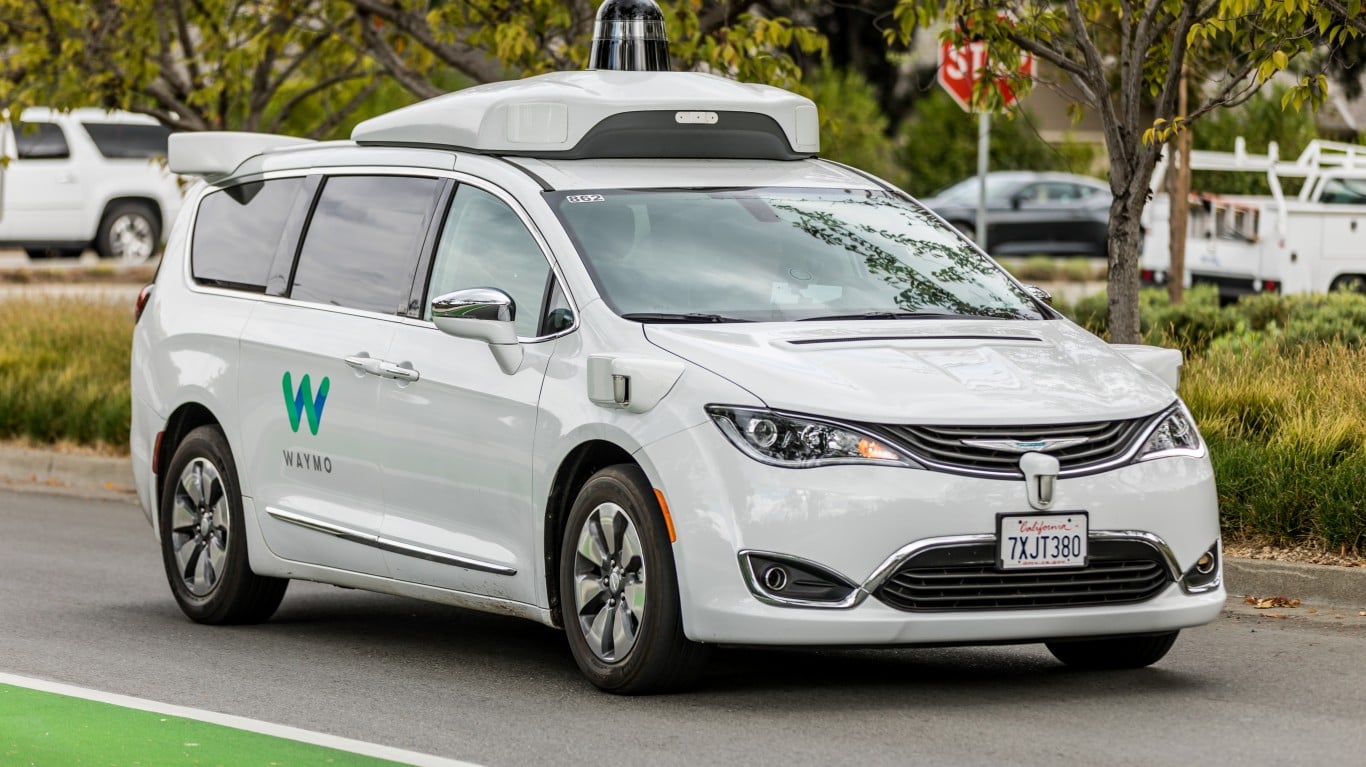
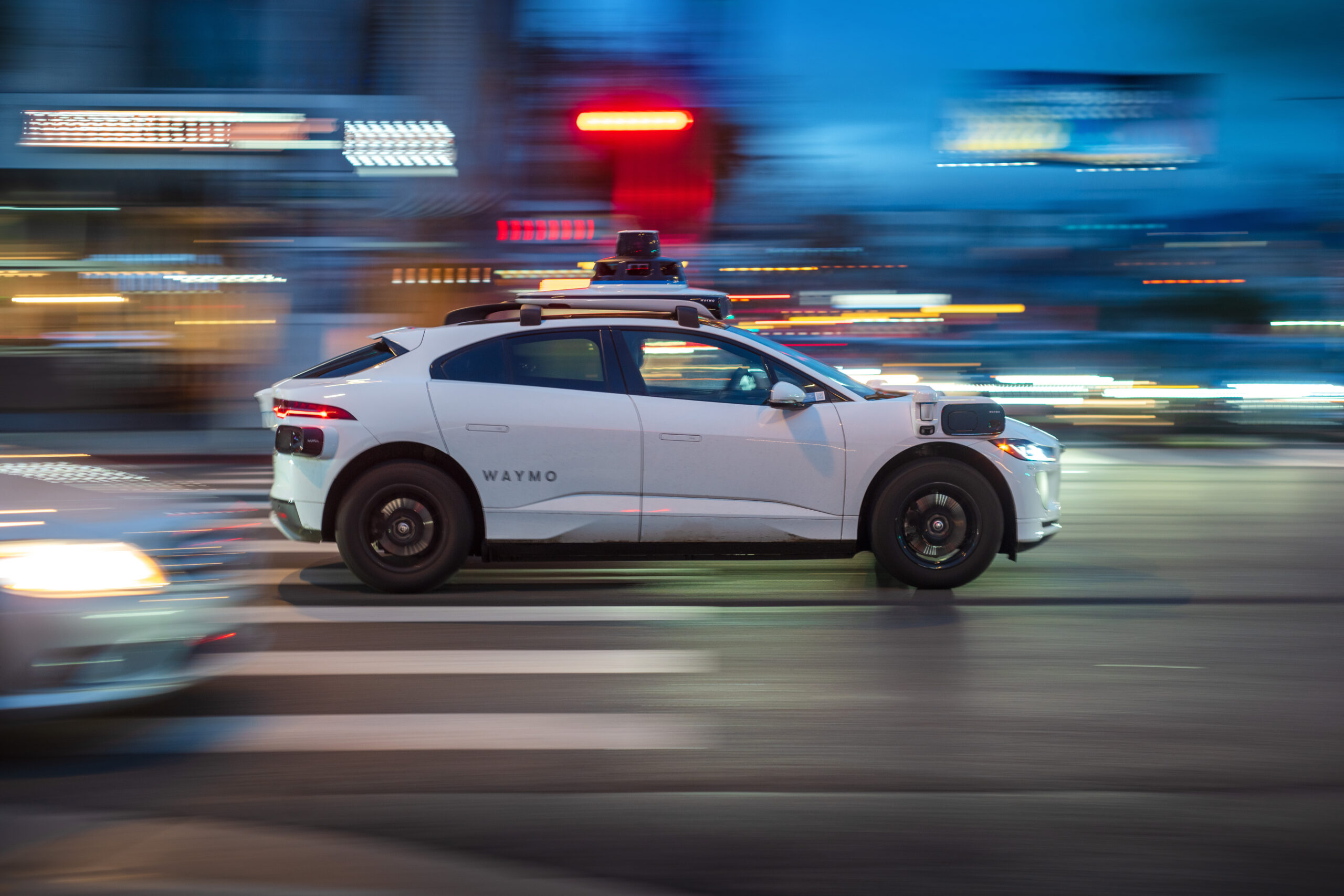
For e-commerce sellers, this data accelerates autonomous delivery adoption timelines. Waymo operates in Phoenix, San Francisco, Los Angeles, and Austin—four of the top 10 U.S. metropolitan areas by e-commerce order density. The IIHS findings validate Waymo's internal claims of 85% reduction in injury-causing crashes and 57% reduction in police-reported crashes, strengthening the business case for retailers and 3PL providers to integrate autonomous delivery into their fulfillment networks. Companies like Amazon (which invested $1.5B in Zoox autonomous vehicles) and Walmart (testing autonomous delivery in multiple cities) can now justify larger capital allocations to autonomous fleets based on independent safety verification.
However, significant caveats limit immediate seller impact. The study compares Waymo against average human drivers—including impaired and fatigued drivers—rather than professional delivery drivers who represent the actual competitive baseline. Waymo operates exclusively on city streets with lower speed limits (half its crashes on streets under 25 mph vs. 8% for human drivers), which understates real-world severity comparisons. The absence of passengers in nearly half of Waymo's miles also reduces injury rates but doesn't reflect actual delivery scenarios with packages. Sample size limitations remain critical: Waymo's 50 million autonomous miles represent only 0.02% of the 222 billion miles driven in study areas during the same period.
The data quality issue presents an AI opportunity for sellers. Autonomous companies must report crashes but aren't required to report autonomous miles driven, creating reporting inconsistencies. Sellers using AI-powered logistics analytics can now leverage this IIHS-validated safety data to model autonomous delivery ROI more accurately, comparing insurance costs, accident liability, and operational efficiency against traditional driver-based fulfillment. For sellers shipping 1,000+ units monthly in Waymo's operating cities, autonomous delivery integration could reduce fulfillment costs by $200-400 monthly within 18-24 months as insurance rates adjust downward based on this independent validation.
Questions 7
What are the key caveats limiting autonomous delivery adoption for sellers?
The IIHS study compares Waymo against average human drivers—including impaired and fatigued drivers—rather than professional delivery drivers who represent the actual competitive baseline. Waymo operates exclusively on city streets with lower speed limits (half its crashes on streets under 25 mph), potentially understating severity comparisons. The absence of passengers in nearly half of Waymo's miles reduces injury rates but doesn't reflect real delivery scenarios with packages. Sample size limitations are significant: Waymo's 50 million autonomous miles represent only 0.02% of the 222 billion miles driven in study areas. Sellers should expect autonomous delivery adoption to remain limited to dense urban areas through 2025-2026.
Which e-commerce categories benefit most from autonomous delivery networks?
High-volume, time-sensitive categories benefit most: same-day delivery groceries, quick commerce (15-30 minute delivery), electronics, and apparel. Amazon Fresh and Whole Foods delivery, Walmart+ same-day, and DoorDash/Instacart rely heavily on last-mile efficiency. These categories currently spend 40-60% of fulfillment budgets on delivery labor. Autonomous networks reduce this to 25-35%, improving margins by 8-12% for sellers in these categories. Lower-volume, lower-urgency categories (furniture, bulk items) see minimal benefit until autonomous networks expand beyond dense urban cores in 2026+.