




CXMT's 470% Shanghai IPO Surge Reshapes Global DRAM Supply | Electronics Sellers Face Cost Compression & Sourcing Shifts
- China's largest chipmaker IPO ($8.6B) captures 7.6% global DRAM market; memory price cycle peaks through 2027 before normalization; electronics sellers sourcing from China gain 5-15% cost advantages on smartphones, laptops, IoT devices







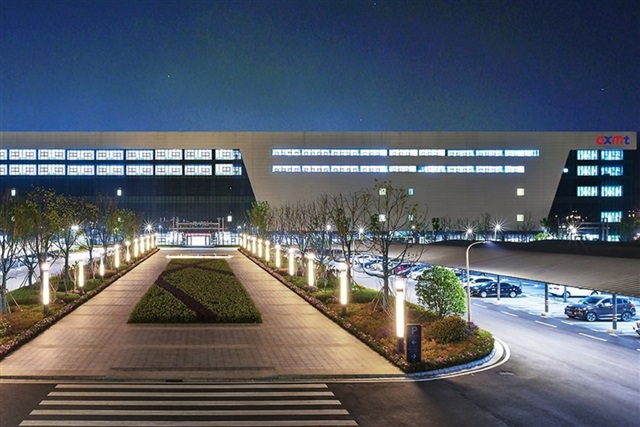


Overview
CXMT Corp's historic Shanghai Stock Exchange debut on July 27, 2026, represents a critical inflection point for global semiconductor supply chains and cross-border electronics sellers. The Hefei-based memory chipmaker raised 57.92 billion yuan ($8.6 billion) in Asia's largest IPO of 2026, with shares surging 470% from the 8.66 yuan IPO price to 49.50 yuan in opening trades, catapulting CXMT to become China's most valuable listed company at 3.3 trillion yuan ($487.31 billion)—surpassing ICBC. This explosive valuation reflects investor confidence in China's semiconductor self-sufficiency strategy and the AI-driven memory supercycle, but masks critical supply-demand dynamics that will reshape electronics sourcing economics through 2027.
For cross-border electronics sellers, CXMT's market entry creates a three-phase opportunity window. First, the immediate phase (July-December 2026) offers temporary cost advantages as CXMT's 7.67% global DRAM market share (up from 4.7% in Q1 2026) absorbs demand that Samsung (39%), SK Hynix (29%), and Micron (22%) cannot fulfill during the AI shortage. Chinese electronics manufacturers sourcing CXMT's conventional DRAM—which comprises 98% of the company's revenue—can reduce component costs by 5-15% compared to incumbent suppliers, directly benefiting sellers in consumer electronics, smartphones, laptops, and IoT categories. Apple's recent testing of CXMT's DRAM for China-market devices signals growing international adoption, validating quality parity with legacy suppliers.
However, the medium-term outlook (2027-2028) presents significant margin compression risks. CXMT's IPO proceeds (potentially reaching 66.61 billion yuan with overallotment) will fund mass production capacity expansion and next-generation DRAM development, directly addressing supply constraints. Historically, memory booms conclude when capacity built during peak years arrives simultaneously, compressing prices. Micron's fiscal 2023 experience—a 5.8 billion yuan net loss during the previous downturn—illustrates the volatility cycle. Industry analysts including TrendForce's Ellie Wong project memory price increases through 2027 driven by AI demand, but warn that current elevated margins (Micron's Q3 2026 gross margins at 86%) are temporary. Theodore Shou (Yiyi Capital CEO) explicitly cautioned that "current demand-supply imbalance and exceptional profitability are temporary market conditions." Only 6.73% of CXMT's shares were freely tradable at listing, with most locked up, creating potential for significant price volatility that could drain liquidity from China's broader market.
The strategic implication for sellers is clear: lock in CXMT-sourced component pricing now while cost advantages persist, but prepare inventory strategies for 2027-2028 margin normalization. Sellers in electronics categories should accelerate sourcing agreements with Chinese manufacturers leveraging CXMT's domestic supply advantage, targeting 10-20% gross margin improvements in H2 2026 before the memory cycle peaks. Simultaneously, monitor CXMT's production ramp timeline and competitor capacity additions—any acceleration in supply expansion could compress the current pricing window from 12-18 months to 6-9 months. U.S. export controls on advanced chipmaking technology (noted by Morningstar analyst Jing Jie Yu as a longer-term headwind) may limit CXMT's ability to develop high-bandwidth memory (HBM) for AI accelerators, keeping the company confined to commodity DRAM where price competition is most intense. This creates a bifurcated market: premium AI-focused buyers will continue paying shortage-driven prices for Micron/SK Hynix HBM, while mainstream electronics sellers can exploit CXMT's conventional DRAM cost advantage in the near term.
Questions 8
How does CXMT's 7.67% global DRAM market share impact component costs for electronics sellers?
CXMT's rapid market share growth from 4.7% to 7.67% in one quarter directly reduces component costs for Chinese electronics manufacturers by 5-15%, according to industry analysis. The company's conventional DRAM (98% of revenue) competes on price with Samsung, SK Hynix, and Micron, creating immediate cost advantages for sellers sourcing smartphones, laptops, and IoT devices from China. However, this pricing advantage is temporary—analysts project memory prices will normalize in 2027-2028 as CXMT's IPO-funded capacity expansion comes online, similar to Micron's 5.8 billion yuan loss during the 2023 downturn. Sellers should lock in CXMT-sourced component agreements by Q4 2026 to maximize the current cost window.
What does CXMT's IPO success signal about China's semiconductor self-sufficiency goals?
CXMT's 470% Shanghai debut and 3.3 trillion yuan valuation (surpassing ICBC) demonstrates Beijing's strategic success in building domestic semiconductor champions. The company's 57.92 billion yuan IPO proceeds will fund mass production of memory wafers and R&D, directly supporting the Made in China 2025 initiative. Apple's testing of CXMT's DRAM for China-market devices signals growing international adoption and quality parity. For cross-border sellers, this means Chinese electronics manufacturers will increasingly source memory chips domestically rather than importing from Western suppliers, reducing supply chain dependencies and improving production stability. However, U.S. export controls on advanced chipmaking technology limit CXMT's ability to develop high-bandwidth memory (HBM) for premium AI applications, keeping the company focused on commodity DRAM where price competition is most intense.