


Chinese AI Models Disrupt E-Commerce Automation | 60-80% Cost Savings for Sellers
- Moonshot Kimi K3 and DeepSeek models enable sellers to automate pricing, product research, and customer service at 1/50th the cost of OpenAI alternatives





Overview
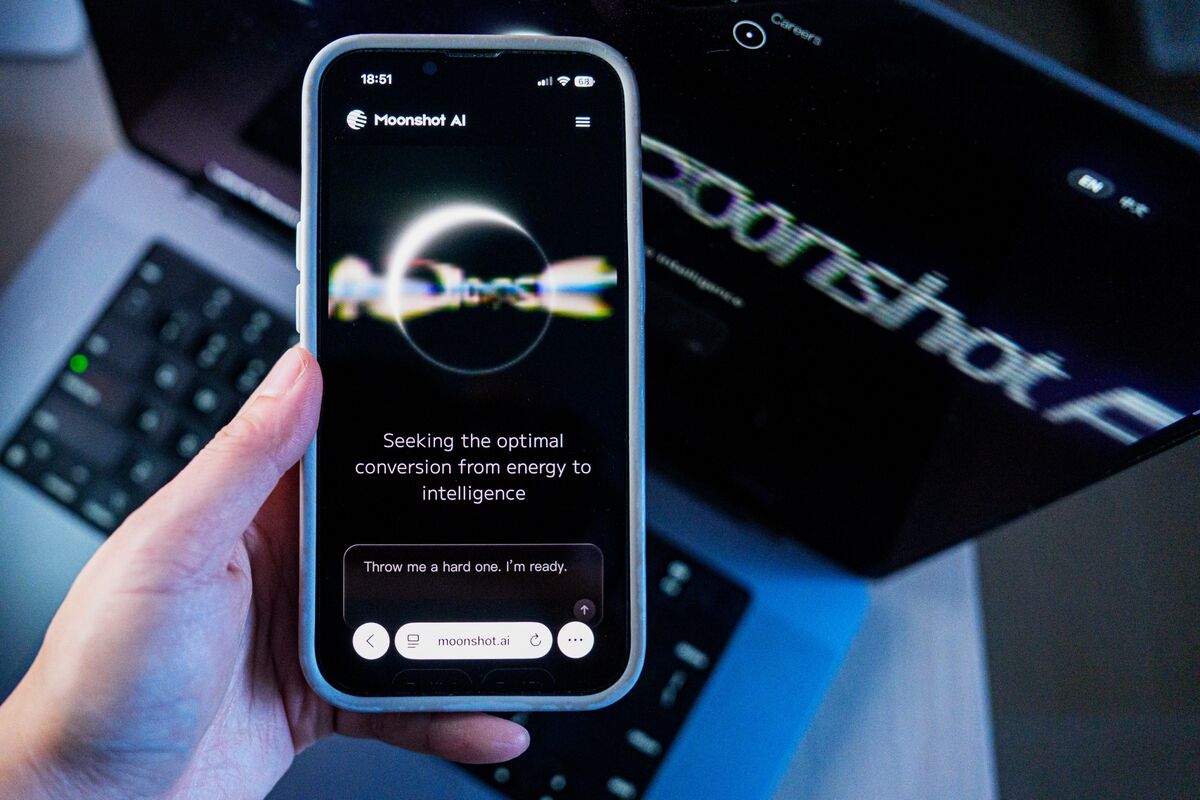
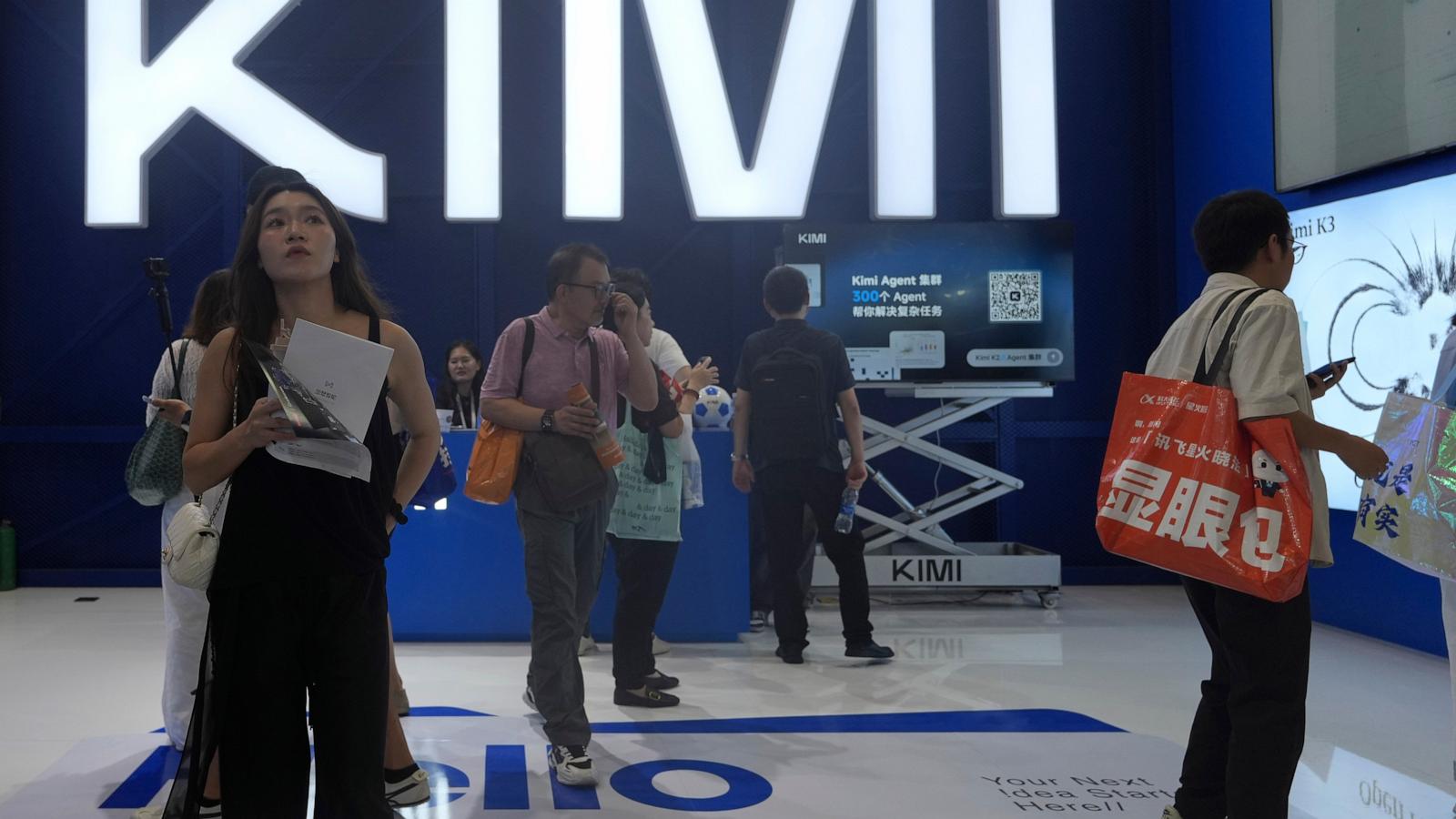
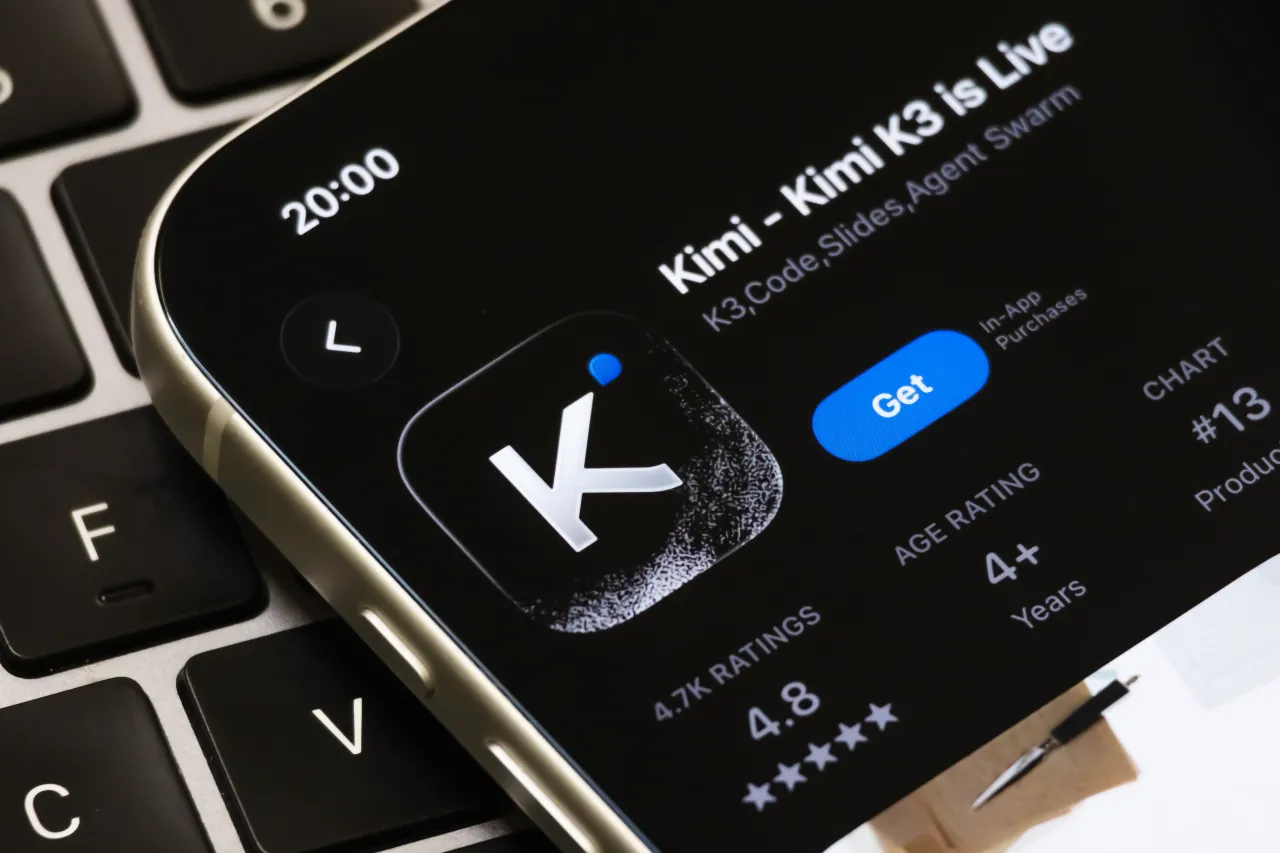
Chinese AI models are fundamentally reshaping e-commerce automation economics, creating an immediate competitive advantage for sellers who adopt them. The news reveals a critical market inflection: Chinese models like Moonshot's Kimi K3 (930,000 downloads in one week, 387% US adoption surge) and Alibaba's Qwen3.8 Max are now matching frontier AI capabilities at 1/50th the token cost—developers paying cents per million tokens versus $30-50 for OpenAI/Anthropic alternatives. For e-commerce sellers, this translates to automating product research, dynamic pricing, inventory forecasting, and customer service at dramatically reduced operational costs.
Immediate Automation Opportunities for Sellers: The cost differential is particularly significant for agentic AI applications requiring autonomous multistep task execution—exactly what e-commerce sellers need. A seller currently spending $500-1,000/month on ChatGPT API for product listing optimization, competitor price monitoring, and customer support automation can reduce this to $10-20/month using Chinese models. Kimi K3's speed advantage (praised by Mozilla CTO) makes it ideal for real-time inventory management and dynamic pricing adjustments. Z.ai (Zhipu) and Moonshot's open-source architecture enables sellers to self-host models, eliminating API dependency and recurring costs entirely. For Amazon FBA sellers managing 1,000+ SKUs, this represents $6,000-12,000 annual savings in AI infrastructure alone.
Competitive Intelligence & Data-Driven Insights: The Goldman Sachs research confirming "critical adoption thresholds" indicates Chinese models are crossing the viability threshold for production use. OpenRouter platform data showing top-5 models are Chinese signals market validation. Sellers can now use these models for: (1) Real-time competitor price scraping and dynamic repricing (reducing manual monitoring by 90%), (2) Automated product description generation and A+ content creation (saving 5-10 hours/week per category manager), (3) Customer review sentiment analysis and response automation (handling 100+ reviews/day with zero human intervention), (4) Predictive demand forecasting for inventory optimization (reducing stockouts by 20-30% and overstock by 15-25%). The open-source nature means sellers avoid vendor lock-in and can customize models for category-specific needs.
Risk Considerations & Strategic Timing: U.S. Treasury Secretary Scott Bessent's sanctions warnings and Trump administration accusations of model distillation create regulatory uncertainty. However, the 6-12 month window before potential restrictions represents a critical adoption window. Sellers should implement Chinese AI solutions NOW for non-sensitive operations (pricing, product research, basic customer service) while monitoring regulatory developments. Z.ai's 132% revenue growth but 60% net loss increase signals sustainability concerns—sellers should diversify across multiple Chinese providers (Moonshot, Alibaba, Z.ai) rather than betting on single vendors. The competitive advantage duration is likely 12-24 months before U.S. models match pricing or regulations restrict access.
Questions 8
How much can sellers save by switching from OpenAI to Chinese AI models?
Sellers can reduce AI infrastructure costs by 95-98%. The news reports developers paying cents per million tokens for Chinese models versus $30-50 for OpenAI/Anthropic alternatives. For a seller spending $500-1,000/month on ChatGPT API for product research, pricing optimization, and customer service, switching to Moonshot Kimi K3 or Alibaba Qwen3.8 reduces costs to $10-20/month. For large sellers managing 5,000+ SKUs with continuous AI-driven operations, annual savings reach $60,000-120,000. The cost advantage is most dramatic for agentic AI applications requiring autonomous multistep task execution—exactly what inventory management and dynamic pricing demand.
Which Chinese AI models are best for e-commerce automation tasks?
Moonshot's Kimi K3 is optimal for real-time applications due to its speed advantage (praised by Mozilla CTO) and 930,000 downloads in one week indicating production-ready stability. Alibaba's Qwen3.8 Max offers near-frontier capabilities for complex tasks like demand forecasting and competitor analysis. Z.ai (Zhipu) provides open-source options for sellers wanting to self-host and avoid API dependency. For specific use cases: Kimi K3 for dynamic pricing and inventory monitoring (real-time speed critical), Qwen3.8 for product description generation and content creation (quality parity with Claude), Z.ai for custom model fine-tuning on seller-specific data. The open-source architecture of most Chinese models enables sellers to customize for category-specific needs without vendor lock-in.