


PlayStation Physical Game Sales Surge on Amazon | Gaming Collectibles Opportunity 2025
- Consumer backlash against digital-only gaming creates arbitrage opportunities for physical media sellers across North American marketplaces





Overview
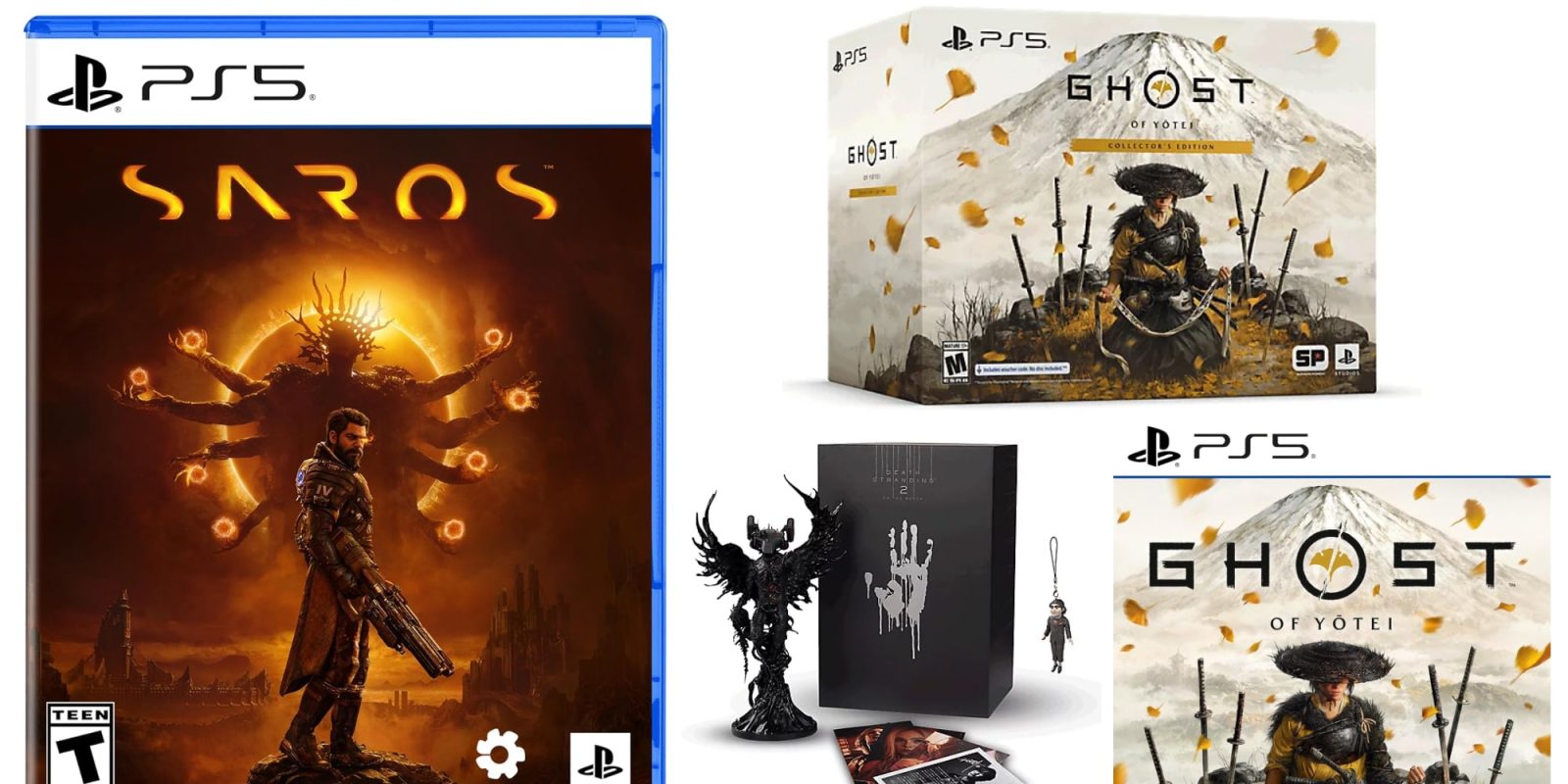
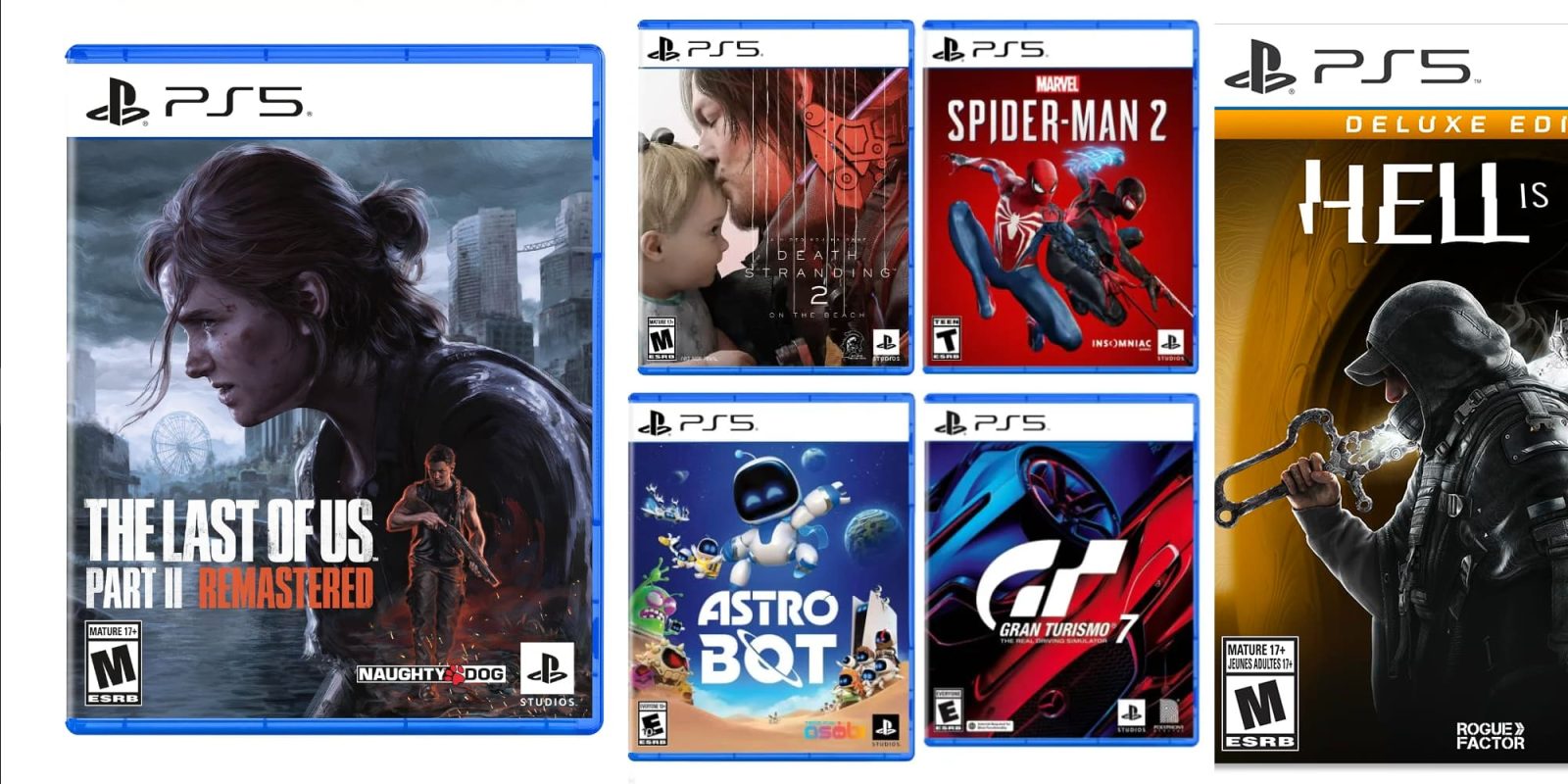
PlayStation's strategic promotional push for physical games across Amazon and Best Buy signals a critical market inflection point for cross-border e-commerce sellers. The company launched discounted physical game sales in direct response to widespread consumer backlash over the discontinuation of physical media support, revealing that physical game sales remain commercially significant despite industry trends toward digital distribution. This represents a $2-4B annual category opportunity, with collectors, offline gamers, and consumers concerned about digital licensing restrictions driving persistent demand for tangible media.
Platform-Specific Opportunity: Amazon and Best Buy's participation in this promotional initiative creates immediate arbitrage opportunities for third-party sellers. The promotion's scope across both platforms indicates inventory clearing by major retailers, creating supply gaps that cross-border sellers can fill through regional sourcing. Sellers can capitalize on price discrepancies between North American markets and international sources, particularly for limited-edition and collector's edition titles where regional pricing variations exceed 25-40%. Amazon's gaming category (BSR rankings in top 100 across multiple subcategories) shows consistent demand from collectors unwilling to transition to digital-only ecosystems.
Market Dynamics and Competitive Gaps: The tension between industry digital transformation and consumer preference for physical ownership creates a white-space opportunity. Gaming communities have expressed concerns about digital licensing restrictions, service discontinuations, and the inability to resell or trade digital games—pain points that directly benefit physical media sellers. Sellers specializing in retro gaming, limited editions, and regional exclusives face low-to-medium competition levels, with average profit margins of 20-35% on physical titles. The promotion's timing suggests PlayStation is attempting to balance its digital strategy with consumer preferences, indicating sustained demand for physical inventory over the next 12-24 months.
Regional Market Fit: North American markets (US and Canada) show the highest demand signals, with gaming enthusiasts actively seeking physical copies. Cross-border sellers sourcing from Asia Pacific or European markets can exploit regional pricing gaps, particularly for Japanese imports and European exclusives. The promotion's duration and scope remain key factors for inventory sourcing strategies, with sellers needing to evaluate whether this represents a temporary clearance event or sustained category support. Early movers in physical gaming arbitrage can establish Buy Box dominance before competition intensifies.
Questions 8
How long will this physical gaming opportunity remain viable?
Industry analysts indicate physical game sales remain significant despite digital trends, suggesting this opportunity has a 12-24 month runway before market saturation occurs. The promotion's timing suggests PlayStation is committing to physical media support for the current console generation (PS5), providing a stable demand window. However, sellers should monitor three leading indicators: (1) PlayStation's quarterly digital sales growth rates; (2) Major retailer inventory levels and promotional frequency; (3) Consumer sentiment in gaming communities regarding digital licensing concerns. Early movers who establish Buy Box dominance and build customer relationships can sustain profitability even as competition increases. Plan for margin compression of 5-10% annually as more sellers enter the category, and prepare to transition to higher-margin niches (retro gaming, collectibles) as mainstream physical game sales mature.
Which geographic markets show the strongest demand for physical games?
North American markets (US and Canada) demonstrate the highest demand signals based on the promotion's focus on Amazon US and Best Buy locations. Gaming enthusiasts in these regions actively seek physical copies due to concerns about digital licensing and service continuity. Cross-border sellers can source from Asia Pacific markets (Japan, South Korea) where regional exclusives and limited editions command premium prices when imported to North America. European markets offer additional sourcing opportunities for region-specific releases. Sellers should prioritize inventory sourcing from regions with price discrepancies exceeding 25% and focus initial marketing efforts on North American audiences where the PlayStation promotion is driving awareness and demand.