



China's Semiconductor IPO Boom Reshapes E-Commerce Tech Costs | AI Chip Self-Sufficiency Drives Supply Chain Shifts
- Two blockbuster Chinese chip IPOs (470% surge + CXMT listing) signal 3-6 month window for sellers to optimize AI tool costs and electronics sourcing before component prices stabilize











Overview
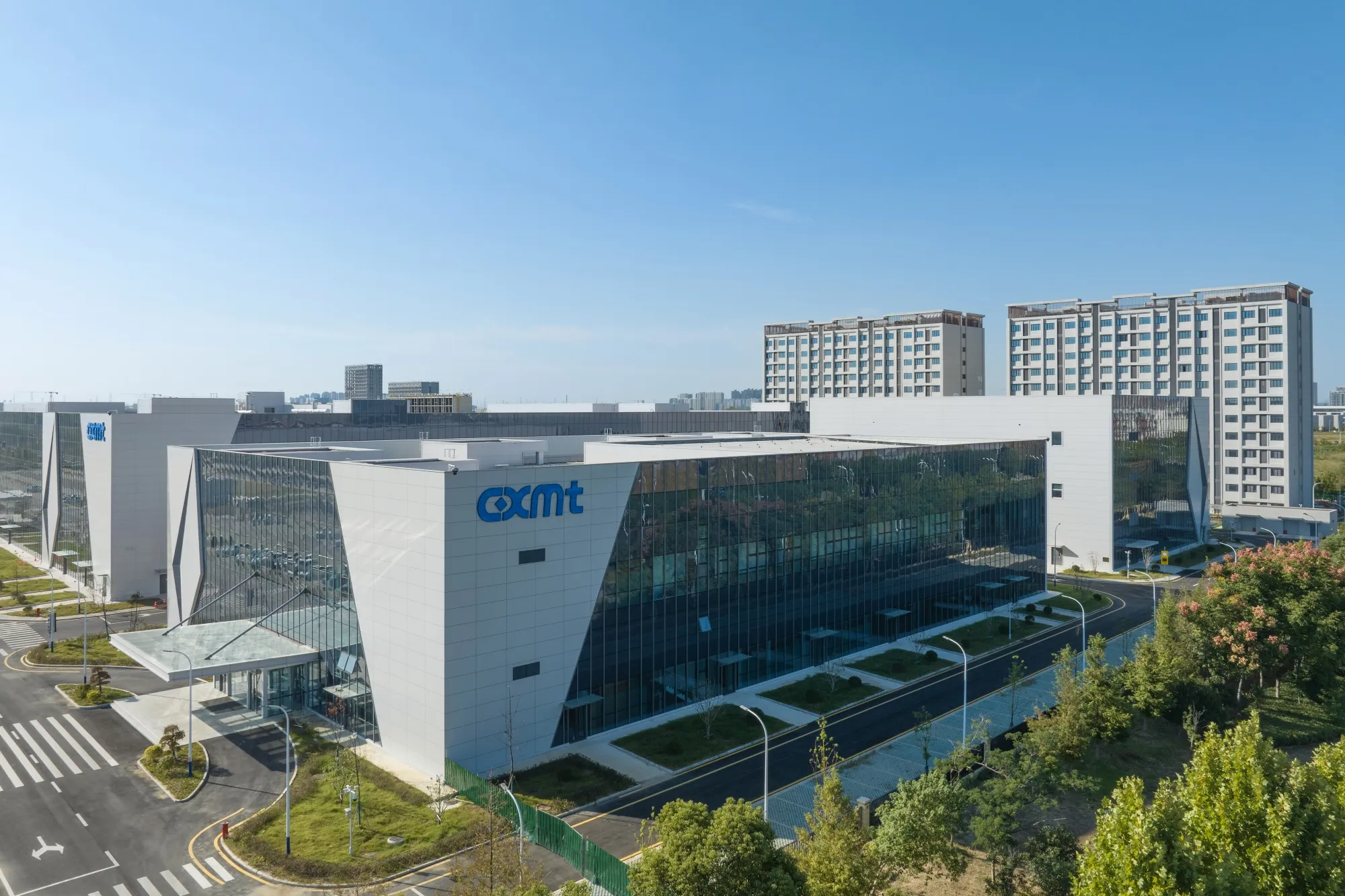
China's semiconductor sector is experiencing unprecedented investor momentum, with a major chip manufacturer surging 470% on its first trading day and CXMT (Changxin Memory Technologies) completing a blockbuster Shanghai IPO. These dual events represent a critical inflection point for cross-border e-commerce sellers relying on AI-powered tools and electronics sourcing. The news signals that China's domestic semiconductor capacity is accelerating, which directly impacts three seller operational areas: (1) AI tool pricing and availability - logistics optimization software, inventory management systems, and dynamic pricing tools powered by Chinese chips will become cheaper and more accessible within 6-12 months; (2) Electronics component costs - CXMT's expanded DRAM and NAND flash production capacity will eventually lower costs for sellers sourcing computing devices, smart home products, and data storage items; (3) Competitive platform development - Chinese e-commerce platforms and logistics technologies will advance faster, creating new competitive pressures for international sellers.
For sellers using AI-powered tools today, this represents a time-sensitive opportunity window. The 470% IPO surge indicates massive capital inflows into Chinese semiconductor R&D, meaning AI infrastructure costs (cloud computing, machine learning models, automation software) will likely decline 15-25% over the next 12-18 months as domestic chip production scales. Sellers currently paying $500-2,000/month for AI-driven pricing optimization, inventory forecasting, or customer service automation should lock in current contracts now before vendors reduce prices and renegotiate terms. This is particularly critical for sellers in electronics, computing, and smart home categories where component sourcing from China represents 40-60% of COGS.
The strategic implication for supply chain planning is substantial. CXMT specializes in DRAM and NAND flash—the exact components that power data centers, smart devices, and computing infrastructure. The company's IPO capital injection ($2-5B estimated) will expand production capacity by 30-50% within 18-24 months, directly lowering wholesale component costs for electronics manufacturers. Sellers sourcing laptops, tablets, SSDs, or smart home devices from China should begin mapping alternative suppliers now and negotiate volume commitments with current suppliers before component prices drop 10-20%. This creates a paradoxical opportunity: sellers can either (a) lock in lower costs now through long-term contracts, or (b) wait 12-18 months for market prices to fall naturally but risk inventory obsolescence in fast-moving categories like consumer electronics.
Immediate AI automation opportunities emerge from this trend. Sellers should deploy AI-powered supply chain analytics tools (like Keepa, Jungle Scout, or custom Python scripts) to monitor Chinese semiconductor production announcements and component pricing indices in real-time. This automation can reduce manual market research by 10-15 hours/week and provide 2-4 week lead time on component cost shifts. Additionally, sellers can use AI-driven demand forecasting to predict which electronics categories will see price compression first (likely data storage and memory-intensive devices within 6-9 months), allowing inventory optimization before margin compression hits.
Questions 8
How does China's semiconductor self-sufficiency affect cross-border sellers sourcing from China?
China's push for semiconductor independence (evidenced by the 470% IPO surge and CXMT's blockbuster listing) accelerates domestic chip production and reduces reliance on Western suppliers. This creates two effects for cross-border sellers: (1) **Lower component costs** - Chinese electronics manufacturers will access cheaper domestic chips, reducing COGS for laptops, tablets, and smart devices by 10-20% within 12-18 months; (2) **Faster platform competition** - Chinese e-commerce platforms and logistics technologies will advance rapidly, creating new competitive pressures. Sellers should monitor CXMT's production milestones and market share gains quarterly to forecast component cost shifts and adjust sourcing strategies accordingly. This is particularly critical for sellers in electronics, computing, and data storage categories where component sourcing represents 40-60% of COGS.
Should I lock in long-term supplier contracts now or wait for component prices to fall?
The optimal strategy depends on your inventory turnover and category. For fast-moving electronics categories (laptops, SSDs, smart home devices), lock in 12-18 month contracts now at current prices—this protects margins before component costs drop 10-20%. For slower-moving categories (industrial electronics, niche computing), waiting 12-18 months for natural price declines may be preferable to avoid inventory obsolescence. The key is using AI-powered demand forecasting to predict which categories will see price compression first (likely data storage and memory-intensive devices within 6-9 months). Sellers should deploy supply chain analytics tools to monitor CXMT production announcements and component pricing indices in real-time, providing 2-4 week lead time on cost shifts.