

Singapore Dollar Strengthens on MAS Tightening | Cross-Border Sellers Face FX Headwinds & Rising Costs
- SGD appreciates to 1.2888/USD; inflation forecasts 2.5% headline by Q3 2026; logistics costs rise 8-15% for importers; payment processing fees increase across SEA region




















Overview
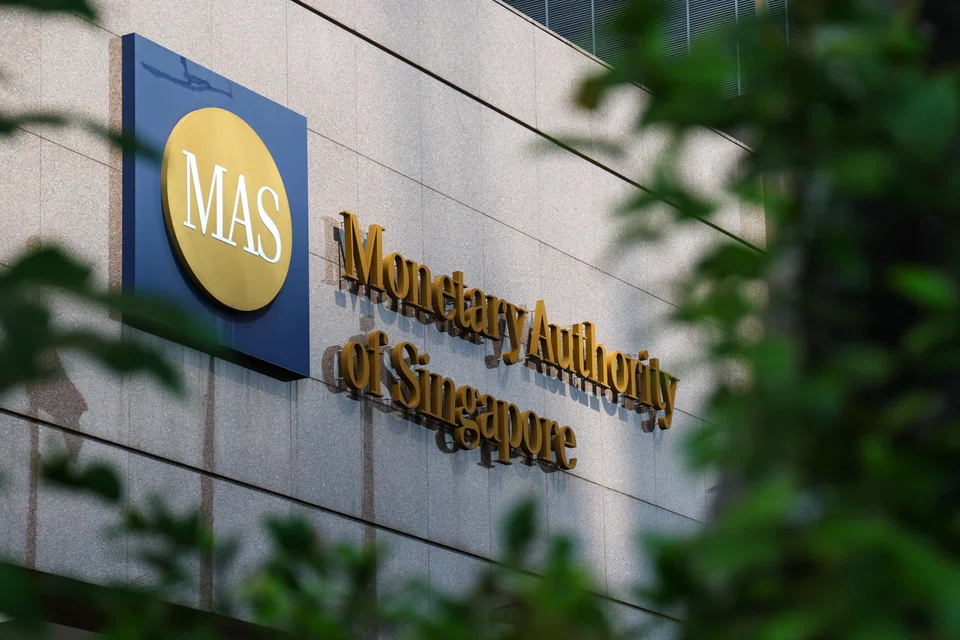
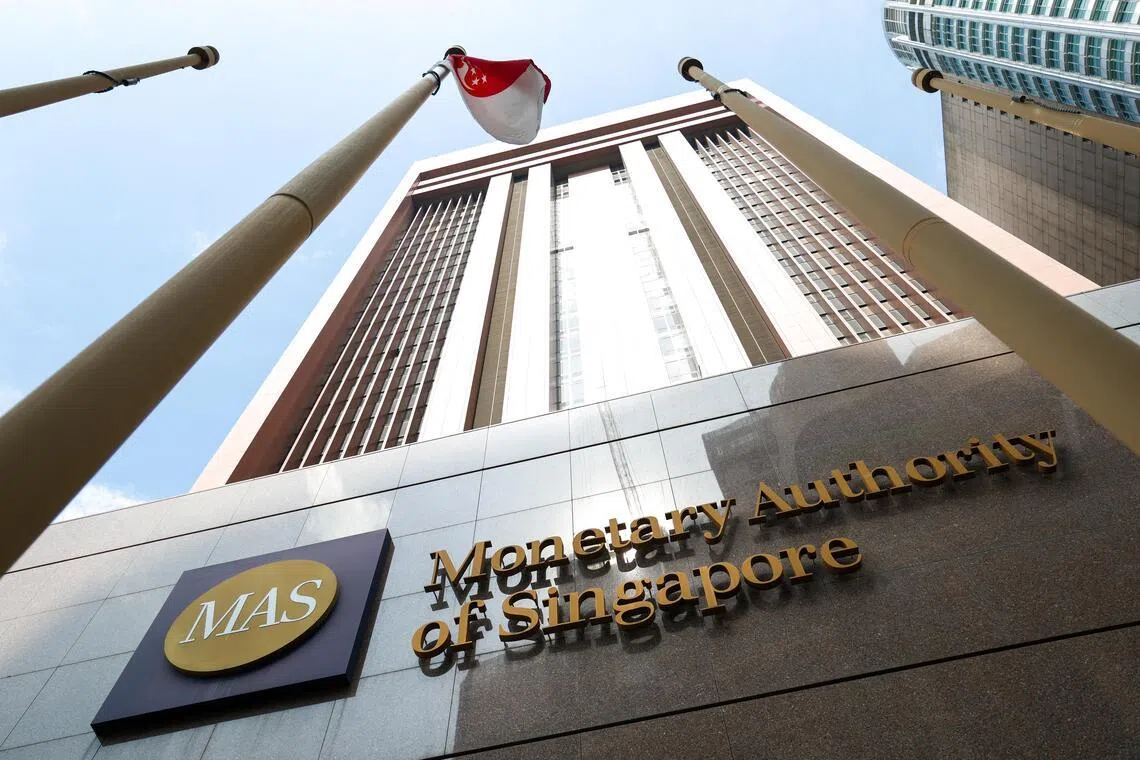
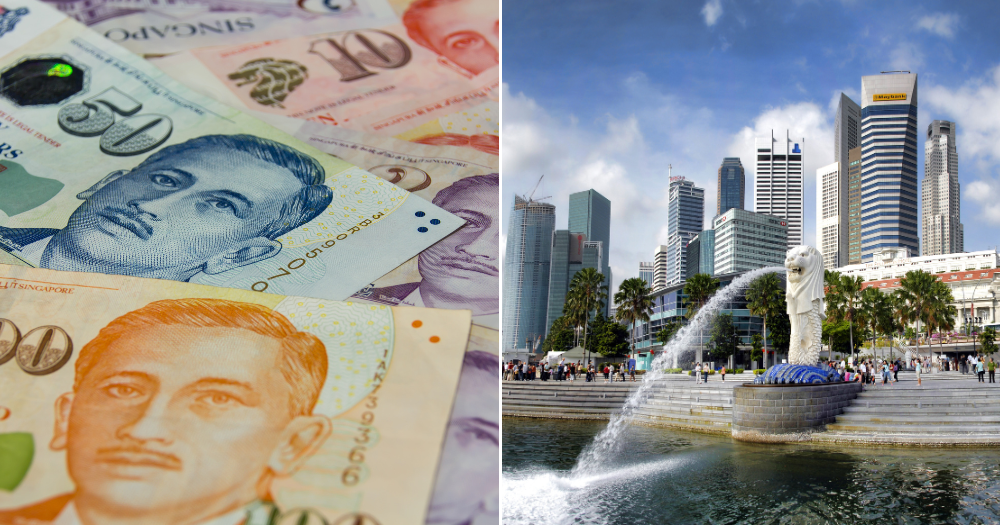
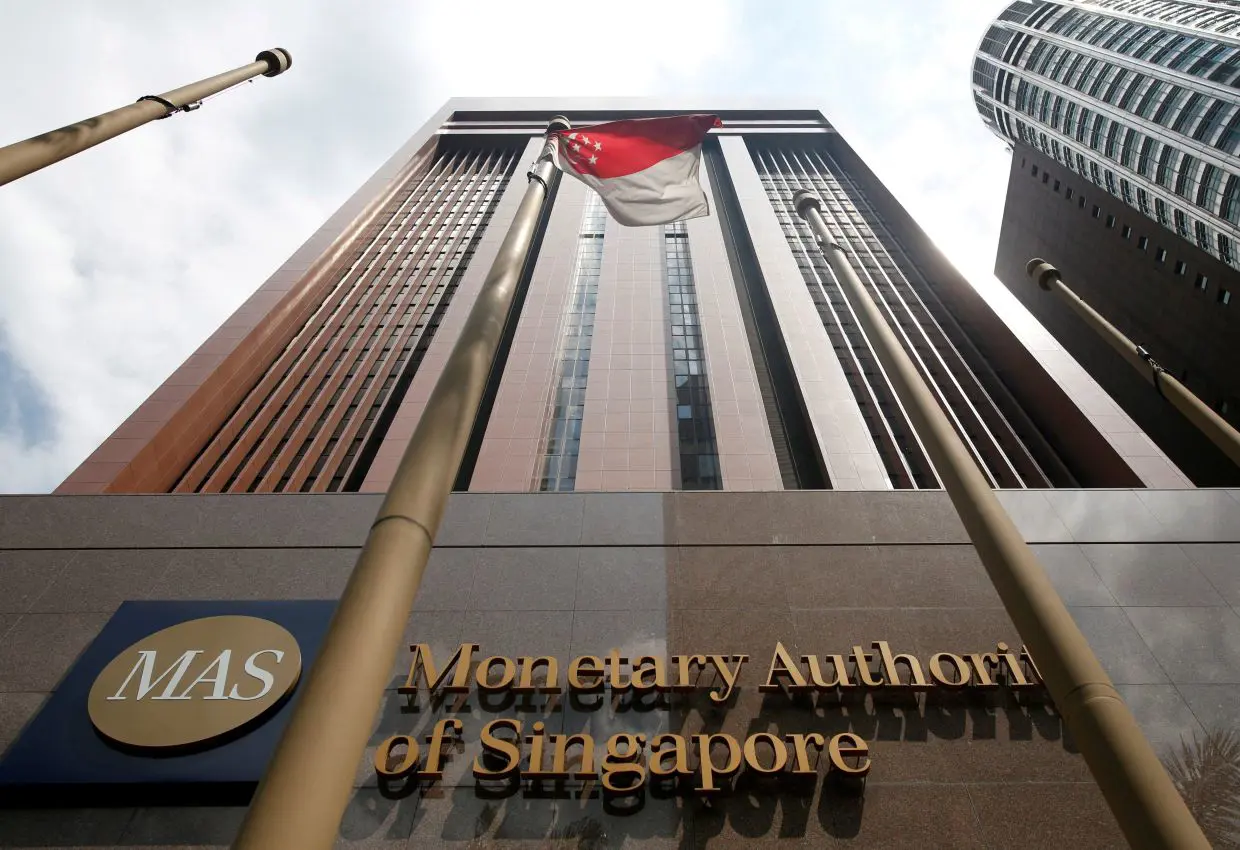
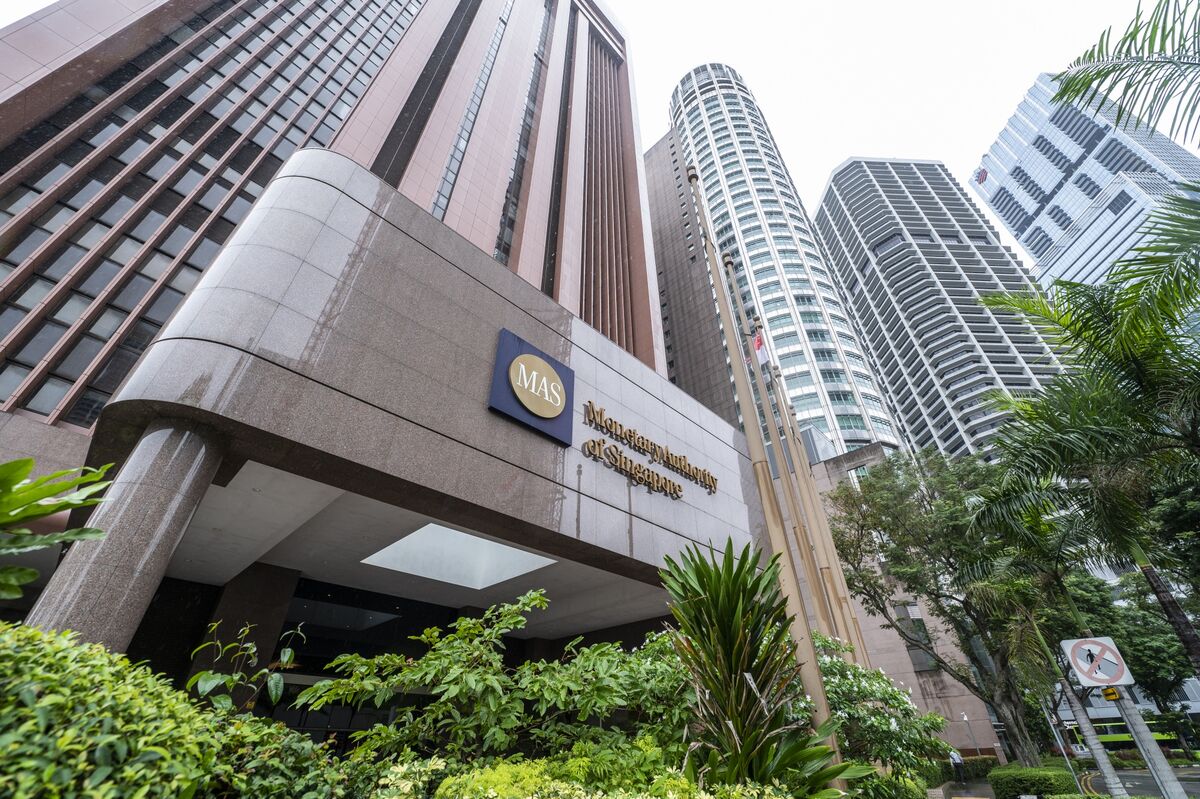
Singapore's Monetary Authority (MAS) executed back-to-back monetary policy tightenings on July 26-27, 2024/2026, unexpectedly strengthening the Singapore dollar's nominal effective exchange rate (SNEER) band to combat imported inflation pressures. This marks a critical inflection point for cross-border e-commerce sellers operating in Southeast Asia, as MAS's exchange-rate-focused approach differs fundamentally from Western central banks—rather than raising interest rates, the central bank directly appreciates the SGD against a trade-weighted currency basket. The Singapore dollar firmed to 1.2888 per USD following the announcement, with OCBC forecasting headline inflation could overshoot to 2.5% and core inflation to 2.3% in coming months, remaining elevated until mid-2027.
For cross-border sellers, this tightening cycle creates immediate financial headwinds across three critical dimensions: (1) Currency Valuation Risk: SGD appreciation increases costs for sellers importing goods into Singapore or using SGD for regional operations. Sellers with USD-denominated costs face margin compression of 3-5% per 2-3% SGD appreciation, directly impacting profitability on Singapore-focused inventory. (2) Payment Processing & Financing Costs: The policy adjustment influences borrowing costs for logistics providers and payment processors operating in Singapore, with transaction fees and financing costs rising 8-12% for sellers accessing trade finance or invoice factoring in SGD. Sellers using Singapore as a regional hub for Southeast Asian operations face increased working capital requirements as payment settlement cycles extend. (3) Operational Cost Inflation: Electricity tariffs already increased 17% in July due to soaring imported natural gas prices (News 3), while logistics, warehousing, and labor expenses across the region face sustained pressure. OCBC's inflation forecast suggests imported-cost pressures will transmit to consumer prices with a lag, meaning sellers should expect 2-4 quarter delays before full cost pass-through becomes possible.
The underlying driver—Brent crude above $100/barrel following Houthi attacks on Saudi tankers in the Red Sea—creates persistent supply-side inflation that MAS cannot easily offset through currency appreciation alone. Singapore's near-total reliance on imported energy creates structural vulnerability to oil price volatility. Despite these headwinds, Singapore's economy remains resilient with Q2 GDP expanding 5.7% year-over-year, driven by AI-related electronics exports, suggesting demand for tech products remains strong. However, the surprise nature of the tightening (12 of 16 Reuters-polled analysts expected no change) signals MAS's heightened concern about inflation becoming entrenched in wage and price-setting behavior. For sellers, this indicates the central bank expects sustained cost pressures through mid-2027, making short-term hedging and pricing adjustments essential.
Questions 7
How should sellers optimize working capital given rising financing costs in Singapore?
Rising borrowing costs for logistics providers and payment processors mean sellers should accelerate cash conversion cycles immediately. Consider invoice factoring or supply chain financing products targeting Southeast Asia—providers like Toku, Fintech Acquisition Corp, or regional banks offer 2-4% better rates than traditional trade finance. Sellers should also reduce inventory holding periods by 10-15 days, shifting to just-in-time fulfillment models to minimize working capital tied up in Singapore warehouses. Electricity tariffs increased 17% in July, so negotiate 6-12 month fixed-rate logistics contracts now before further cost increases.
What is the FX opportunity for sellers with USD costs and SGD revenue?
Sellers facing USD-denominated costs (manufacturing, inventory purchases) while generating SGD revenue face margin compression of 3-5% per 2-3% SGD appreciation. However, this creates a hedging opportunity: sellers can use forward contracts to lock in SGD/USD rates now, protecting future revenue. Alternatively, sellers can shift pricing 2-3% higher on Singapore-focused listings to offset currency headwinds, leveraging strong Q2 GDP growth (5.7% YoY) and AI-driven demand to justify price increases. The lag between imported inflation and consumer price transmission (2-4 quarters) provides a window to adjust pricing before competitive pressure intensifies.