


Google's AI Chip Financing Strategy | Enterprise Payment Innovation Reshapes Data Center Market
- Google applies Wall Street financing to TPU sales, creating flexible payment structures that challenge Nvidia's dominance and unlock new working capital opportunities for enterprise buyers and sellers








Overview
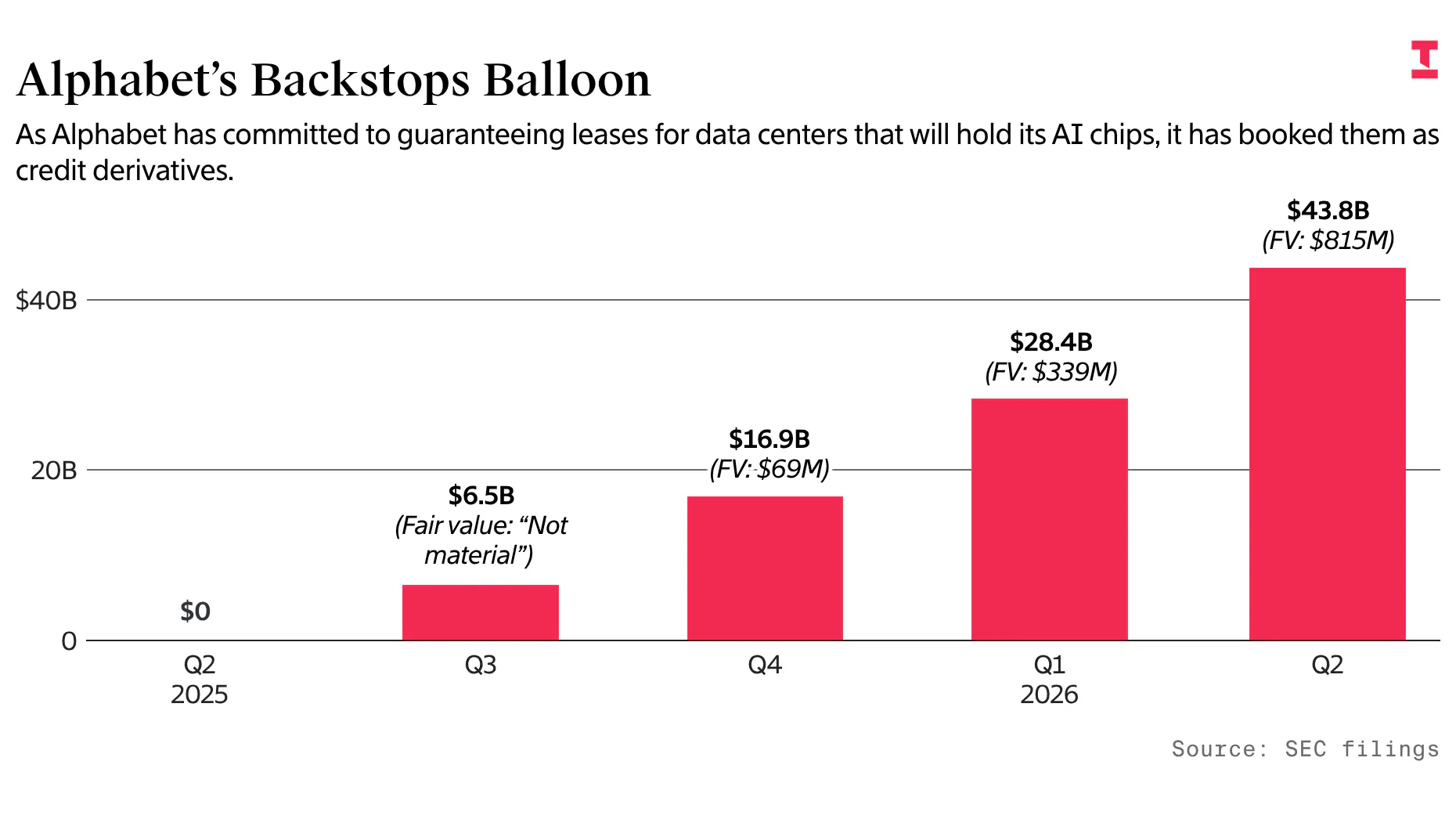
Google is fundamentally reshaping how semiconductor companies compete by applying Wall Street financing techniques to accelerate Tensor Processing Unit (TPU) chip sales to enterprise customers and data center operators. According to reporting from The Information, Google's approach structures chip sales through innovative financing mechanisms—flexible payment terms, capital structures, and creative deal arrangements—that mirror traditional capital markets practices. This represents a critical shift in competitive dynamics: rather than competing purely on product specifications or pricing, Google is now offering comprehensive financial solutions that address both technical and working capital needs of large-scale infrastructure buyers.
The Financial Innovation Angle: Google's strategy directly addresses a major pain point for enterprise customers: the massive upfront capital requirements for AI infrastructure buildout. By offering structured financing, Google enables data center operators and cloud providers to deploy TPUs without exhausting cash reserves, effectively lowering the total cost of ownership compared to Nvidia's traditional cash-on-delivery model. This creates a working capital arbitrage opportunity—buyers can deploy infrastructure faster while spreading payments over time, improving their own cash conversion cycles. For sellers in the AI infrastructure ecosystem (server manufacturers, cooling systems, power management vendors), this financing innovation signals accelerating demand and longer sales cycles, requiring adjusted payment term negotiations and inventory planning.
Competitive Pressure & Market Implications: The news explicitly highlights Nvidia's dominant market position and supply constraints as barriers to entry. Google's financing approach is a direct counter-strategy: by making TPUs more accessible through flexible payment structures, Google can capture market share from Nvidia even when product parity doesn't exist. This mirrors how fintech disrupted traditional banking—by changing the financial terms, not just the product. The "explosive demand for AI chips" mentioned in the article indicates sustained infrastructure investment by hyperscalers (AWS, Azure, Meta), creating a multi-year revenue opportunity for Google and downstream suppliers.
Cross-Border Payment & FX Implications: Enterprise customers purchasing TPUs globally face currency exposure and payment complexity. Google's financing structures likely include multi-currency settlement options, hedging mechanisms, and regional payment routing—all of which reduce friction for international buyers. This is particularly relevant for sellers in Asia-Pacific and Europe who supply components to data center operators; they can now expect longer payment cycles (60-90 days vs. 30 days) as customers adopt Google's financing terms, requiring working capital optimization through invoice financing or supply chain finance products.
Seller Ecosystem Impact: Suppliers to Google's TPU program and downstream infrastructure vendors should expect: (1) accelerated order volumes as financing removes purchase barriers, (2) extended payment terms as customers adopt Google's financing model, (3) increased complexity in deal structures requiring finance teams to evaluate payment options, and (4) potential margin compression as Google uses financing as a competitive weapon to undercut Nvidia pricing.
Questions 7
What payment term changes should suppliers expect when selling to Google's TPU customers?
As enterprise customers adopt Google's financing models, payment cycles are likely to extend from standard 30-day terms to 60-90 day arrangements, mirroring the underlying chip financing structures. Suppliers in the AI infrastructure ecosystem (server manufacturers, power systems, cooling vendors) should prepare for longer cash conversion cycles and increased working capital requirements. This creates immediate opportunities for invoice financing and supply chain finance products, which can unlock 70-90% of invoice value within 5-10 days at costs of 1.5-3% APR, significantly cheaper than traditional bank loans.
How does Google's financing approach reduce total cost of ownership for enterprise chip buyers?
Google's Wall Street-style financing structures allow enterprise customers to deploy TPUs without massive upfront capital expenditures, spreading costs over time through flexible payment terms and capital structures. This directly competes with Nvidia's traditional cash-on-delivery model by improving buyer cash conversion cycles and reducing working capital strain. For data center operators managing multi-million dollar infrastructure buildouts, financing can reduce effective chip costs by 8-15% when accounting for the time value of money and working capital savings. Buyers can now deploy infrastructure faster while maintaining liquidity for other operational needs.