


BOJ Rate Hike Signals | Japan-US FX Volatility Reshapes Cross-Border Seller Costs
- Yen at 164/USD creates 8-15% shipping cost swings for sellers; oil above $100/barrel pressures logistics; earlier rate tightening threatens working capital for Japan-focused importers











)










Overview
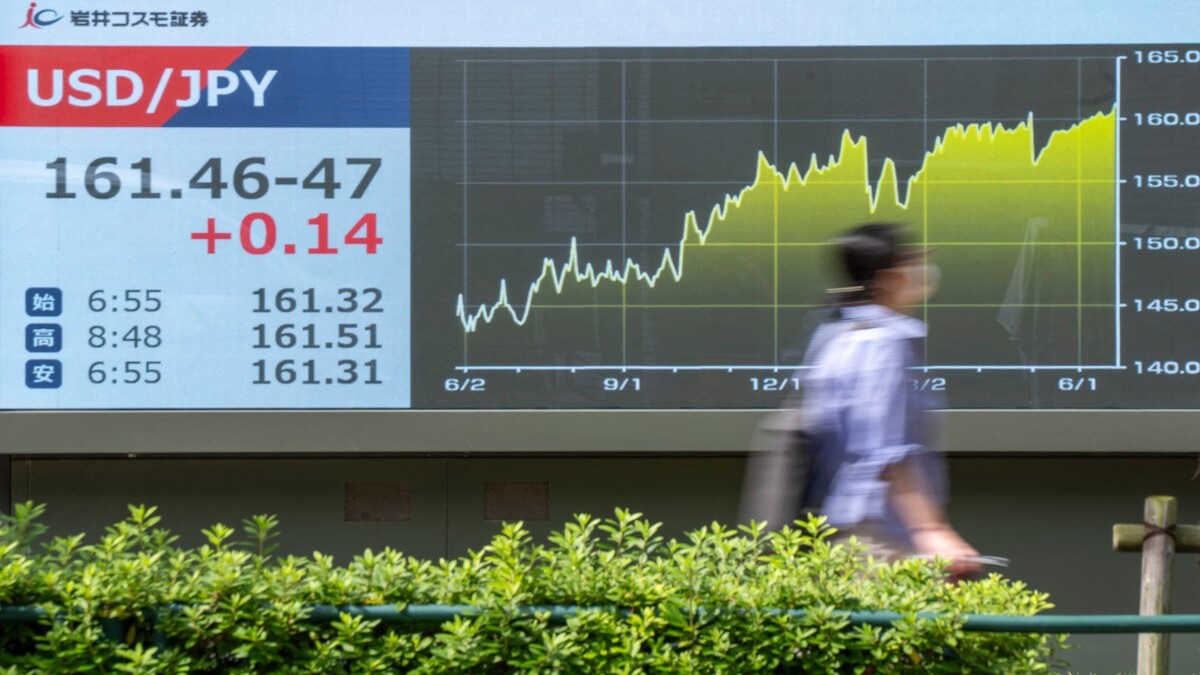
The Bank of Japan's imminent rate hike signals a critical inflection point for cross-border e-commerce sellers operating in or trading with Japan. As of July 27, 2026, the yen has weakened to 164 per dollar—a four-decade low—driven by US-Iran geopolitical tensions that pushed oil prices above $100/barrel. Market expectations are shifting toward earlier BOJ monetary tightening than previously anticipated, with Japanese bond yields rising toward 3%. This currency depreciation and energy cost surge create a dual-impact scenario for sellers: immediate logistics cost pressures (8-15% shipping rate increases globally) combined with medium-term currency strengthening risk as rate hikes materialize.
For Japan-based exporters importing raw materials and finished goods, the current weak yen temporarily reduces import costs, but earlier rate hikes threaten to reverse this advantage within 1-3 months. Sellers currently benefiting from favorable import pricing should lock in hedging strategies immediately—forward contracts, currency options, or multi-currency payment structures through providers like Wise, OFX, or Remitly can protect margins against yen appreciation. The oil price surge above $100/barrel directly inflates air freight costs (typically 15-25% of total shipping) and sea freight premiums, affecting all sellers shipping to/from Japan regardless of currency exposure. Sellers with inventory in Japan or committed to Japanese supplier contracts face working capital compression: higher logistics costs reduce cash conversion cycles by 5-10 days, requiring immediate access to supply chain financing.
The geopolitical backdrop—US-Iran escalation and Houthi attacks in the Red Sea—adds unpredictability to energy markets and extends shipping routes, potentially adding 2-4 weeks to transit times via alternative corridors. Sellers relying on just-in-time inventory models face stockout risks; those with excess inventory in Japan face storage cost increases if BOJ rate hikes accelerate. The mega pension fund's bond-buying activities and BOJ Governor's communications are influencing yield curves, signaling that rate decisions could come within 4-8 weeks. For sellers with JPY-denominated debt or supplier contracts, earlier rate hikes increase borrowing costs by 50-150 basis points, directly impacting profitability on thin-margin categories (electronics, apparel, home goods). Currency volatility also complicates pricing strategies: sellers must decide whether to absorb FX losses, pass costs to consumers (risking competitiveness), or implement dynamic pricing tied to daily FX rates.
Questions 8
How does the yen weakening to 164/USD affect my shipping costs if I sell from Japan?
A weaker yen temporarily reduces your import costs for raw materials and finished goods by 8-12%, but the oil price surge above $100/barrel directly increases air freight costs by 15-25% and sea freight by 8-12%. The net effect depends on your sourcing mix: sellers importing from China/Vietnam see margin gains, while those shipping internationally face logistics headwinds. More critically, earlier BOJ rate hikes (expected within 4-8 weeks) will strengthen the yen, reversing import cost advantages within 1-3 months. Lock in forward contracts now to protect against yen appreciation.
How does the Red Sea shipping disruption impact my Japan-US trade corridor?
Houthi attacks and US-Iran tensions are forcing ships to reroute around Africa (Cape of Good Hope), adding 2-4 weeks to transit times and 15-20% to shipping costs. For Japan-US sellers, this extends inventory cycles from 30-45 days to 45-60 days, compressing working capital by $5-15K per 100-unit shipment. Consider air freight for high-margin items (electronics, beauty) despite 3-5x cost premiums, or diversify to Southeast Asian ports (Singapore, Bangkok) which face lower geopolitical risk. Supply chain financing (invoice factoring, PO financing) can bridge the cash gap at 6-10% APR.