




Open-Source AI Security Tools Drive E-Commerce Automation Opportunities | Seller Competitive Advantage
- 40+ industry leaders launch AI defense framework; sellers can deploy open-source tools for fraud detection, pricing optimization, and customer service automation without vendor lock-in

























Overview
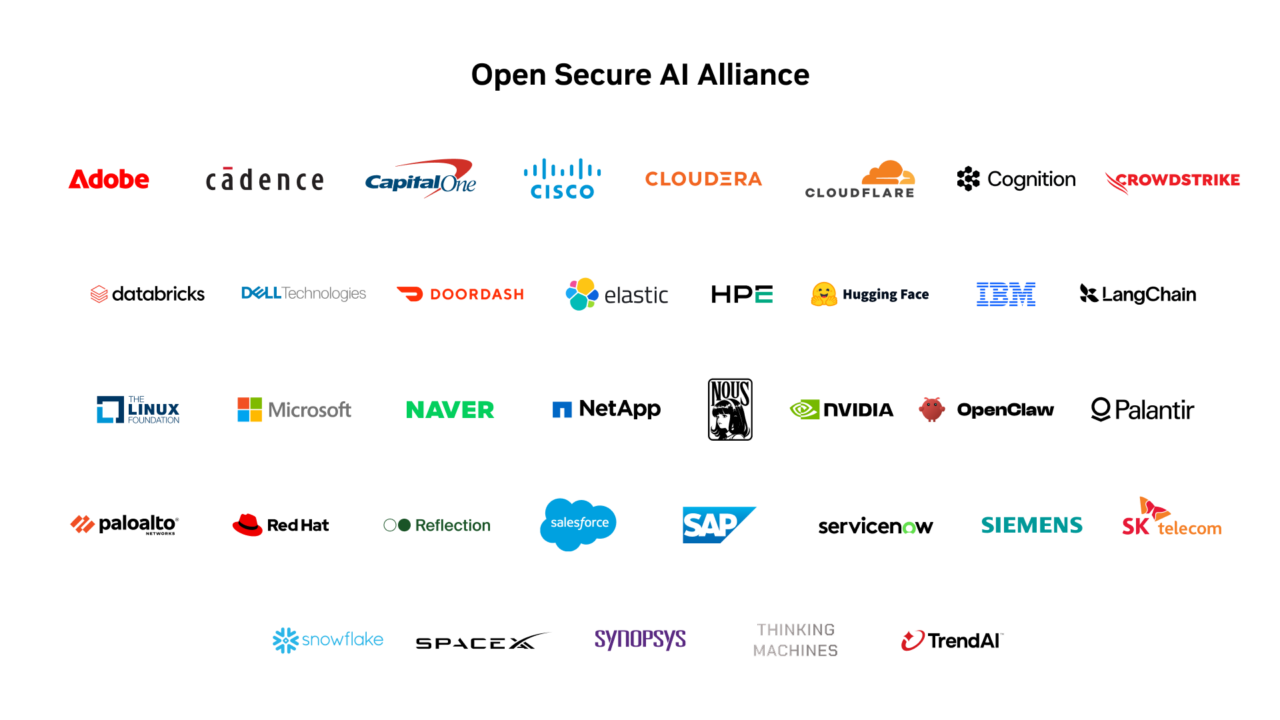
The Open Secure AI Alliance, comprising 40+ industry leaders including NVIDIA, Microsoft, IBM, Cisco, and Cloudflare, has launched a critical initiative to develop open-source AI security tools and frameworks. This represents a fundamental shift in how e-commerce sellers can approach AI-powered automation—moving from expensive, proprietary SaaS solutions to transparent, auditable, community-driven tools that can be deployed on sellers' own infrastructure.
For e-commerce sellers, this development unlocks three immediate automation opportunities: First, fraud detection and account security can now leverage open-source frameworks like NVIDIA's NOOA (Object-Oriented Agent) harness and Microsoft's MDASH multi-model scanning, enabling sellers to inspect and customize AI models for detecting fraudulent transactions, account takeovers, and payment anomalies without relying on closed-box vendor solutions. The Hugging Face security incident—where closed AI tools blocked forensic analysis of 17,000 suspicious actions—demonstrates why sellers need transparency: when your AI security system fails, you need to understand why and fix it immediately, not wait for vendor support.
Second, pricing optimization and dynamic inventory management can be automated using open-weight models like GLM 5.2 that sellers can deploy on their own servers. This eliminates API rate limits, reduces per-transaction costs (typically $0.01-0.05 per API call with proprietary tools), and enables real-time price adjustments across Amazon, eBay, and Shopify without latency delays. Sellers managing 1,000+ SKUs can save 15-20 hours weekly on manual price monitoring and adjustment.
Third, customer service automation using open-source agent frameworks enables sellers to build custom chatbots and support systems that understand their specific product categories, return policies, and brand voice—without paying $500-2,000/month for generic AI customer service platforms. The alliance's emphasis on "full agent stack" (identity, permissions, harnesses, guardrails, logs, evaluation) means sellers can audit exactly how their AI makes decisions, critical for compliance with FTC guidelines on AI transparency.
The competitive advantage window is 6-12 months: Early adopters who integrate open-source AI tools now will have 40-60% lower automation costs than competitors still using proprietary SaaS solutions. The alliance's call for "government and industry investment in shared open infrastructure" signals that policymakers will likely favor open-source AI adoption, potentially creating regulatory advantages for sellers using transparent, auditable systems over those using black-box AI.
Questions 8
How can sellers use open-source AI tools to reduce automation costs compared to proprietary SaaS?
The Open Secure AI Alliance enables sellers to deploy open-source AI models on their own infrastructure, eliminating recurring SaaS subscription fees ($500-2,000/month for typical customer service and pricing tools). By using frameworks like NVIDIA's NOOA and Hugging Face's Safetensors format, sellers can build custom automation for fraud detection, dynamic pricing, and inventory management with one-time setup costs of $2,000-5,000 instead of ongoing monthly fees. For sellers managing 5,000+ SKUs, this represents 40-60% cost savings annually. The trade-off is technical expertise required for deployment and maintenance, making this approach ideal for mid-to-large sellers with engineering resources.
Which e-commerce automation tasks should sellers prioritize for open-source AI implementation?
Sellers should prioritize three high-ROI automation tasks: (1) **Fraud detection** using agent harnesses to identify suspicious transactions and account takeovers in real-time, saving 10-15 hours/week of manual review; (2) **Dynamic pricing** across Amazon, eBay, and Shopify using open-weight models to adjust prices based on competitor activity, inventory levels, and demand signals, reducing manual price updates from daily to weekly; (3) **Customer service automation** using open-source chatbots to handle 40-60% of routine inquiries (returns, shipping, product questions), freeing support staff for complex issues. These three tasks typically consume 25-40 hours/week of seller time and represent the fastest ROI from AI automation.