




China Manufacturing Slowdown Reshapes E-Commerce Supply Chains | Tariff Arbitrage Opportunities in Tech Sectors
- Industrial profit growth decelerates to 15.1% YoY (June 2026) while chipmakers surge 2,580%, creating divergent sourcing costs and competitive advantages for electronics sellers










Overview
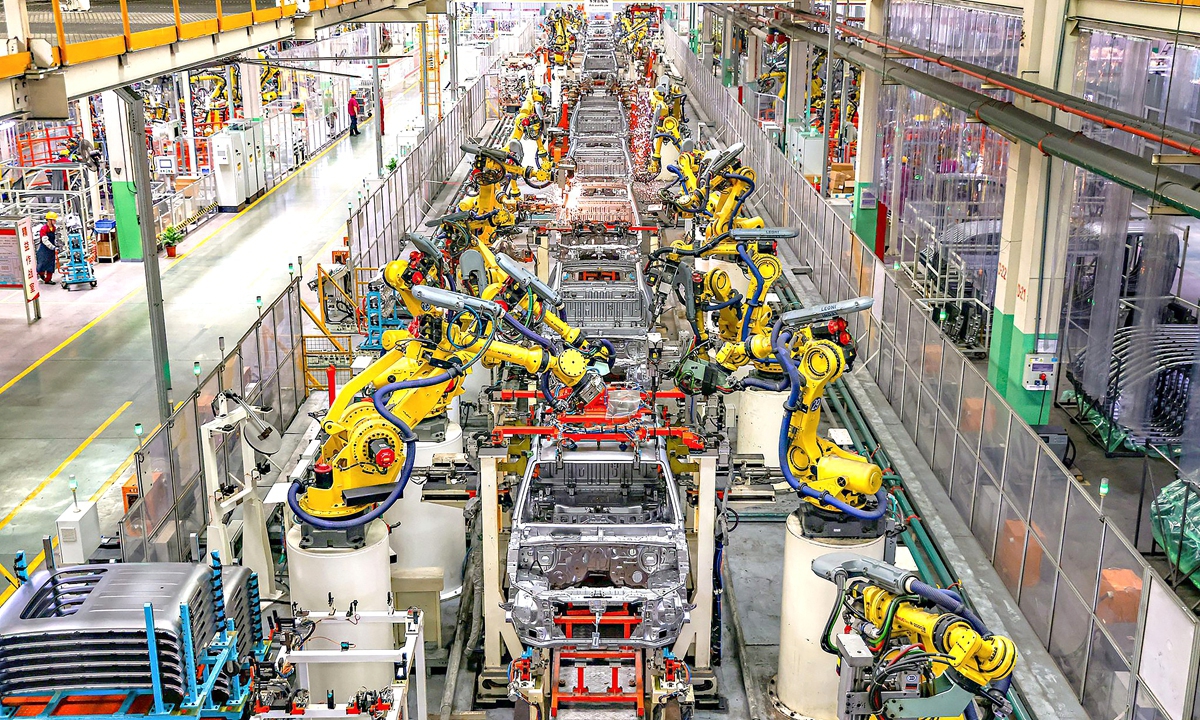
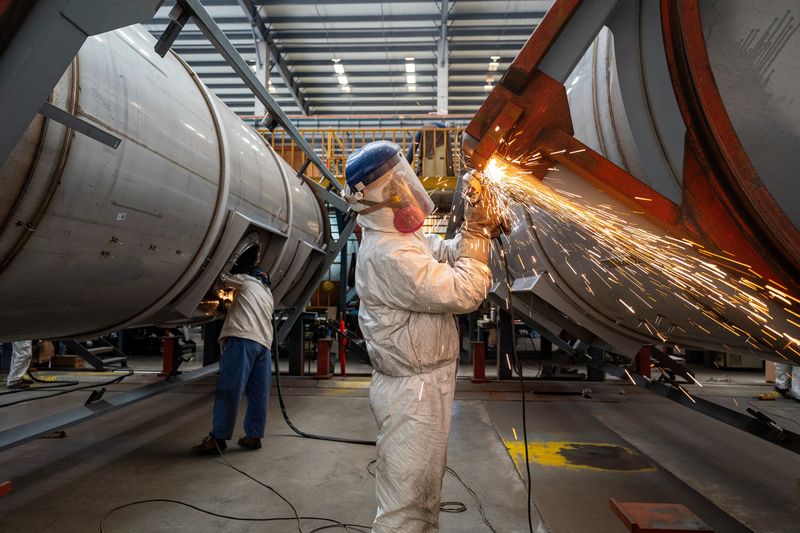
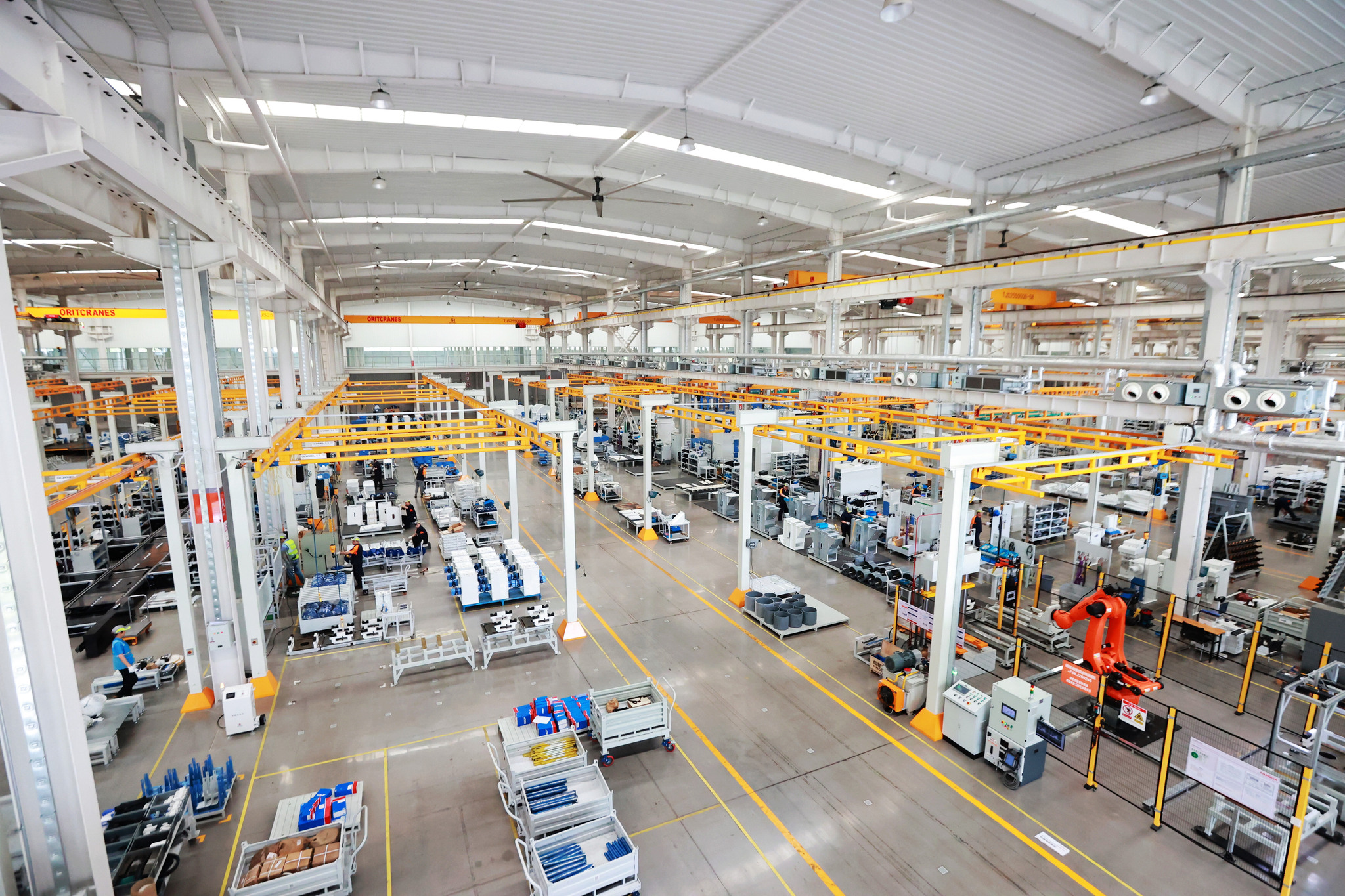
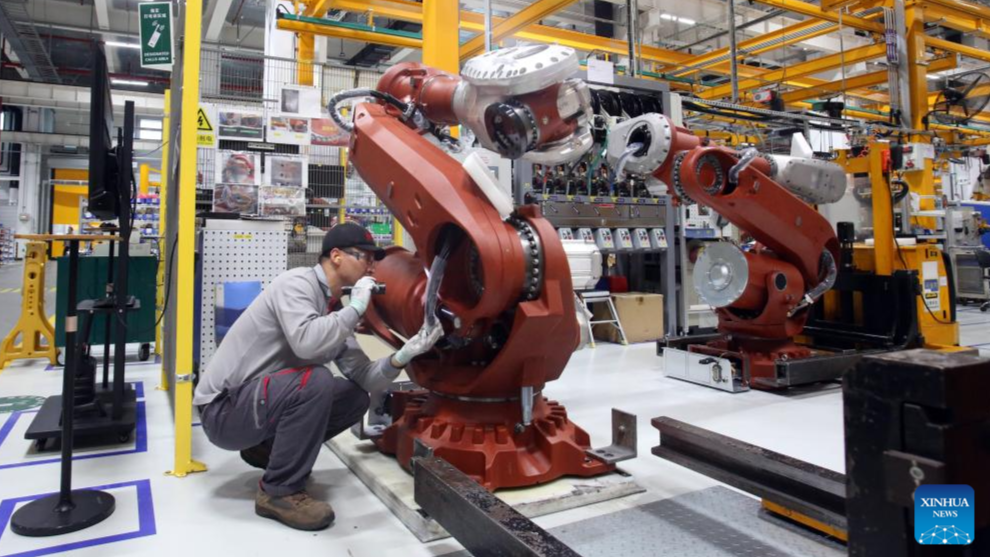
China's industrial profit growth decelerated to 15.1% year-over-year in June 2026—the slowest pace of 2026—down sharply from May's 21.1%, according to National Bureau of Statistics data released July 27. This represents a critical inflection point for cross-border e-commerce sellers sourcing from China. The slowdown spans traditional manufacturing sectors (electronics, textiles, industrial components) where margin compression and reduced investment capacity directly threaten supply chain stability. However, a dramatic divergence has emerged: China's chipmaking sector achieved a 2,580% profit jump, decoupling from broader industrial weakness and signaling a strategic pivot toward high-tech manufacturing driven by AI adoption and semiconductor self-sufficiency initiatives.
For cross-border sellers, this creates a two-tier sourcing landscape with immediate tariff arbitrage implications. Traditional manufacturers face structural headwinds—weak domestic demand, overcapacity, inventory buildup, and cash flow constraints—forcing price increases and reduced supplier flexibility. Automobile manufacturing profits declined 19.5% in H1 2026, with car sales falling nine consecutive months. Conversely, chipmakers' exceptional profitability enables accelerated R&D investment, production capacity expansion, and innovation in consumer electronics, IoT devices, and smart products. This divergence means sellers in electronics categories (HS codes 8471-8517: computers, semiconductors, telecommunications equipment) can expect improved component availability and potentially lower costs, while sellers in traditional apparel, textiles, and industrial components face 8-15% cost increases as suppliers seek margin recovery.
The policy context amplifies these dynamics. China's Communist Party Politburo meeting (late July 2026) signals "mildly more urgent" fiscal support prioritizing faster rollout rather than comprehensive stimulus. Producer prices declined 0.3% month-on-month in June—the first decline since July 2025—as energy prices normalized, but factory-gate prices rose 3.6% year-on-year in Q2, marking the first positive reading since late 2022. This fragile reflation creates a narrow window for sellers to lock in supplier contracts before potential price escalation. Resilient export performance (offsetting domestic weakness) indicates China remains the dominant hardware supplier for AI-driven investment cycles, positioning electronics sellers advantageously while traditional manufacturers consolidate. Sellers must immediately assess supplier financial health, diversify sourcing geographically (Vietnam, India, Southeast Asia for traditional categories), and negotiate longer-term contracts to secure supply stability through 2026-2027.
Questions 7
How does China's 15.1% industrial profit slowdown affect e-commerce sellers sourcing from China?
The June 2026 slowdown (down from 21.1% in May) signals margin compression across traditional manufacturing sectors critical to e-commerce—electronics, textiles, and industrial components. Slower profit growth constrains suppliers' ability to invest in automation and quality control, potentially leading to 8-15% price increases and longer negotiation cycles. Sellers should immediately audit supplier financial health and lock in contracts before further price escalation. The slowdown reflects weak domestic demand, overcapacity, and inventory buildup across Chinese manufacturing hubs, creating supply chain disruption risks through 2026-2027.
What tariff arbitrage opportunities exist from China's manufacturing divergence?
Electronics sellers can capitalize on chipmakers' improved supply stability and innovation (HS codes 8471-8517: semiconductors, computers, telecommunications equipment) while costs remain competitive before further consolidation. Traditional manufacturers facing margin pressure may offer short-term discounts before price increases, creating a 30-60 day window for bulk purchasing. Sellers should simultaneously diversify sourcing to Vietnam and India for traditional categories (textiles, apparel, industrial components) where Chinese suppliers face sustained pressure. This geographic arbitrage—combining Chinese electronics with Southeast Asian traditional goods—optimizes cost structures across product portfolios.