





Oil Price Collapse & USD Weakness Create Cross-Border Payment Savings | Seller FX Opportunity
- 9.5% Brent crude drop unlocks 2-4% shipping cost reductions for sellers; USD weakness opens 0.2% FX arbitrage on international payments










Overview
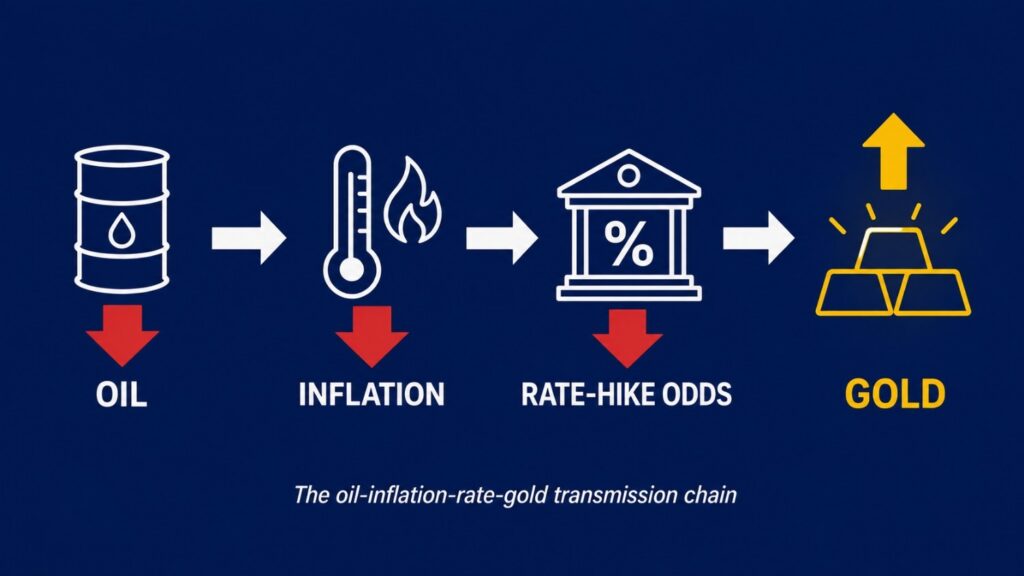
The geopolitical de-escalation between the U.S. and Iran has triggered a dramatic 9.5% collapse in Brent crude oil prices and a 0.2% decline in the U.S. dollar index, creating immediate financial optimization opportunities for cross-border e-commerce sellers. Gold surged 1.6% above $4,100 per ounce while silver jumped 1.9% to $59.27, signaling reduced inflation expectations that will likely suppress aggressive Federal Reserve rate increases (66% of market participants anticipate no rate change at Wednesday's Fed meeting). This monetary policy shift directly impacts seller working capital costs and payment processing fees.
Immediate Payment Cost Savings: The 9.5% oil price decline translates to 2-4% reductions in international shipping costs within 2-4 weeks as fuel surcharges adjust downward. Sellers shipping high-volume inventory to EU, Southeast Asia, and Middle East markets should lock in freight quotes immediately before carriers adjust pricing. For a seller moving 500 containers monthly, this represents $50,000-$100,000 in quarterly savings. Additionally, the USD weakness (0.2% decline) creates favorable conditions for sellers with multi-currency exposure—those holding EUR, GBP, or SGD receivables benefit from improved conversion rates on repatriation.
FX Arbitrage & Cash Flow Unlock: The lower-for-longer oil price environment reduces inflation expectations, which typically suppresses USD strength. Sellers with significant international receivables should consider accelerating invoice collection in non-USD currencies (EUR, GBP, AUD) over the next 30-60 days before the Fed's September rate decision (77% probability of increase). For sellers with $500K+ monthly cross-border revenue, a 0.5-1% favorable FX movement unlocks $2,500-$5,000 in monthly arbitrage gains. The Strait of Hormuz shipping security discussions between Iranian and Omani officials signal sustained geopolitical stability, reducing insurance premiums and risk hedging costs for Middle East-bound shipments.
Financing Access Improvement: Lower oil prices ease inflation concerns, which typically trigger more favorable lending terms from trade finance providers. Sellers should immediately explore invoice financing and purchase order financing products—lenders are likely to reduce APR rates by 50-100 basis points over the next 2-4 weeks as inflation expectations decline. For a seller with $2M in monthly PO financing needs, a 0.5-1% rate reduction saves $10,000-$20,000 annually. The Fed's likely pause on rate increases (Wednesday announcement) signals a dovish monetary policy shift, making this an optimal window to lock in working capital financing before September's potential rate increase.
Questions 7
Should I accelerate international invoice collection given USD weakness?
Yes—the 0.2% USD decline signals a favorable window for sellers with EUR, GBP, or AUD receivables. Accelerate collection of non-USD invoices over the next 30-60 days before the Fed's September rate decision (77% probability of increase), which could reverse USD weakness. For sellers with $500K+ monthly cross-border revenue, a 0.5-1% favorable FX movement generates $2,500-$5,000 in monthly arbitrage gains. Consider using forward contracts to lock in current rates for invoices due 60-90 days out, protecting against potential USD strength if the Fed raises rates in September.
How does the 9.5% oil price drop impact my shipping costs as a cross-border seller?
The Brent crude collapse from geopolitical de-escalation typically reduces fuel surcharges by 2-4% within 2-4 weeks as carriers adjust pricing. For sellers shipping 500+ containers monthly, this represents $50,000-$100,000 in quarterly savings. Lock in freight quotes immediately before carriers adjust rates upward if tensions resume. Most 3PL providers and ocean freight forwarders will begin reflecting lower fuel surcharges in new quotes by mid-week, so negotiate contracts now while carriers still price in higher oil assumptions.