

Indonesia Central Bank Crisis Triggers Rupiah Volatility | Cross-Border Seller Currency Risk Alert
- Rupiah weakens 0.14-0.36% to 17,960-18,000 per USD; Moody's/Fitch downgrade outlook; impacts payment costs for 50K+ sellers sourcing from Indonesia















Overview
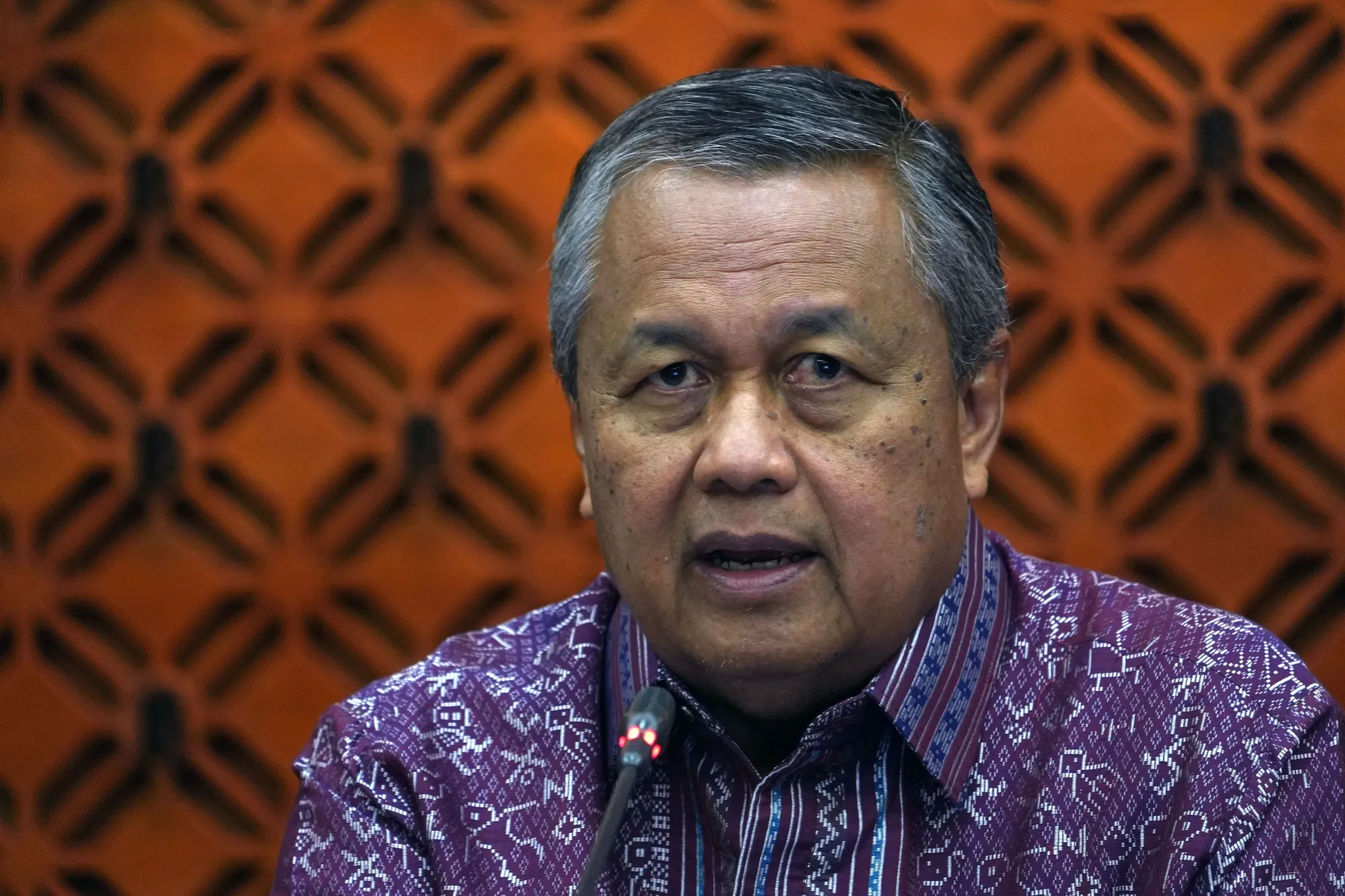
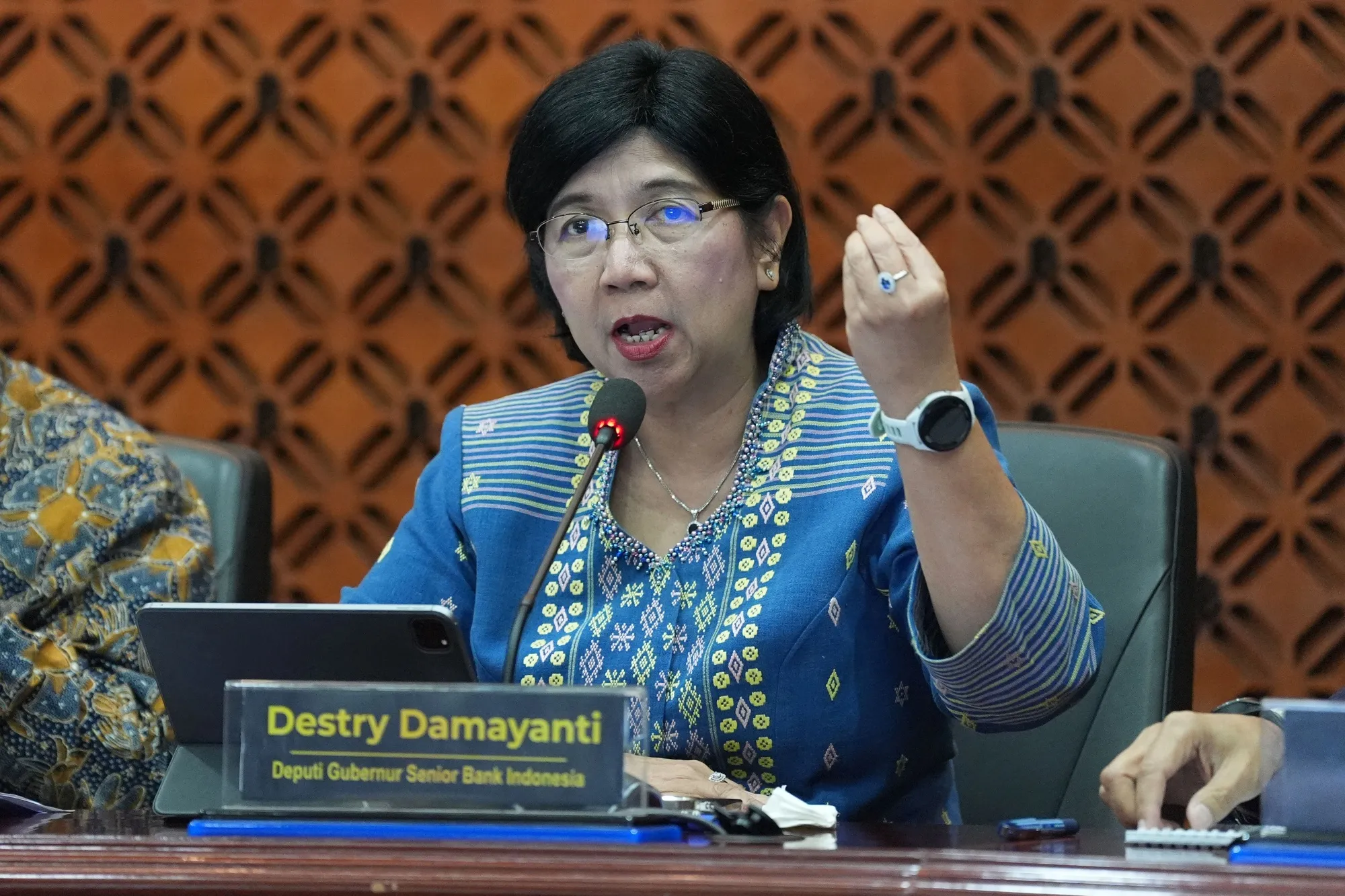
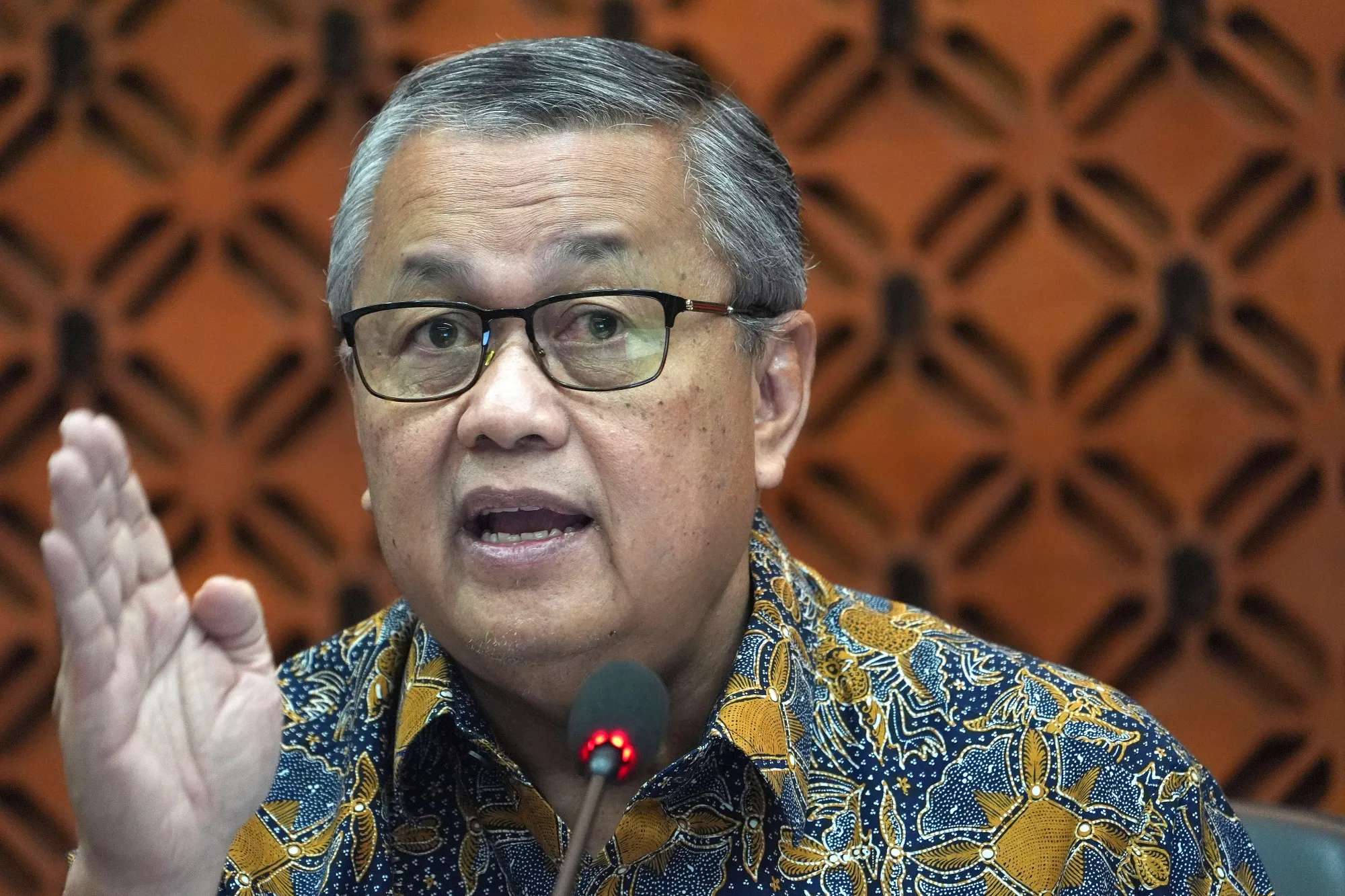
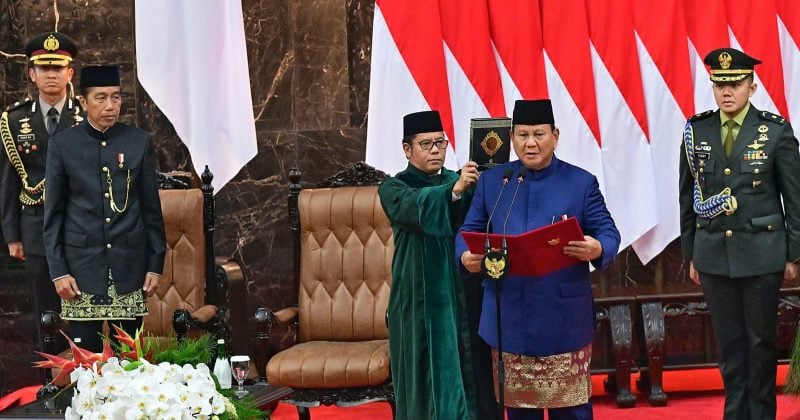
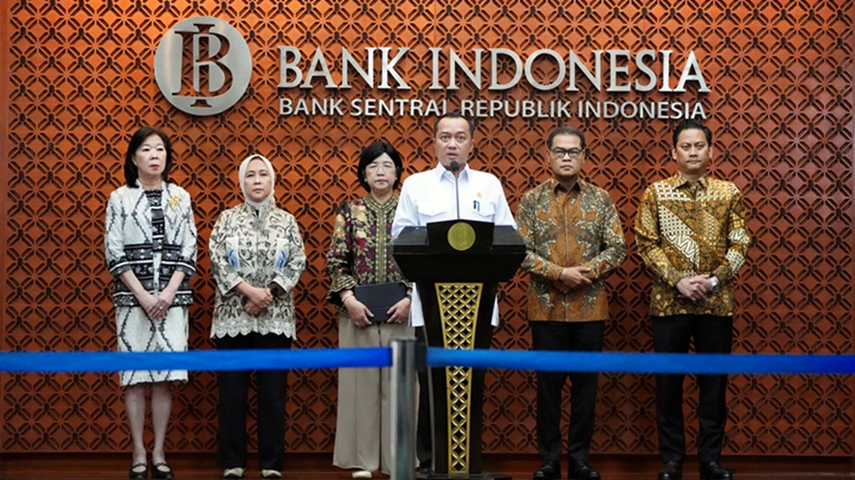
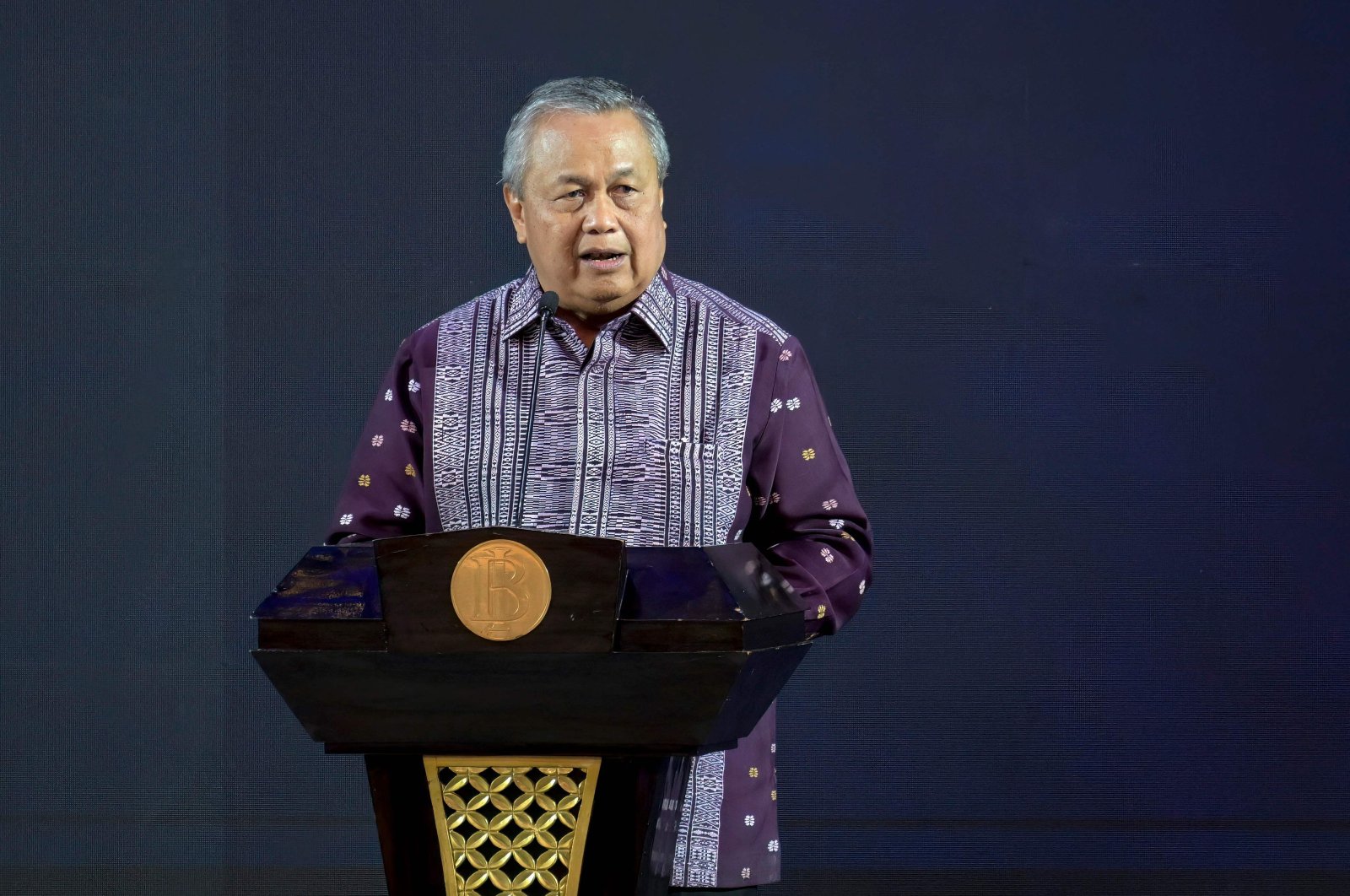
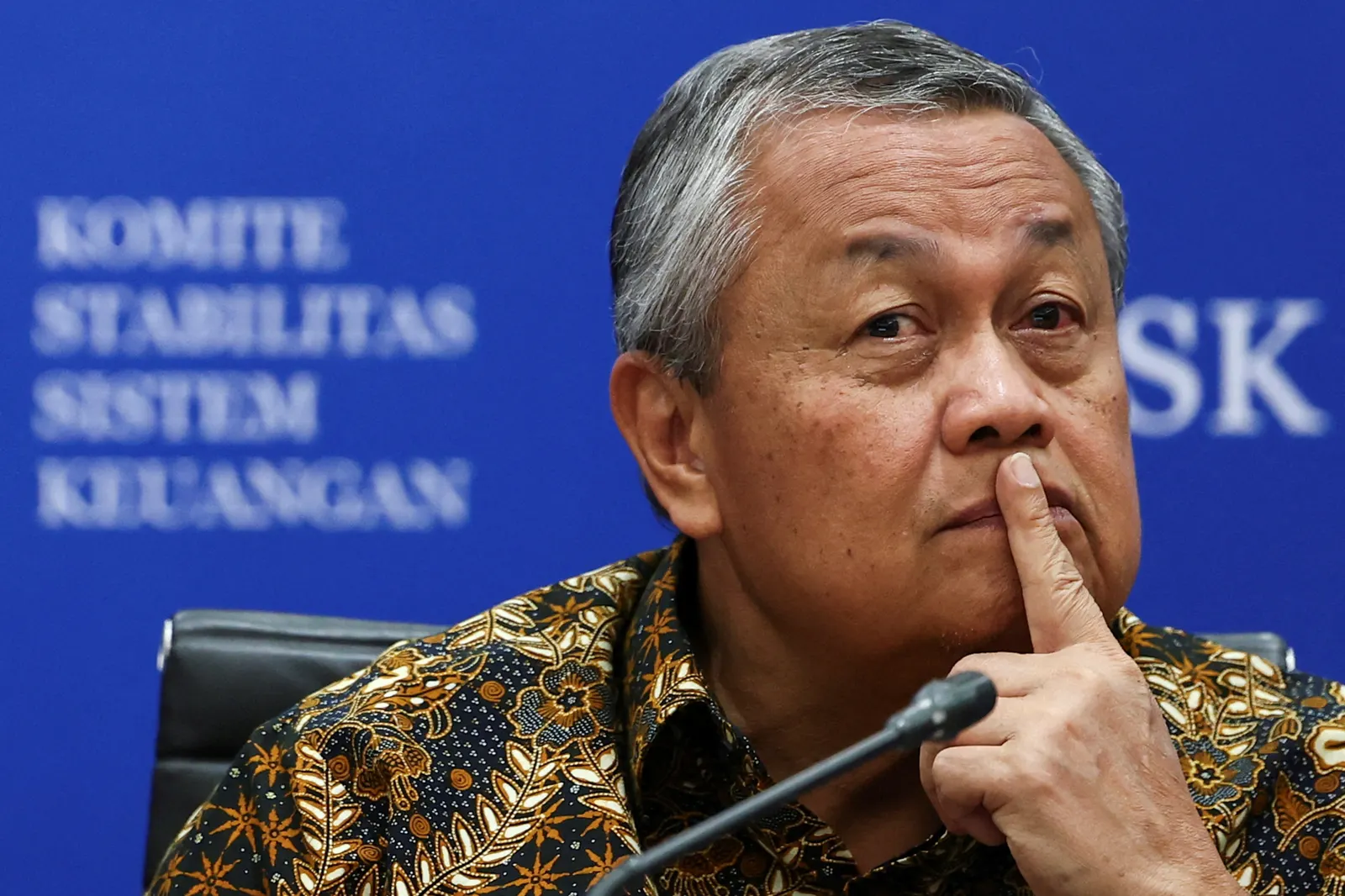
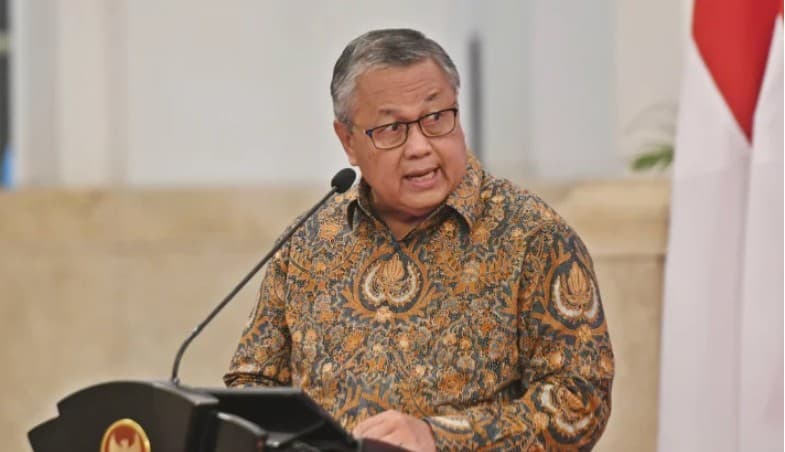
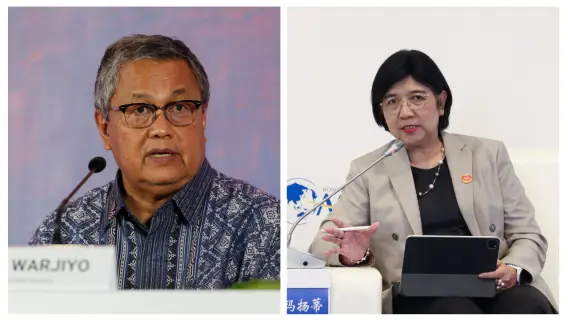
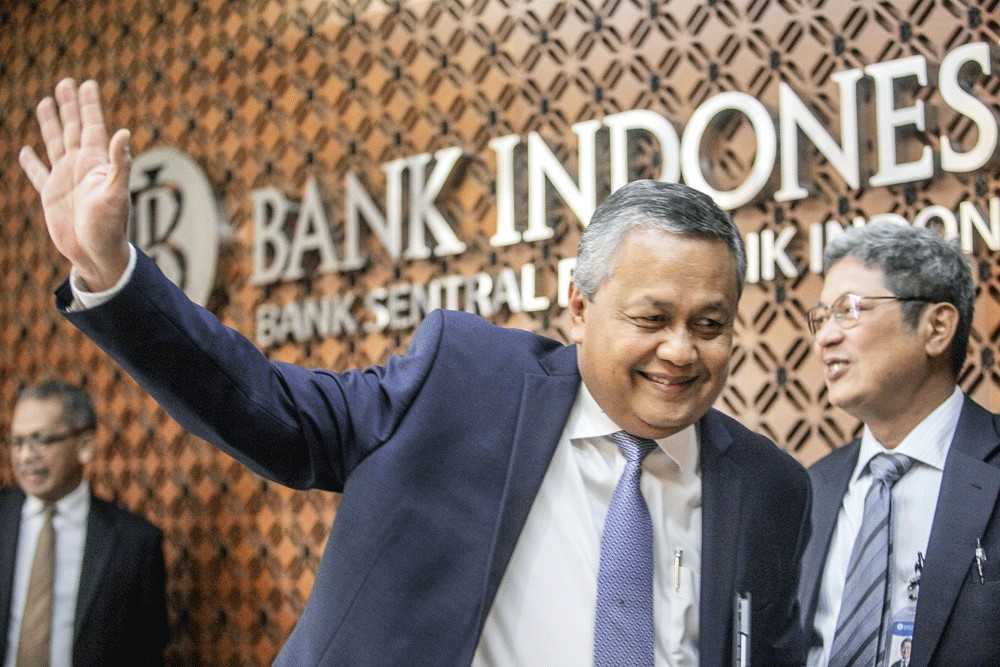
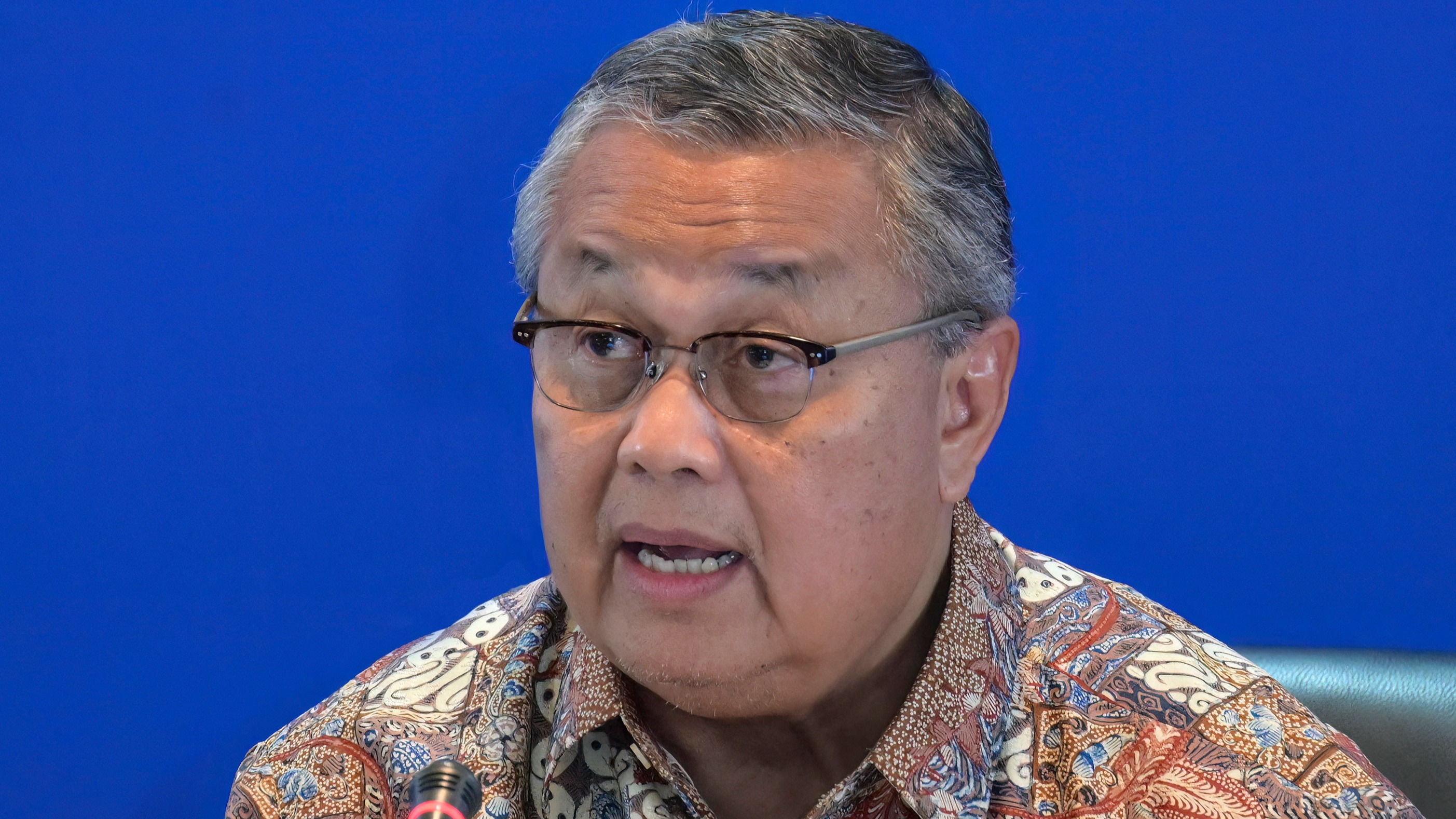
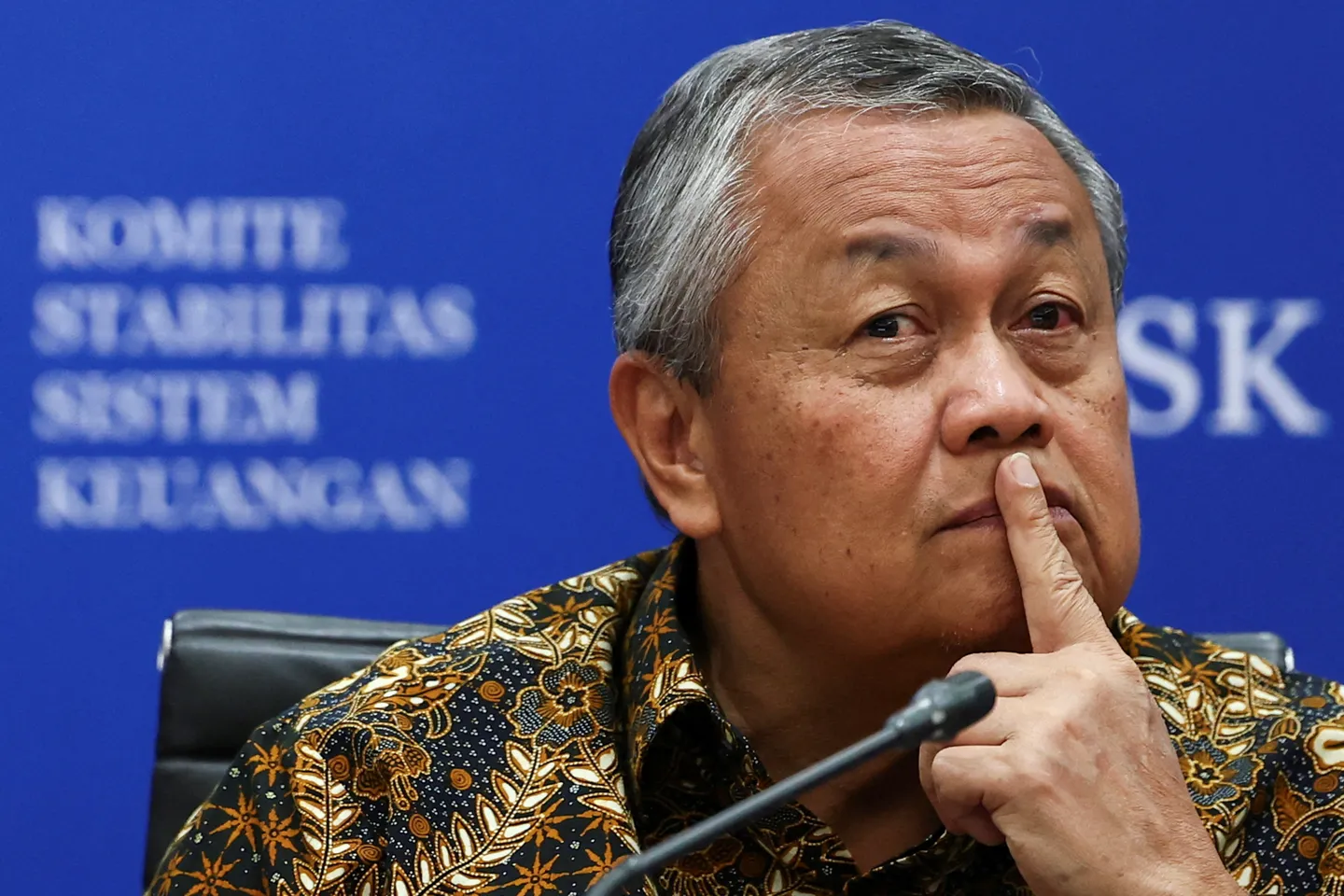
Indonesia's unexpected central bank leadership crisis creates immediate currency and payment volatility for cross-border sellers. On July 26-27, 2026, Governor Perry Warjiyo resigned citing personal reasons, triggering the rupiah to weaken 0.14-0.36% to 17,960-18,000 per USD—its weakest level in over a week—while the Jakarta Stock Exchange initially fell 0.68%. Destry Damayanti was appointed interim governor, but the real concern centers on succession uncertainty: if President Prabowo's nephew Thomas Djiwandono assumes the permanent role, market confidence in central bank independence could collapse further. Moody's and Fitch have already downgraded Indonesia's outlook to negative following Parliament's passage of legislation empowering lawmakers to make binding recommendations for the central bank, signaling political interference in monetary policy.
For cross-border sellers, this creates three immediate financial pressures. First, payment cost volatility: Sellers sourcing electronics, textiles, or components from Indonesian suppliers face 0.5-2% currency headwinds on invoices denominated in rupiah. A $100,000 purchase order now costs an additional $140-360 due to rupiah weakness, compressing margins 2-4% for sellers with thin 5-10% profit margins. Second, FX hedging costs are rising: Forward contracts to lock in rupiah rates now carry 150-250 basis points in hedging premiums (vs. 80-120 bps pre-crisis), making it expensive to protect against further depreciation. Third, payment settlement delays: Indonesian banks may implement stricter capital controls or slower international transfer processing as the central bank manages currency reserves, extending payment cycles from 3-5 days to 7-10 days and tying up working capital.
The institutional credibility collapse amplifies these risks. S&P maintained a stable outlook citing BI's independence since 2005, but the removal of Finance Minister Sri Mulyani Indrawati last year—combined with Warjiyo's sudden departure—signals a pattern of political pressure on technocratic institutions. If Djiwandono (Prabowo's nephew) advances to the permanent governor role, market analysts warn of "significant suspicion" regarding central bank independence, potentially triggering further rupiah depreciation (to 18,500-19,000 per USD) and capital outflows. This creates a cascading effect: weaker rupiah increases import costs for Indonesian manufacturers, who pass costs to exporters, ultimately raising sourcing prices for sellers buying from Indonesia. Additionally, Indonesian consumer purchasing power declines with rupiah weakness, reducing demand for imported goods on local e-commerce platforms—a secondary headwind for sellers targeting Indonesian buyers through Tokopedia, Shopee, or Lazada.
Immediate financial optimization opportunities exist for sellers with Indonesia exposure. Sellers should immediately lock in rupiah forward contracts at current rates (17,960-18,000 per USD) for Q3-Q4 2026 purchases, as rates could deteriorate 3-5% further if Djiwandono is confirmed. Consider shifting 20-30% of sourcing to alternative suppliers in Vietnam, Thailand, or India to reduce single-country currency risk. For sellers with rupiah-denominated receivables (e.g., from Indonesian distributors), accelerate collection timelines by offering 2-3% early payment discounts to convert rupiah to USD before further depreciation. Explore trade finance solutions: invoice factoring providers like Tradeshift or Fintech platforms (Weavr, Payoneer) offer rupiah-to-USD conversion at 1.5-2.5% fees, cheaper than spot market hedging. Monitor Bank Indonesia's intervention strategies—Destry pledged to "continue existing intervention strategies," which may include dollar-selling to support the rupiah, creating brief windows for favorable FX rates.
Questions 7
Will Indonesia's political instability affect my payment settlement timelines?
Yes. Central bank leadership crises typically trigger stricter capital controls and slower international transfer processing as authorities manage currency reserves. Expect payment settlement to extend from 3-5 days to 7-10 days, tying up working capital. Bank Indonesia may implement temporary restrictions on large rupiah-to-USD conversions, delaying supplier payments. Destry Damayanti's appointment as interim governor provides some continuity, but permanent succession uncertainty (if Djiwandono is confirmed) could trigger further delays. Mitigation: (1) Negotiate extended payment terms (60-90 days) with Indonesian suppliers to absorb delays. (2) Use trade finance platforms (Fintech providers) that maintain local rupiah accounts and can process transfers faster than traditional banks. (3) Accelerate collections from Indonesian distributors by offering 2-3% early payment discounts to convert rupiah to USD before further depreciation.
Should I shift sourcing away from Indonesia due to this currency crisis?
Partial diversification is prudent, but complete abandonment is premature. Recommended approach: shift 20-30% of sourcing to alternative suppliers in Vietnam, Thailand, or India to reduce single-country currency risk. Indonesia remains competitive for textiles, electronics components, and furniture due to established supply chains and labor costs. However, the institutional credibility collapse (Moody's/Fitch downgrade, Finance Minister removal last year, now central bank governor resignation) signals ongoing political interference in monetary policy. If Prabowo's nephew Thomas Djiwandono is confirmed as permanent central bank governor, market confidence could collapse further, triggering rupiah depreciation to 18,500-19,000 per USD. Monitor the permanent governor selection process (requires Parliament approval) over the next 60-90 days before making final sourcing decisions. For critical components, maintain dual-sourcing arrangements with Indonesia and alternative countries.