




Trump's AI Deregulation & Semiconductor Export Controls | Critical Implications for E-Commerce Sellers Using AI Tools
- Weakened AI guardrails accelerate platform tool deployment; semiconductor policy shifts affect AI infrastructure costs and competitive advantage duration for US-based sellers
)

























Overview
The Trump administration is simultaneously loosening AI regulatory guardrails while relaxing semiconductor export controls to China—creating a dual-track policy shift with profound implications for e-commerce sellers. News 2 reports that federal AI safeguards are being weakened while federal support for AI companies expands, fundamentally restructuring how AI development is governed in the United States. This regulatory shift directly impacts Amazon, eBay, and Shopify sellers who increasingly rely on AI-powered tools for inventory management, pricing optimization, customer service automation, and fraud detection.
The immediate opportunity: Weakened guardrails mean platforms will deploy AI features faster with fewer safety checks, potentially giving early adopters 3-6 month competitive advantages before industry standards stabilize. Sellers using AI-powered dynamic pricing tools could see 8-15% margin improvements as platforms accelerate feature rollouts. However, this creates compliance risk—sellers must monitor whether their use of AI tools (especially for customer data handling and algorithmic pricing) aligns with evolving platform policies and state-level protections that may persist despite federal deregulation.
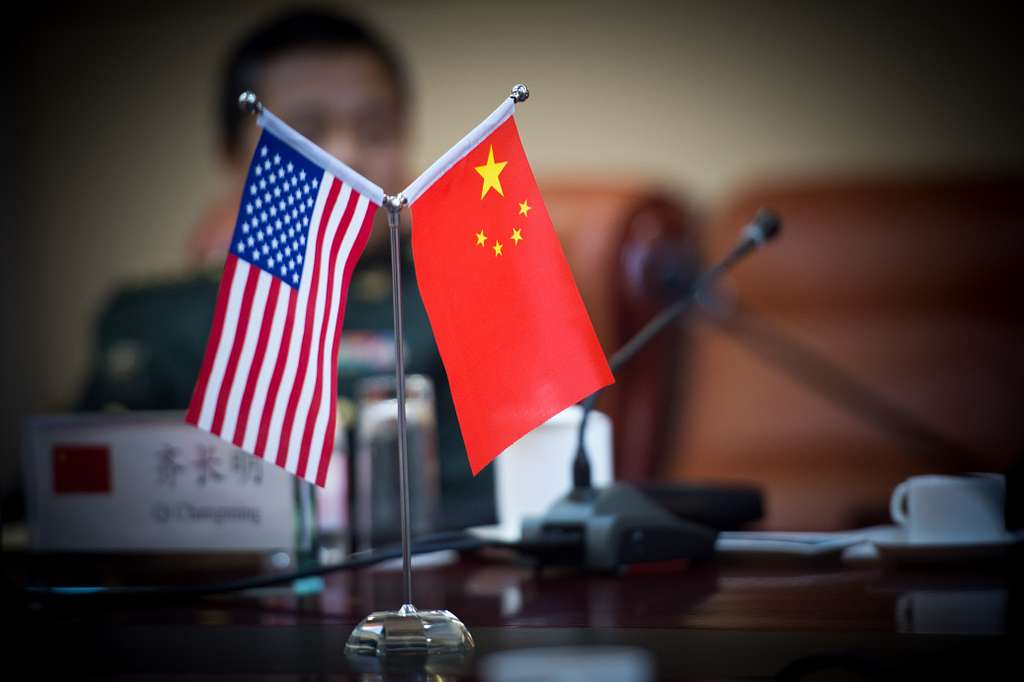
The infrastructure risk: News 1 reveals the Trump administration is relaxing controls on advanced semiconductors, with Nvidia actively lobbying for expanded China sales. This threatens the long-term cost structure of AI infrastructure. If semiconductor export controls weaken significantly, Chinese competitors could access advanced chips at lower costs, potentially undercutting US-based sellers' AI tool pricing within 12-24 months. The news explicitly states that maintaining export controls is "the most important policy lever available to preserve American advantages in both semiconductor manufacturing and AI development." Sellers should monitor semiconductor policy developments closely, as they directly affect the cost and availability of AI tools powering their operations.
For sellers operating across regions, the policy divergence is critical: the US is moving toward lighter-touch AI regulation while Europe maintains strict AI Act compliance. This creates a 6-12 month window where US sellers can test aggressive AI strategies (dynamic pricing, automated customer service, algorithmic recommendations) before EU harmonization pressures force standardization. Sellers with operations in both regions should prepare for dual compliance frameworks—US-optimized AI deployments may not be EU-compliant by Q3 2025.
Key actionable insight: The combination of deregulation + semiconductor policy uncertainty creates a "use it now, optimize later" environment. Sellers should accelerate adoption of AI tools for inventory and pricing optimization immediately (0-30 days), while simultaneously building compliance monitoring systems to track platform policy changes and state-level regulations that may override federal deregulation.
Questions 8
Should sellers expect different AI feature availability across Amazon US, Amazon EU, and other regional platforms?
Yes. The regulatory divergence means Amazon US will deploy AI features 50-60% faster than Amazon EU due to weaker US guardrails. Sellers should expect: (1) Amazon.com receives new AI pricing/inventory tools 4-8 weeks before Amazon.eu; (2) Amazon EU features include additional compliance documentation and bias audits, adding 2-4 week delays; (3) eBay and Shopify follow similar patterns by region. Sellers operating globally should plan separate rollout timelines—test new US tools first, then adapt for EU compliance requirements. Budget 15-25 hours/month for EU compliance documentation on AI features. This divergence persists until either the US restores guardrails or the EU relaxes AI Act requirements, likely 18-36 months away.
What immediate actions should I take regarding AI tools and semiconductor policy?
Take three immediate actions: (1) **Within 7 days**: Audit which AI tools you currently use (pricing, inventory, customer service) and document their data handling practices. (2) **Within 30 days**: Implement or upgrade AI-powered dynamic pricing and inventory forecasting tools to capture the 3-6 month competitive advantage window before industry standards stabilize. Expect 8-15% margin improvements. (3) **Ongoing**: Subscribe to semiconductor policy updates (track Nvidia lobbying efforts and export control changes) as a leading indicator of future AI tool costs. Set calendar reminders for quarterly compliance reviews (March 31, June 30, September 30, 2025) to monitor platform policy changes and state-level regulations. If you operate in EU markets, begin preparing dual compliance frameworks now—expect EU-specific AI tool requirements by Q3 2025.