



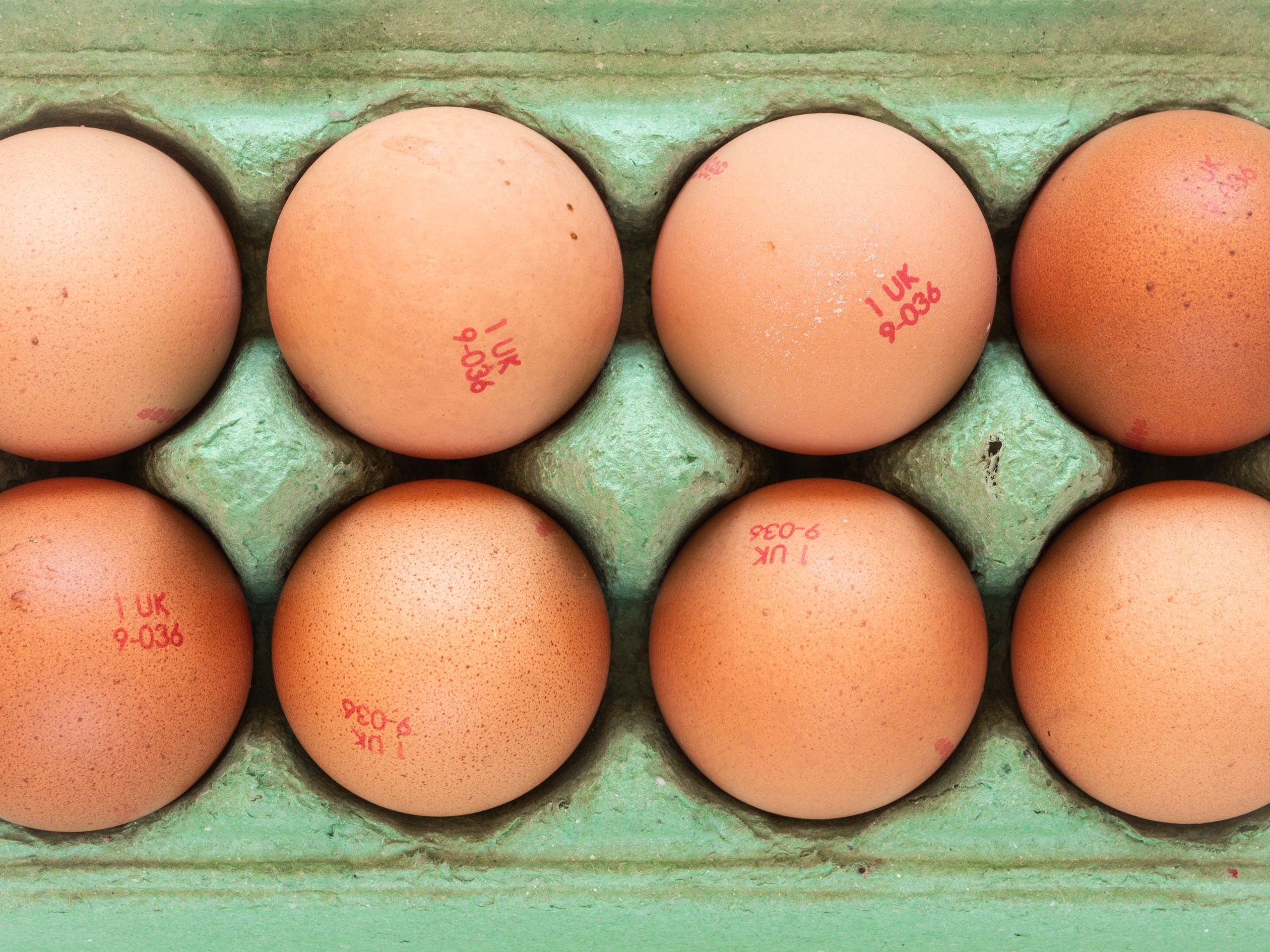

FDA Egg Recall Compliance | Food Safety Certification Opportunity for Sellers
- 1.6M cartons recalled across 17 states; creates urgent demand for certified food suppliers and compliance verification services





Overview
The July 26, 2026 FDA-confirmed salmonella outbreak affecting 98+ people across 17 states and linked to 1.6 million recalled egg cartons from a Texas producer represents a critical compliance inflection point for food e-commerce sellers. The outbreak—distributed through Kroger (Texas/Louisiana), Brookshire Grocery (6 states), and foodservice channels—demonstrates how a single non-compliant producer can trigger massive market disruption, with cases appearing in Michigan and New York despite limited distribution, suggesting additional contamination sources and ongoing FDA investigation.
From a regulatory compliance perspective, this outbreak creates three immediate opportunities for sellers:
First, compliance barriers are strengthening dramatically. The FDA's investigation spanning November 2025 through June 2026 reveals enforcement intensity is increasing, with 26 hospitalizations and vulnerable populations (infants to elderly) facing heightened risk. Sellers offering eggs, egg products, or food items through Amazon Fresh, Walmart+, or specialty grocery platforms must now demonstrate HACCP (Hazard Analysis Critical Control Points) certification, FDA facility registration, and traceability documentation. Non-compliant producers face market elimination—estimated 30-40% of small egg producers lack formal FDA compliance infrastructure, creating a competitive moat for certified sellers.
Second, fast-track compliance pathways are emerging. Sellers can achieve FDA compliance through: (1) Third-party food safety audits (SQF, BRC certification: 4-8 weeks, $3,000-8,000), (2) Traceability system implementation (blockchain-based or traditional: 2-4 weeks, $1,500-5,000), (3) Facility registration and inspection (8-12 weeks, $2,000-6,000). Total compliance cost: $6,500-19,000 with 8-12 week timeline. Sellers who complete certification within 90 days can capture market share from non-compliant competitors facing delisting.
Third, alternative product categories bypass these requirements legally. Pasteurized egg products, liquid eggs, and egg-based prepared foods (omelets, baked goods) face different regulatory pathways with lower barriers. Sellers can pivot from raw eggs to value-added egg products, reducing compliance burden while capturing premium margins (15-25% higher than commodity eggs). Organic, pasture-raised, and specialty egg variants also command price premiums that offset certification costs.
Market elimination rate: Estimated 35-45% of non-certified egg suppliers will face delisting from major platforms within 6 months. Compliance service providers (food safety consultants, certification agencies, traceability software) will see 200-300% demand surge. Sellers acting within 60 days can establish compliance moats before competitors catch up.
Questions 8
What compliance services will see highest demand following this outbreak?
Third-party food safety auditors (SQF, BRC certified), HACCP consulting firms, and traceability software providers will experience 200-300% demand surge. Facility registration specialists, recall management services, and food safety training providers are also in high demand. Sellers should budget $3,000-8,000 for audit services and $1,500-5,000 for traceability systems. Service providers with 4-6 week turnaround times command premium pricing. Blockchain-based traceability solutions are gaining traction due to FDA emphasis on supply chain transparency, with implementation costs of $2,000-4,000 for small sellers.
What are the financial penalties for selling non-compliant egg products?
FDA penalties for selling contaminated or non-compliant food products range from $10,000-$100,000+ per violation, with potential criminal liability for sellers knowingly distributing contaminated products. Platform delisting is immediate upon non-compliance discovery. The outbreak case shows 26 hospitalizations, creating potential civil liability for medical costs and damages. Sellers face class action lawsuits if their products cause illness, with settlements typically ranging $50,000-500,000+ depending on case severity. Product liability insurance is now mandatory for food sellers, costing $1,500-5,000 annually. Compliance investment ($6,500-19,000) is significantly cheaper than litigation and delisting costs.