



Fed Rate Hike Risk & Oil Volatility Impact Cross-Border Seller Costs
- Brent crude at $90/barrel and 33% Fed hike probability create 8-15% shipping cost swings for international sellers











Overview
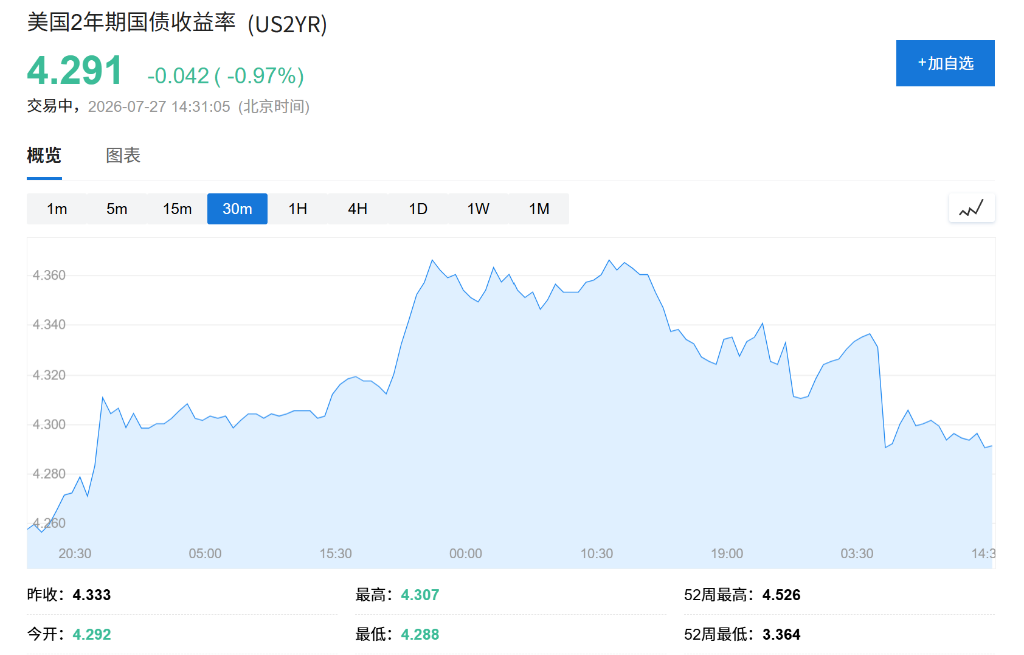
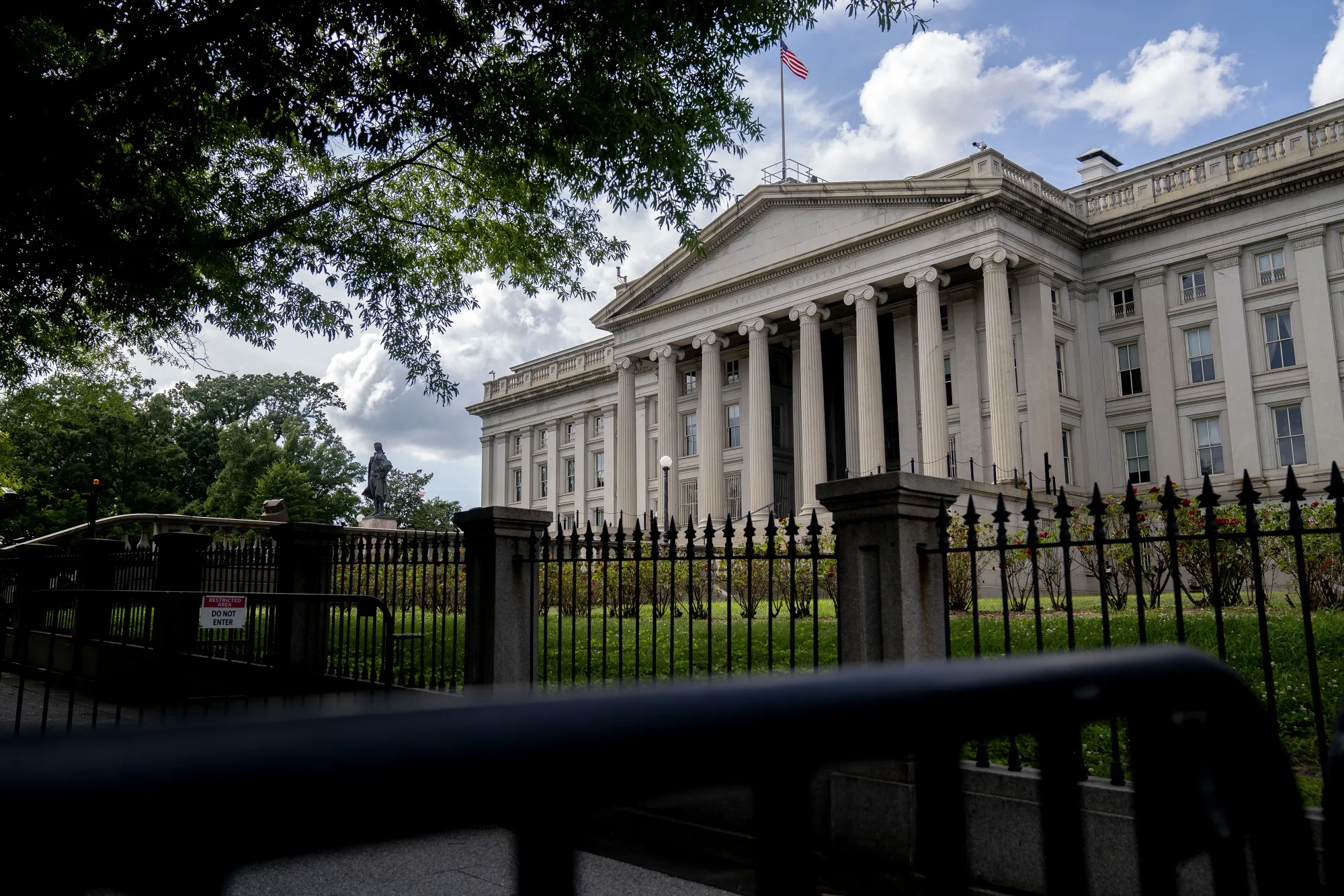
On July 27, 2026, US Treasury yields edged higher as oil prices declined following the US military pause against Iran, with the 10-year Treasury note at 4.65% and Brent crude sliding to ~$90/barrel. A roughly one-in-three probability of a Federal Reserve interest rate hike scheduled for Wednesday creates immediate financial pressure on cross-border e-commerce sellers. This macroeconomic confluence directly impacts three critical seller cost drivers: (1) Shipping Expenses: Oil price volatility directly correlates to air freight and ocean shipping rates. At $90/barrel, fuel surcharges typically range 8-12% of base shipping costs; a $10/barrel swing can increase international logistics costs by $200-400 monthly for mid-sized sellers shipping 500+ units. (2) Currency Strength & Competitiveness: Rising Treasury yields strengthen the US dollar, which historically appreciates 0.5-1.5% per 25 basis point yield increase. For sellers sourcing from Asia (China, Vietnam, India), this compression reduces profit margins by 3-8% on USD-denominated costs while competing against US-based sellers with natural currency hedges. (3) Financing Costs & Working Capital: The potential Fed rate hike signals higher borrowing costs for inventory financing. Sellers using inventory loans, PO financing, or trade credit lines face APR increases of 50-150 basis points, raising annual financing costs from $5,000-$15,000 for typical mid-market operations. Immediate Financial Optimization Opportunities: Sellers should lock in shipping rates NOW before potential fuel surcharge increases post-Fed decision. Cross-border sellers with Asian suppliers should consider forward FX contracts to hedge USD strength—a 2% currency move represents $2,000-$8,000 in margin protection on $100K-$400K quarterly inventory purchases. Sellers relying on air freight for time-sensitive categories (electronics, fashion, beauty) face the highest exposure; switching 30-40% of volume to ocean freight can save $3,000-$12,000 monthly despite longer lead times. For financing, sellers should accelerate PO financing or invoice factoring arrangements before rate hikes materialize, locking in current 6-8% APR rates versus anticipated 7.5-9.5% post-hike rates. The geopolitical uncertainty surrounding Iran tensions adds unpredictability to energy markets, historically creating 2-4 week logistics delays and 5-10% rate volatility spikes. Sellers should build 15-20% buffer inventory for critical SKUs and monitor Fed communications daily through July 31, 2026.
Questions 8
How does USD strength from rising Treasury yields affect my profit margins?
Rising Treasury yields strengthen the US dollar by approximately 0.5-1.5% per 25 basis point increase. For sellers sourcing from China at typical 40% COGS ratios, a 2% USD appreciation reduces gross margins by 0.8-1.2 percentage points. On a $100K quarterly purchase, this represents $800-$1,200 in lost margin. Sellers should implement forward FX contracts to lock in current exchange rates—a 3-month forward contract on CNY/USD typically costs 0.3-0.5% but protects against 2-3% adverse moves, making it cost-effective for sourcing volumes above $50K quarterly.
Should I switch from air freight to ocean freight given current oil volatility?
Yes, for non-urgent inventory. Ocean freight at $90/barrel costs 40-50% less than air freight while fuel surcharges are 60-70% lower. The tradeoff is 25-35 day transit vs 5-7 days for air. Sellers should shift 30-40% of volume to ocean freight for seasonal inventory (sourced 8-12 weeks ahead) and reserve air freight for fast-movers and replenishment orders. This mix typically saves $3,000-$12,000 monthly for mid-market sellers while maintaining service levels. Current geopolitical uncertainty makes this shift urgent before potential oil spikes.