





Claude AI Data Breach Exposes Seller Credentials | Compliance & Data Security Risk for E-Commerce Businesses
- Sensitive seller data (API keys, wallet credentials, business addresses) publicly searchable; mirrors 210K ChatGPT exposure in 2024; creates urgent compliance liability for cross-border sellers using AI tools


Overview
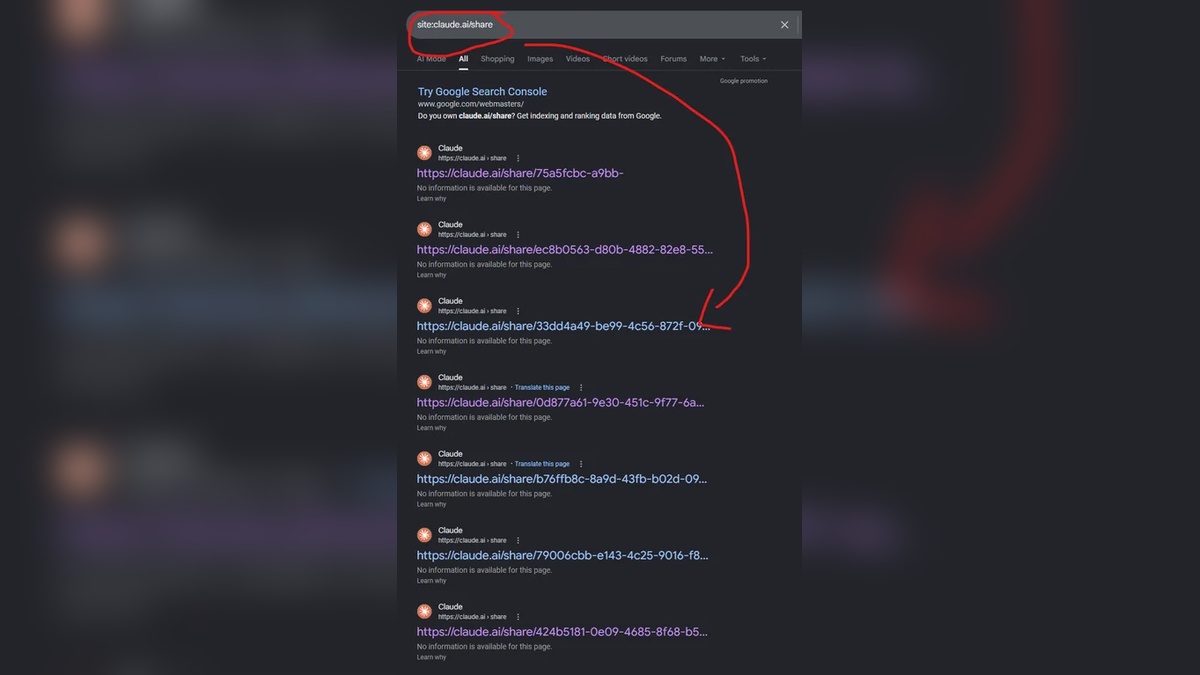
The Claude AI data exposure represents a critical compliance and operational security risk for e-commerce sellers who use AI tools for business operations. The incident, which exposed Claude conversations containing cryptocurrency wallet keys, API credentials, personal addresses, phone numbers, and medical billing data through Google search indexing, mirrors a 2024 ChatGPT exposure affecting approximately 210,000 conversations. This creates immediate liability for sellers who may have inadvertently shared sensitive business credentials—including Amazon API keys, payment processor tokens, supplier contact information, and customer data—through Claude's sharing feature, which generates publicly accessible links that Google indexes via search dorks.
For cross-border e-commerce sellers, this exposure creates three critical compliance vulnerabilities. First, sellers using Claude for business automation (inventory management, supplier communication, product research) may have exposed API credentials that grant unauthorized access to their Amazon Seller Central, Shopify admin panels, or payment systems. Second, the exposure of personal addresses and phone numbers violates GDPR (EU), CCPA (California), and emerging data protection regulations in Asia-Pacific markets, creating potential fines of 2-4% of annual revenue for non-compliance. Third, the permanence of the breach—even after Google removes search results, users with direct links retain indefinite access, and security researchers have already archived exposed data—means sellers cannot fully remediate the exposure. The incident highlights systemic vulnerabilities in how AI platforms handle user-generated content and search visibility, suggesting similar risks exist across OpenAI, Google Gemini, and other AI tools that sellers increasingly rely on for business operations.
The regulatory and operational implications are substantial. Unlike ChatGPT's 2024 breach, which primarily affected individual users, Claude's exposure directly threatens business operations for sellers who use the platform for competitive analysis, supplier negotiations, and customer service automation. Sellers face potential liability under data protection laws if customer information was exposed, plus operational risk if business credentials were compromised. The incident also creates a compliance service opportunity: sellers now require data security audits, credential rotation protocols, and AI tool governance frameworks to prevent future exposures. Anthropic's delayed response (no immediate comment at time of reporting) suggests inadequate incident response procedures, raising questions about the platform's suitability for business-critical operations. Sellers should immediately audit their Claude usage, identify exposed conversations, rotate any compromised credentials, and implement strict data governance policies prohibiting sensitive information sharing on AI platforms.
Questions 7
What sensitive seller data was exposed in the Claude AI breach?
Claude conversations containing cryptocurrency wallet keys, API credentials, personal business addresses, phone numbers, and medical billing data were exposed through Google search indexing. For e-commerce sellers specifically, this includes Amazon API keys, Shopify admin tokens, payment processor credentials, and supplier contact information that could enable unauthorized access to seller accounts or compromise business operations. The exposure occurred through Claude's sharing feature, which creates publicly accessible links that Google's search algorithm indexes, making them discoverable via targeted search queries (Google dorks). Unlike typical data breaches, even after Google removes search results, users with direct links retain indefinite access to exposed conversations, and security researchers have already archived the data before removal.
How can sellers protect API credentials from AI platform exposure?
Sellers should implement strict data governance policies prohibiting API keys, payment tokens, and authentication credentials from being shared on any AI platform, including Claude, ChatGPT, and Google Gemini. Best practices include: (1) using environment variables and credential managers (AWS Secrets Manager, HashiCorp Vault) instead of hardcoding credentials; (2) rotating API keys immediately if shared on AI platforms; (3) implementing IP whitelisting and rate limiting on exposed credentials; (4) using read-only API keys for non-critical operations; (5) enabling multi-factor authentication on all seller accounts; (6) conducting monthly credential audits to identify exposed keys. For Amazon sellers specifically, use IAM roles instead of root account credentials, and regularly review API access logs in Seller Central. Shopify sellers should use custom apps with limited scopes rather than sharing admin tokens. Payment processors should be notified immediately if tokens were exposed.