




Trump Tariffs 10-12.5% on 60 Countries | Urgent Seller Sourcing Strategy Update
- New tariff regime affects 60+ nations with 10-12.5% duties; immediate sourcing cost increases for electronics, apparel, home goods sellers; compliance deadline unclear but effective immediately











Overview
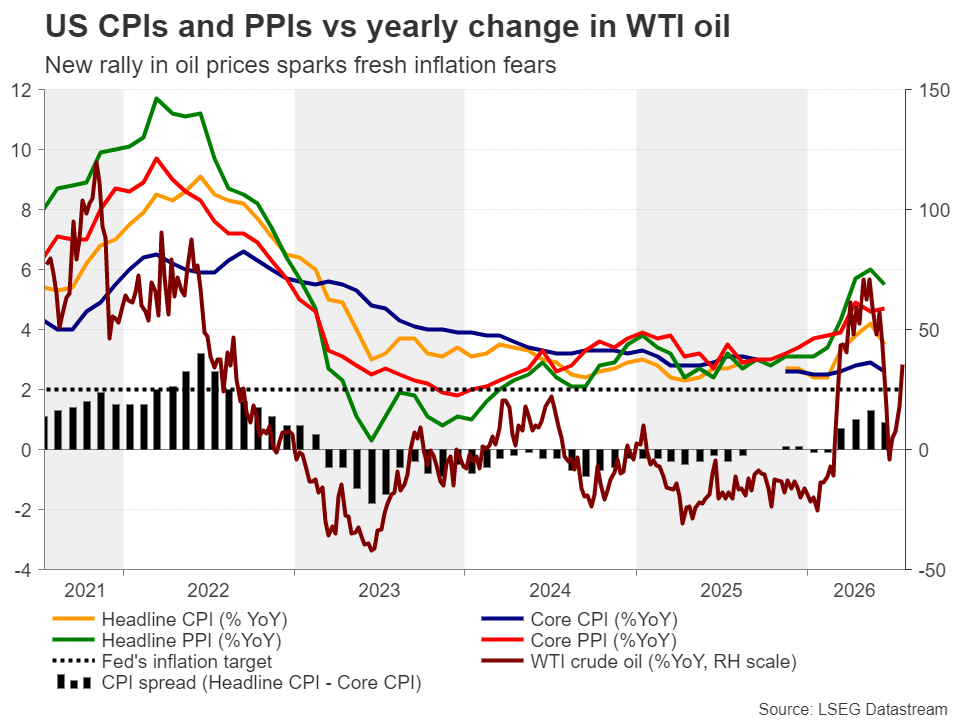
The Trump administration's new tariff announcement targeting approximately 60 countries with duties of 10-12.5% represents a critical policy shift for cross-border e-commerce sellers. This replaces previously ruled-illegal April 2025 "Liberation Day" tariffs, signaling a more sustainable tariff framework. The tariffs directly impact product sourcing costs for sellers importing goods from affected nations, with immediate implications for inventory planning, pricing strategies, and supplier diversification. Current inflation at 4.1% annually and core inflation at 3.4% (both above the Federal Reserve's 2% target) compound the cost pressure, as sellers face simultaneous tariff increases and elevated input costs.
For Amazon FBA sellers, eBay merchants, and Shopify store operators, the 10-12.5% tariff increase translates to immediate cost compression across high-volume categories. Electronics sellers importing from China, Vietnam, and India face the steepest impact—a $100 product cost becomes $110-112.50 at tariff entry, reducing margins by 8-12% unless prices increase. Apparel and home goods sellers experience similar pressure, with fast-fashion categories (Amazon Fashion, eBay Fashion) particularly vulnerable due to thin margins (15-25% typical). Small and medium sellers (SMBs) with limited supplier relationships face higher adaptation costs than large enterprises with established tariff planning. The announcement creates immediate urgency: sellers must audit supplier locations, calculate tariff exposure by HS code, and decide between price increases (risking demand loss) or margin compression (reducing profitability).
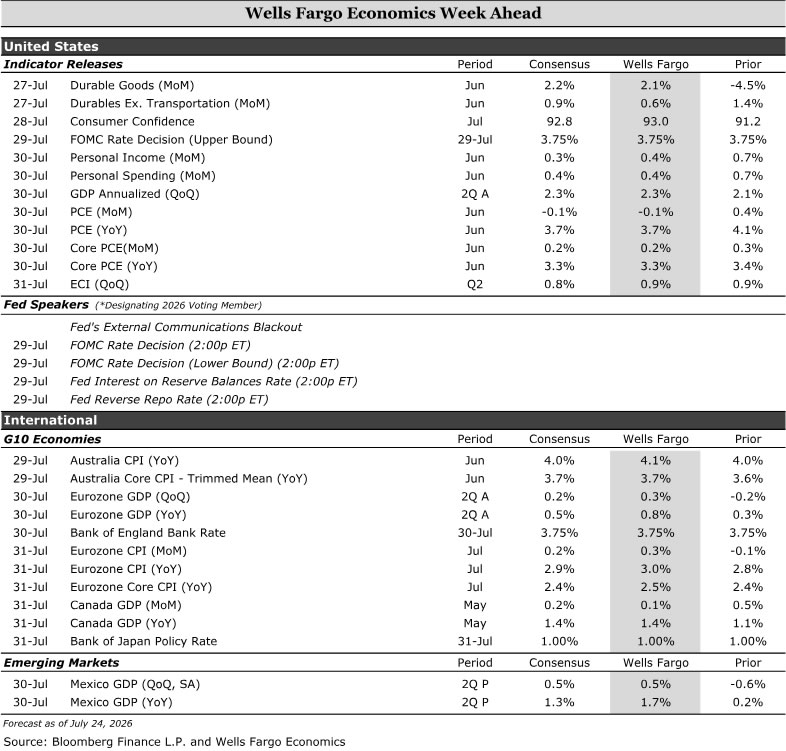
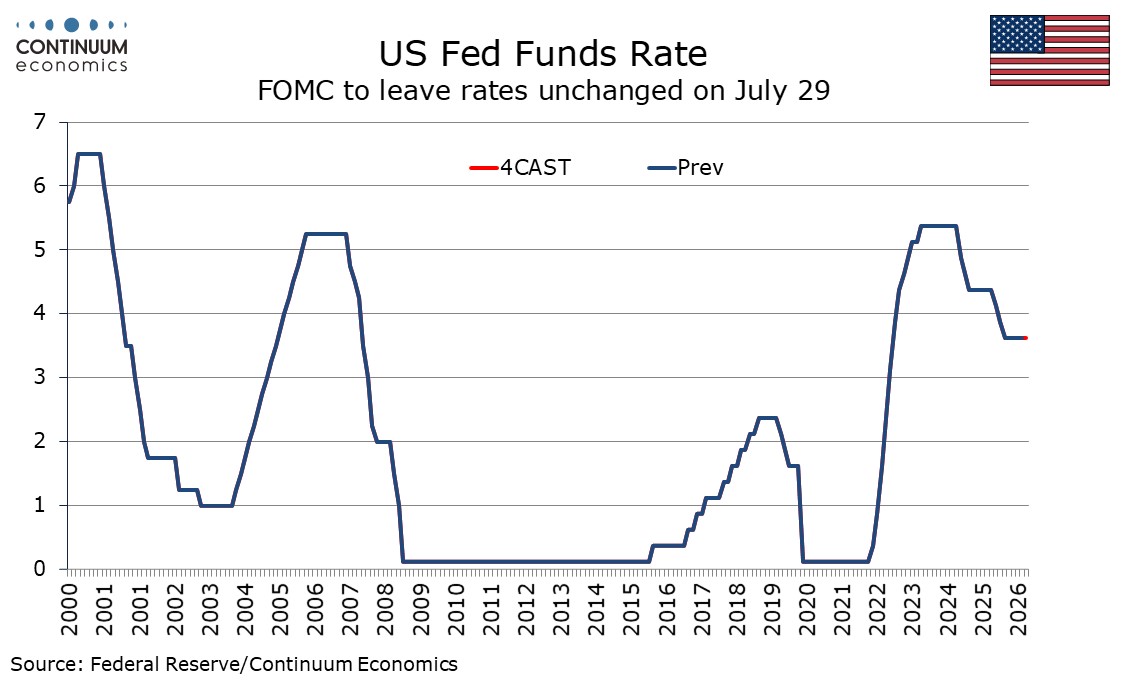
Strategic sourcing shifts become essential within 30-60 days. Sellers should evaluate tariff-advantaged sourcing countries: Mexico (USMCA benefits), India (potential tariff exemptions), and Vietnam (lower tariff exposure for certain categories). The Federal Reserve's interest rate decision—expected to remain unchanged this week—suggests credit costs won't ease, making inventory financing more expensive. Consumer confidence reports (Tuesday Conference Board survey) and Q2 GDP forecast (2.1% annual growth) will reveal demand elasticity; if consumers reduce spending due to tariff-driven price increases, sellers face demand destruction alongside margin pressure. The geopolitical context (Iran tensions, oil price volatility) adds supply chain risk, particularly for logistics-dependent categories.
Immediate actions: (1) Audit current supplier tariff exposure by HS code within 7 days; (2) Request tariff impact quotes from 2-3 alternative suppliers in tariff-advantaged countries by January 15; (3) Model pricing scenarios (5%, 10%, 15% increases) and demand elasticity by category; (4) Monitor Fed communications for interest rate signals affecting inventory financing costs. Strategic adjustments over 1-3 months include diversifying supplier base (target 30-40% sourcing from tariff-advantaged regions), evaluating 3PL partnerships to optimize inventory positioning, and considering marketplace diversification (Walmart, Target, specialty platforms) to reduce Amazon dependency. Risk mitigation requires tracking tariff exemption petitions (potential relief for specific categories) and monitoring competitor pricing to avoid margin compression from price wars.
Questions 8
Should I raise prices on Amazon, eBay, or Shopify to offset tariff costs?
Price increases depend on demand elasticity in your category. The Federal Reserve's inflation assessment (currently 4.1% annually) and upcoming consumer confidence reports (Tuesday) will reveal whether consumers can absorb additional price increases. Fast-fashion and electronics typically show higher price sensitivity; home goods and specialty items tolerate higher markups. Model 5%, 10%, and 15% price scenarios and monitor competitor pricing to avoid demand destruction. Small sellers with thin margins (15-25%) face higher risk from price increases than premium brands with 40%+ margins.
How long do I have to adjust my sourcing strategy before tariffs take effect?
The tariffs are effective immediately, creating urgent pressure for sourcing decisions. The news indicates these tariffs replace previously ruled-illegal April 2025 tariffs, suggesting they're already in force. You have 7-30 days to audit supplier exposure and request alternative quotes, and 30-60 days to negotiate new supplier contracts or shift inventory positioning. Delays increase risk of margin compression on existing inventory. Monitor Federal Reserve communications (next week's FOMC meeting) for interest rate signals that affect inventory financing costs during this transition.