



Best Buy Locks Exclusive TV Rights | Electronics Sellers Face Retail Consolidation Pressure
- Best Buy secures exclusive distribution for "generational upgrade" TV line; signals retail consolidation strategy affecting third-party electronics sellers and marketplace competition dynamics



Overview
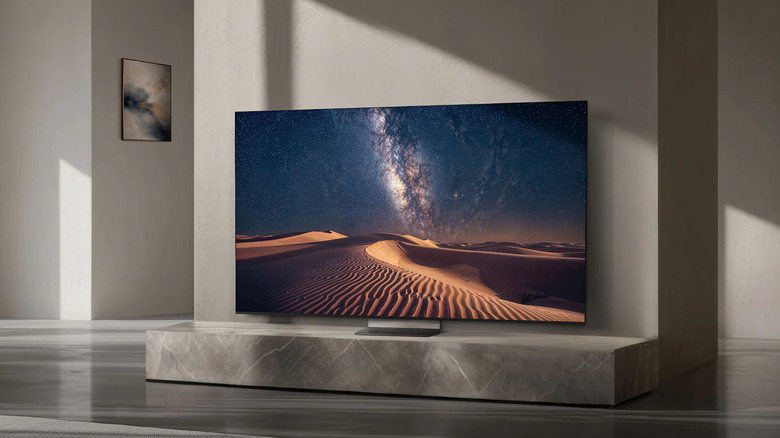
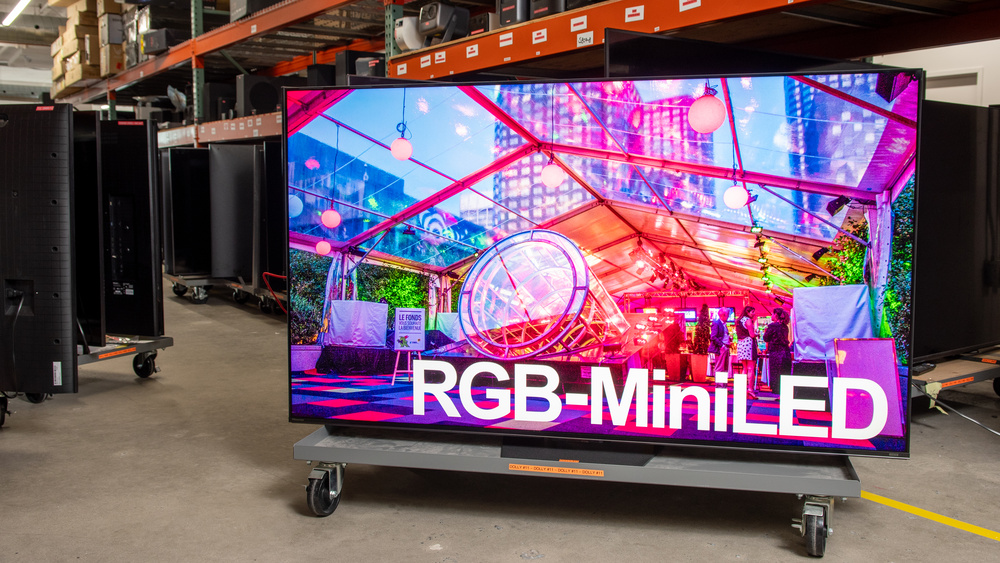
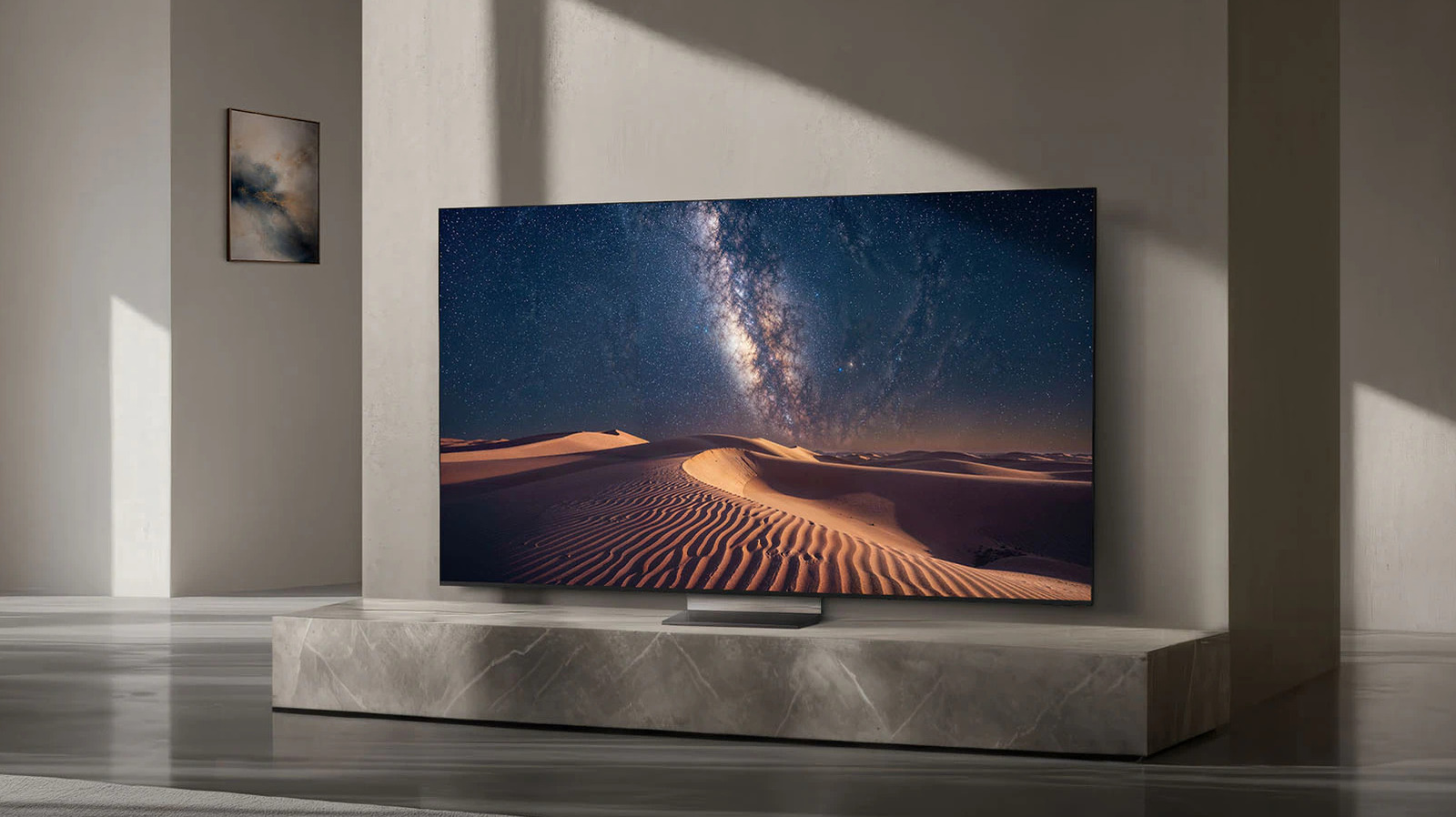
Best Buy's acquisition of exclusive distribution rights to a new television line represents a critical shift in consumer electronics retail strategy that directly impacts third-party sellers and marketplace dynamics. The retailer's emphasis on this being a "generational upgrade" with potential innovations in display technology, processing capabilities, and smart TV features signals a major product differentiation play designed to drive foot traffic and online sales during a competitive period. This exclusivity arrangement—a common strategy in consumer electronics retail—typically involves direct manufacturer negotiations, inventory commitments, and coordinated marketing support that can reshape pricing dynamics across the broader TV market.
For cross-border and third-party sellers, this development creates both challenges and opportunities. The exclusivity deal demonstrates how major retailers are increasingly securing direct manufacturer partnerships to differentiate product offerings and compete against Amazon and other online marketplaces. This trend pressures sellers who rely on commodity electronics or mid-tier TV products, as exclusive distribution concentrates inventory with specific retailers. However, it also creates arbitrage opportunities: sellers can capitalize on price differences between exclusive retail channels and secondary markets, source complementary products (TV stands, mounting hardware, smart home integration devices), or target underserved customer segments seeking alternative brands or price points. The announcement's vagueness about specifications, pricing, and launch timeline suggests Best Buy is building anticipation—a marketing tactic that typically precedes aggressive promotional campaigns and inventory buildouts.
Marketplace implications are significant. Best Buy's strategy mirrors Amazon's own exclusive product partnerships and signals that retail consolidation around exclusive brands will intensify. Third-party sellers on Amazon, eBay, and Walmart Marketplace should expect increased competition from retailer-exclusive products and may need to shift toward complementary categories (TV accessories, installation services, extended warranties) or focus on price-sensitive segments where exclusivity matters less. The deal also indicates that manufacturers are willing to trade broader distribution for retail support and marketing commitment—a dynamic that favors sellers with strong brand equity or niche positioning. For sellers currently competing in the mainstream TV market, this is a signal to diversify product portfolios, strengthen supplier relationships, and consider exclusive partnerships with emerging brands or regional manufacturers seeking marketplace distribution.
Questions 7
How does this exclusive deal reflect broader retail strategy changes affecting sellers?
Best Buy's exclusive partnership strategy mirrors Amazon's own exclusive brand initiatives and signals that retail consolidation around exclusive products will accelerate. Major retailers are increasingly securing direct manufacturer partnerships to differentiate from competitors and reduce reliance on commodity products. This trend favors sellers with strong brand equity, niche positioning, or exclusive partnerships of their own. Sellers without exclusive relationships should focus on service differentiation (faster shipping, better customer support, bundled offerings) and category diversification to remain competitive as retail consolidation intensifies.
What is the expected impact on TV category pricing across all marketplaces?
Exclusive retail deals typically create 5-15% price compression in non-exclusive TV categories as retailers use exclusive products as loss leaders to drive traffic. Best Buy's exclusive line will likely be priced competitively to capture market share, forcing other retailers and marketplace sellers to adjust pricing downward. However, premium and niche TV segments (gaming, commercial, outdoor) typically see less price pressure. Sellers should expect margin compression of 8-12% in mainstream TV categories over the next 2-3 months, with potential recovery as the exclusive product matures and retail promotional intensity decreases.