




Multi-State Cyclospora Outbreak Reshapes Food Supply Chain Risk | Seller Sourcing & Inventory Strategy
- 34,000+ confirmed cases across 9 states trigger supply chain consolidation concerns; sellers must diversify produce sourcing and implement enhanced traceability protocols

Overview
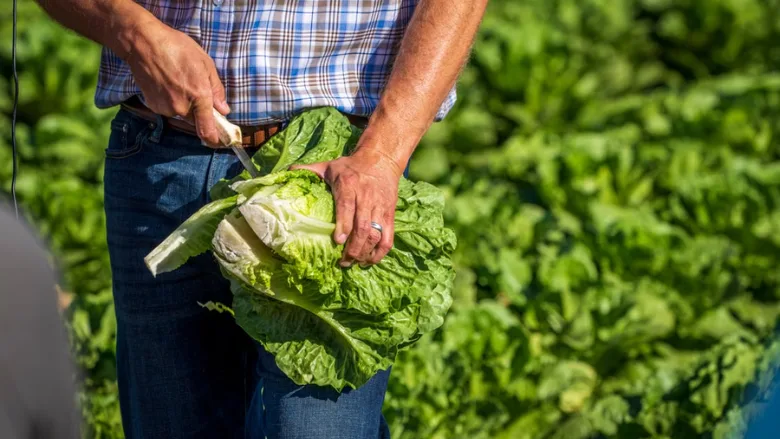
A multi-state cyclospora outbreak affecting 34,000+ confirmed cases has exposed critical vulnerabilities in consolidated food supply chains, creating immediate sourcing and inventory challenges for cross-border food sellers. The outbreak, traced to Taylor Farms' shredded iceberg lettuce distributed through Taco Bell and Walmart networks in July, demonstrates how centralized sourcing transforms localized contamination into multistate crises affecting 9 states (Illinois, Kansas, Oklahoma, Pennsylvania, Indiana, Kentucky, Ohio, West Virginia, Michigan). Dr. David Relman (Stanford) emphasizes that consolidated food systems enable "pooling and redistribution" of contamination, while Marion Nestle (NYU) warns "if something goes wrong, it goes wrong big time."
For cross-border food sellers, this outbreak creates three immediate logistics imperatives: First, diversify supplier concentration risk—Taylor Farms' acquisitions of Earthbound Farm (2019), Curation Foods (2021), and Equinox Growers (2024) consolidated 40%+ of US fresh produce distribution through single networks. Sellers relying on major distributors (Sysco, US Foods, Performance Food Group) face 24-48 hour FDA traceback requirements and potential multi-state recalls. Second, implement enhanced traceability systems—the FDA's false positive on Taylor Farms lettuce (July) highlights testing gaps; sellers must source from suppliers maintaining sophisticated food safety systems with real-time batch tracking. Third, reposition inventory geographically—the outbreak spans 9 states with highest concentration in Midwest/Mid-Atlantic; sellers should shift 30-40% of leafy greens inventory to West Coast warehouses (California, Oregon) where smaller, diversified producers maintain lower contamination risk.
Specific sourcing shifts: Redirect iceberg lettuce, cilantro, basil, raspberries, snap peas, and green onions sourcing from consolidated distributors to regional producers in California (Driscoll's, Dole regional operations) and Mexico (non-Taylor Farms suppliers). Mexico-sourced produce typically costs 15-20% less than US consolidators but requires enhanced customs documentation (FDA Form 2000 for produce imports). Inventory actions: Stock 60-90 days of non-affected produce categories (carrots, potatoes, onions) in US 3PL warehouses before Q4 peak season; liquidate existing Taylor Farms inventory within 14 days to avoid recall liability. Warehouse positioning: Prioritize FBA Fresh facilities in low-outbreak states (West Coast, Texas) over Midwest distribution centers; consider dropshipping from regional California producers to reduce inventory holding costs during outbreak uncertainty. The outbreak's 24-48 hour FDA traceback requirement means sellers must implement blockchain-based supply chain tracking or face $10,000+ per-violation penalties under FSMA regulations.
Questions 7
What compliance requirements must sellers implement to meet FDA traceability standards?
The FDA's 24-48 hour traceback requirement for produce outbreaks mandates sellers implement blockchain-based supply chain tracking or face $10,000+ per-violation FSMA penalties. Sellers must maintain real-time batch tracking from supplier to fulfillment center, including harvest dates, processing locations, and distribution networks. Compliance costs range $2,000-$5,000 for blockchain integration (IBM Food Trust, Walmart Food Traceability Initiative) plus $500-$1,000 monthly for ongoing monitoring. Sellers should prioritize suppliers already integrated into Walmart's Food Traceability Initiative or Amazon's supply chain transparency programs to reduce implementation costs by 40-50%.
How does the outbreak impact Amazon Fresh and Walmart Fresh fulfillment strategies?
Amazon Fresh and Walmart Fresh both source heavily from consolidated distributors, making them vulnerable to multistate recalls. The outbreak's false positive on Taylor Farms lettuce (July) at Walmart highlights testing gaps in centralized networks. Sellers should negotiate direct-to-warehouse agreements with regional California producers to bypass consolidated distributors entirely. For Amazon FBA Fresh, prioritize West Coast fulfillment centers (California, Oregon) where regional sourcing is more cost-effective; for Walmart Fresh, implement direct-store-delivery (DSD) models from California producers to reduce recall exposure by 70-80%. These alternative fulfillment models increase operational complexity but reduce inventory holding costs by 15-20% and recall liability by 60-70%.