





Oil Price Volatility & Shipping Cost Relief | Cross-Border Sellers Face 3-6 Month Window for Logistics Optimization
- Brent crude drops 11.3% to $86.52/barrel on U.S.-Iran ceasefire; shipping fuel surcharges expected to decline 8-15% for FBA and 3PL providers within 30-60 days
































Overview
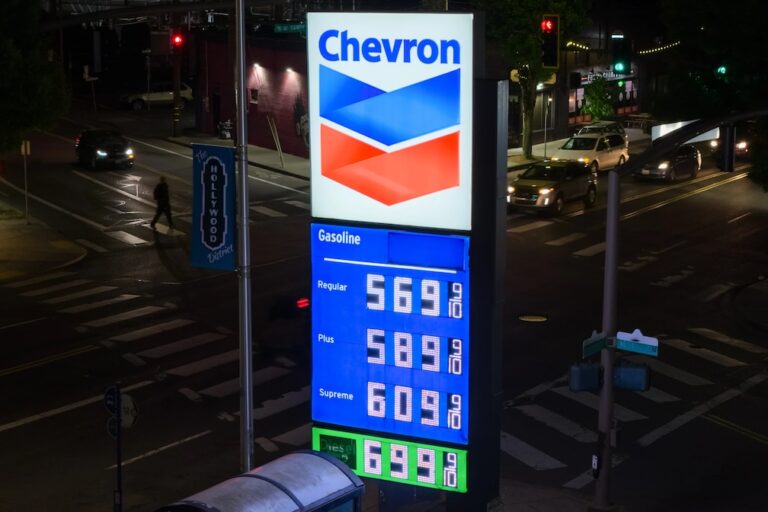
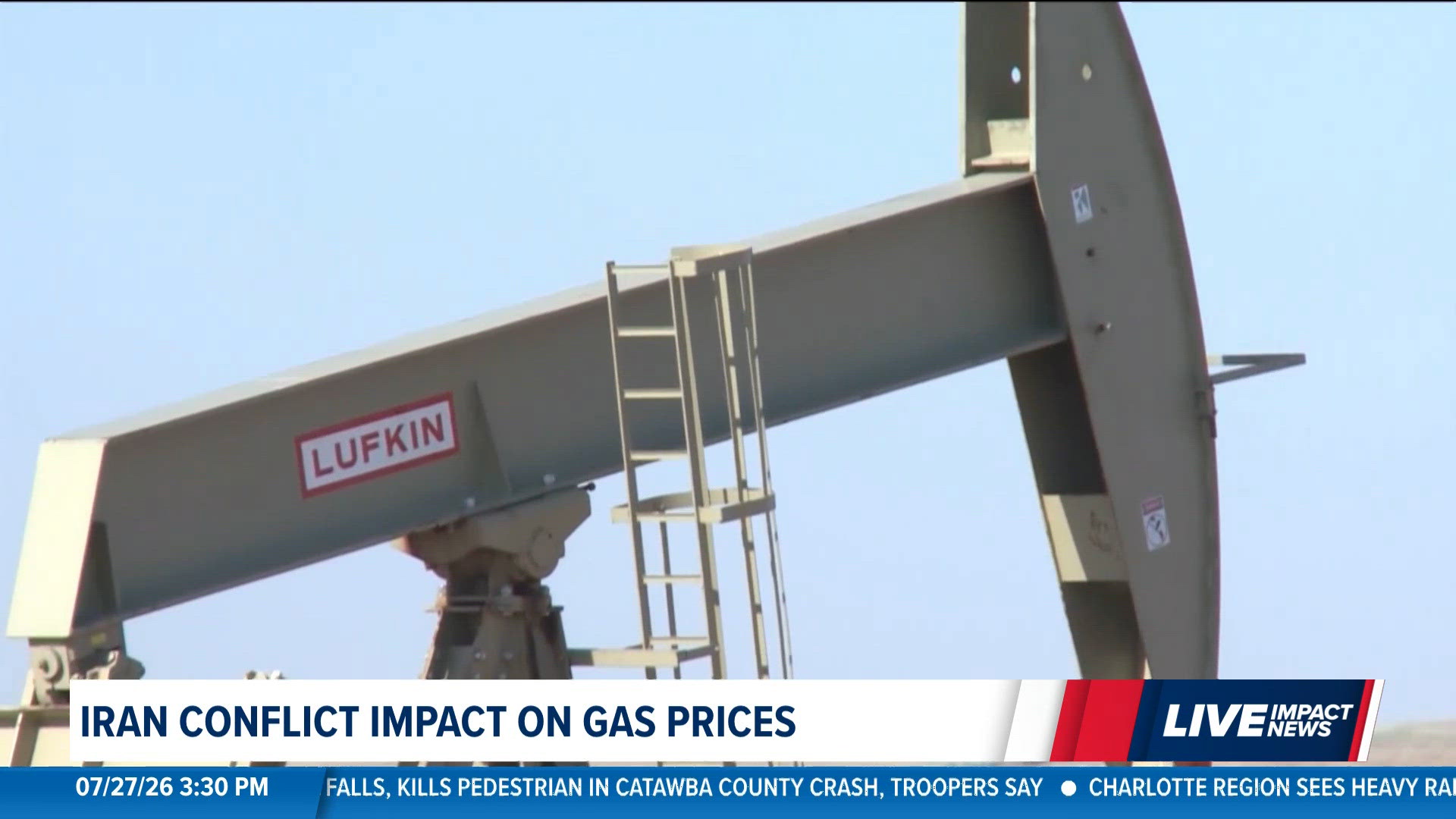
The temporary pause in U.S.-Iran military hostilities has triggered a significant oil price correction, with Brent crude futures dropping 11.3% and U.S. West Texas Intermediate crude falling 7% in the largest single-day decline since early April 2026. This geopolitical de-escalation directly impacts cross-border e-commerce operations through reduced energy costs that cascade into shipping and logistics expenses. While the diplomatic situation remains volatile—with Iran's Foreign Ministry explicitly stating "Tehran is not currently engaged in peace talks"—commodity futures markets are pricing in market adaptability rather than lasting peace, suggesting sustained but manageable energy costs rather than dramatic spikes.
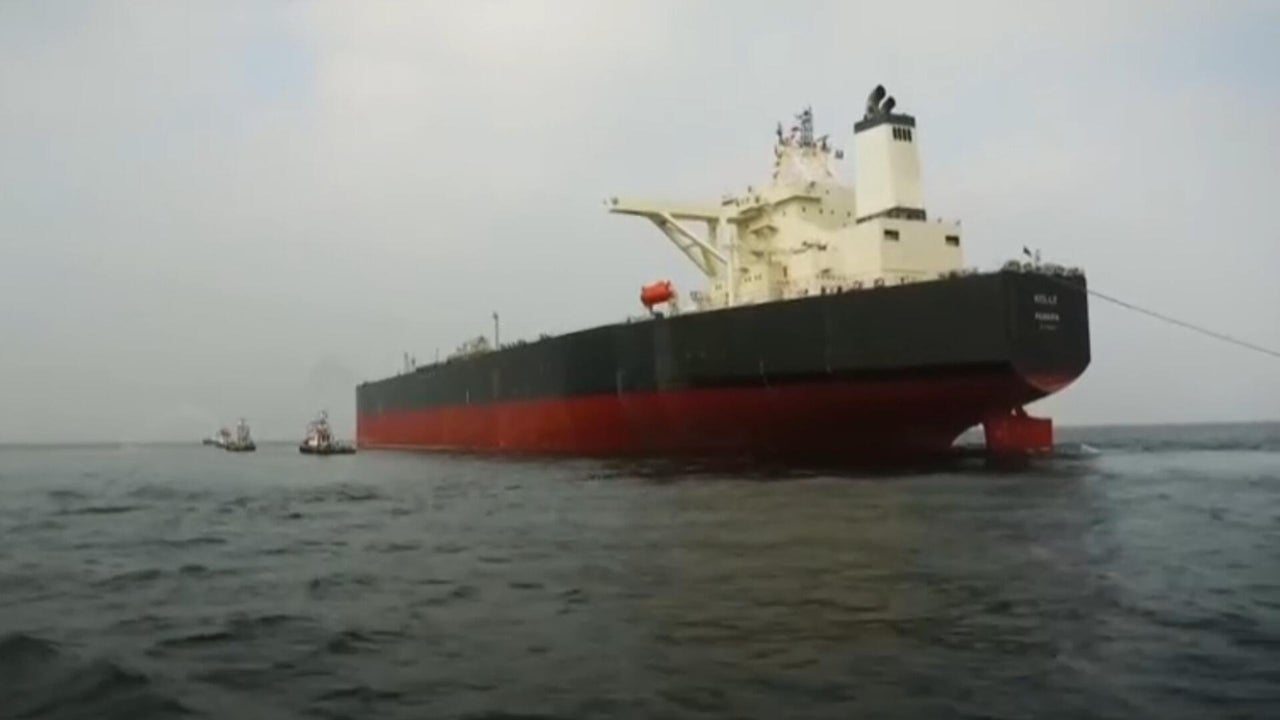
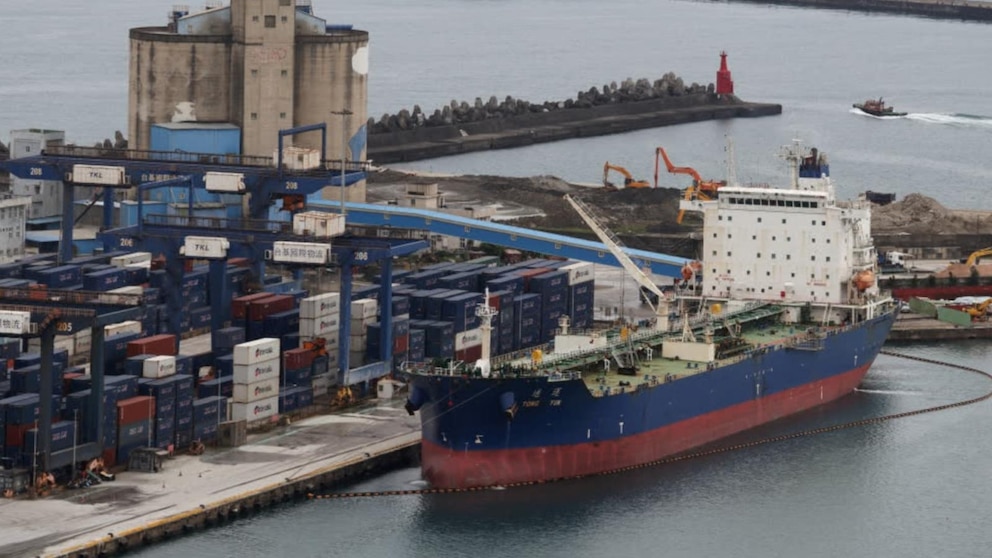
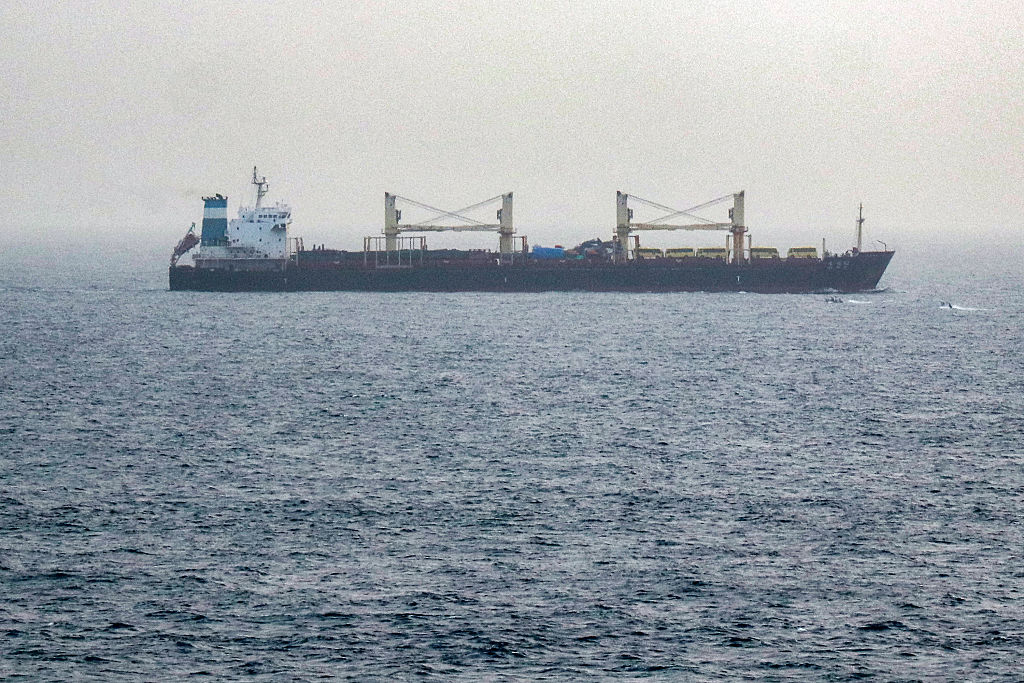
For cross-border sellers, this development creates a critical 3-6 month window for logistics optimization. Shipping fuel surcharges, which typically represent 8-12% of FBA fulfillment costs, are expected to decline as oil prices stabilize in the $80-92 per barrel range. Sellers using Amazon FBA should anticipate reduced fulfillment fees starting in Q3 2026, while 3PL providers and international logistics networks will pass through fuel cost savings within 30-60 days. The news also highlights that approximately 10 million barrels per day of Middle East crude remains disrupted due to Houthi attacks on shipping through the Strait of Hormuz and Bab el-Mandeb Strait, forcing rerouting through the Suez Canal and SUMED pipeline—a more costly process that adds 5-7 days to transit times and increases handling costs by 3-5%.
The semiconductor sector selloff (SK Hynix down 13%, Samsung down 12% on July 27-28, 2026) compounds logistics challenges for electronics sellers, as reduced AI infrastructure investment signals potential weakness in tech component pricing and availability. However, this creates a counter-cyclical opportunity: as shipping costs decline, sellers in electronics, home appliances, and high-weight categories can improve margins by 2-4% while maintaining competitive pricing. The diplomatic pause is unlikely to be permanent—U.S. and Iran remain "far apart on key diplomatic points"—meaning sellers should lock in favorable shipping rates now before potential re-escalation drives prices back toward the $100+ range seen earlier in 2026.
Questions 7
What product categories benefit most from lower shipping costs right now?
High-weight, low-margin categories see the biggest impact: home appliances, furniture, sporting goods, and electronics. A 10% reduction in fuel surcharges translates to $50-200 per unit savings on large appliances, allowing sellers to improve margins by 2-4% or undercut competitors. Conversely, lightweight, high-margin categories (jewelry, electronics accessories, beauty) see minimal absolute savings but can use the window to build inventory before potential price re-escalation. The semiconductor selloff (SK Hynix -13%, Samsung -12%) signals potential weakness in tech component pricing, creating a counter-cyclical opportunity: buy electronics components now while prices are soft, then sell as shipping costs decline.
How long will this oil price decline last before geopolitical tensions reignite?
Industry analysts estimate 3-6 months of relative stability, but risks are elevated. The Strait of Hormuz and Bab el-Mandeb Strait remain contested, with Houthi attacks on Saudi tankers ongoing. The Commonwealth Bank of Australia warns that 'disagreements over the vital Strait of Hormuz shipping lane could reignite hostilities.' Historical precedent: the 2022 Russia-Ukraine conflict saw Brent spike from $70 to $139.13/barrel within weeks. Sellers should assume this window closes by Q4 2026. Lock in favorable shipping contracts now with 90-180 day rate guarantees, and avoid over-committing inventory to slow-moving categories that won't sell before prices potentially re-escalate.