


NYC Municipal Grocery Stores Launch 2027 | Retail Competition & O2O Opportunity for Food Sellers
- 5 city-run stores across NYC boroughs offering 30% discounts on produce, meat, pantry staples; $70M capital investment; RFP deadline October 16, 2026; impacts traditional retailers and creates B2B supply opportunities








Overview
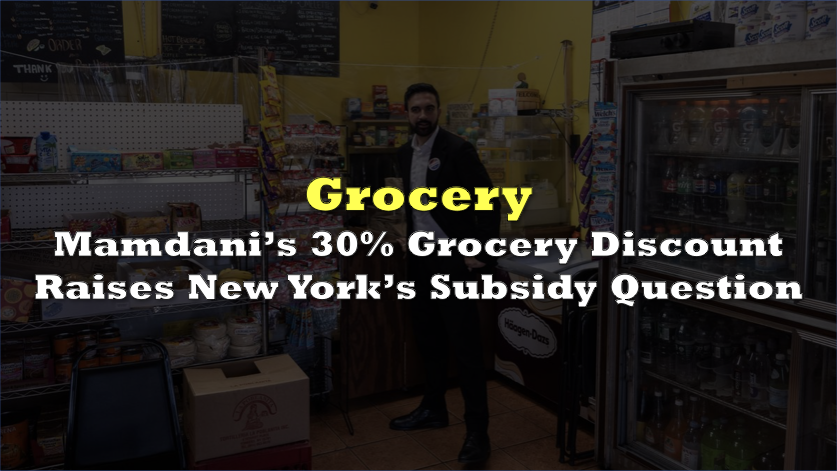
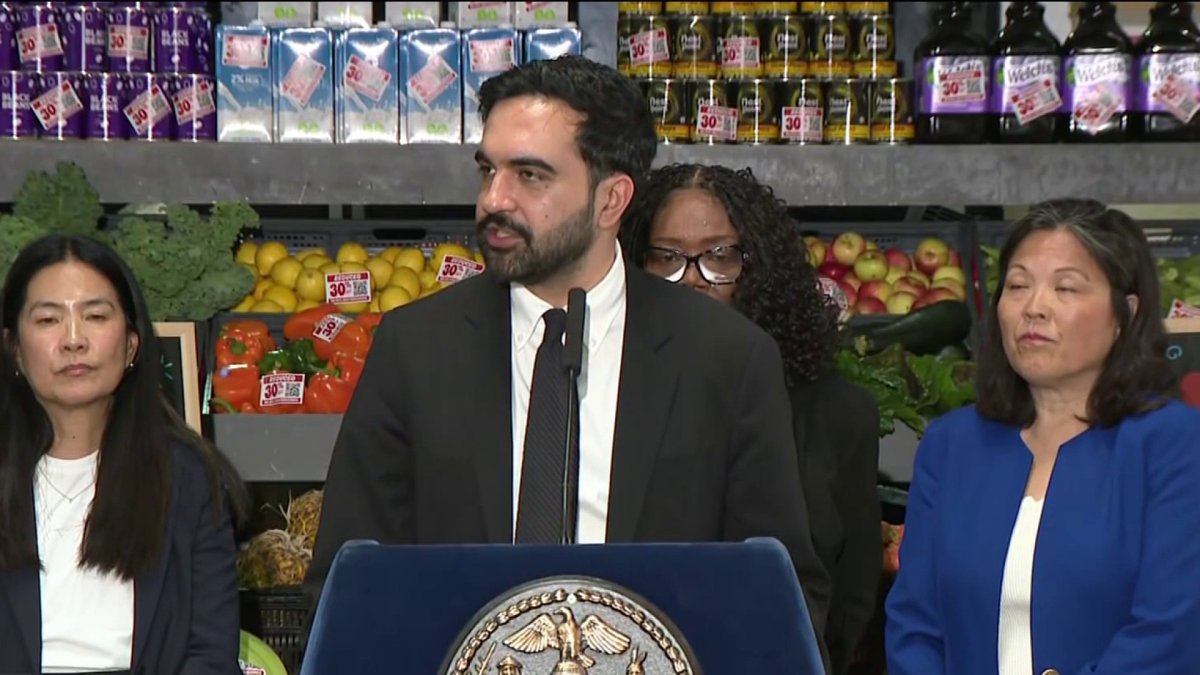
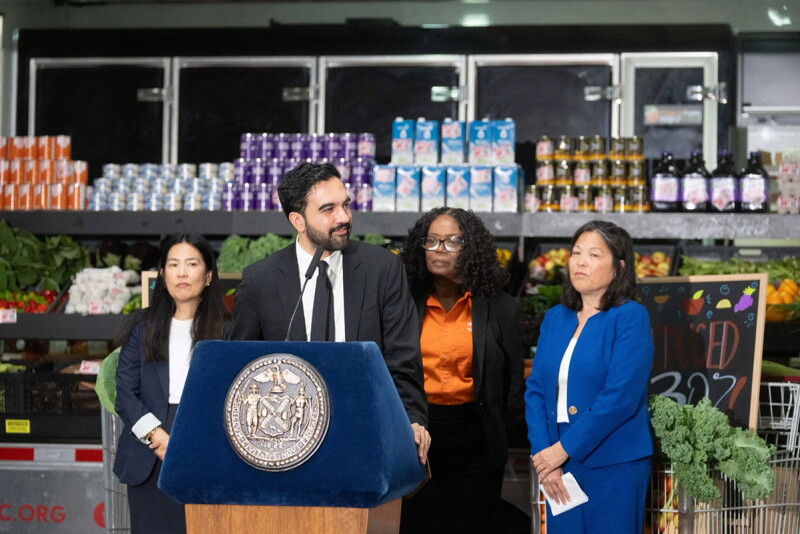
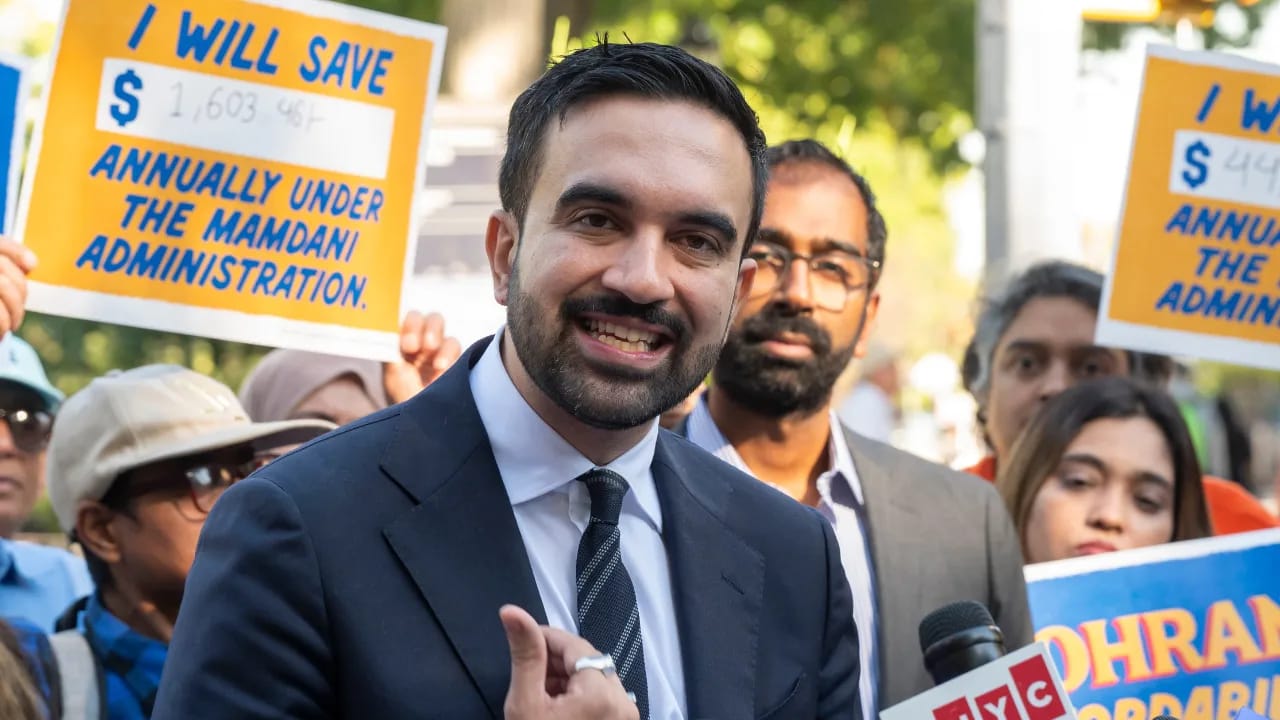
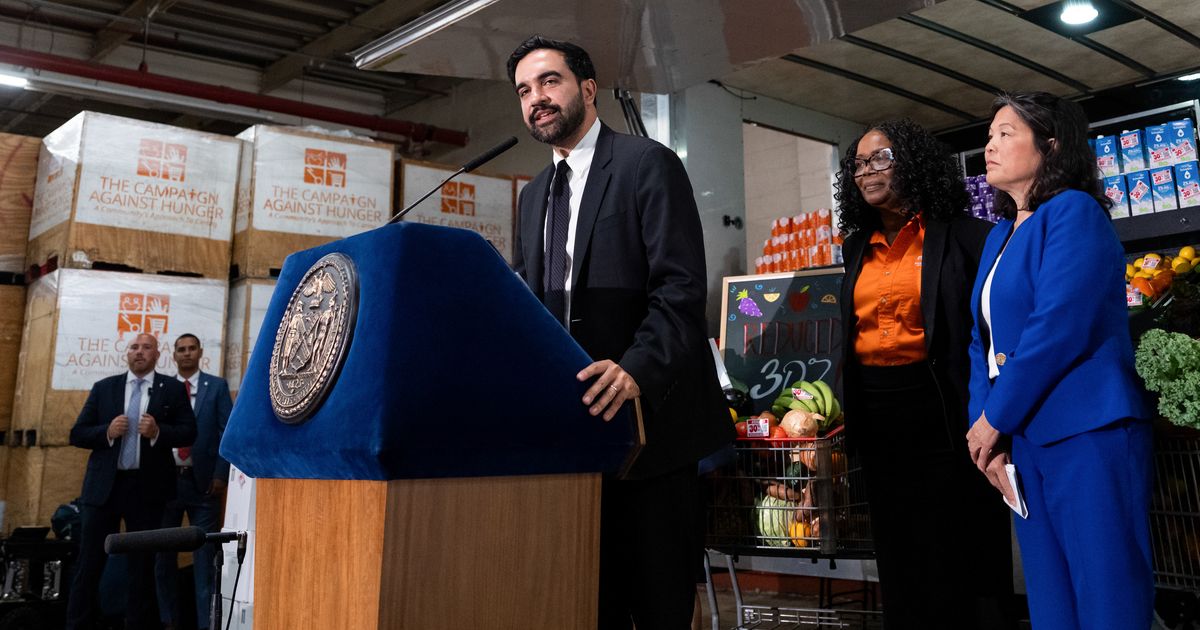
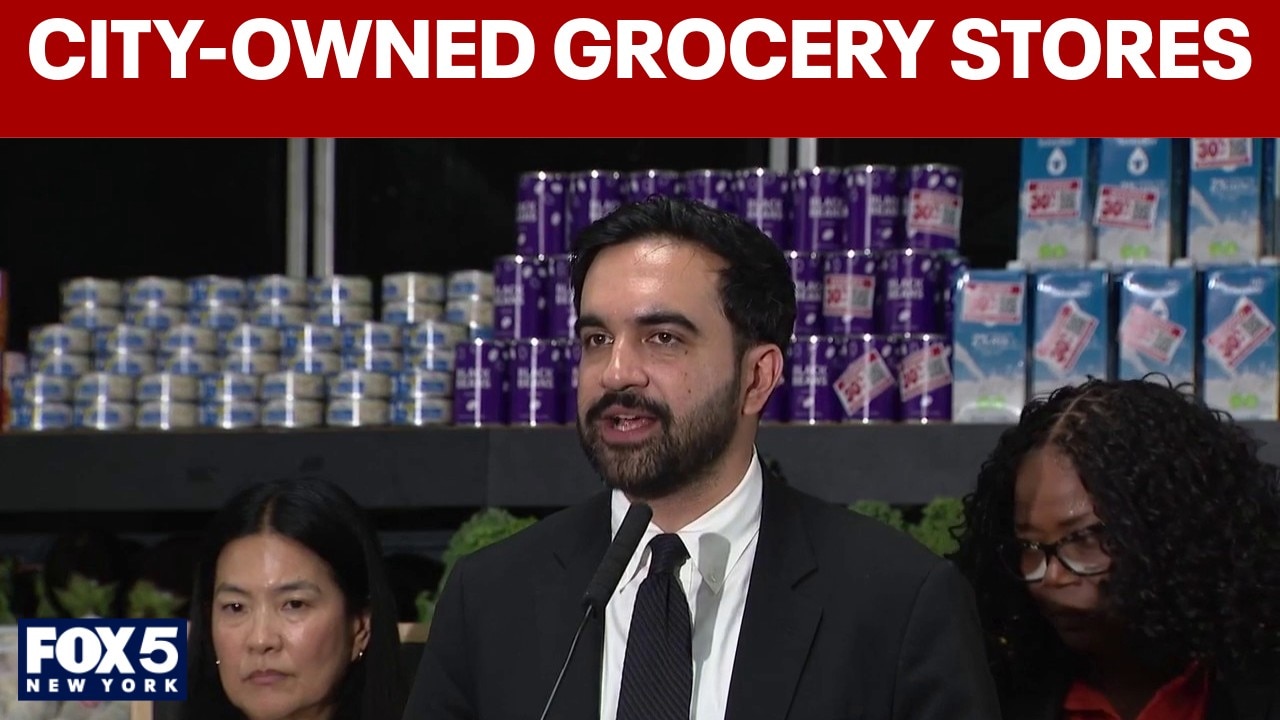
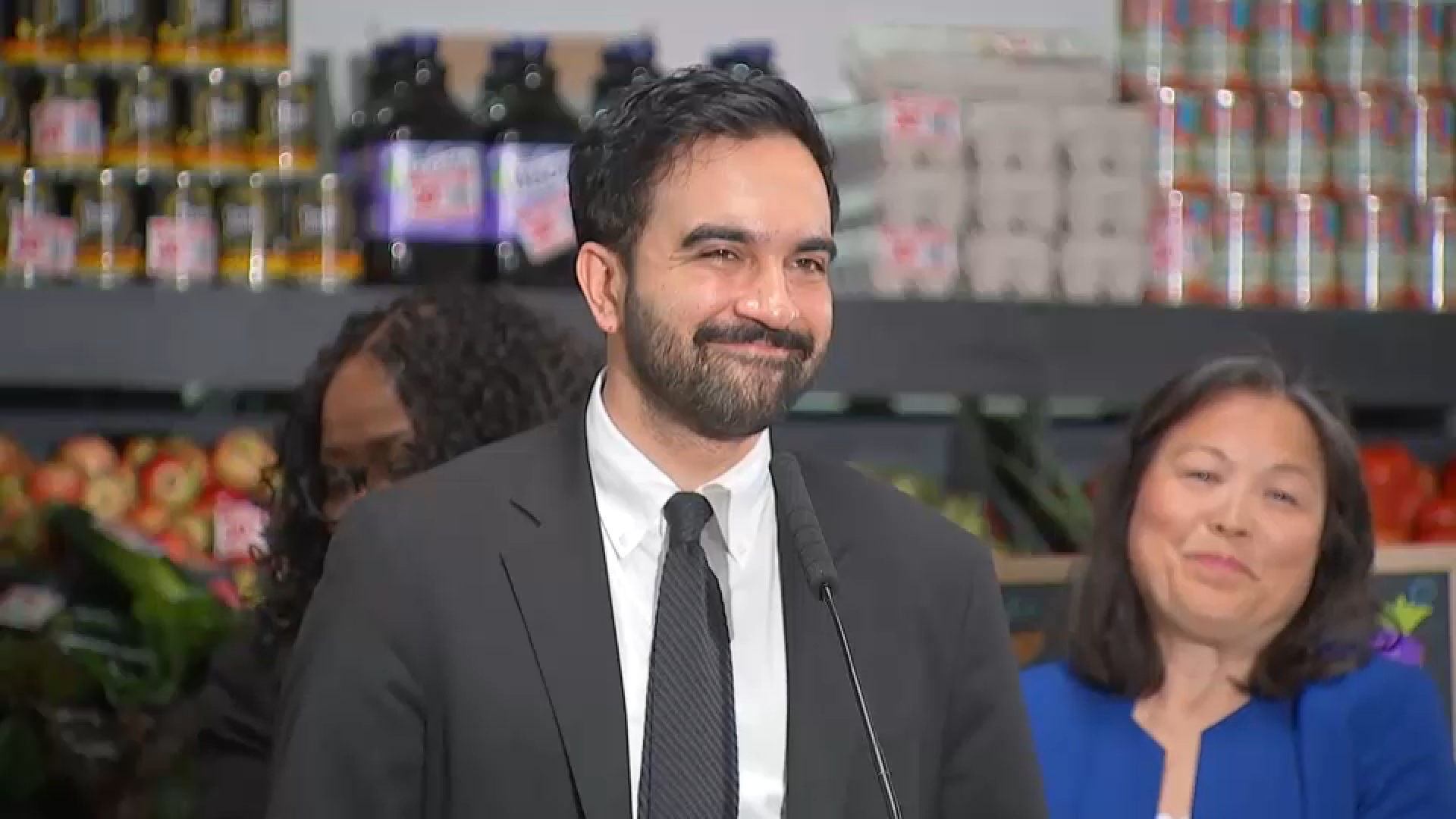
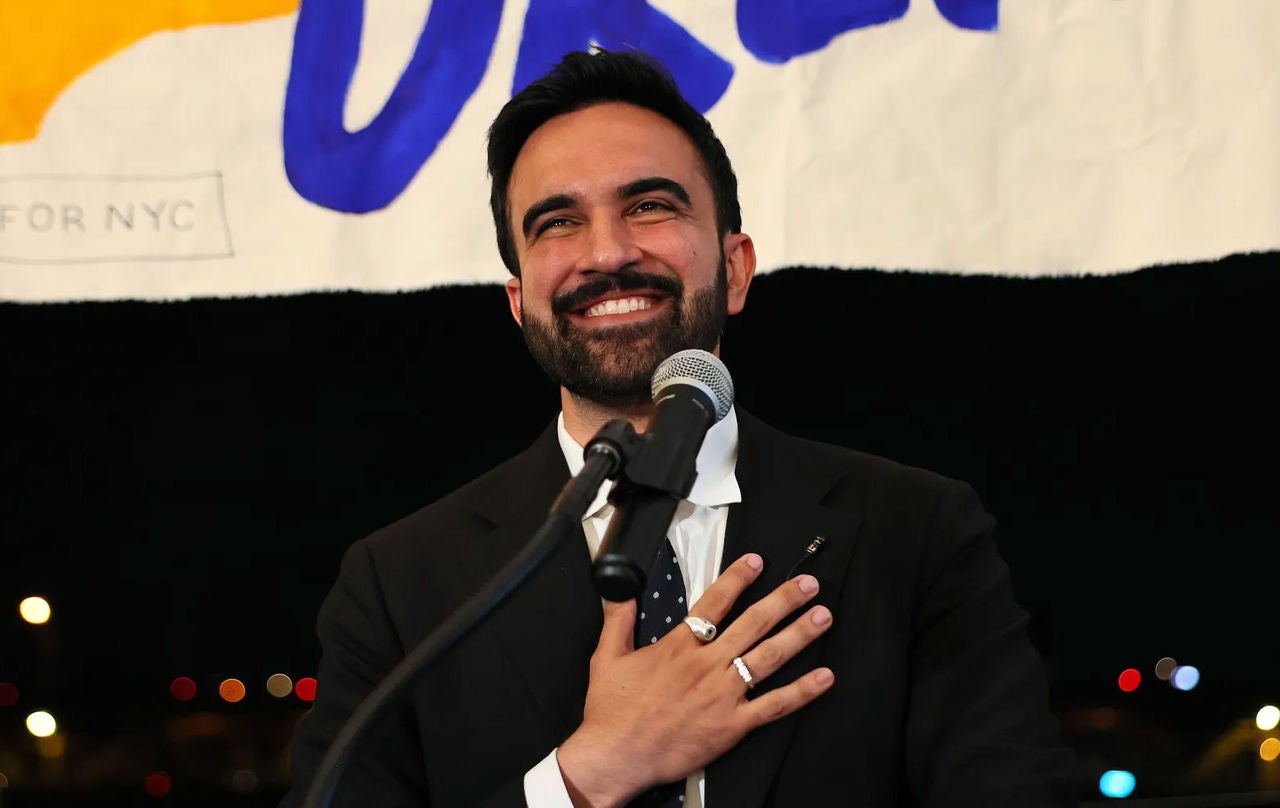
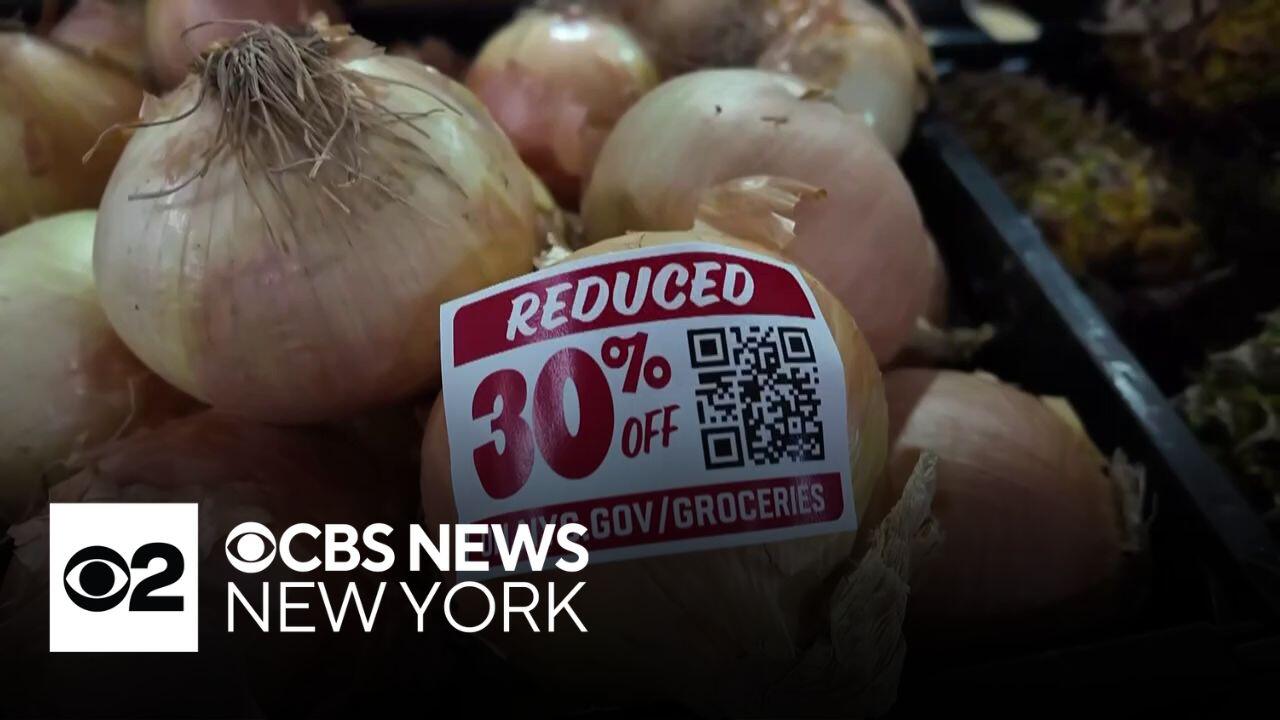
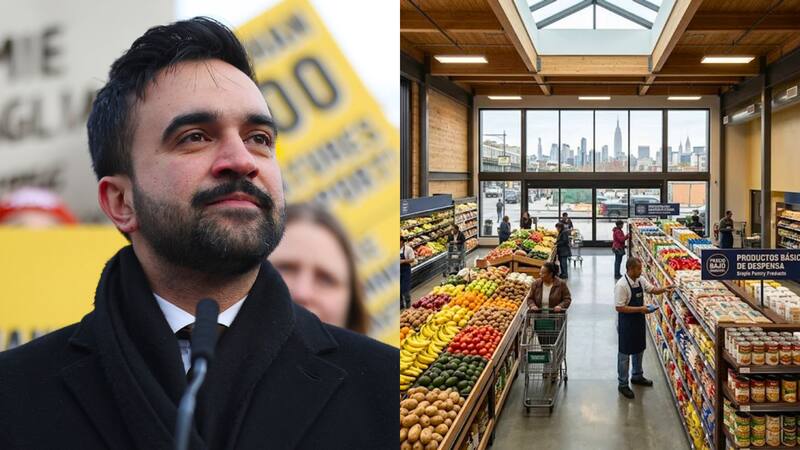
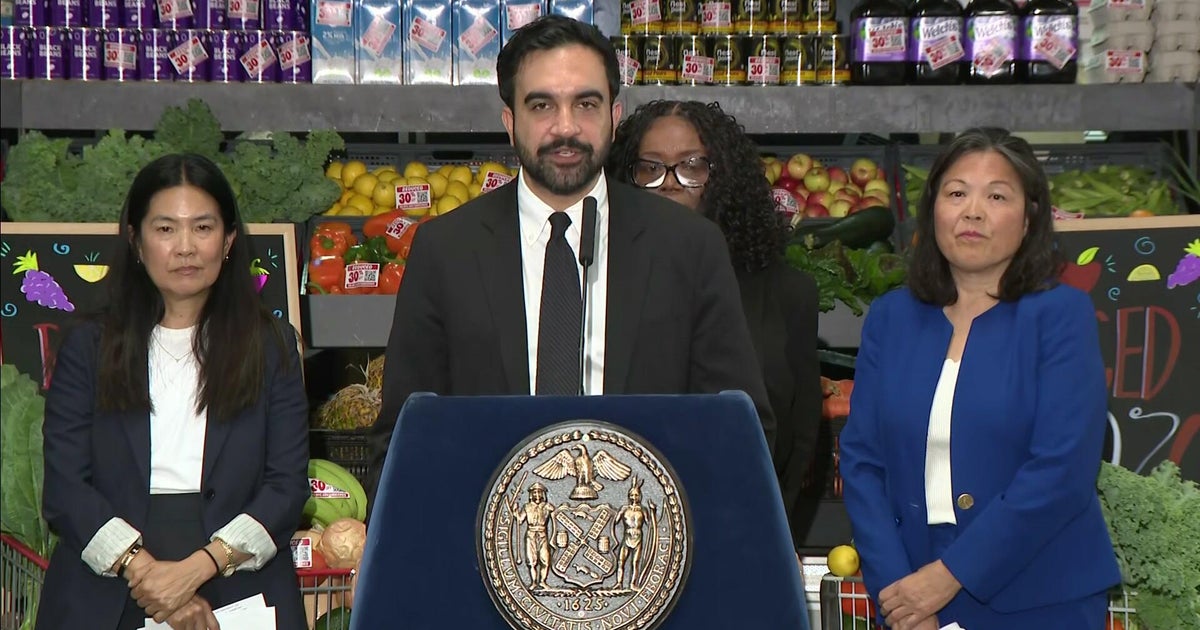
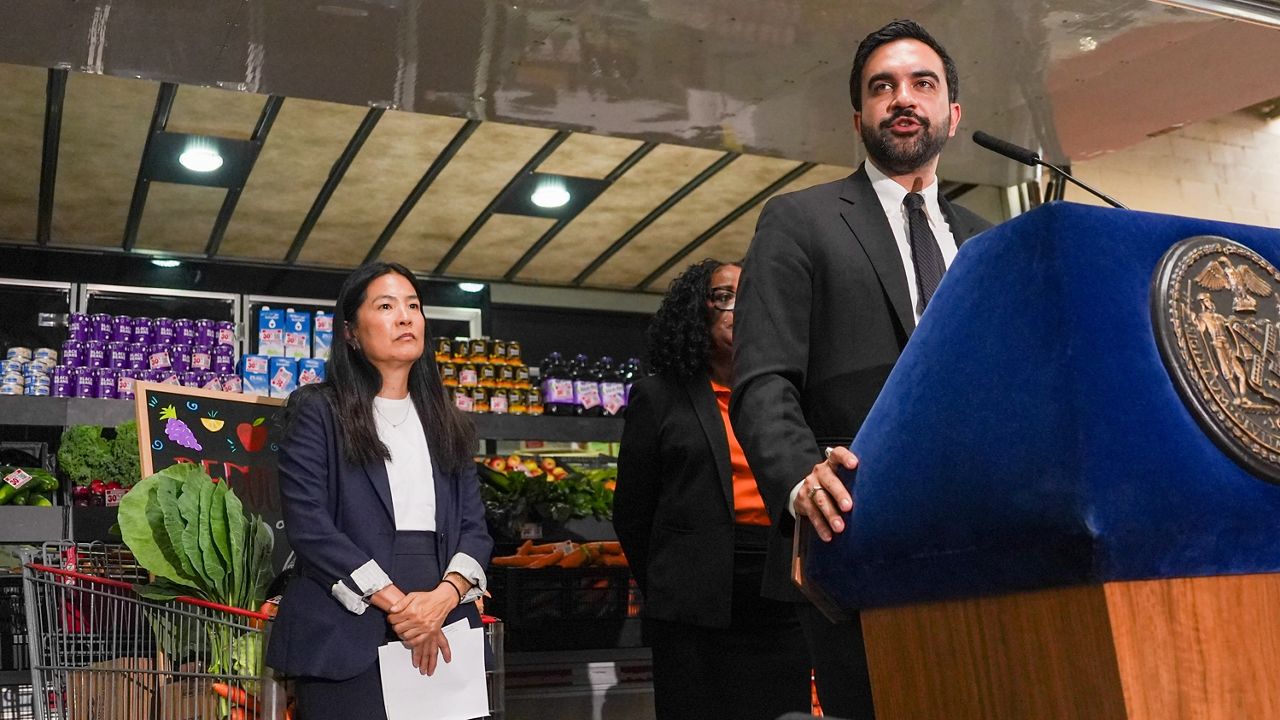
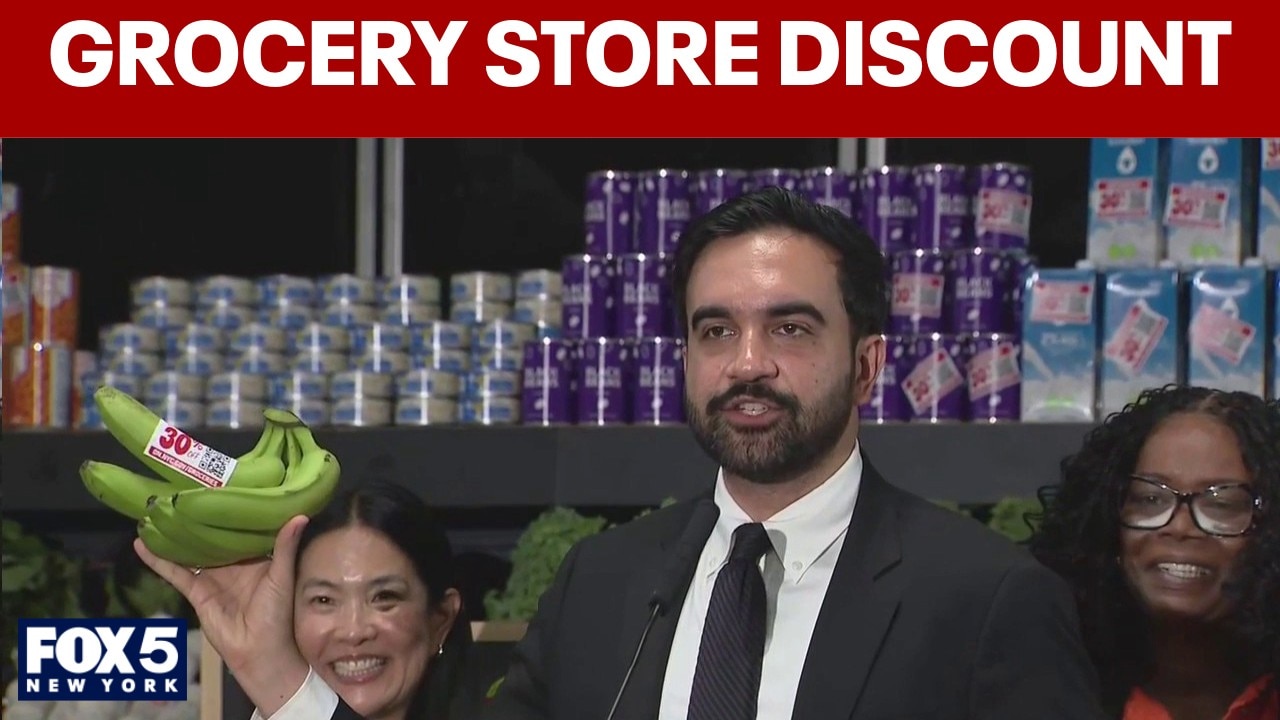
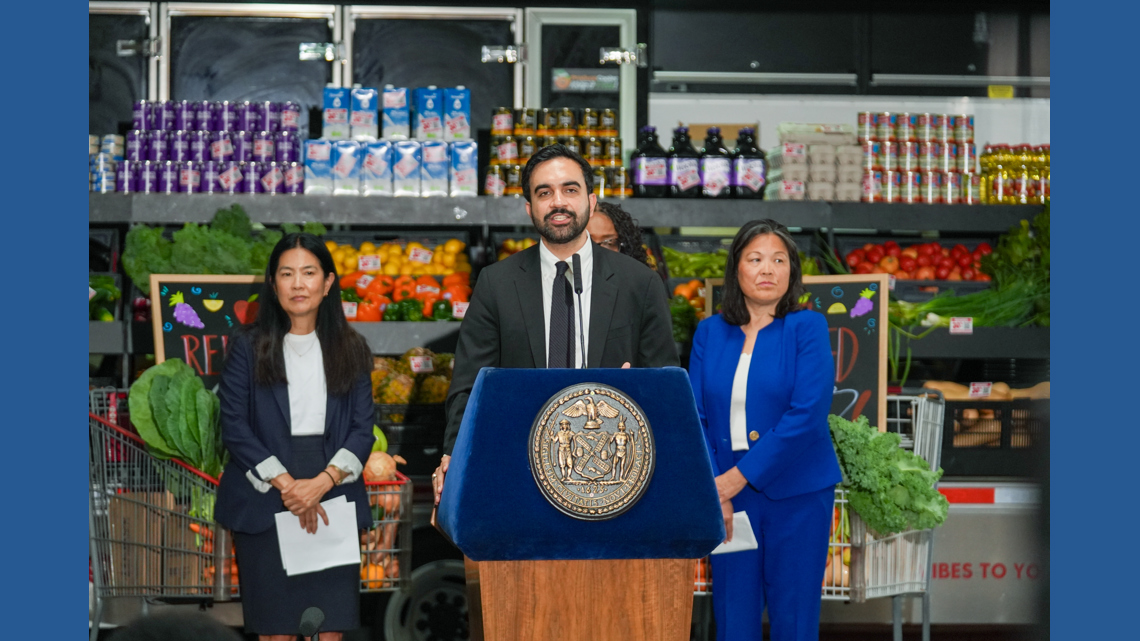
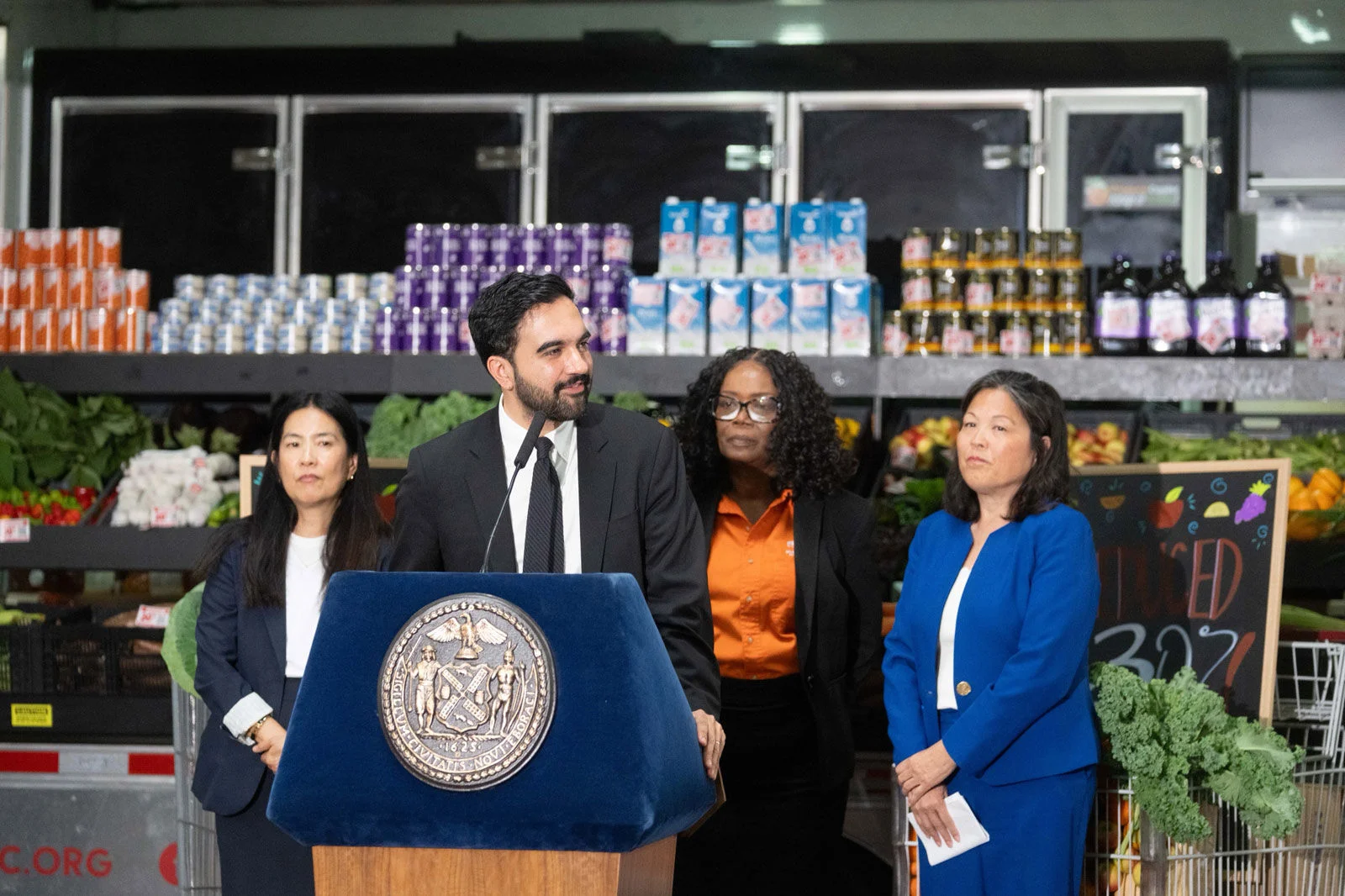
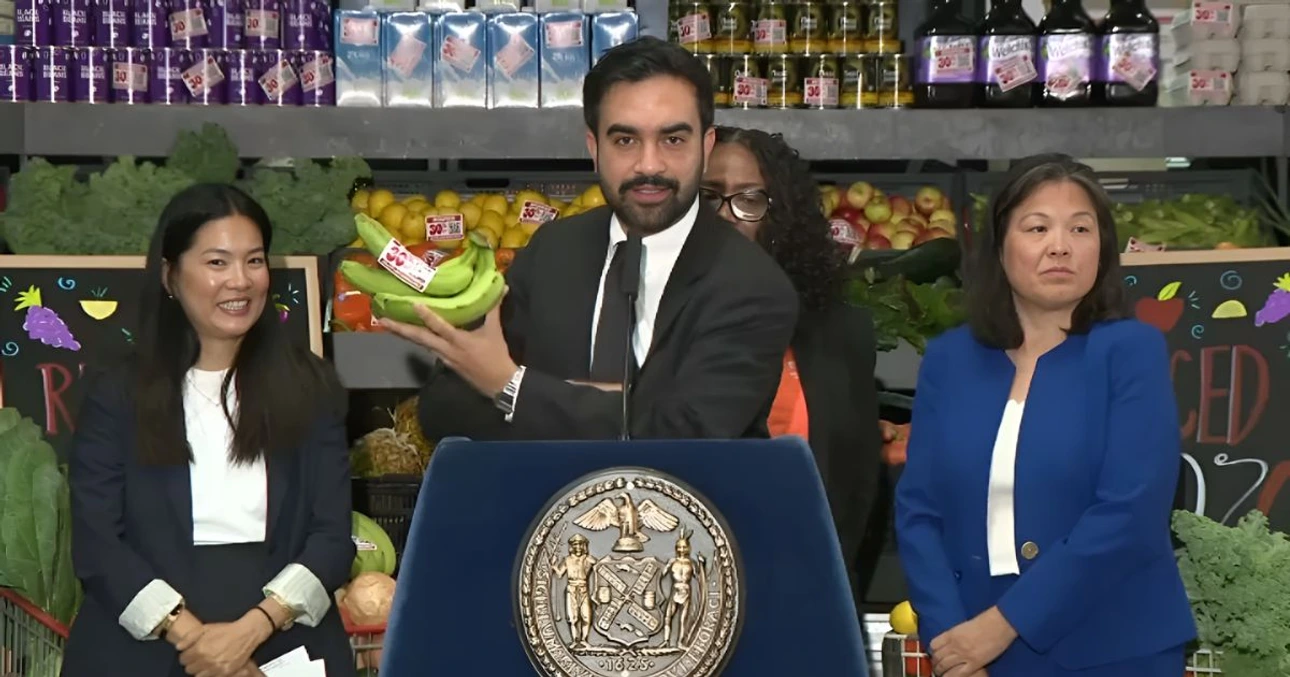
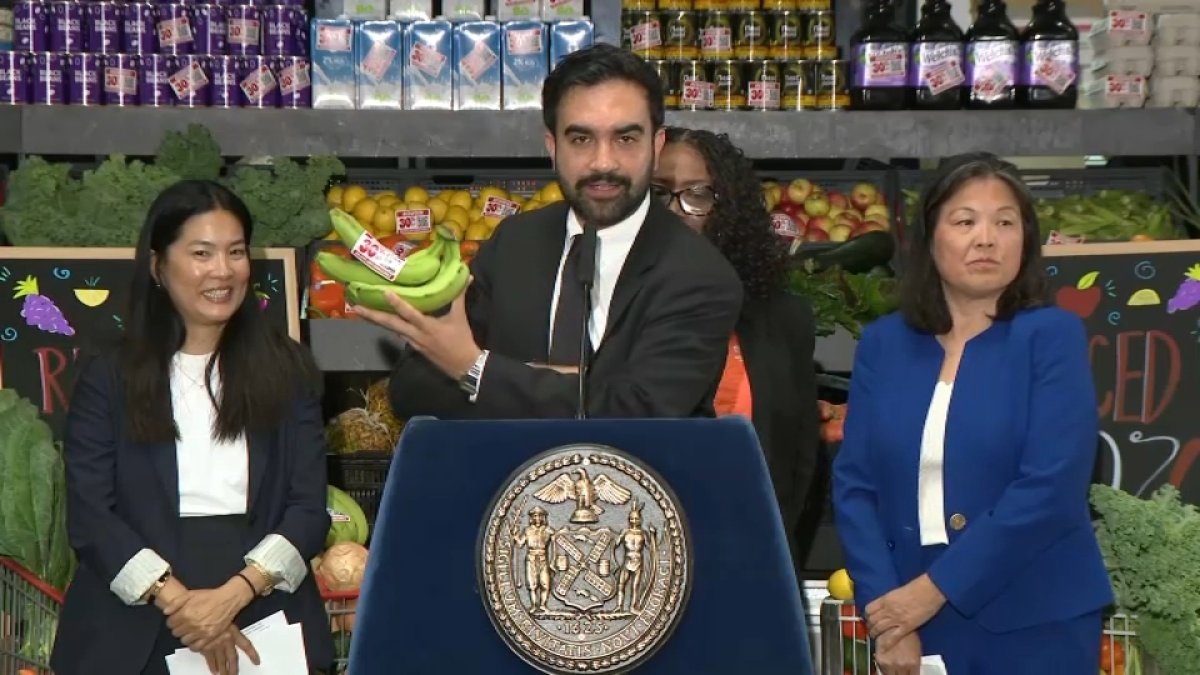
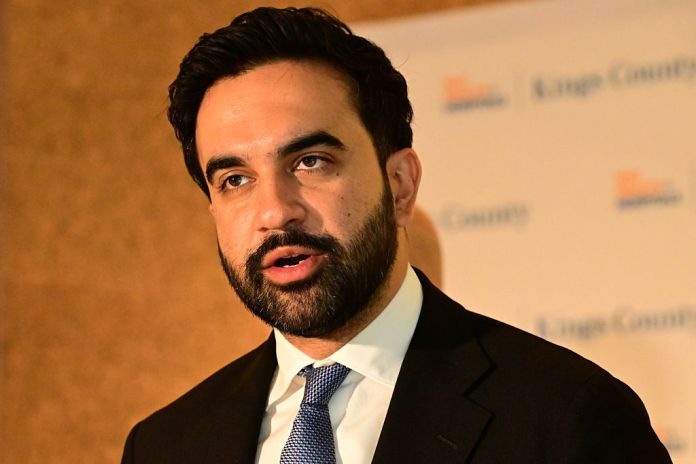
New York City's groundbreaking municipal grocery initiative represents a fundamental shift in urban retail competition that creates both threats and opportunities for food sellers and CPG brands. Mayor Zohran Kwame Mamdani announced five city-operated stores (opening end of 2027) offering 30% discounts on fresh produce, meat, seafood, and ~20 pantry staple categories, with $1,080 annual savings per household. The NYCEDC allocated $70 million in capital funding, with RFP responses due October 16, 2026, and a virtual information session August 5, 2026.
For retail operations and O2O strategists, this initiative creates three critical opportunities: First, the municipal model validates demand for affordable grocery experiences in underserved neighborhoods (Hunts Point Bronx: 77% food-insecure households; East Harlem: La Marqueta location). This signals high foot traffic potential for complementary retail partnerships—sellers can negotiate co-location deals with the city-selected operators to place premium or specialty food products adjacent to budget staples. Second, the RFP process (closing October 2026) explicitly requires operators to meet "reliable supply chain management" standards, creating B2B supplier opportunities for food distributors, logistics providers, and CPG brands willing to accept lower margins in exchange for volume and municipal contracts. Third, the monthly price-lock model (vs. weekly fluctuations) creates predictability that enables sellers to build inventory strategies around stable demand from 40% of NYC families struggling with food affordability.
Competitive pressure on traditional retailers will intensify pricing competition, particularly for independent and regional chains in the five boroughs. Amazon Fresh, Whole Foods, and regional players like Key Food and Associated Supermarkets will face margin compression on core categories. However, this creates an O2O opportunity: sellers can establish pop-up or kiosk formats in high-traffic neighborhoods (Hunts Point, East Harlem, Brooklyn, Queens, Staten Island) to capture price-sensitive consumers seeking premium alternatives or specialty items the municipal stores don't carry. The 40% of NYC families with food affordability anxiety represent a $2.1B annual grocery spending opportunity—sellers can target this segment with value-oriented product bundles, private label alternatives, or ethnic/specialty foods unavailable in municipal stores.
Implementation timeline is critical: First store opens end of 2027 (18 months), all five operational by end of Mamdani's first term. This creates a 12-18 month window for sellers to secure supply contracts or negotiate retail partnerships before the municipal model scales. The requirement for "family-sustaining wages" and "labor peace agreements" signals the city prioritizes operational stability—suppliers demonstrating reliable delivery, food safety compliance, and worker-friendly practices will have competitive advantage in RFP responses.
Questions 8
What is NYC's municipal grocery store initiative and when does it launch?
NYC Mayor Zohran Kwame Mamdani announced five city-operated grocery stores offering 30% discounts on fresh produce, meat, seafood, and ~20 pantry staple categories. The first store opens end of 2027 at Hunts Point in the Bronx; all five stores (one per borough including La Marqueta in East Harlem) will operate by end of his first term. The city allocated $70 million in capital funding through NYCEDC. The RFP for operators closes October 16, 2026, with a virtual information session August 5, 2026. This represents the first municipal grocery model in major U.S. cities combining public ownership with private operator management.
How does the 30% price discount impact traditional grocery retailers in NYC?
The 30% price undercut creates direct competition with established retailers, particularly independent and regional chains operating in the five boroughs. Traditional retailers will face margin compression on core categories (produce, meat, pantry staples) and may lose market share among price-sensitive consumers. However, the initiative also signals that 40% of NYC families struggle with food affordability, representing a $2.1B annual opportunity. Retailers can respond by focusing on premium/specialty products, convenience formats, or underserved neighborhoods where municipal stores won't immediately locate. The monthly price-lock model (vs. weekly fluctuations) may force competitors to stabilize pricing strategies.