



China's Memory Chip IPO Signals Supply Chain Shift | Sellers Face Component Cost Volatility
- CXMT's $9.8B IPO and 466% surge indicates China's semiconductor ambitions; U.S. export restrictions limit global reach but create sourcing opportunities for electronics sellers targeting Chinese markets









Overview
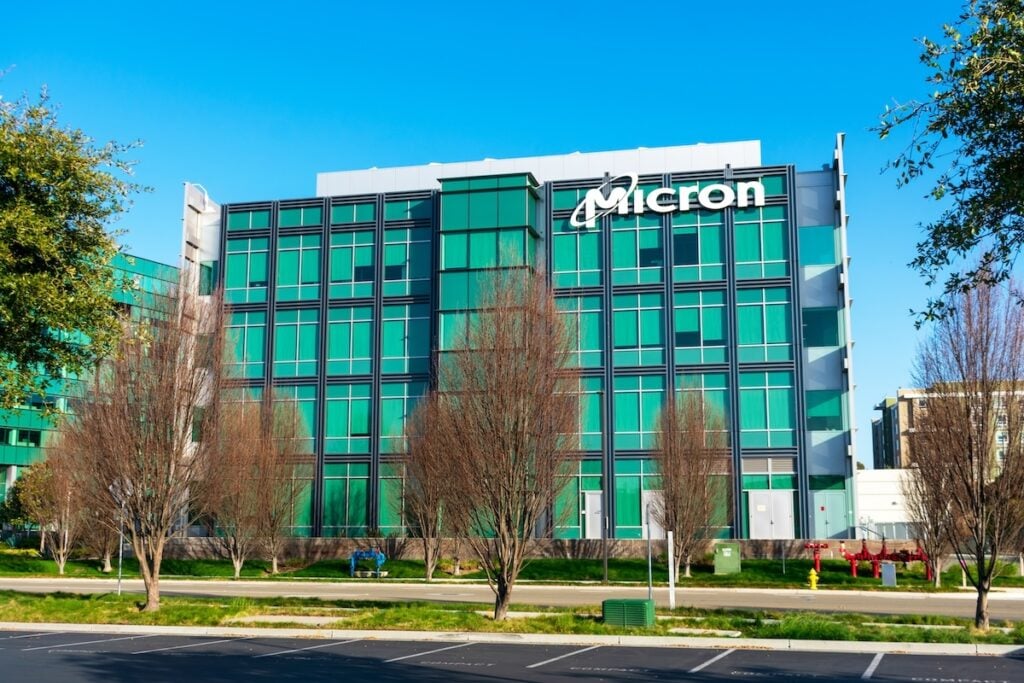
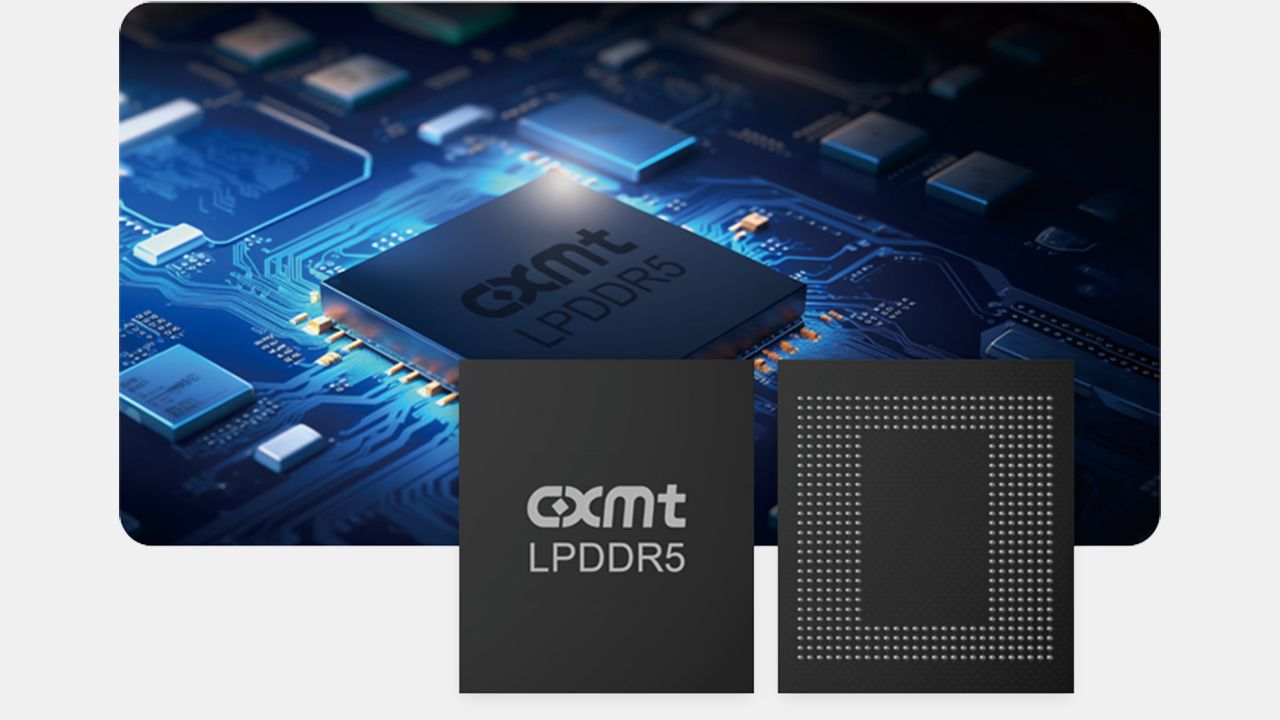
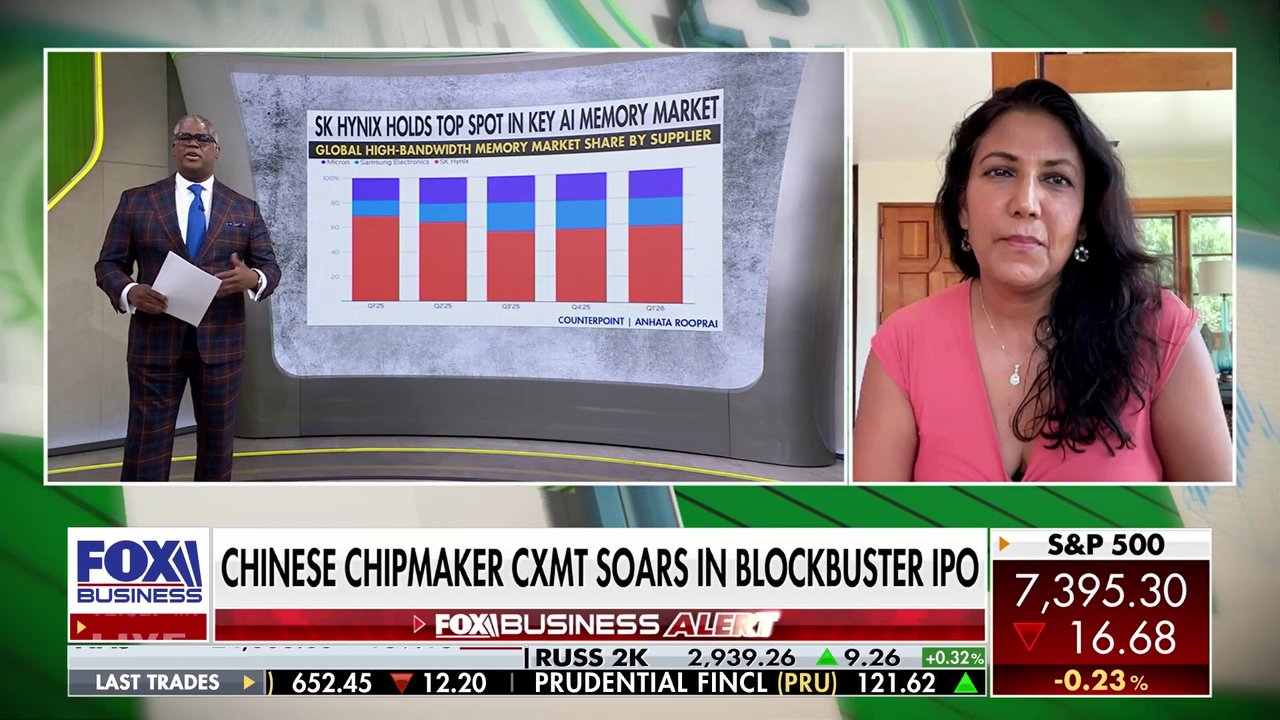
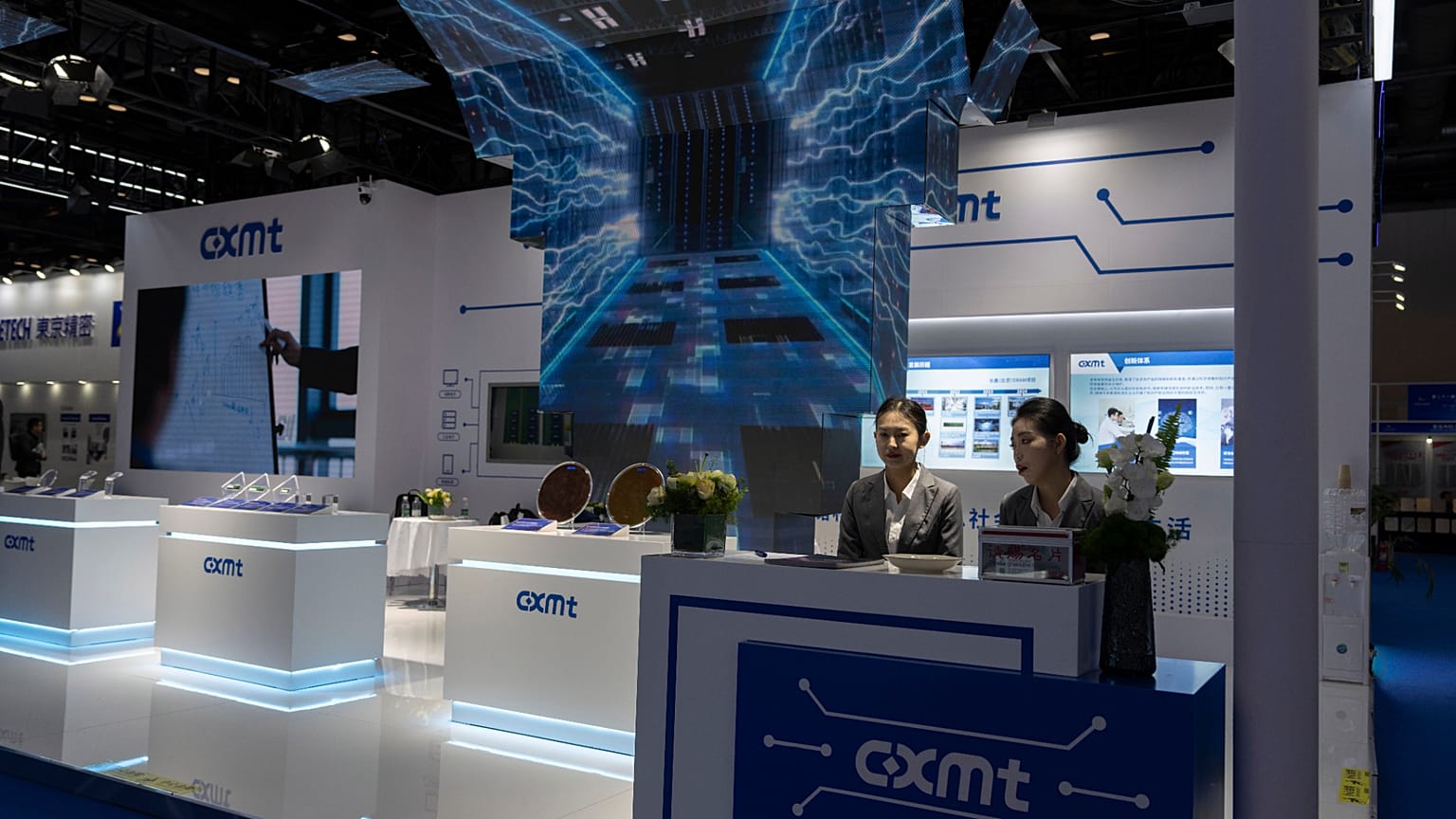
ChangXin Memory Technologies (CXMT) completed a $9.8 billion IPO on Shanghai's Star board on July 27, 2026, surging 466% on debut trading and achieving a $48.4 billion market capitalization. This milestone signals China's advancing capabilities in memory-chip production, a sector historically dominated by U.S. and South Korean manufacturers. The IPO triggered significant stock declines: Micron Technology fell 2.3% to $90.20, SK Hynix dropped 7.5% to $143.02, and SanDisk plunged 11% to $127.23. For cross-border electronics sellers, this development creates both supply chain risks and opportunities tied to semiconductor component sourcing and pricing volatility.
The geopolitical constraints fundamentally shape market dynamics and seller opportunities. Wedbush Securities analyst Matt Bryson noted that U.S. export restrictions prevent CXMT from accessing ASML's extreme ultraviolet (EUV) lithography equipment, limiting the company's ability to manufacture faster, higher-capacity chips comparable to Western competitors. This technological constraint substantially limits CXMT's competitive reach outside Chinese markets. However, the IPO demonstrates China's commitment to semiconductor self-sufficiency, signaling potential tariff advantages for sellers sourcing components from Chinese manufacturers for products sold within China or to Chinese consumers. Additionally, Yangtze Memory Technologies (YMTC) plans to conduct an IPO later in 2026, manufacturing NAND flash memory chips and competing with SanDisk, Micron, Samsung, and SK Hynix—expanding the competitive landscape for memory components.
For electronics sellers, the immediate impact centers on component cost volatility and supply chain diversification decisions. The stock market reaction reflects investor concerns about memory-chip pricing power shifting toward Chinese manufacturers, potentially reducing component costs for sellers sourcing from CXMT or YMTC. However, the extreme 466% first-day volatility—described by Bloomberg Opinion columnist Shuli Ren as problematic market dynamics—raises questions about valuation accuracy and long-term pricing stability. Apple's lobbying efforts to permit use of Chinese memory chips in devices sold internationally, opposed by Micron CEO Sanjay Mehrotra, indicate ongoing policy uncertainty. Sellers manufacturing electronics with memory components (laptops, tablets, smartphones, IoT devices) should monitor CXMT's production ramp-up and pricing strategies, as Chinese-sourced components could reduce bill-of-materials costs by 8-15% compared to Western suppliers, depending on component specifications and order volumes. The IPO's chaotic debut also signals potential supply chain instability if CXMT faces capital allocation challenges or investor confidence deteriorates.
Questions 7
When should sellers lock in memory component pricing given market volatility?
The extreme IPO volatility and stock market reactions (Micron -2.3%, SK Hynix -7.5%, SanDisk -11%) suggest near-term pricing uncertainty. Industry experts note that extreme first-day pops typically indicate underpricing during the IPO book-building phase, suggesting potential price corrections as market dynamics stabilize. Sellers should avoid aggressive long-term component commitments until CXMT demonstrates stable production capacity and pricing for 2-3 quarters post-IPO. Implement quarterly pricing reviews with suppliers and maintain 60-90 day inventory buffers to absorb price fluctuations. Monitor CXMT's quarterly earnings announcements (expected Q3 2026 onwards) for production volume, capacity utilization, and pricing trends before committing to large-scale sourcing agreements. Consider hedging strategies through supplier contracts with price adjustment clauses tied to market indices.
What geopolitical risks should sellers consider regarding Chinese memory chip sourcing?
The news highlights ongoing U.S.-China technology competition in semiconductor manufacturing, with Apple lobbying the White House to permit use of Chinese memory chips in devices sold internationally, while Micron CEO Sanjay Mehrotra opposes this proposal. U.S. export restrictions on advanced lithography equipment (ASML's EUV technology) constrain CXMT's ability to manufacture higher-capacity chips for global markets. Sellers should monitor policy developments regarding Chinese chip access, as regulatory changes could either expand sourcing opportunities or create compliance barriers. Additionally, Yangtze Memory Technologies (YMTC) plans an IPO later in 2026 for NAND flash memory chips, expanding competitive dynamics. Sellers should diversify suppliers across geographies and maintain relationships with both Western and Chinese manufacturers to mitigate policy-driven supply disruptions.