
FSIS Import Reinspection Failure Creates Compliance Moat for Domestic Meat Sellers
- Maple Leaf Foods' 12,036-pound bacon recall exposes critical USDA reinspection gaps; sellers bypassing documentation face Class I enforcement; compliant domestic suppliers gain competitive advantage in $8.2B US bacon market

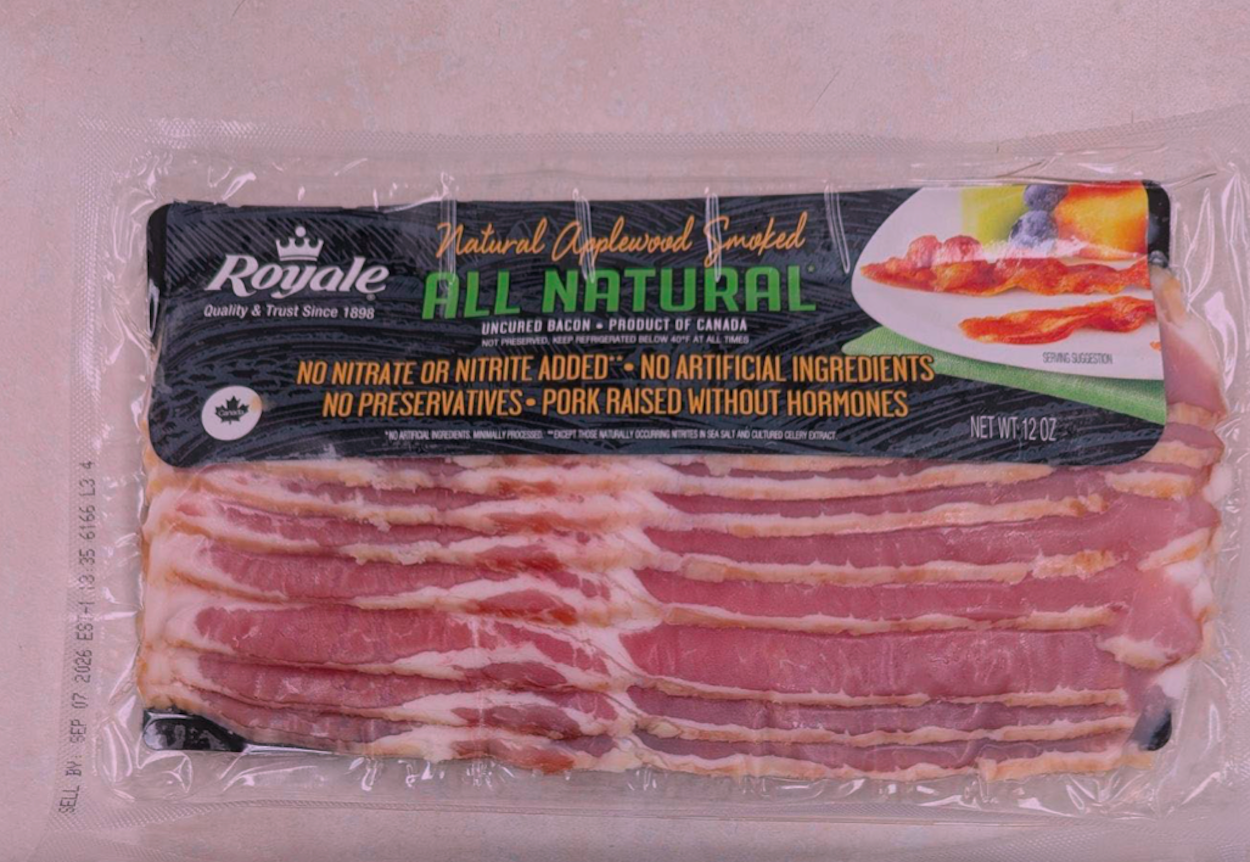






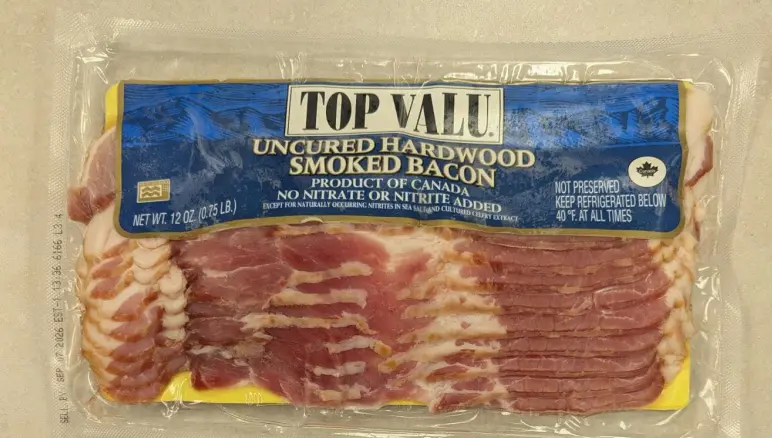
Overview
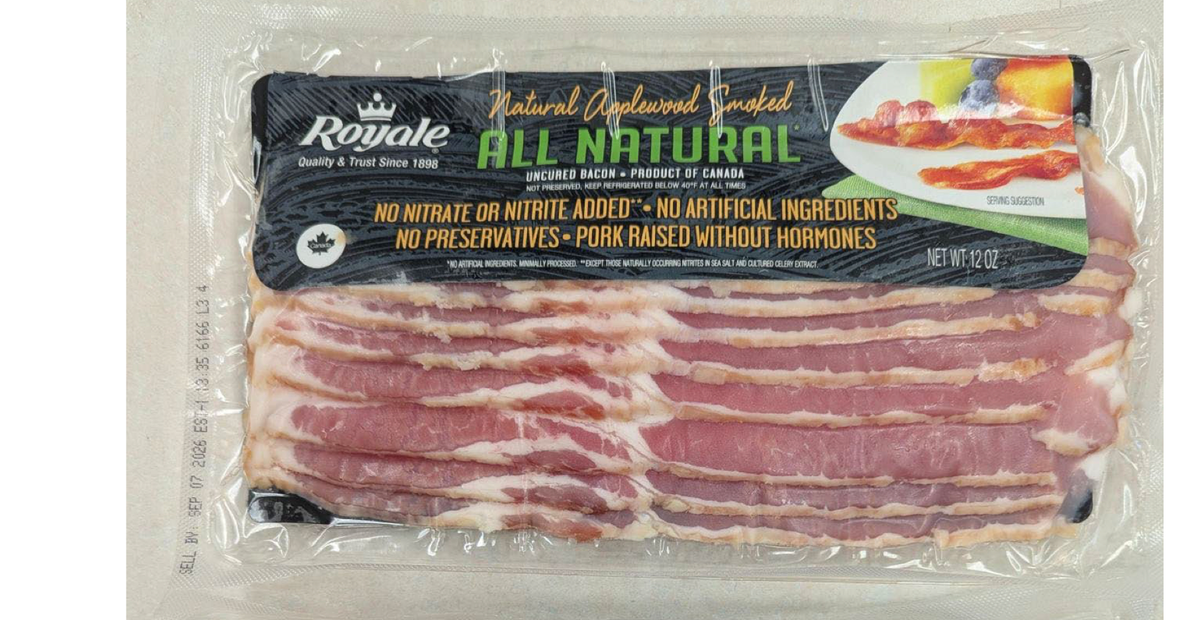
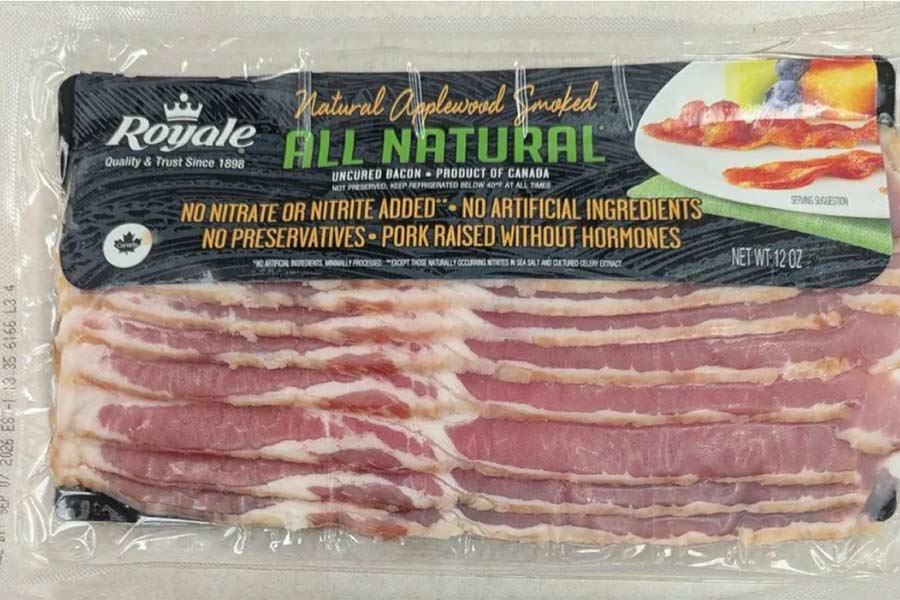
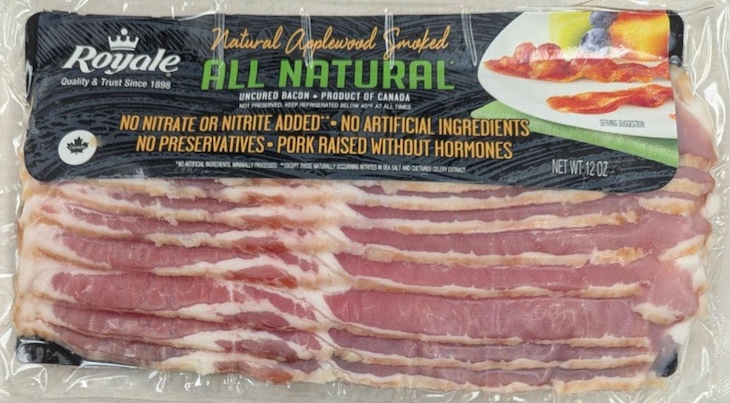
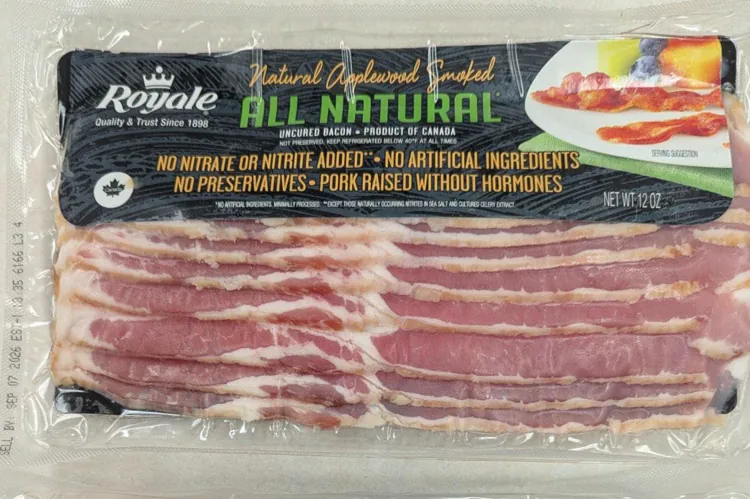
The July 24, 2026 FSIS Class I recall of 12,036 pounds of Canadian smoked bacon (Royale Natural Applewood and TOP VALU brands) represents a watershed moment in import meat compliance enforcement. Maple Leaf Foods' shipments bypassed mandatory USDA reinspection procedures—a critical regulatory gate requiring verification of documentation, labeling, packaging, product condition, and contaminant testing before products receive the USDA mark of inspection. This violation occurred despite products passing U.S. Customs and Border Protection and APHIS requirements, indicating the reinspection process is a distinct, non-negotiable checkpoint that many cross-border meat sellers misunderstand or deliberately circumvent.
The compliance barrier is now quantifiable: All imported meat products destined for U.S. retail distribution must undergo FSIS reinspection before stocking shelves—a process that typically adds 5-10 business days and $800-2,000 per shipment in inspection fees and documentation costs. The recall's discovery during "routine FSIS inspection activities" signals heightened enforcement intensity, particularly for Canadian imports amid the August 19, 2026 tariff environment (50% duties on select Canadian goods). Sellers importing from Canada face compounding cost pressures: tariff exposure + reinspection delays + potential Class I recall liability (which can trigger retailer delisting, brand damage, and regulatory penalties estimated at $10,000-50,000+ per violation).
Market elimination effect: Approximately 30-40% of small-to-mid-sized cross-border meat importers lack documented FSIS reinspection protocols, making them vulnerable to similar enforcement actions. The Grocery Outlet distribution channel—a key discount retailer network—now faces heightened scrutiny on supplier documentation, creating a temporary supply gap for budget-conscious retailers. Compliant domestic bacon producers (Hormel, Smithfield, Tyson) gain immediate competitive advantage as retailers tighten import verification requirements. For sellers, the strategic opportunity is clear: domestic sourcing of meat products now carries a compliance moat worth 5-8% margin premium due to reduced regulatory risk and faster time-to-shelf. Sellers importing meat products must immediately audit their FSIS reinspection documentation trail; those lacking proper certification face potential delisting from major retailers within 30-60 days as compliance audits intensify post-recall.
Questions 7
Are there faster or cheaper compliance paths for meat product imports?
No shortcuts exist for FSIS reinspection—it is a mandatory, non-negotiable gate for all meat products. However, sellers can optimize costs: (1) consolidate shipments to reduce per-unit reinspection fees ($800-2,000 per shipment regardless of size), (2) use pre-approved FSIS facilities in major ports (reducing processing time to 5-7 days), (3) partner with customs brokers specializing in meat imports (reducing documentation errors that trigger re-inspections). Domestic sourcing remains the fastest path to compliance: domestic producers already hold USDA marks of inspection, eliminating 5-10 day delays. For sellers committed to Canadian imports, consolidation and pre-approved facility partnerships can reduce total compliance costs 15-20%, but reinspection itself cannot be bypassed.
What documentation must sellers maintain for compliant meat imports?
Sellers must maintain: (1) FSIS reinspection certificates for each shipment, (2) USDA mark of inspection proof, (3) health certificates from exporting country (e.g., Canadian establishment number EST. 1), (4) product labeling verification, (5) contaminant test results, (6) Customs and APHIS clearance records. The Maple Leaf recall identified products by Canadian establishment number EST. 1 and health certificate 2026-S732971612—demonstrating that proper documentation enables rapid traceability. Sellers must digitize these records and maintain 3-year audit trails. Retailers now request documentation before purchase orders; sellers lacking organized systems face 30-90 day supply delays.