


Semiconductor Supply Crisis Hits Hardware Sellers | LPCAMM2 Memory Costs Double, Pricing Volatility Spreads
- Memory module costs surge 100%+ while DDR5 pricing shows mixed signals; affects laptop/PC component sellers with margin compression of 8-15% in Q2-Q3 2024




Overview
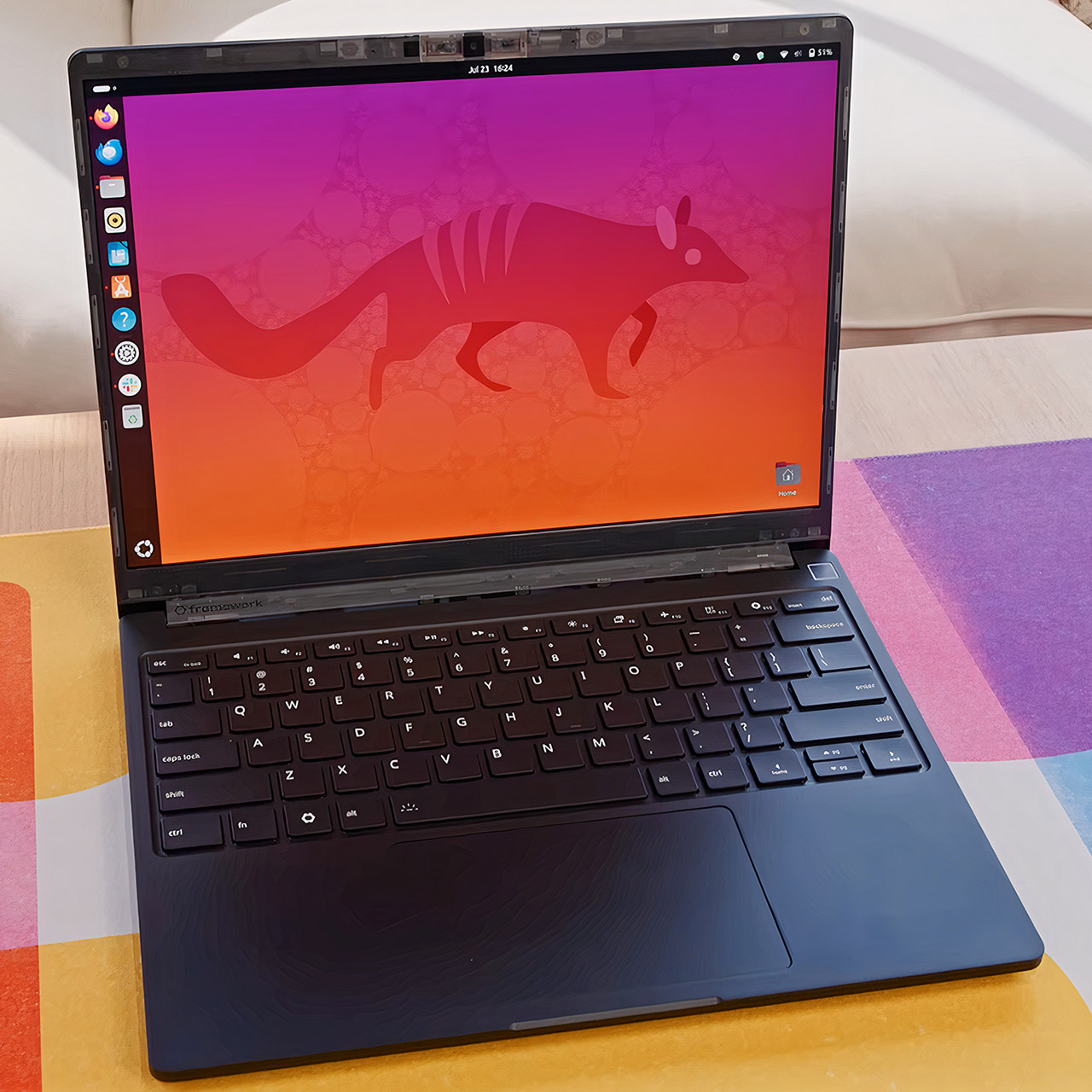
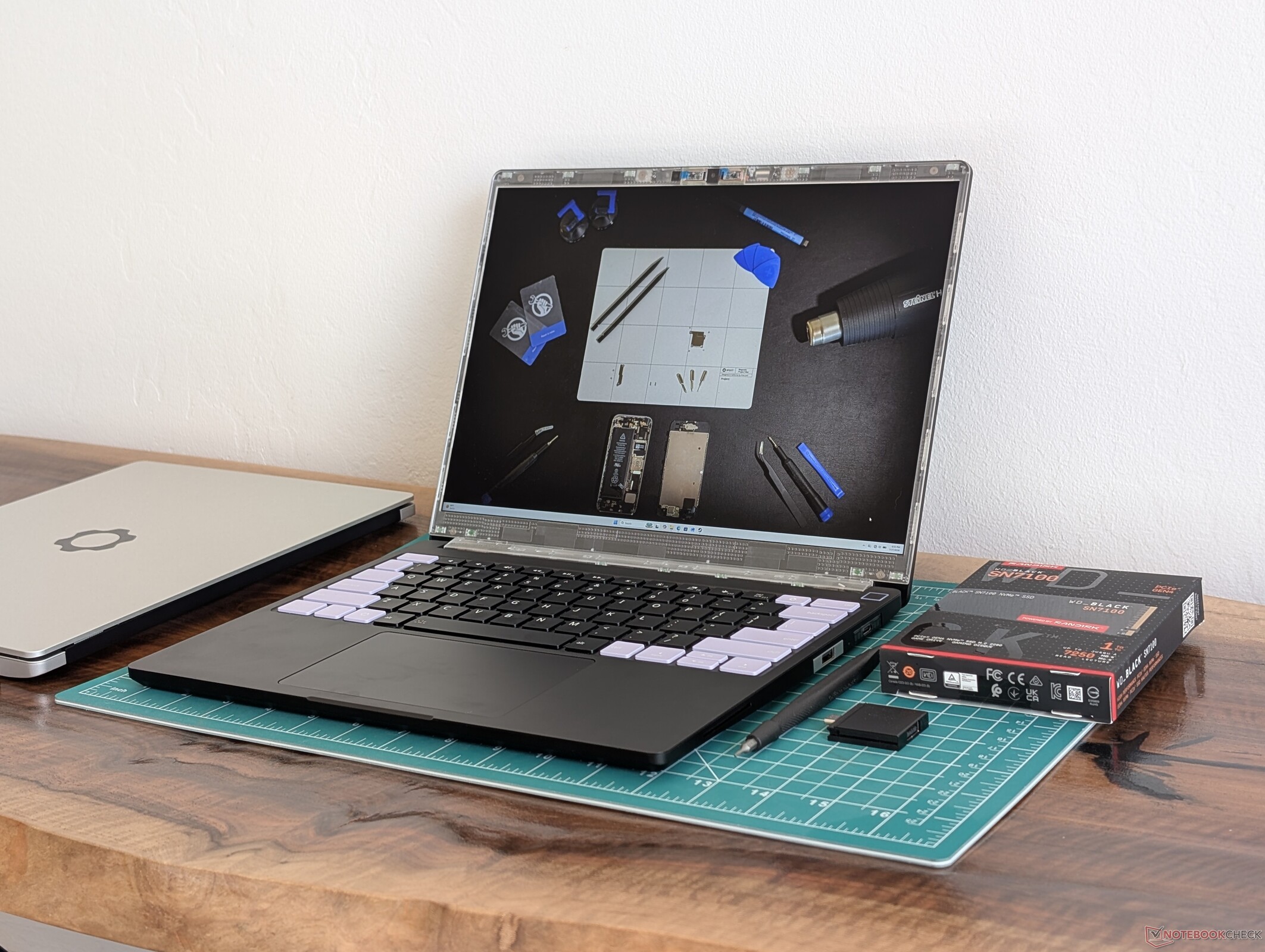
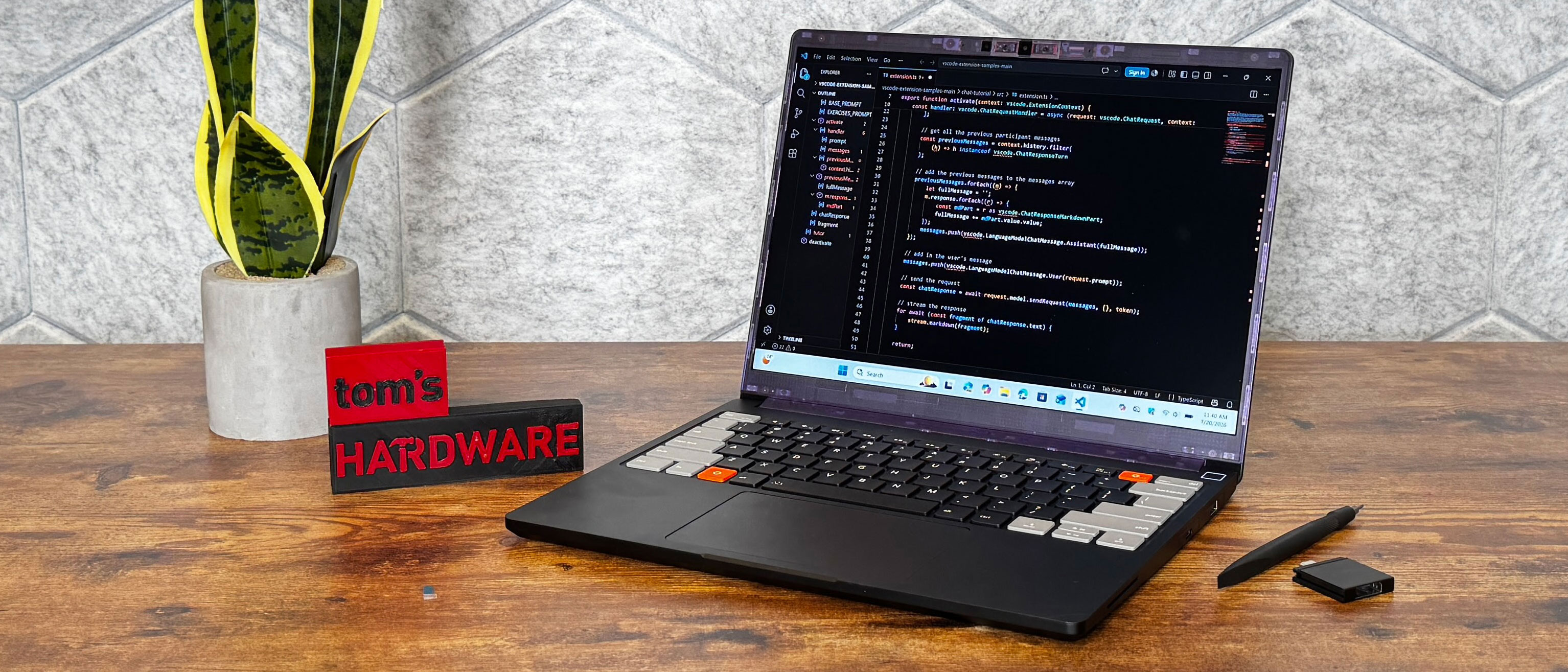
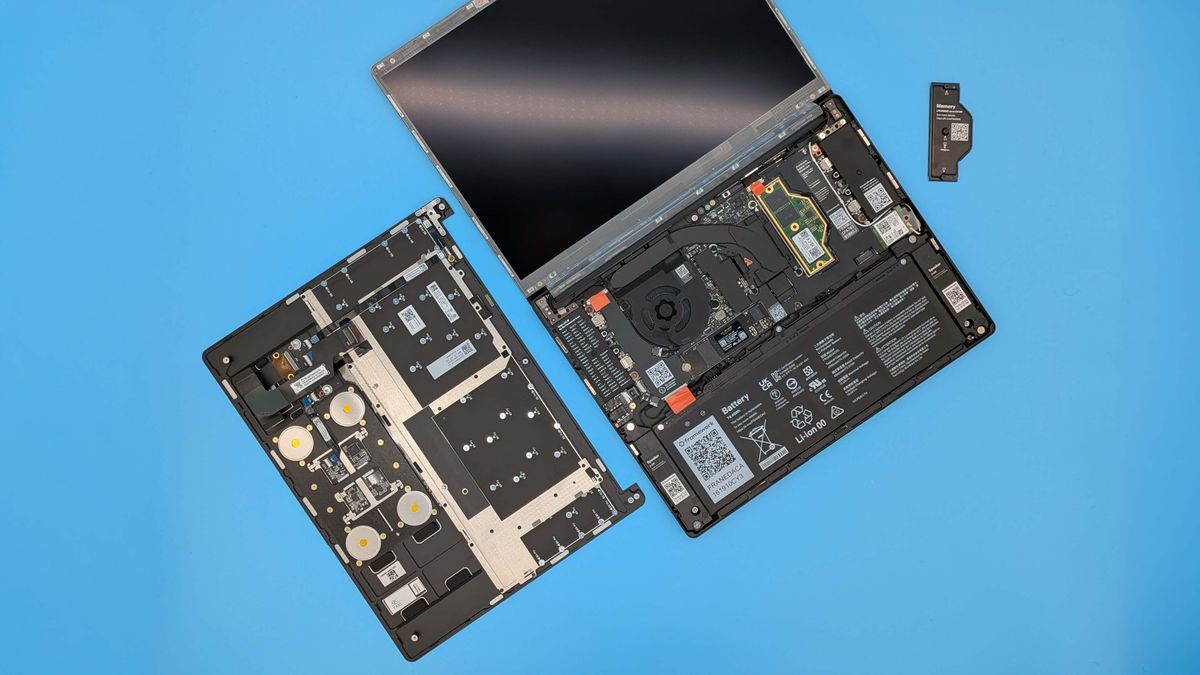
The semiconductor supply chain is experiencing unprecedented volatility that directly impacts e-commerce sellers in the electronics and computer components categories. Framework, a manufacturer of modular repairable laptops, has publicly disclosed that LPCAMM2 memory module costs have more than doubled compared to previous inventory levels—far exceeding the forecasted low-to-mid double-digit percentage increases for Q2-Q3 2024. According to Framework CEO Nirav Patel, these cost surges go "far beyond anything we're able to absorb without placing our ability to operate at real financial risk," signaling that even established hardware manufacturers cannot pass full costs to consumers without damaging demand.
This crisis reveals critical AI-driven opportunities for e-commerce sellers. Immediate automation opportunity: Sellers can deploy AI-powered dynamic pricing engines to monitor component costs in real-time across suppliers (Alibaba, TechData, Arrow Electronics) and automatically adjust product pricing on Amazon, eBay, and Shopify within 24-48 hours of cost changes. Framework's strategy of maintaining original 16GB LPCAMM2 pricing while raising 32GB/64GB prices demonstrates selective SKU-level pricing—a tactic sellers can automate using AI inventory management tools like Keepa or Helium 10 to identify which configurations have price elasticity. Data insight: The mixed outcomes across memory types (LPCAMM2 surging, DDR5 48GB declining, DDR5 16GB rising) indicate fragmented supply dynamics. AI-powered competitive intelligence tools can analyze competitor pricing across 50+ sellers to identify arbitrage windows where sellers can source cheaper inventory from regional suppliers and capture margin before prices normalize.
Competitive moat opportunity: Sellers who implement AI-driven supply chain visibility can predict price movements 2-4 weeks ahead by analyzing supplier announcements, manufacturing capacity reports, and geopolitical factors affecting semiconductor production. This predictive advantage allows sellers to lock in inventory at lower costs before price spikes hit the broader market. For sellers currently holding laptop components, DDR5 modules, or storage drives, AI-powered demand forecasting can optimize inventory mix—shifting capital from declining-cost items (48GB DDR5) to high-margin, volatile items (LPCAMM2, 16GB DDR5) where pricing power exists. The broader silicon market volatility affecting "hardware manufacturers of all sizes" creates a 3-6 month window where sellers with superior cost intelligence can gain 200-400 basis points of margin advantage over competitors using static pricing models.
Questions 8
What is the financial impact of this memory crisis on a typical Amazon FBA electronics seller?
For a seller with 100 laptop component SKUs averaging $50 COGS and 40% gross margin ($20 profit per unit), a 100% cost increase on 30% of inventory (LPCAMM2-heavy SKUs) means COGS rises from $50 to $65 on those units—reducing margin to 22% ($11 profit) if prices aren't raised. Over 1,000 monthly unit sales, this represents $9,000 monthly margin loss ($108K annually). Using AI dynamic pricing to raise prices 12-15% on affected SKUs within 48 hours of cost increases can recover $4,500-6,000 monthly margin. The ROI on AI pricing tools ($100-200/month) is immediate: they pay for themselves in 1-2 days of recovered margin. Sellers delaying price adjustments lose $300-400 daily in margin compression, making automation critical.
How can sellers use AI to predict the next semiconductor price shock and prepare inventory strategy?
Sellers can deploy AI-powered supply chain intelligence by monitoring: (1) Semiconductor manufacturer announcements (TSMC, Samsung, SK Hynix capacity reports), (2) Geopolitical factors affecting production (Taiwan tensions, export restrictions), (3) Supplier cost indices from TechData and Arrow Electronics, and (4) Competitor pricing patterns across 50+ sellers on Amazon. Machine learning models can identify leading indicators of price increases 2-4 weeks before they hit the market. For example, when TSMC announces capacity constraints, memory prices typically spike 3-4 weeks later. Sellers using this predictive intelligence can lock in inventory at current prices before spikes occur, gaining 300-500 basis points of margin advantage. Tools like Keepa's price history analysis combined with custom AI models can provide this capability for $100-300/month.