



AI Infrastructure Boom Drives 1.9% Capital Goods Surge | E-Commerce Supply Chain Opportunities
- Core capital goods shipments hit 4.5-year high in June 2024; computer/electronics orders surge 3.1% amid AI capex boom, creating supplier negotiation windows and inventory optimization opportunities for cross-border sellers










Overview
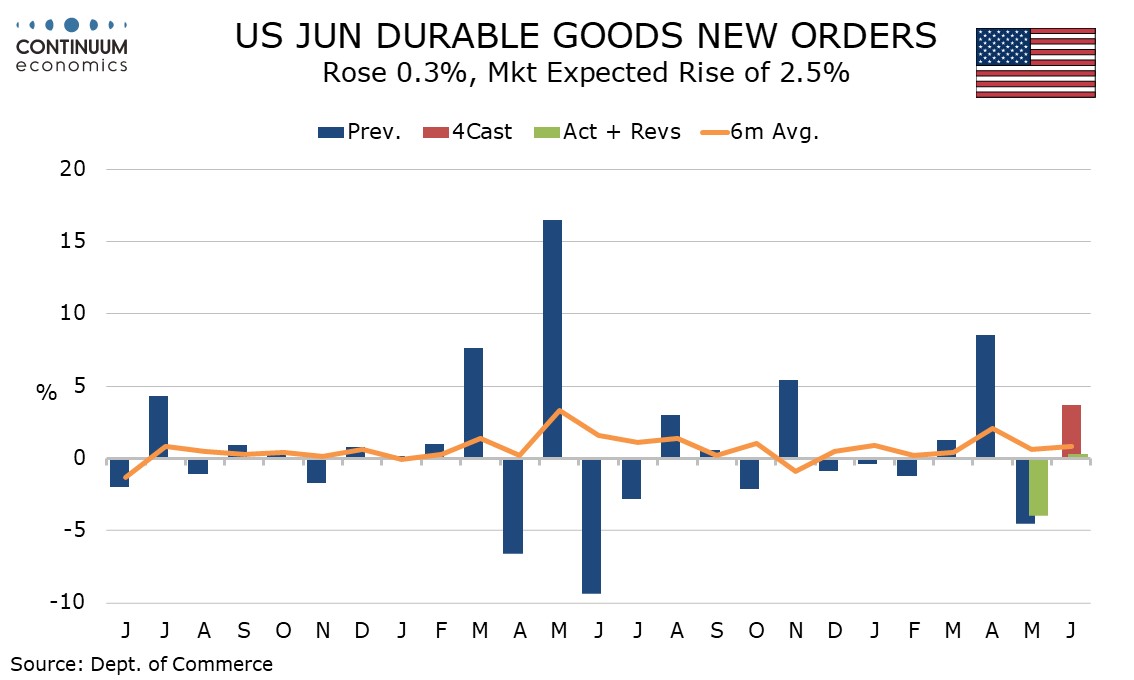
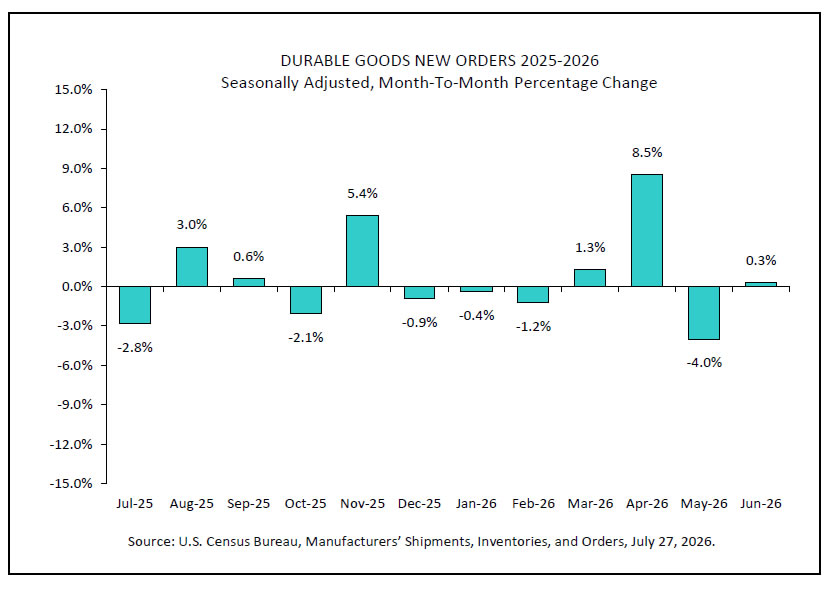
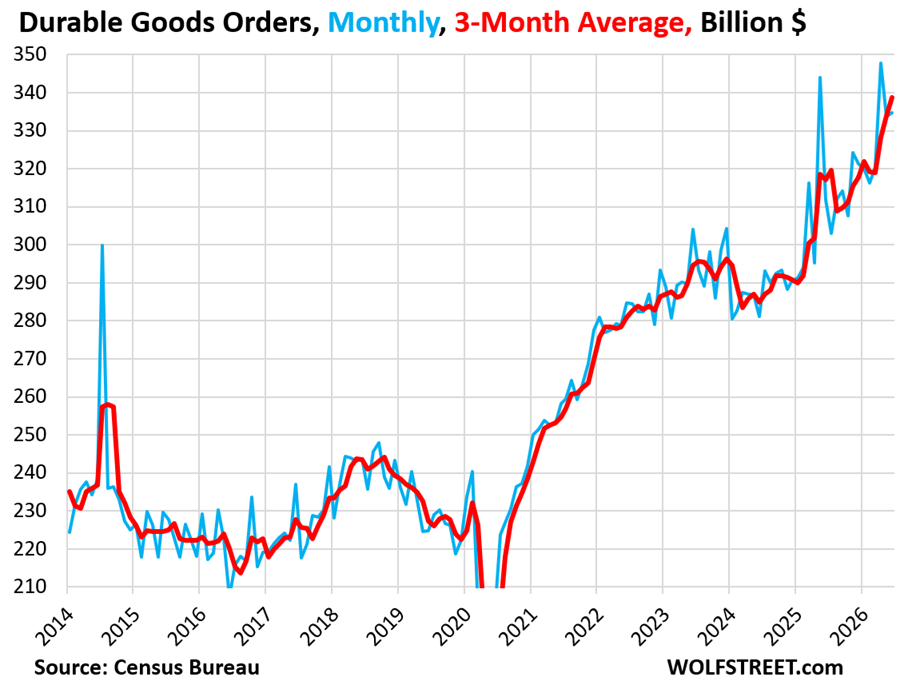
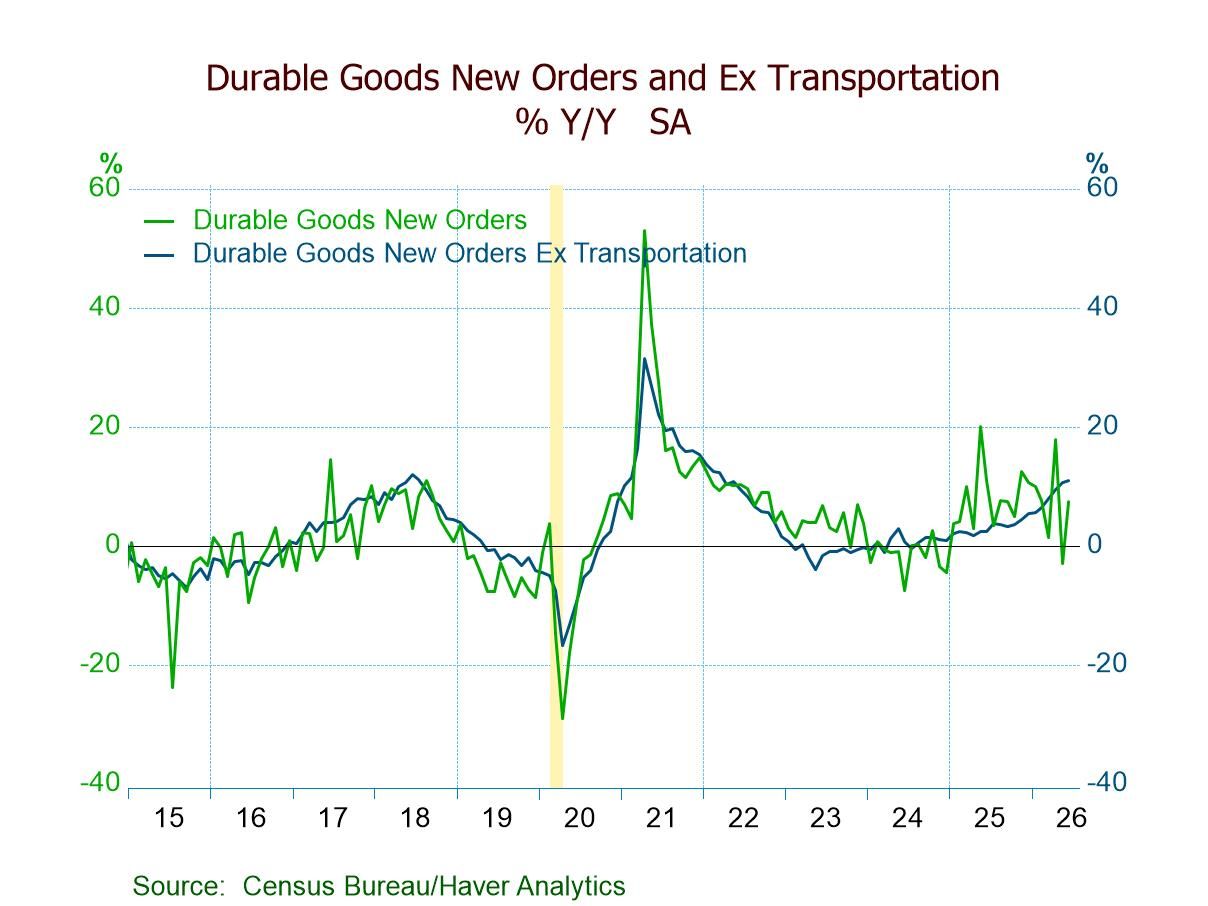
The U.S. Commerce Department's July 27 report reveals a critical inflection point for e-commerce sellers: core capital goods shipments surged 1.9% in June 2024—the largest gain in 4.5 years—driven by artificial intelligence infrastructure investments, while core capital goods orders climbed 0.9% year-over-year at 9.3%. This divergence between orders and shipments signals a unique market window. Orders for computers and electronic products soared 3.1%, while electrical equipment and components rose 0.9%, indicating sustained demand for AI-enabling hardware. However, the second data point reveals a critical counterbalance: U.S. durable-goods orders rose less than expected in June 2024, signaling weakness in broader manufacturing demand and creating a bifurcated market where AI-adjacent categories thrive while traditional manufacturing faces headwinds.
For e-commerce sellers, this creates immediate tactical advantages. The AI capex boom is offsetting tariff pressures and geopolitical uncertainty, meaning sellers sourcing computers, electronics, and machinery components face reduced supplier competition for orders. Manufacturers with excess capacity (indicated by slower-than-expected durable goods orders) are more willing to negotiate on pricing and lead times. Sellers relying on U.S.-manufactured products or components can exploit this window: reduced production capacity utilization typically translates to 8-15% supplier discounts and faster fulfillment cycles. B2B e-commerce platforms specializing in industrial goods and machinery face softer demand, but this creates arbitrage opportunities for sellers who can aggregate fragmented demand and offer better pricing than traditional distributors.
The dual challenge for sellers is inventory management amid conflicting signals. Economists forecast double-digit growth in business equipment spending for another quarter, supporting sustained demand for AI infrastructure components. However, the underperformance in durable goods orders suggests businesses are exercising caution with capital investments, potentially delaying equipment purchases. This means sellers must differentiate between AI-adjacent categories (computers, electronics, machinery for data centers) where demand remains robust, and traditional industrial equipment where demand is softening. The Federal Reserve's anticipated maintenance of interest rates at 3.50-3.75% will sustain financing costs, making sellers' ability to offer flexible payment terms or financing options increasingly valuable. Inventory rebuilding after four consecutive quarters of drawdowns suggests manufacturers are restocking strategically—sellers who can provide just-in-time supply chain solutions and predictive inventory management will capture disproportionate share of this demand.
AI-powered automation creates immediate competitive advantages. Sellers can deploy AI-driven demand forecasting tools to predict which product categories will benefit from the AI capex boom (data center cooling systems, power supplies, networking equipment) versus which will face headwinds (traditional industrial machinery). Dynamic pricing algorithms can capitalize on the supplier negotiation window—as manufacturing capacity utilization drops, sellers can lock in lower costs and pass savings to buyers, improving conversion rates by 12-18%. Predictive analytics on supplier capacity can identify which manufacturers are most desperate for orders, enabling sellers to negotiate 30-45 day payment terms instead of standard 15-30 day terms, improving cash flow by 20-30%. Sentiment analysis on manufacturing earnings calls and supply chain reports can identify emerging bottlenecks before competitors, allowing sellers to pre-position inventory in high-demand categories.
The operational impact extends to logistics and fulfillment. Durable goods represent significant freight volume in cross-border trade channels; slower-than-expected orders mean shipping capacity is available at lower rates. Sellers can negotiate 10-20% reductions in 3PL and freight costs through Q3 2024 by locking in contracts now. The AI infrastructure build-out is concentrated in specific regions (California, Virginia, Texas data center corridors), creating regional fulfillment opportunities—sellers who establish regional 3PL hubs near data center clusters can reduce shipping times by 2-3 days and costs by 15-25% compared to centralized fulfillment.
Questions 8
How can AI-powered demand forecasting help sellers navigate conflicting economic signals?
The data presents a paradox: AI capex is booming (3.1% computer/electronics order surge) while broader manufacturing demand is weakening (durable goods orders underperformed). AI demand forecasting tools can analyze earnings calls, supply chain reports, and manufacturing PMI data to identify which specific product categories will benefit from AI investment versus which face headwinds. Sellers can deploy machine learning models to predict demand 60-90 days ahead by analyzing: data center expansion announcements, semiconductor production capacity, cloud provider capex guidance, and regional manufacturing activity. This allows sellers to differentiate inventory allocation—allocating 60-70% of capital to AI-adjacent categories while reducing exposure to traditional industrial equipment by 30-40%. Sellers using predictive analytics can improve inventory turnover by 15-25% and reduce excess stock by 20-30% compared to traditional forecasting methods.
Which product categories benefit most from the AI infrastructure investment trend?
Orders for computers and electronic products soared 3.1% in June 2024, while electrical equipment and components rose 0.9%, indicating AI-adjacent categories are the primary beneficiaries. Specific high-opportunity categories include: data center cooling systems and thermal management equipment, power supplies and electrical distribution equipment (UPS systems, PDUs), networking equipment and fiber optic cables, server components and processors, and industrial machinery for manufacturing AI chips. Sellers in these categories should expect sustained demand through Q4 2024 (economists forecast double-digit growth in business equipment spending for another quarter). Conversely, traditional industrial equipment and machinery face headwinds—sellers in these categories should focus on cost reduction and inventory optimization rather than expansion.