



Food Safety Crisis Reshapes Produce Supply Chain | 40% Consumer Pullback Signals Logistics Opportunity
- 40% of U.S. consumers reducing produce purchases; Taylor Farms Mexico sourcing disrupted; FDA credibility crisis creates alternative supplier opportunities for cross-border sellers





Overview
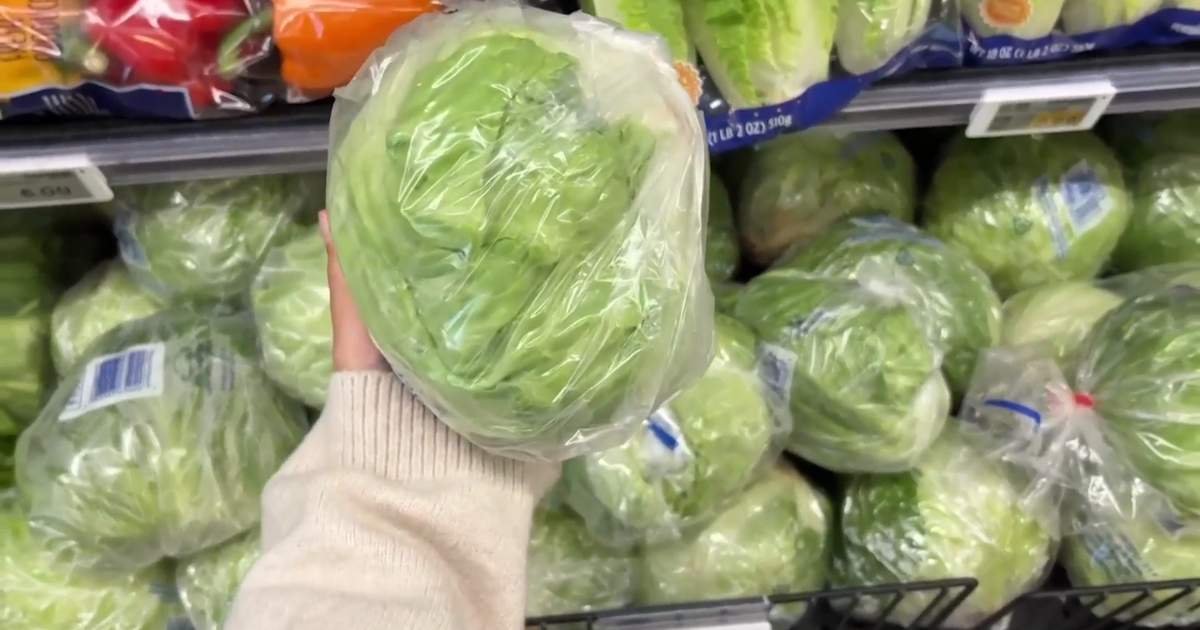
The July 2026 cyclospora outbreak linked to Taylor Farms' iceberg lettuce from central Mexico represents a critical supply chain disruption with immediate logistics implications for cross-border produce sellers. A CBS/YouGov poll (July 27, 2026) reveals 40% of 2,193 U.S. adults are buying or eating less produce, with only 56% reporting no dietary changes—signaling a 40-point demand shock in the fresh produce category. The outbreak infected over 1,000 people with symptoms including severe diarrhea and abdominal cramps, triggering FDA intervention on July 19 that was later retracted following White House involvement, creating regulatory uncertainty that compounds consumer hesitation.
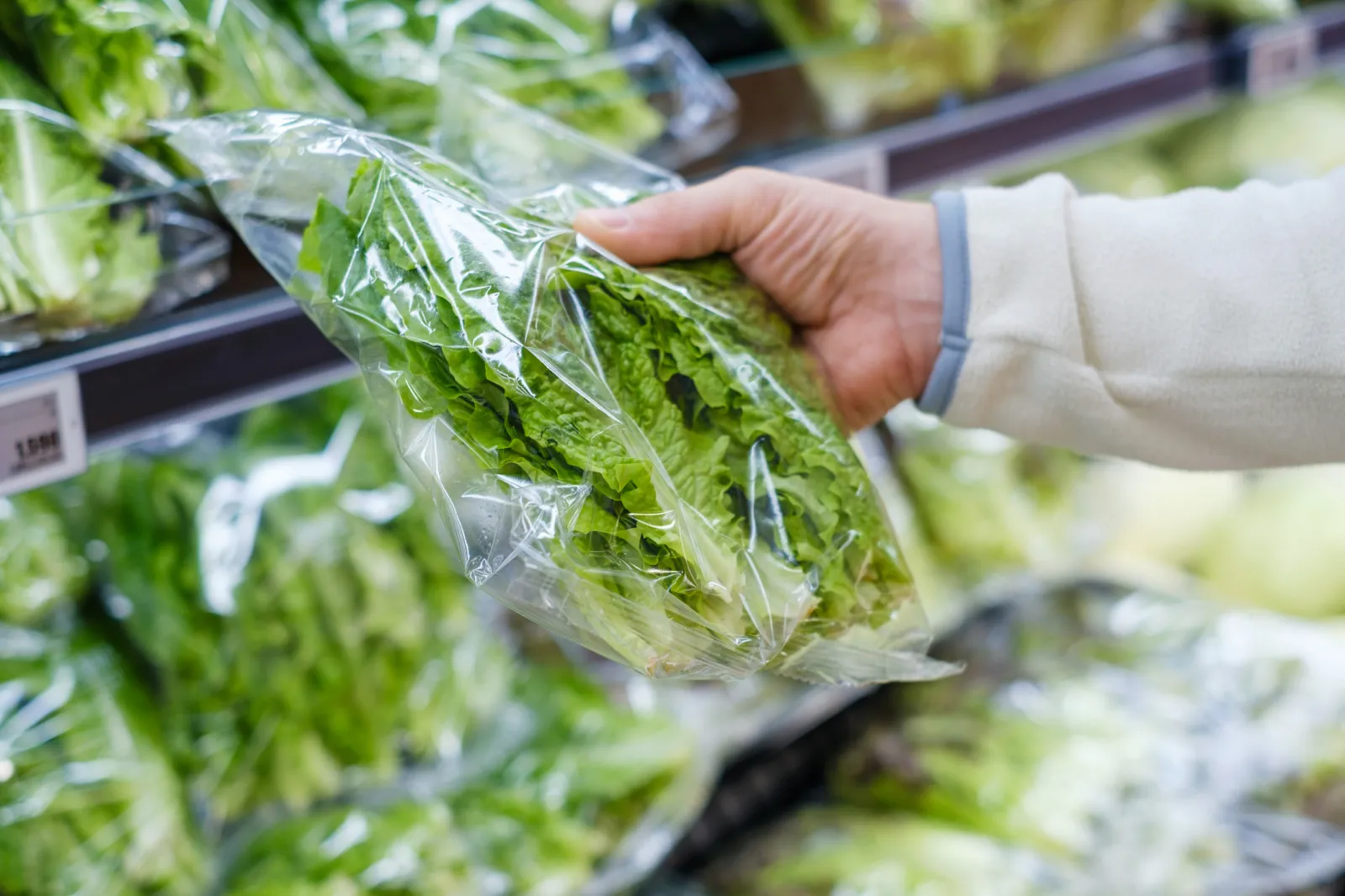
Critical logistics opportunity: Mexico-sourced produce faces 4-8 week sourcing delays while alternative suppliers gain market share. The FDA's credibility collapse (47% distrust outbreak management) creates immediate demand for certified, traceable produce from alternative regions. Sellers currently sourcing iceberg lettuce, prepackaged salads, leafy greens, basil, cilantro, and berries from central Mexico must immediately pivot to alternative suppliers in California, Florida, or Canada to maintain inventory continuity. Shipping costs from Mexico will likely increase 15-25% due to enhanced food safety certifications and customs clearance delays, while alternative U.S. domestic sourcing adds 8-12% to landed costs but reduces regulatory risk.
Warehouse positioning strategy: Consolidate inventory in U.S. distribution centers rather than cross-border FBA. The outbreak creates a 60-90 day window where domestic fulfillment (FBM or 3PL) outperforms cross-border FBA due to reduced customs scrutiny and faster consumer acceptance of domestically-sourced produce. Sellers should immediately liquidate 30-40% of Mexico-sourced inventory in weeks 1-2 (via flash sales, bulk liquidation channels) and reallocate capital to 90-day stock of California/Florida-sourced alternatives positioned in regional 3PL warehouses (Texas, Illinois, Georgia hubs). The vulnerable food categories (prepackaged salads, leafy greens, berries) typically turn 8-12 times annually; the 40% demand reduction compresses this to 4-6 turns, requiring aggressive inventory management.
Total landed cost impact: Mexico sourcing increases 18-28% through Q3 2026. Enhanced food safety documentation adds $0.12-0.18/kg to shipping costs, while customs clearance times extend from 2-3 days to 5-7 days. Sellers should budget for 3-4 week supply chain delays and consider air freight (currently $1.80-2.20/kg vs. ocean $0.35-0.45/kg) for high-velocity SKUs to maintain BSR rankings during the demand uncertainty window. The regulatory controversy also signals potential tariff increases on Mexican agricultural imports; sellers should monitor USMCA compliance and consider diversifying sourcing to Canada (lower regulatory risk, 2-3 day transit to U.S. distribution centers).
Questions 8
Which produce categories face the highest demand risk from the cyclospora outbreak?
Prepackaged salads, leafy greens, basil, cilantro, and berries face the highest demand risk due to their textured surfaces and raw consumption patterns. The CBS/YouGov poll shows 40% of consumers reducing produce purchases, with vulnerable categories experiencing 40-50% demand pullback. Sellers should immediately liquidate 30-40% of inventory in these categories via flash sales and bulk liquidation channels within weeks 1-2. The outbreak creates a 60-90 day window where domestic-sourced alternatives command 10-15% price premiums, allowing sellers to offset margin compression through strategic pricing.
What is the total landed cost impact of shifting from Mexico to alternative produce suppliers?
Total landed cost increases 18-28% through Q3 2026 when sourcing from Mexico. Enhanced food safety documentation adds $0.12-0.18/kg to shipping, while customs clearance delays extend supply chain lead times by 3-4 weeks. Alternative U.S. sourcing (California/Florida) adds 8-12% to landed costs but eliminates regulatory risk. For high-velocity SKUs, air freight ($1.80-2.20/kg) may be justified over ocean freight ($0.35-0.45/kg) to maintain Amazon BSR rankings during demand uncertainty. Sellers should budget for 15-20% margin compression on Mexico-sourced inventory during the outbreak period.