



FDA Class II Levothyroxine Recall | Pharmaceutical Compliance & Supply Chain Risk Management for Sellers
- July 13 nationwide recall of 12 product lines affects Major Pharmaceuticals and Cardinal Health; reveals critical compliance gaps in pharmaceutical distribution networks that sellers must monitor



Overview
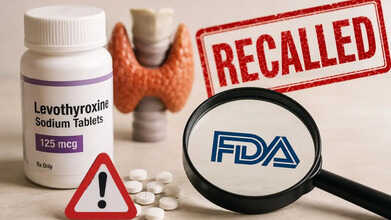
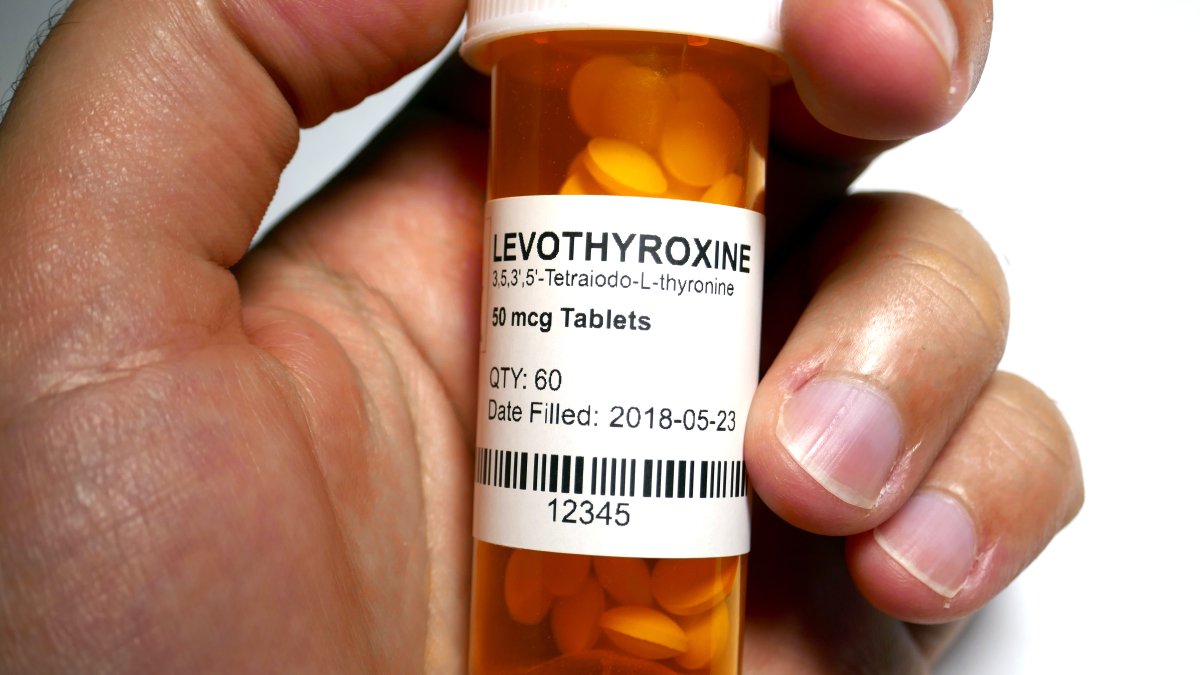
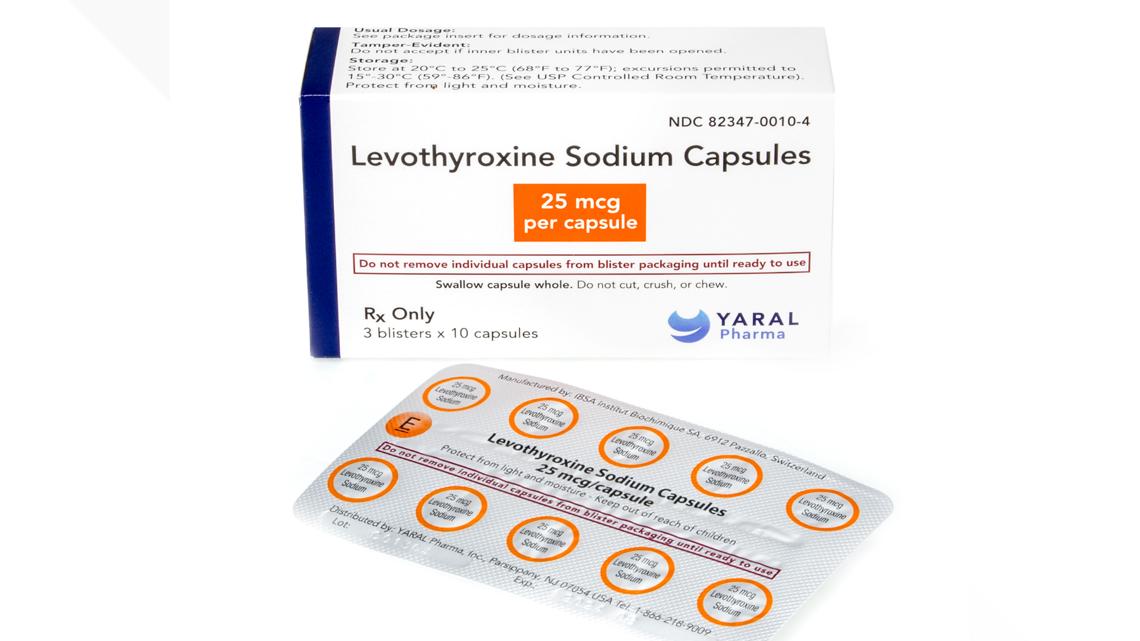
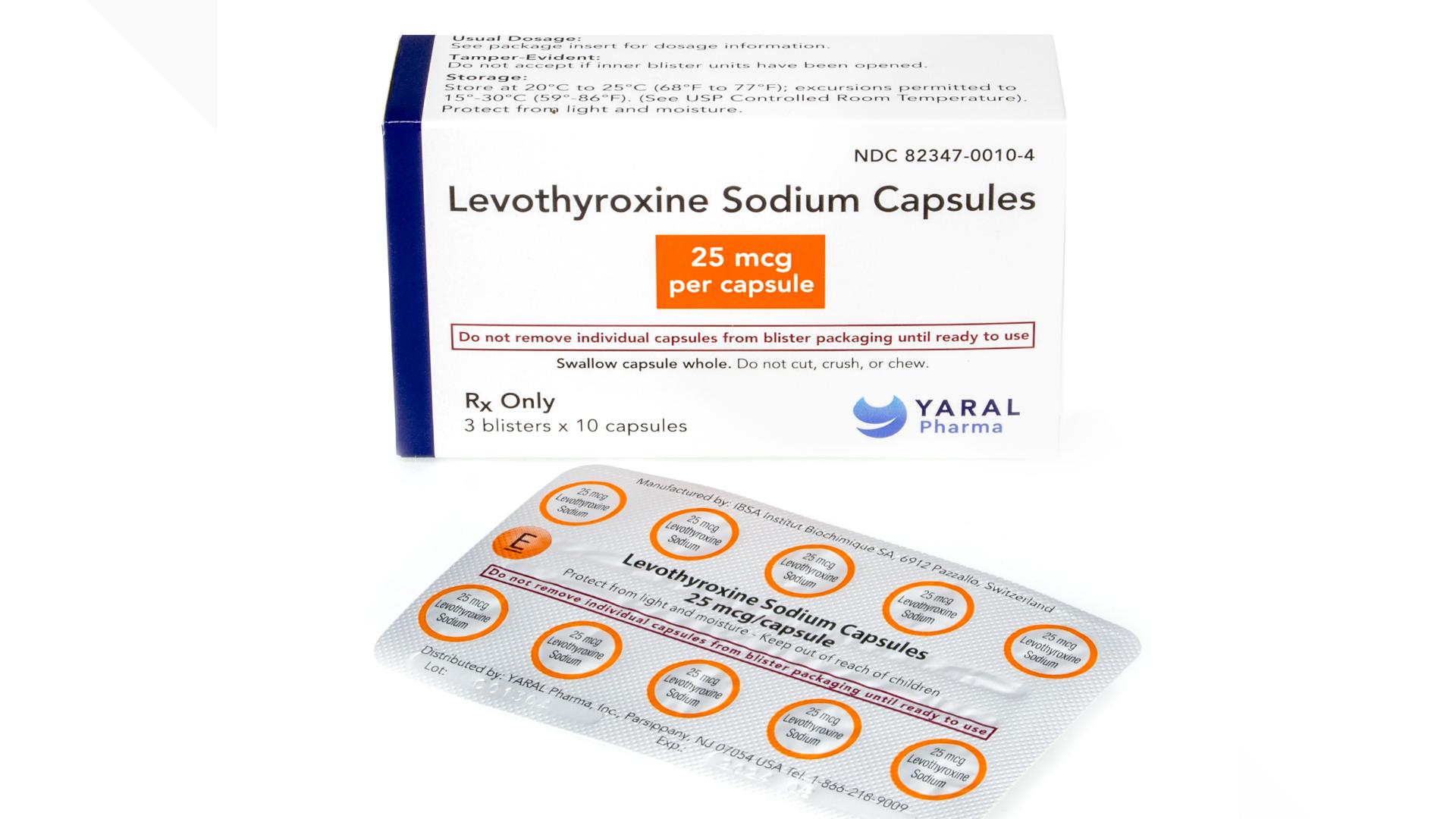
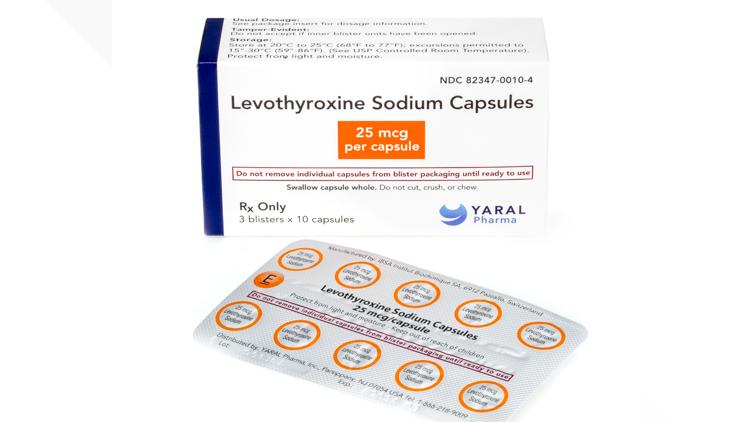
The FDA issued a Class II recall on July 13 for levothyroxine sodium tablets distributed by Major Pharmaceuticals and Cardinal Health, affecting 12 separate product lines across 7 dosage strengths (25-150 mcg) due to subpotency—tablets containing insufficient active ingredient. The recall impacts unit dose blister cartons packaged in Indianapolis with expiration dates spanning July 2026 through January 2027, affecting NDCs 0904-6949-61 through 0904-6956-61. This event reveals critical compliance vulnerabilities in pharmaceutical supply chains that extend beyond direct sellers to third-party logistics providers, fulfillment networks, and marketplace sellers handling health-related products.
Compliance Barrier Creation: The levothyroxine recall demonstrates how FDA manufacturing oversight creates high entry barriers that protect compliant sellers while eliminating non-compliant competitors. Sellers distributing pharmaceutical products or health supplements must now implement enhanced quality verification protocols, batch tracking systems, and potency testing documentation. The recall's nationwide scope—affecting distribution from a single Indianapolis facility—shows how centralized manufacturing creates systemic risk. Sellers relying on unverified suppliers face potential liability exposure, marketplace suspension, and customer refund obligations. Compliant sellers with established supplier audits, third-party testing certifications, and batch documentation systems gain competitive advantage as platforms tighten health product policies.
Market Elimination & Service Gaps: The recall eliminates approximately 12 product SKUs from distribution, creating immediate demand for compliant alternatives. Sellers offering verified, FDA-compliant thyroid supplements or natural alternatives (desiccated thyroid, herbal thyroid support) can capture displaced demand from patients seeking non-pharmaceutical options. The subpotency issue—where products fail to deliver promised potency—directly parallels e-commerce supplement fraud, creating urgency for third-party testing services. Sellers in health/wellness categories now face pressure to obtain USP (United States Pharmacopeia) certification, NSF International verification, or ConsumerLab testing to differentiate from low-cost competitors. These certifications cost $2,000-8,000 per product but create defensible moats against price competition.
Operational Impact on Sellers: Marketplace platforms (Amazon, eBay, Walmart) will likely tighten health product policies, requiring sellers to provide manufacturing certifications, supplier audits, and batch testing documentation. Sellers currently listing levothyroxine alternatives or thyroid-related supplements must audit their supply chains immediately—non-compliance could trigger account suspension. The recall also signals FDA enforcement intensity: Class II recalls indicate serious quality control failures, suggesting regulators will increase inspection frequency for pharmaceutical manufacturers and distributors. Sellers sourcing from manufacturers with recent FDA warning letters face higher compliance costs and longer approval timelines. The Indianapolis distribution hub failure suggests sellers should diversify supplier geographic footprint to reduce single-point-of-failure risk.
Questions 7
What immediate actions should sellers take after the levothyroxine recall?
Sellers should take three immediate steps: (1) Audit supply chain—verify suppliers have no FDA warning letters or previous recalls by checking FDA.gov database; (2) Review marketplace policies—check Amazon Seller Central, eBay, and Walmart policies for health product compliance requirements; (3) Implement batch tracking—establish documentation system for lot numbers, expiration dates, and testing certificates. Sellers listing levothyroxine alternatives or thyroid supplements should complete these audits within 30 days. Failure to comply risks account suspension and customer refund liability. Sellers in health/wellness categories should consider obtaining third-party certifications (USP, NSF, ConsumerLab) within 60-90 days to strengthen compliance posture.
How does the levothyroxine subpotency issue create compliance barriers for sellers?
Subpotency—where tablets contain less active ingredient than specified—reveals manufacturing quality control failures that create high entry barriers for compliant sellers. Sellers must now obtain third-party potency testing (cost: $2,000-8,000 per product), USP certification, or NSF International verification to differentiate from low-cost competitors. The recall demonstrates that platforms will enforce stricter health product policies, requiring sellers to provide manufacturing audits, supplier certifications, and batch documentation. Non-compliant sellers face account suspension, while compliant sellers gain competitive advantage through verified quality claims. This creates a 'compliance moat' where established sellers with testing infrastructure outcompete new entrants.