




AI Privacy Breaches Drive Demand for Data Protection Compliance Services | Seller Risk Alert
- Thousands of sensitive conversations exposed; recurring vulnerability across OpenAI, Anthropic, Grok platforms signals urgent need for data governance tools and compliance certifications in e-commerce operations









Overview
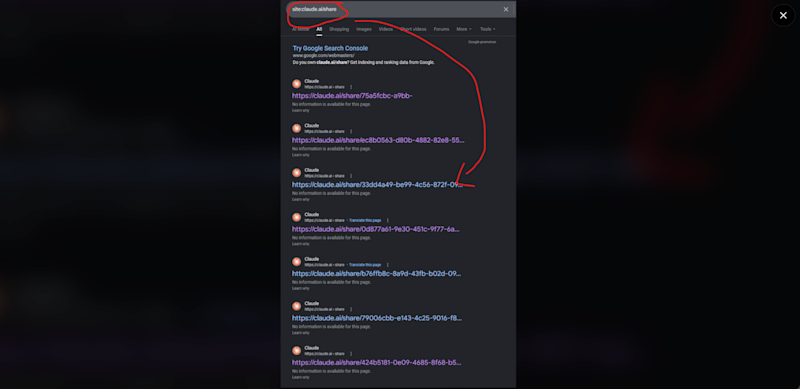
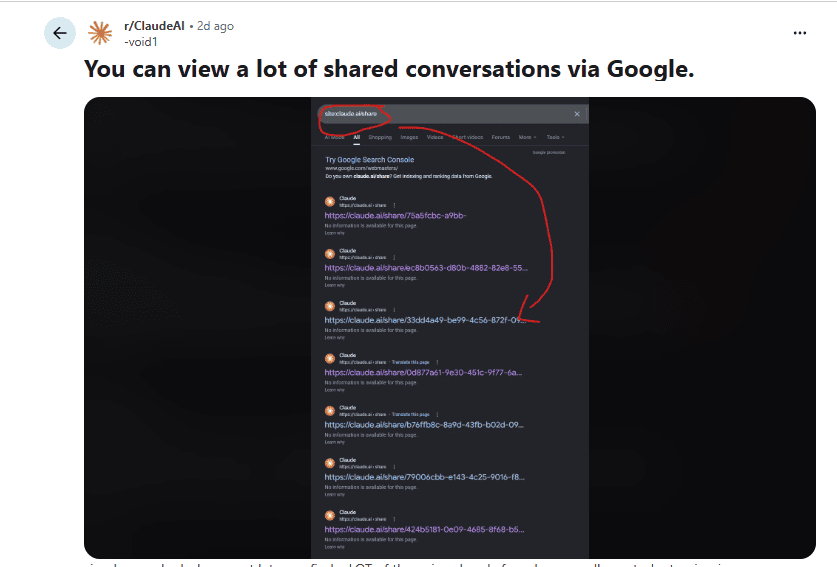
Anthropic's Claude AI platform experienced a critical privacy breach over the weekend of July 27, 2026, when thousands of user conversations became publicly searchable on Google, exposing sensitive information including cryptocurrency wallet keys, personal names, addresses, health records, and children's contact information. The exposure affected Claude's share feature—a functionality designed for controlled sharing that inadvertently became indexable when users posted links on public platforms like Reddit and forums. This incident mirrors a 2024 exposure of approximately 600 Claude conversations and follows similar breaches affecting OpenAI's ChatGPT (nearly 100,000 conversations exposed) and Elon Musk's Grok chatbot, indicating an industry-wide struggle with securing shared conversation URLs.
For e-commerce sellers, this breach pattern creates both compliance risks and service opportunities. Sellers increasingly use AI chatbots like Claude to develop business strategies, analyze supplier data, and draft marketing content—all of which could contain proprietary information, customer lists, or financial details. The recurring nature of these breaches (multiple incidents across platforms within 12-24 months) signals that AI companies have not permanently resolved fundamental security flaws in their share mechanisms, despite high-profile incidents. This creates immediate compliance exposure for sellers who've shared sensitive business information through these platforms.
The breach also highlights a critical gap in data governance services for e-commerce operators. Sellers managing operations across multiple platforms (Amazon, Shopify, eBay) increasingly rely on AI tools for inventory optimization, pricing analysis, and customer service—yet lack standardized protocols for protecting this data. The exposed content included detailed medical reports, clinical trial data with patient names, internal company files, and employee reviews, demonstrating that sensitive business data is being shared without adequate safeguards. Compliance service providers now face high-demand opportunities to develop data protection certifications, audit frameworks, and secure AI integration protocols specifically designed for e-commerce operations. The market for data governance tools, secure document management systems, and compliance monitoring platforms is likely to expand significantly as sellers recognize the liability risks of uncontrolled AI tool usage.
Regulatory implications are emerging. The exposure of health records and children's personal information triggers potential GDPR, CCPA, and HIPAA compliance violations for any sellers or service providers whose data was exposed. Anthropic's remediation (removal of indexed links by Monday afternoon) demonstrates the speed at which breaches can be addressed, but the persistence of "previously exposed links remained live and accessible" indicates ongoing risk. Sellers must now audit their AI tool usage, implement data classification protocols, and establish clear policies around what information can be shared with third-party AI platforms.
Questions 8
Which e-commerce categories face highest compliance risk from AI breaches?
High-risk categories include: (1) Healthcare/wellness sellers—exposed health records trigger HIPAA violations and regulatory investigations; (2) Financial services/cryptocurrency—exposed wallet keys and financial data create direct fraud/theft risk; (3) Children's products—exposed children's names and contact information violates COPPA (Children's Online Privacy Protection Act) and triggers FTC enforcement; (4) Personal care/beauty—exposed customer lists and health information (skin conditions, allergies) create privacy liability; (5) Luxury goods—exposed supplier relationships and pricing strategies harm competitive position. Sellers in these categories should prioritize data governance investments and avoid sharing any customer or operational data with third-party AI tools. Consider using enterprise AI solutions with data residency guarantees and contractual data protection commitments instead of consumer-grade platforms.
How should sellers respond if their data was exposed in the Claude breach?
If you used Claude's share feature before July 27, 2026, take these steps: (1) Within 24 hours, review your shared chats through Settings > Privacy > Shared Chats to identify what was exposed; (2) Document the exposure—note what information was shared, when, and with whom; (3) Assess compliance impact: did the exposure include customer data (triggering GDPR/CCPA), health information (HIPAA), or financial data (PCI-DSS)? (4) If customer data was exposed, you may be required to notify affected individuals within 30-60 days under state data breach laws; (5) Notify your cyber liability insurance provider immediately; (6) Consult with a data protection attorney if you handle regulated data (healthcare, financial, EU residents); (7) Implement corrective measures: delete sensitive shared chats, establish data governance policies, and switch to secure alternatives for future sensitive work.