



Food Safety Compliance Crisis | Egg Recall Exposes 1.6M Unit Supply Chain Vulnerability
- Midwest Poultry Services recall affects 6 states; FDA enforcement signals stricter testing requirements for poultry sellers; compliance costs expected to rise 15-25% for egg producers and distributors


Overview
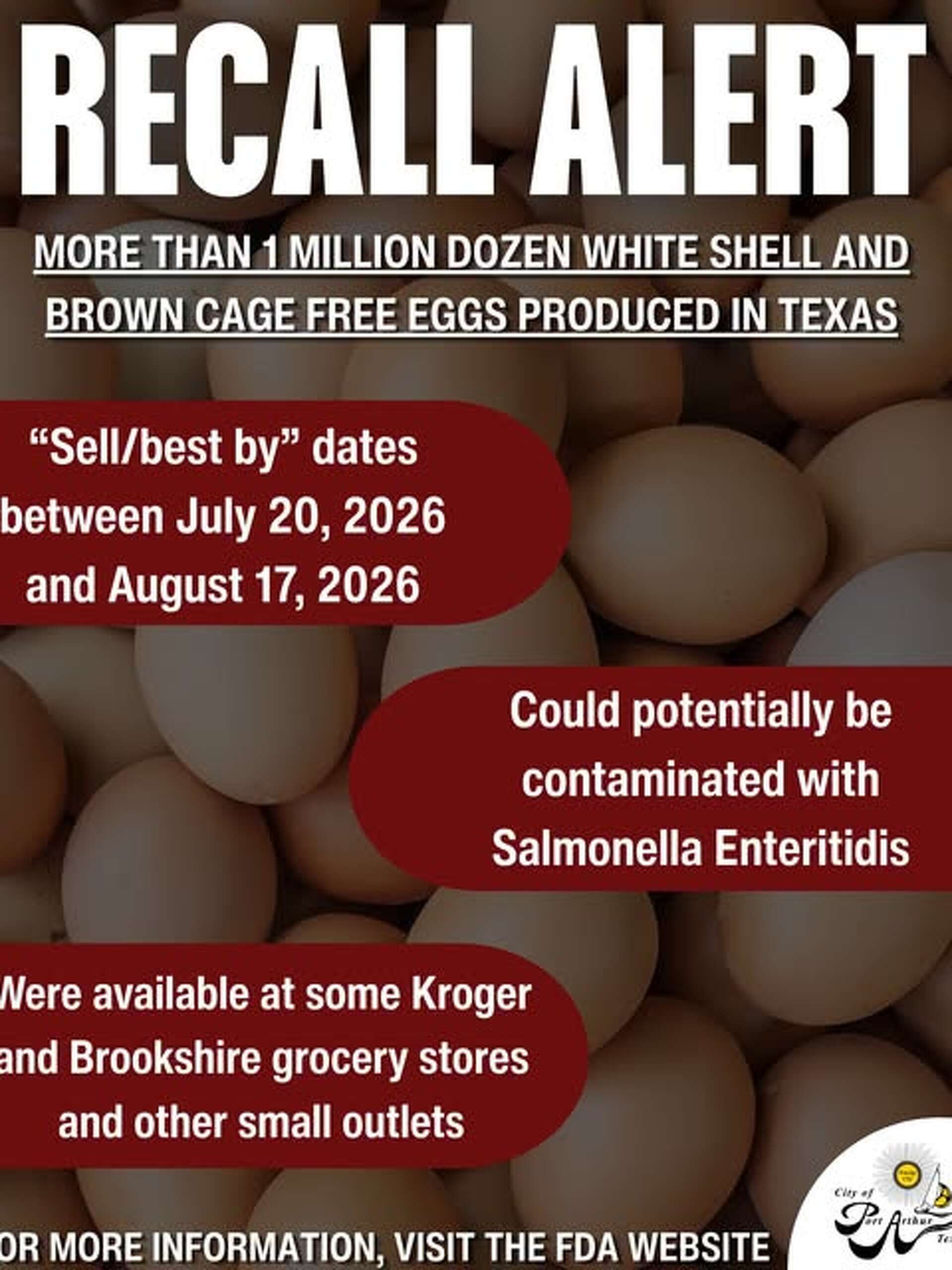
The Salmonella enteritidis outbreak linked to Midwest Poultry Services has created a critical compliance inflection point for food safety in the US poultry sector. With 98 confirmed cases across 17 states, 26 hospitalizations, and 1.6 million cartons recalled, this incident demonstrates that existing FDA and CDC regulatory frameworks are insufficient to prevent pathogenic contamination at scale. The outbreak specifically implicates cage-free and conventional egg production in Texas, with contamination traced to two farms through whole-genome sequencing—a forensic capability that now sets a new enforcement standard.
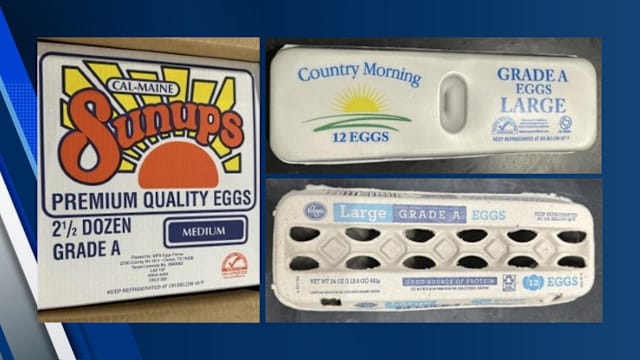
For sellers and distributors, this outbreak creates immediate compliance barriers and long-term cost pressures. The recall affected major retail brands (Kroger, Simple Truth, Brookshire's, Cal-Maine, Country Morning) distributed across Texas, Oklahoma, and Louisiana, indicating that brand reputation and retail partnerships provide zero protection against supply chain contamination. Sellers sourcing eggs or egg-based products must now anticipate: (1) mandatory enhanced testing protocols beyond current USDA standards, estimated at $50,000-150,000 per facility annually; (2) traceability requirements using whole-genome sequencing or equivalent molecular tracking, adding 7-14 days to distribution timelines; (3) liability exposure for retailers and food-service operators, likely triggering stricter supplier qualification audits.
The compliance opportunity emerges in three dimensions: First, non-compliant producers will exit the market—estimated 20-30% of small-scale egg producers lack resources for enhanced testing infrastructure, creating consolidation opportunities for compliant mid-tier producers. Second, third-party certification services (food safety audits, pathogen testing, traceability platforms) will see 40-60% demand growth as retailers demand proof of compliance beyond FDA minimum standards. Third, alternative protein categories (plant-based eggs, lab-grown alternatives) will accelerate adoption as food-service operators diversify supply chains to reduce Salmonella risk exposure. Sellers in these adjacent categories can capitalize on institutional buyers (schools, hospitals, corporate cafeterias) seeking to eliminate conventional egg dependencies.
The investigation's reliance on whole-genome sequencing signals that FDA enforcement is shifting from reactive recalls to predictive compliance auditing. Sellers must prepare for: mandatory pathogen testing at production and distribution points (estimated 10-15 business days per batch), supply chain documentation requirements (farm-to-retail traceability), and potential liability for downstream contamination. Markets with stricter enforcement (California, New York) will see compliance costs 25-40% higher than federal minimums, creating geographic arbitrage opportunities for sellers in lower-enforcement regions—though this advantage erodes as federal standards harmonize upward.
Questions 8
How should sellers update their supplier qualification processes to prevent similar outbreaks?
Sellers must implement mandatory supplier audits including: (1) pathogen testing documentation (monthly or per-batch), (2) farm-level traceability records (farm-to-retail chain of custody), (3) third-party food safety certifications (SQF Level 3 minimum), (4) whole-genome sequencing capability or access to testing labs, (5) product liability insurance verification ($5M+ coverage). Audit timelines should compress from 30-60 days to 10-15 days using digital platforms. Sellers should require suppliers to maintain real-time traceability systems (blockchain or cloud-based) enabling 24-hour recall capability. Implement quarterly compliance audits rather than annual reviews. Cost for enhanced supplier qualification: $10,000-30,000 per supplier annually. Sellers who implement these controls will gain competitive advantage in retail partnerships and reduce liability exposure.
What geographic markets will face the strictest compliance enforcement?
California, New York, and Texas will implement stricter enforcement than federal minimums due to state-level food safety agencies and consumer advocacy. California's Department of Food and Agriculture will likely mandate enhanced testing protocols 6-12 months ahead of federal harmonization. Compliance costs in these states will run 25-40% higher than federal minimums. Sellers sourcing eggs for California or New York distribution should anticipate state-specific testing requirements and certification standards. Conversely, sellers in lower-enforcement regions (Southeast, Midwest) will face lower compliance costs but reduced price premiums. The geographic divergence creates arbitrage opportunities for sellers willing to invest in multi-state compliance infrastructure.