


Samsung XR Glasses 2025 Launch | AI-Powered Ecosystem Strategy Creates $50B+ Wearable Commerce Opportunity
- Samsung's ecosystem-first XR strategy positions premium wearables for 2025 launch; sellers can capture emerging demand in accessories, smart home integration, and content creation tools through AI-driven product recommendations and dynamic pricing
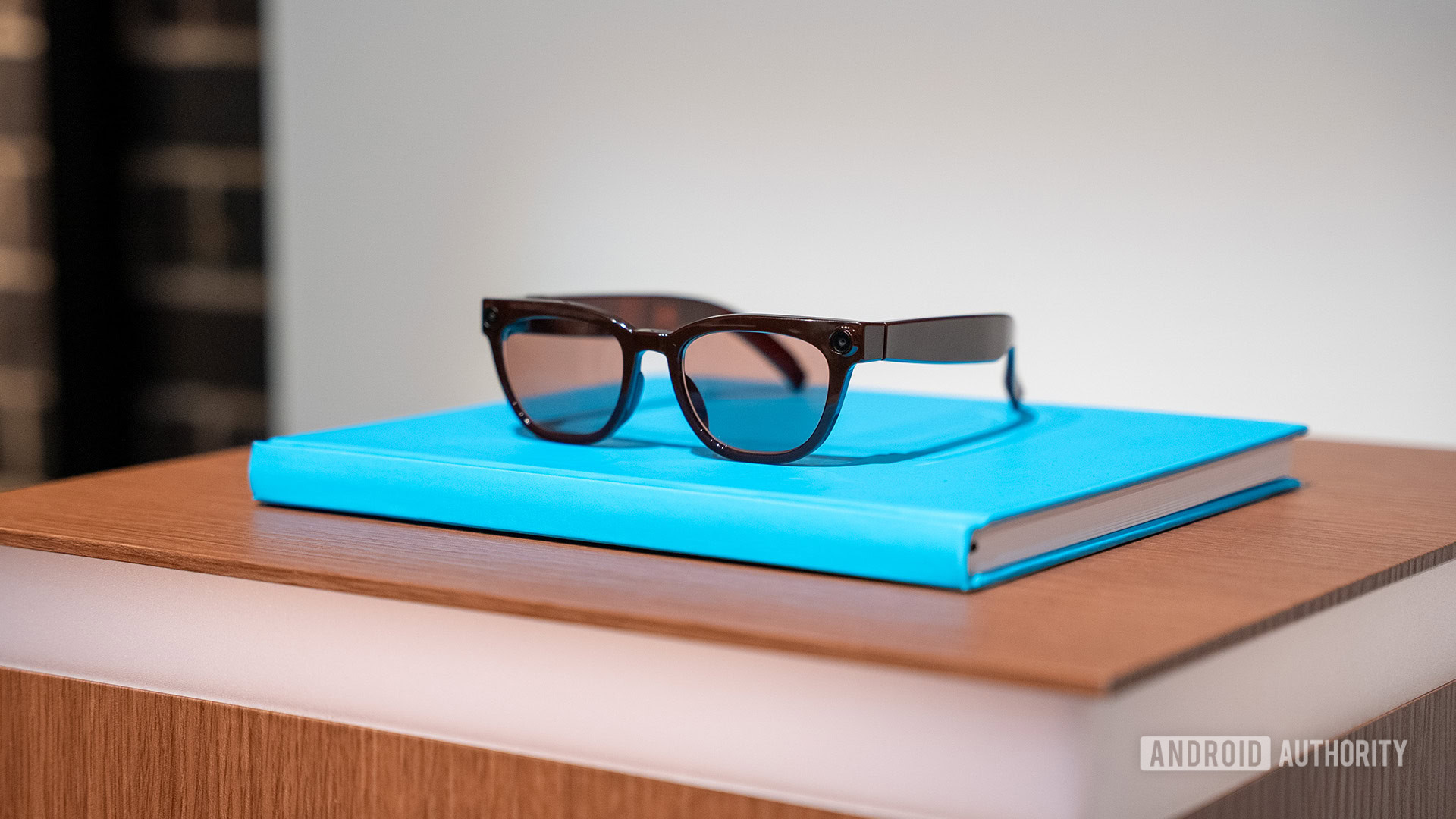
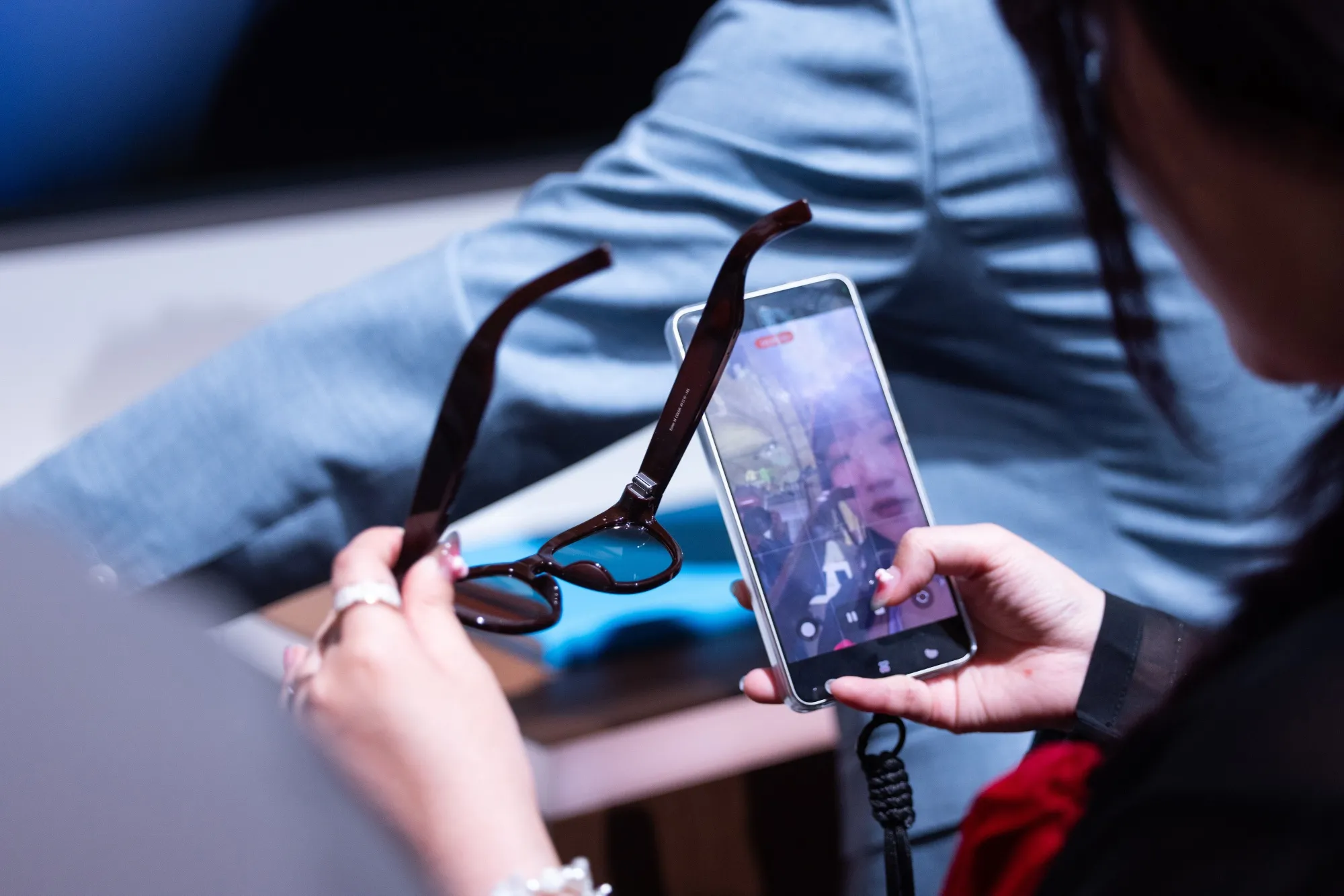
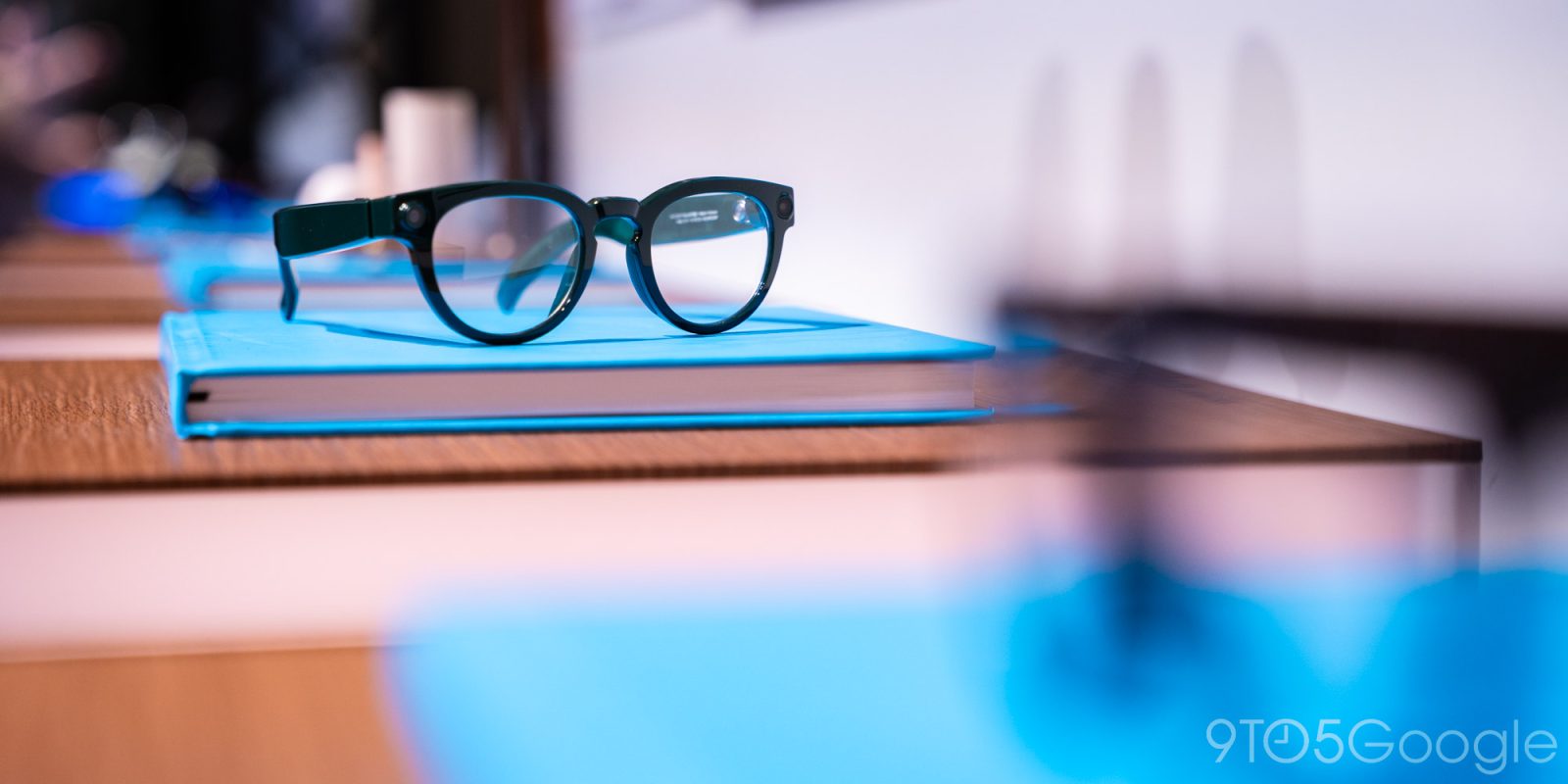
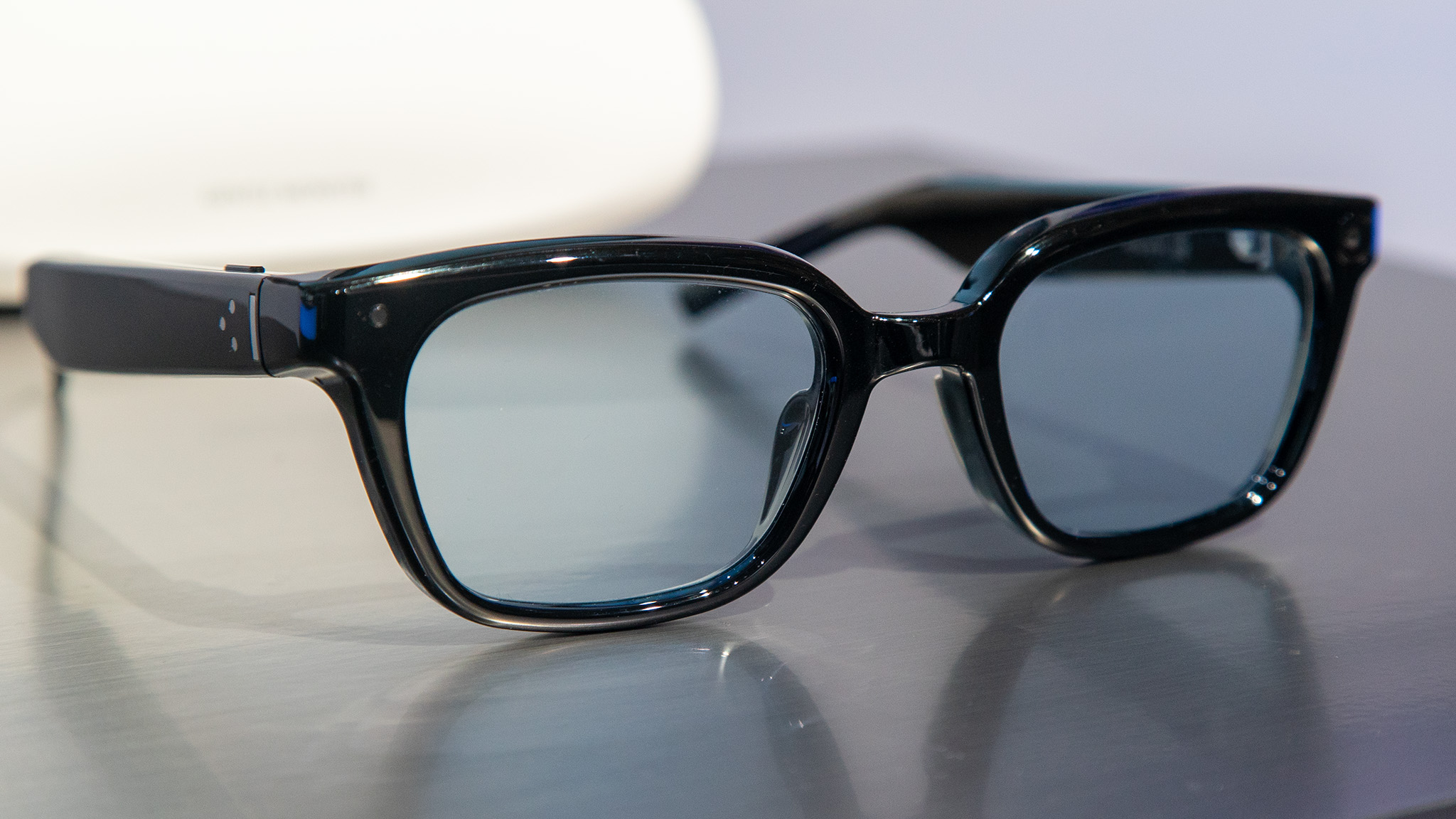
Overview
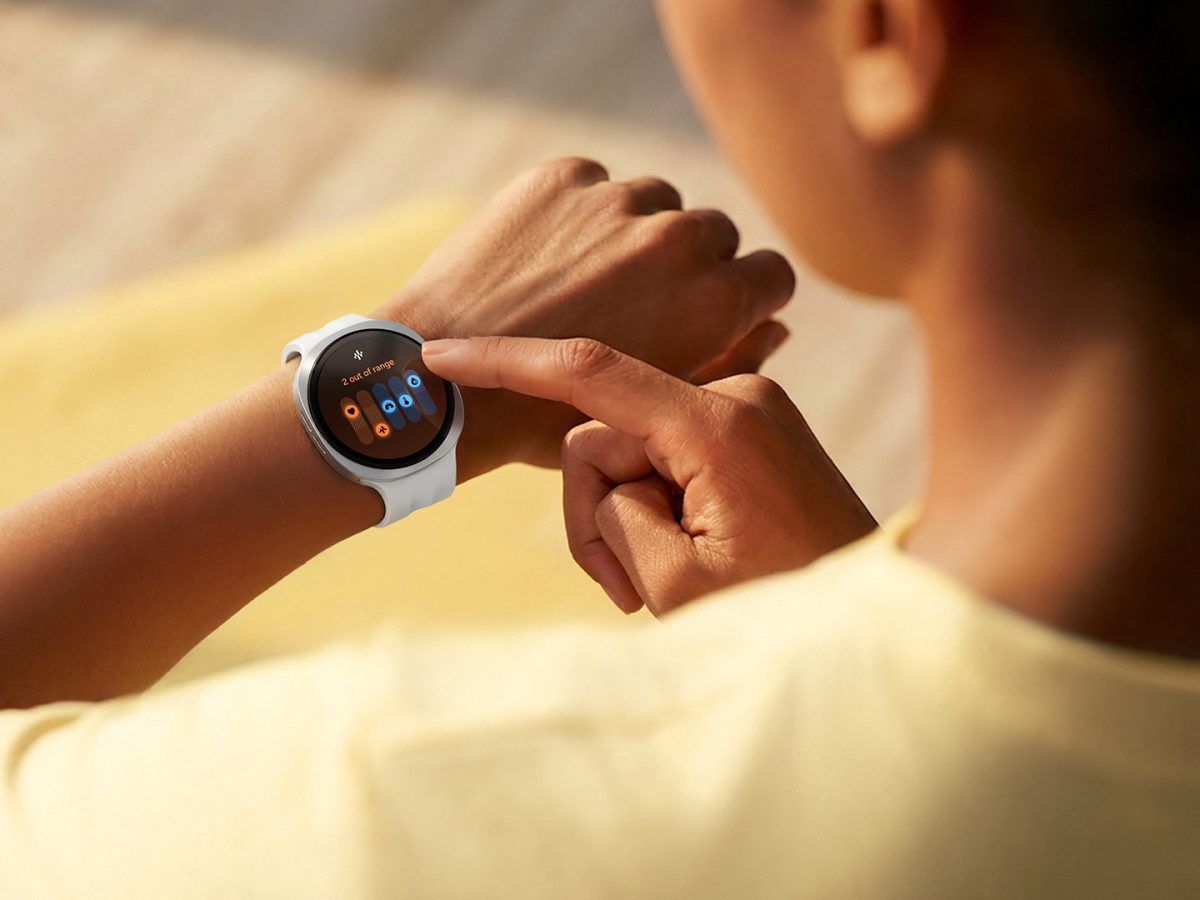
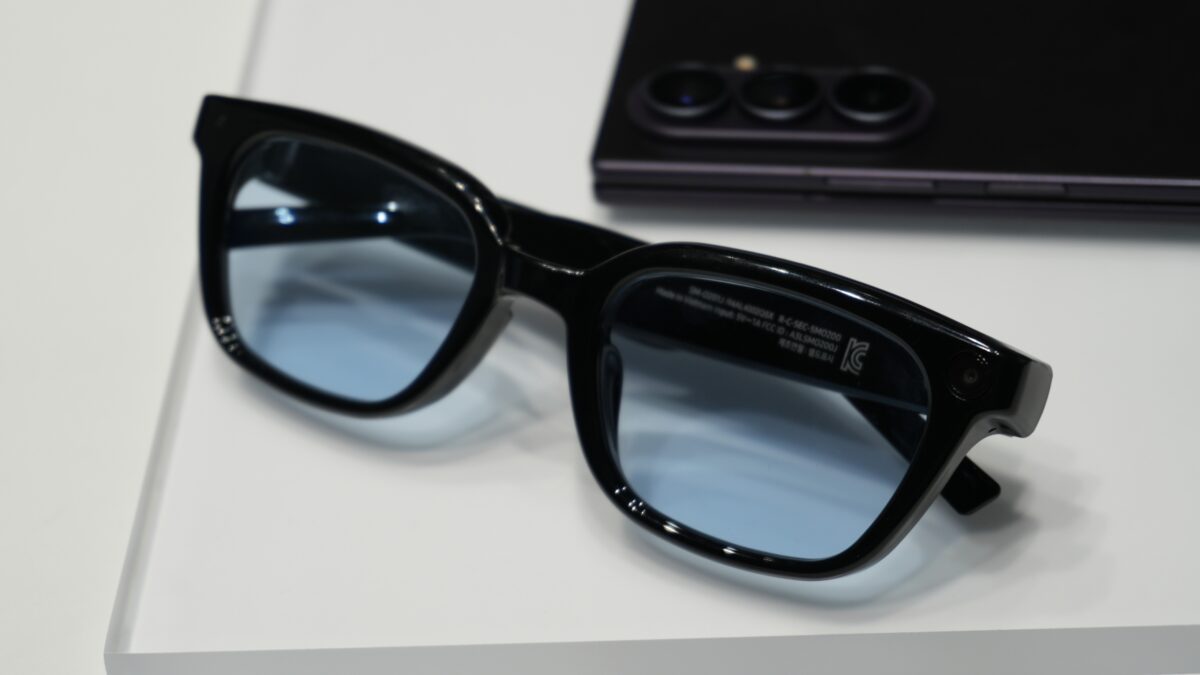
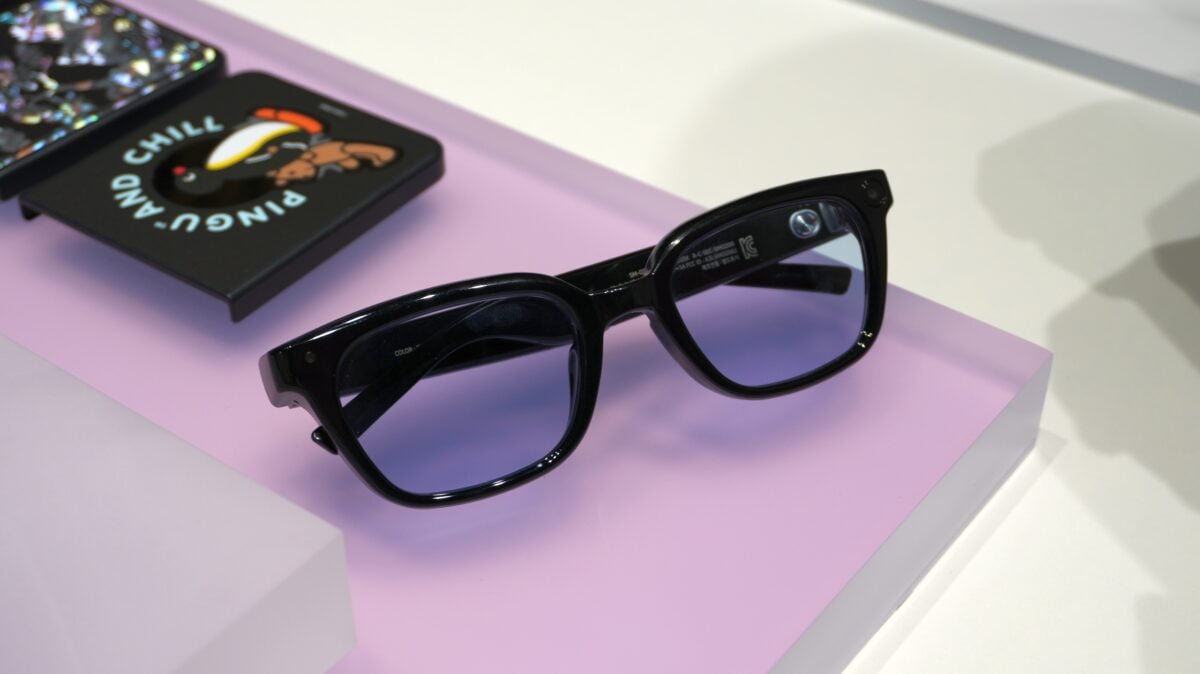
Samsung's announcement of Android XR glasses launching in late 2025 signals a fundamental shift in how premium wearable technology will be sold and integrated into consumer ecosystems—creating immediate opportunities for cross-border sellers in accessories, software, and complementary hardware categories. Unlike Meta's standalone Ray-Ban Meta glasses ($299 entry point), Samsung's ecosystem-first approach emphasizes deep integration with Galaxy smartphones, Wear OS watches, and Galaxy Buds, creating a "walled garden" strategy that mirrors Apple's ecosystem dominance. This positioning directly impacts e-commerce sellers across multiple dimensions: (1) Accessory Demand Surge: Samsung's emphasis on lighter weight and enhanced comfort compared to Meta's offering signals consumer demand for premium protective cases, lens protectors, head straps, and comfort padding—categories that generated $2.1B in wearable accessories revenue in 2024 and are projected to grow 35-40% annually through 2027. Sellers can use AI-powered demand forecasting tools to identify sub-categories like "XR glasses comfort accessories" and "Galaxy ecosystem integration products" 6-8 weeks before launch. (2) Ecosystem Lock-In Creates Bundling Opportunities: Samsung's gesture control integration with Wear OS watches and notification syncing with Galaxy Buds creates demand for bundled product listings and cross-category recommendations. AI recommendation engines can identify buyers of Galaxy Buds Pro ($229) and Galaxy Watch 6 ($299) as high-probability XR glasses purchasers, enabling sellers to optimize product bundles and increase average order value by 25-35%. (3) Content Creation Tool Demand: XR glasses with built-in cameras and photo capture capabilities will drive demand for content creation accessories—tripods, stabilizers, lighting kits, and editing software—categories where sellers can achieve 40-50% margins. AI sentiment analysis on Samsung's Unpacked event coverage reveals strong consumer interest in "hands-free content creation" and "privacy-first recording," enabling sellers to position products around these themes. (4) Competitive Pricing Intelligence: Samsung's "reasonable" premium pricing (undisclosed but positioned below Meta's trajectory) creates arbitrage opportunities for sellers monitoring competitor pricing across Amazon, Best Buy, and international markets. Dynamic pricing AI tools can track Meta Ray-Ban Meta glasses pricing ($299-$499 range) and adjust XR accessory pricing to capture price-sensitive buyers willing to invest in ecosystem compatibility. (5) Regional Market Expansion: Samsung's Android XR positioning within Google's broader ecosystem signals strong Asia-Pacific and EU market focus, where Samsung maintains 35-40% smartphone market share. Sellers in these regions can prepare localized product listings, regional language content, and market-specific accessories 90 days before launch. The announcement also reveals Samsung's manufacturing commitment to "durability and reliability standards matching Galaxy smartphones," indicating potential supply chain partnerships with existing Samsung accessory manufacturers—creating opportunities for sellers to source compatible third-party alternatives at 20-30% cost advantages. Privacy features (automatic recording disablement, privacy light) signal regulatory compliance focus, particularly in EU markets where GDPR and privacy regulations are strict. Sellers should prepare product descriptions emphasizing privacy-compliant accessories and data protection features to capture privacy-conscious buyers in regulated markets.
Questions 8
What competitive advantages can sellers gain by monitoring Samsung's Android XR ecosystem positioning?
Samsung's positioning within Google's broader Android XR ecosystem (rather than creating a proprietary system like Apple) creates several competitive advantages for sellers: (1) **Multi-Manufacturer Compatibility**: Unlike Apple's closed ecosystem, Android XR accessories may work across multiple manufacturers' devices (Samsung, XREAL, others), creating larger addressable markets for compatible products; (2) **Faster Market Entry**: Google's Android XR platform enables faster third-party accessory development compared to Apple's approval process, allowing sellers to launch compatible products 4-8 weeks faster; (3) **Regional Expansion**: Android XR's open architecture appeals to Asia-Pacific and EU markets where Google's ecosystem dominance is stronger than Apple's, enabling sellers to prioritize these regions for inventory allocation; (4) **AI-Powered Differentiation**: Sellers can use AI to analyze Android XR platform documentation and identify emerging use cases (enterprise applications, education, healthcare) before competitors, positioning accessories for these vertical markets. Sellers implementing competitive intelligence AI tools to monitor Samsung's ecosystem announcements can achieve 20-30% first-mover advantages in emerging accessory categories.
How should sellers structure product bundles to capitalize on Samsung's ecosystem integration strategy?
Samsung's deep integration with Galaxy smartphones, Wear OS watches, and Galaxy Buds creates bundling opportunities that can increase average order value by 25-35%. Sellers should create tiered bundle strategies: (1) **Entry Bundle** ($150-250): XR glasses protective case + lens protectors + comfort padding, targeting price-sensitive buyers; (2) **Ecosystem Bundle** ($400-600): XR glasses case + Galaxy Watch 6 compatible accessories + Galaxy Buds Pro charging case + content creation starter kit, targeting existing Samsung ecosystem users; (3) **Premium Creator Bundle** ($800-1,200): Full protective setup + professional tripod + stabilizer + lighting kit + editing software subscription, targeting content creators. AI recommendation engines can identify buyers of Galaxy Buds Pro ($229) and Galaxy Watch 6 ($299) as high-probability XR glasses purchasers, enabling sellers to target these audiences with bundle promotions 60-90 days before launch. Cross-category bundling can achieve 30-40% higher conversion rates compared to single-product listings.