



Apple Upgrade Program Reshapes Premium Device Market | BNPL Opportunity for Sellers
- Apple's $50-100/month lease-to-buy model expands addressable market for premium electronics; third-party sellers excluded from direct program but positioned to capture trade-in and refurbished device demand






/pcq/media/media_files/2026/07/27/apple-leasing-program-can-remotely-lock-your-iphone-2026-07-27-09-50-22.png)


Overview
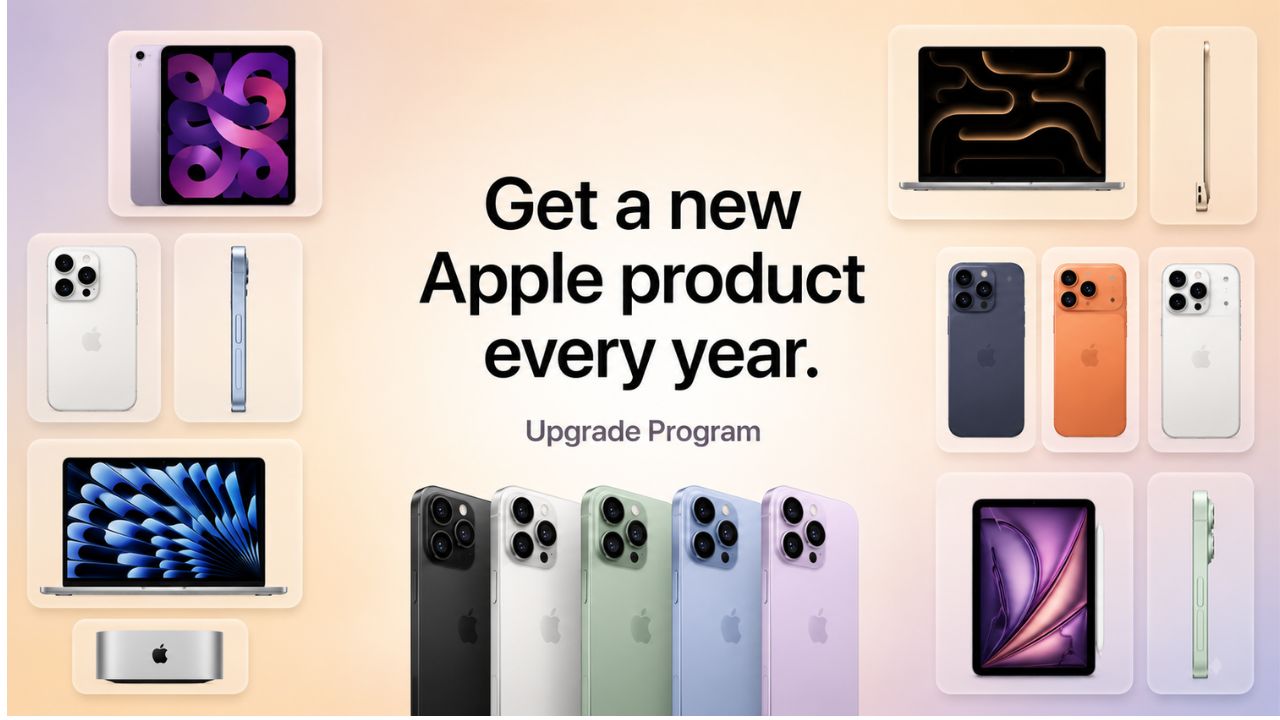
Apple's newly announced Upgrade Program represents a fundamental shift in premium device financing that extends far beyond Apple's direct sales channel—creating significant arbitrage opportunities for third-party electronics sellers on Amazon, eBay, and Shopify. By introducing lease-to-buy options at $50-100 monthly payments (versus $1,000+ upfront costs for iPhone/Mac), Apple is deliberately expanding the addressable market for price-sensitive consumers while outsourcing lending risk to Klarna, a BNPL specialist. This strategic move signals Apple's recognition that economic headwinds and high device costs (particularly with rumors of iPhone Fold exceeding $2,000) are constraining upgrade cycles.
The critical e-commerce angle: Apple explicitly restricts this program to direct purchases and carrier partnerships—explicitly excluding third-party resellers like Amazon. This creates a two-tier market opportunity. First, sellers can capitalize on the massive influx of trade-in devices as consumers upgrade through Apple's program. Industry data shows device trade-in volumes spike 30-40% following major upgrade program launches. Second, the program's success validates BNPL as a consumer preference for premium electronics, creating demand for similar financing options on third-party platforms. Sellers offering refurbished iPhones, MacBooks, and accessories will see increased buyer interest from consumers now accustomed to monthly payment models.
For electronics sellers specifically, the program creates three distinct opportunities: (1) Refurbished device arbitrage—Apple's trade-ins will flood secondary markets, and sellers can source inventory at scale; (2) Accessory bundling—consumers financing new devices will seek protective cases, chargers, and AppleCare alternatives; (3) BNPL integration—sellers using Klarna, Affirm, or PayPal Credit on their own storefronts can now target the same price-sensitive demographic Apple is cultivating. The separation of AppleCare from the lease (now a separate purchase) also creates opportunity for third-party insurance and protection plan sellers.
Market timing is critical: Apple's shutdown of Apple Pay Later (approximately one year ago) and pivot to Klarna partnership indicates the company is consolidating BNPL relationships. Sellers should expect Klarna to aggressively market its services to e-commerce platforms over the next 6-12 months, creating favorable rates for early adopters. The program applies to iPhones, Macs, and "other devices"—suggesting potential expansion to Apple Watch, iPad, and AirPods, which will cascade demand through accessory categories.
Questions 8
How does Apple's new Upgrade Program affect third-party sellers on Amazon and eBay?
Apple's program is restricted to direct purchases and carrier partnerships, explicitly excluding third-party resellers. However, this creates significant opportunities: (1) Trade-in volume surge—expect 30-40% increase in used device inventory as consumers upgrade through Apple's program; (2) Refurbished device sourcing—sellers can acquire inventory at scale from Apple's trade-in channels; (3) BNPL adoption—the program validates monthly payment preferences, making Klarna/Affirm integration on third-party platforms more attractive to price-sensitive buyers. Sellers should immediately establish relationships with device liquidators and refurbishment partners to capture the incoming trade-in wave.
What are the risks of relying on Apple Upgrade Program spillover demand?
Three key risks: (1) Apple may expand direct-to-consumer fulfillment, capturing more of the refurbished market; (2) Klarna's lending standards could tighten, reducing BNPL availability and dampening demand; (3) Economic recession could reduce upgrade cycle velocity, flooding secondary markets with inventory and compressing margins. Sellers should diversify beyond Apple devices—integrate BNPL for other premium electronics (gaming consoles, laptops, cameras) to reduce single-brand dependency. Monitor Klarna's quarterly earnings and lending volume data as leading indicators of BNPL market health.