

Fed Rate Cut Pressure 2026 | Seller Financing & Currency Impact
- Trump pushes for 3.5-3.75% rate cuts; 67% market probability of hold; affects Q4 2026 inventory financing and USD currency positioning for cross-border sellers















Overview
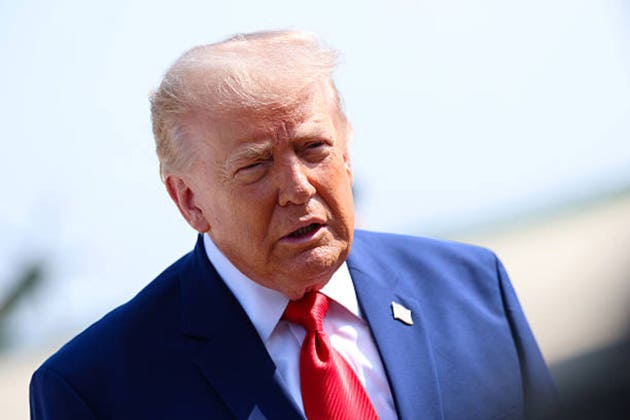
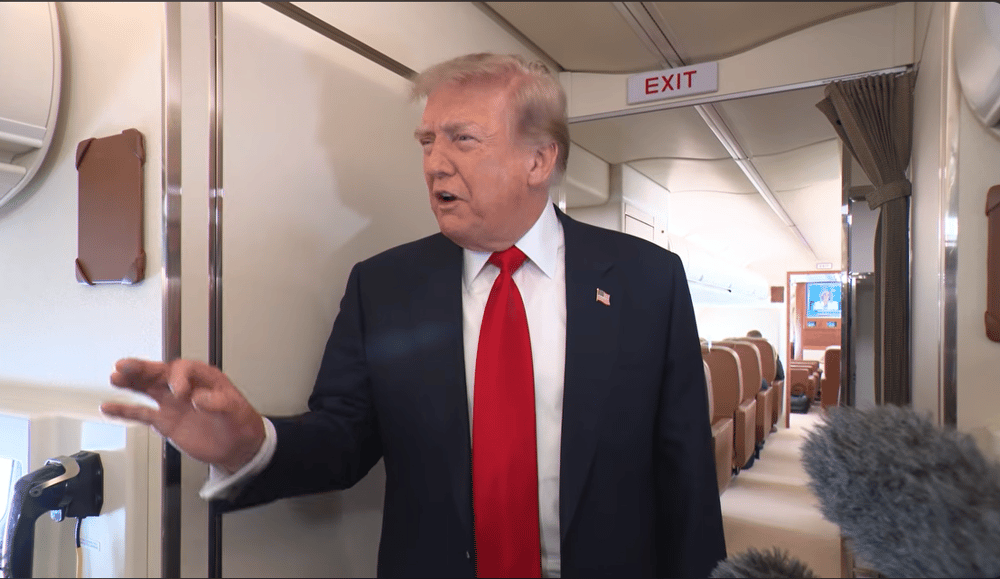
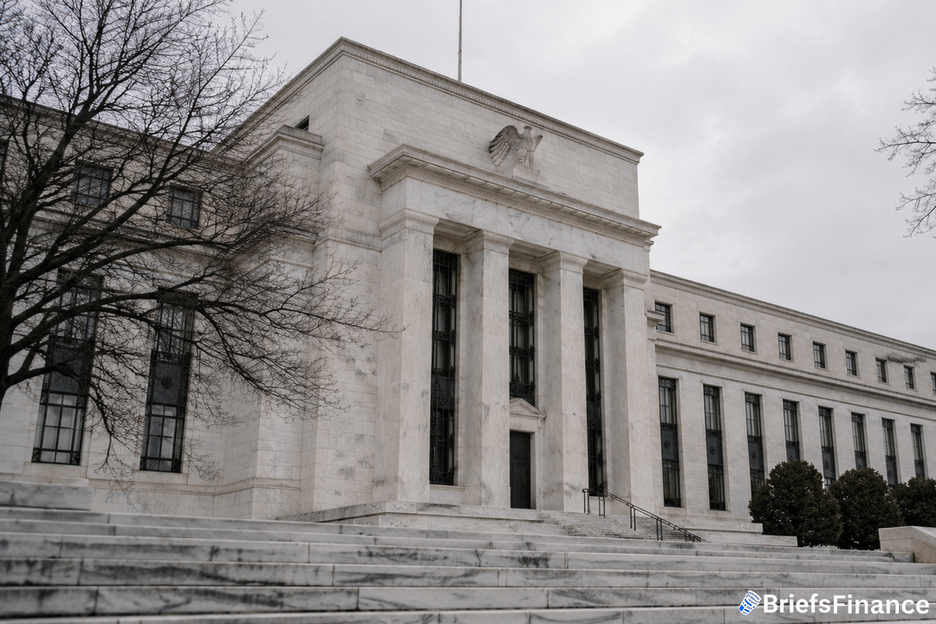
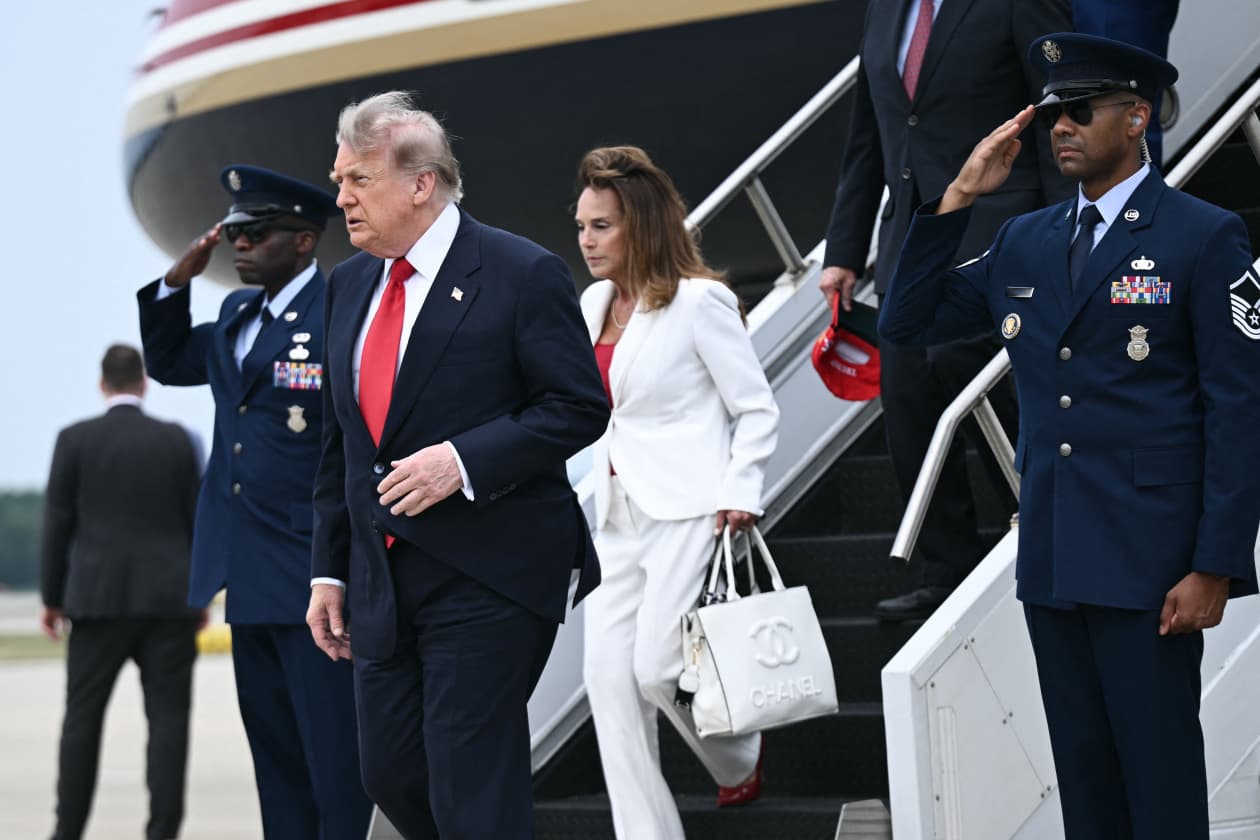
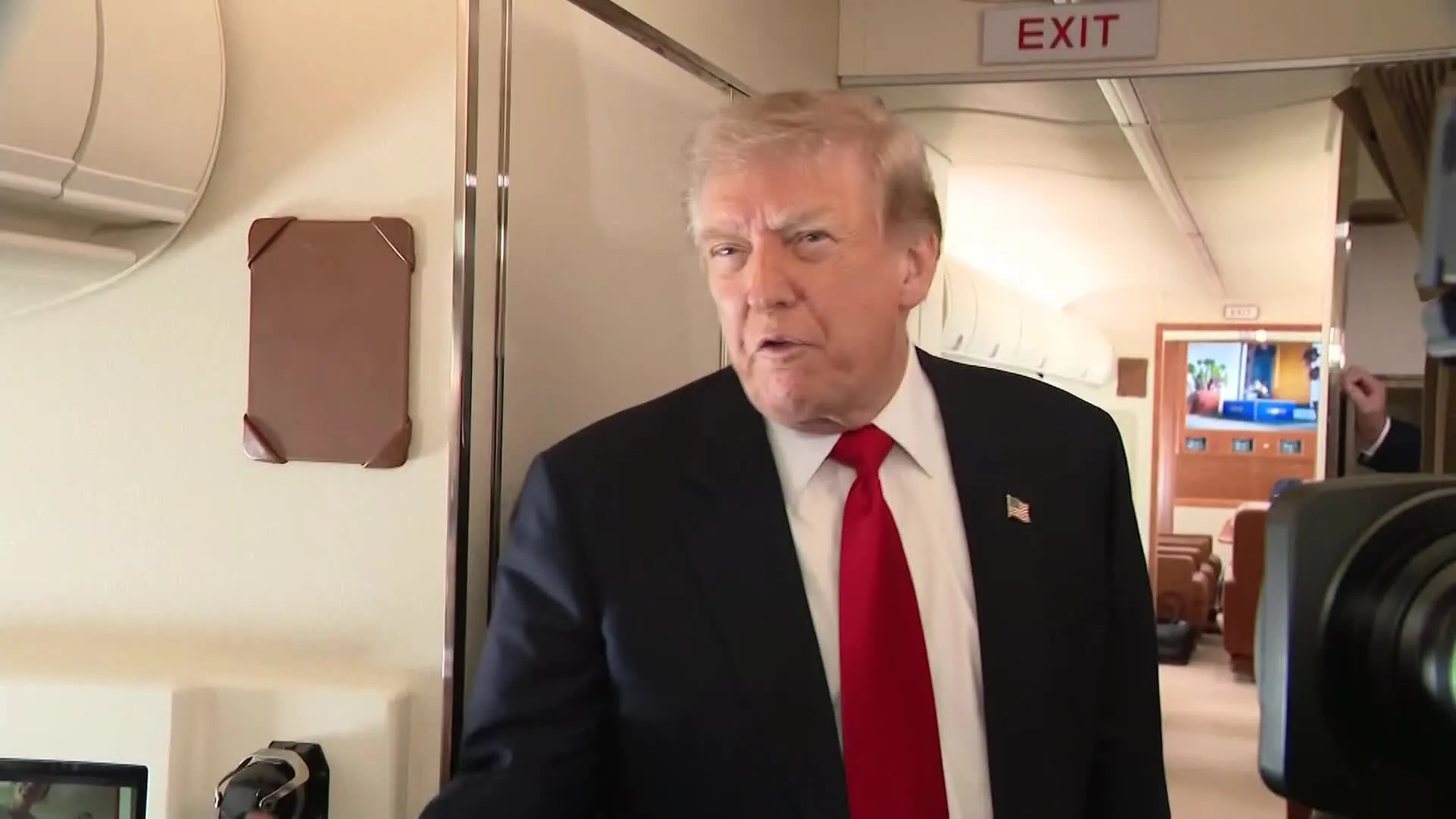
President Trump's sustained pressure on Federal Reserve Chair Kevin Warsh to lower interest rates from the current 3.5-3.75% benchmark creates a critical financing and currency risk window for cross-border e-commerce sellers through Q4 2026. The news reports Trump's July 27, 2026 statements aboard Air Force One, where he called the Fed Chair "fantastic" while criticizing other board members for "bad intentions" and political motivations opposing rate cuts. Markets currently price a 67% probability of rates remaining unchanged at the upcoming FOMC decision, with a 1-in-3 chance of a quarter-point hike—directly contradicting Trump's advocacy for the "world's lowest interest rates" to achieve 8-12% annualized GDP growth.
The immediate financing impact for sellers is substantial. Current U.S. rates at 3.5-3.75% exceed the European Central Bank's 2.25% and Japan's 1%, creating a 125-275 basis point cost disadvantage for U.S.-based sellers financing inventory through traditional lending. If Trump's pressure succeeds and rates fall 50-75 basis points by Q4 2026, sellers relying on inventory financing could save $5,000-15,000 annually on $500K-1M working capital lines—a 2-4% margin improvement critical for competitive categories like electronics, home goods, and apparel. Conversely, if the Fed holds or raises rates (Dallas Fed President Lorie Logan recently advocated for "modestly higher rates" to combat inflation), sellers face increased borrowing costs precisely when Q4 holiday inventory purchases peak.
Currency volatility presents the secondary risk. Lower U.S. rates typically weaken the dollar, benefiting sellers importing goods from China, Vietnam, and India (reducing landed costs 3-8%) but harming sellers exporting U.S.-manufactured products internationally. The current rate differential with ECB (125 bps) and Bank of Japan (275 bps) already pressures dollar strength; further cuts could trigger a 5-10% USD depreciation by year-end 2026, fundamentally reshaping cross-border pricing strategies. Sellers must decide now whether to lock in current exchange rates through forward contracts or wait for potential rate-driven currency weakness. The timing is critical: Q4 2026 inventory orders typically lock in 60-90 days before peak selling season, meaning sourcing decisions made in August-September 2026 will determine profitability under whatever rate environment emerges.
The policy uncertainty itself creates opportunity for tactical sellers. The 67% probability of rate stability suggests markets don't expect immediate cuts, but Trump's explicit pressure on Warsh signals potential mid-term easing. Sellers should monitor FOMC meeting dates (typically 8 per year) and CME FedWatch probability shifts weekly. A sudden shift from 67% hold probability to 50%+ cut probability would signal imminent rate reductions and trigger immediate action: accelerating inventory purchases before potential dollar weakness, locking in supplier pricing, and refinancing existing debt at current rates before they fall.
Questions 8
What is the timeline for Fed rate decisions and how should sellers plan inventory accordingly?
The Federal Reserve typically holds 8 FOMC meetings per year, with decisions announced on specific dates published on the Federal Reserve website. Trump's comments came two days before an FOMC decision, with markets pricing 67% probability of rates remaining unchanged. Sellers should mark FOMC decision dates on their calendar and monitor CME FedWatch probability shifts weekly—a sudden shift from 67% hold to 50%+ cut probability signals imminent rate reductions. Q4 2026 inventory orders typically lock in 60-90 days before peak selling season, meaning sourcing decisions made in August-September 2026 determine profitability. If rate cuts become probable by August 2026, sellers should accelerate inventory purchases immediately to lock in current supplier pricing before potential dollar weakness increases costs. If rates appear likely to hold or rise, sellers should reduce inventory commitments and maintain cash reserves. The key is monitoring probability shifts, not waiting for actual rate cuts—market expectations drive supplier pricing and currency movements before official Fed decisions.
What specific actions should sellers take to prepare for potential rate cuts or holds?
Immediate actions (0-30 days): Review current inventory financing terms and calculate potential savings if rates fall 50-75 basis points; contact lenders about refinancing options if rate cuts appear likely. Monitor CME FedWatch tool weekly for probability shifts. Strategic adjustments (1-6 months): If rate cuts become probable (>60% market probability), accelerate Q4 inventory purchases before potential dollar weakness and lock in supplier pricing through forward contracts. Consider hedging currency exposure through forward exchange rate contracts if importing from Asia. Evaluate whether to refinance existing working capital lines at current rates before they fall. Risk mitigation: Set alerts for FOMC meeting announcements and inflation data releases that could shift rate expectations. Avoid over-committing to inventory if rate environment remains uncertain; maintain 10-15% cash reserve for opportunistic purchases if rates fall sharply. Track competitor sourcing shifts—if rates fall, competitors will accelerate Asian imports, potentially increasing supplier lead times and costs.