


Chinese AI Breakthrough: Moonshot's Kimi K3 Disrupts Global Market | Seller Opportunity in AI-Powered Commerce Tools
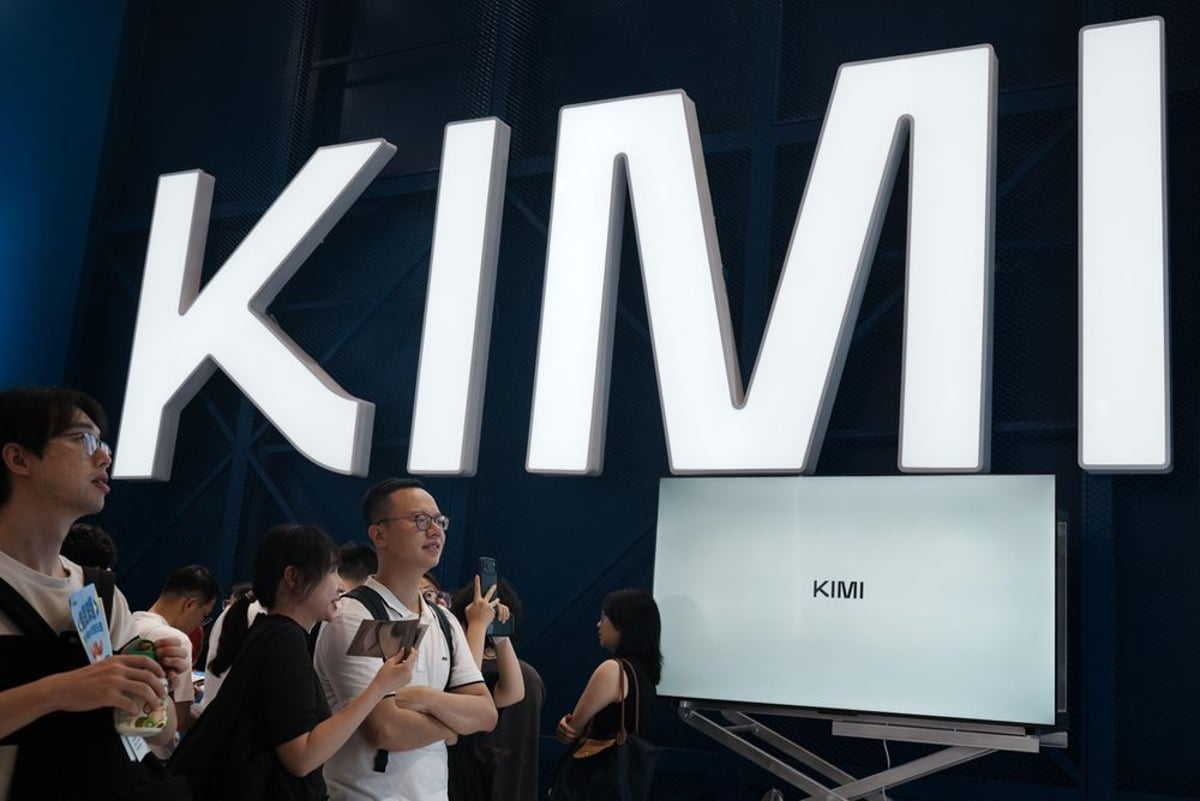
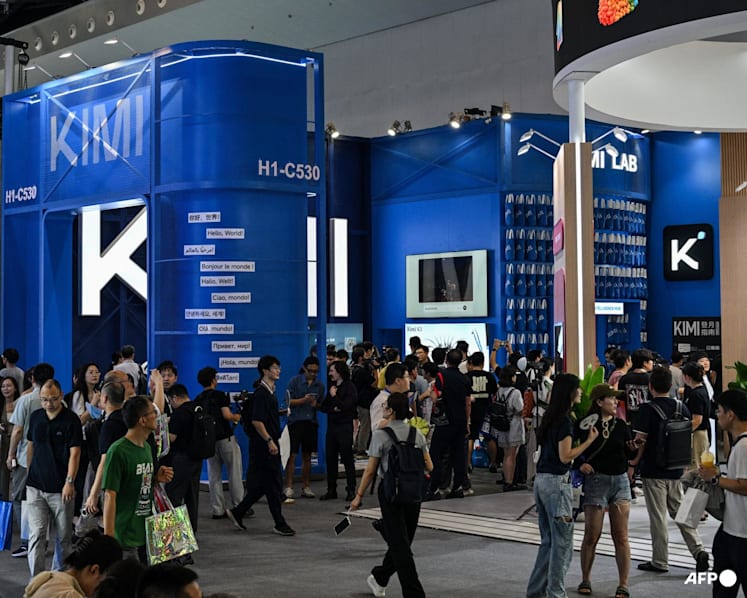
- Moonshot AI releases Kimi K3 publicly, challenging Western AI dominance and creating new opportunities for sellers using AI-powered product research, listing optimization, and customer service automation tools






Overview
Moonshot AI's public release of the Kimi K3 model represents a significant geopolitical and commercial inflection point in the global AI landscape, with direct implications for cross-border e-commerce sellers. The Chinese startup has made its advanced AI chatbot publicly available, marking a strategic move to democratize access to language model capabilities and establish developer loyalty before potential regulatory restrictions intensify. This development reflects China's accelerating progress in AI technology and signals a fundamental shift in competitive dynamics—Western AI companies (OpenAI, Google, Anthropic) can no longer assume market dominance in advanced language models.
For e-commerce sellers, this creates immediate opportunities in three critical areas: First, AI-powered product research and sourcing optimization becomes accessible to smaller sellers who previously lacked resources for advanced analytics. Kimi K3's multilingual capabilities and local market optimization focus directly address pain points for cross-border sellers targeting Chinese, Southeast Asian, and emerging markets. Sellers can now leverage free or low-cost AI tools to analyze market trends, identify product gaps, and optimize sourcing strategies—capabilities that previously required expensive enterprise software or hiring specialized teams. Second, listing optimization and content generation accelerates dramatically. The public availability of Kimi K3 enables sellers to generate product descriptions, keyword research, and competitive analysis at scale across Amazon, eBay, Shopify, and regional marketplaces. This is particularly valuable for sellers managing 500+ SKUs who face content bottlenecks. Third, customer service automation and chatbot deployment becomes viable for mid-market sellers. Rather than investing $10,000-50,000 in proprietary chatbot solutions, sellers can now integrate Kimi K3 or similar Chinese AI models into their Shopify stores, Amazon storefronts, or independent websites to handle customer inquiries in multiple languages—reducing support costs by 30-40% while improving response times.
The geopolitical context creates both opportunities and risks. The U.S. government's growing concerns about China's AI advancement may trigger regulatory restrictions on Chinese AI model usage within 6-12 months, similar to TikTok restrictions. Sellers should act immediately to integrate Kimi K3 or similar tools into their workflows before potential bans take effect. Additionally, the democratization of advanced AI capabilities will compress margins in AI-dependent services—sellers relying on proprietary AI tools for competitive advantage should diversify their value proposition beyond automation. The timing window for capturing first-mover advantage in AI-powered commerce optimization is narrow: 3-6 months before competitors adopt similar tools and regulatory uncertainty resolves.
Questions 8
How should sellers balance the cost savings of Kimi K3 against the risk of regulatory restrictions?
Sellers should adopt a phased approach: immediately integrate Kimi K3 for high-ROI, non-critical functions (product research, content generation) where 30-60 day service interruption is manageable. This captures 60-70% of potential cost savings while minimizing regulatory risk. Avoid integrating Kimi K3 into mission-critical customer service or inventory management systems where service interruption would directly impact revenue. Maintain parallel capabilities using alternative AI providers for critical functions. Monitor regulatory developments (U.S. government statements, trade policy changes) and establish decision triggers for shifting away from Kimi K3 if restrictions appear imminent. The optimal strategy is capturing immediate cost savings (3-6 months) while building resilience against regulatory uncertainty.
What specific Shopify and Amazon integrations should sellers prioritize for Kimi K3 adoption?
For Shopify stores, sellers should prioritize chatbot integration for customer service automation (handling FAQs, order status inquiries, product recommendations) and bulk listing generation for product catalog expansion. Kimi K3 can generate product descriptions, meta tags, and SEO-optimized content for 100+ products weekly, reducing content bottlenecks. For Amazon Seller Central, sellers should focus on keyword research optimization, competitor analysis, and A+ content generation—areas where Kimi K3's multilingual capabilities provide advantage. Integration requires API access or third-party tools (Zapier, Make) to connect Kimi K3 to Shopify and Amazon systems. Sellers should start with non-critical functions (research, content generation) before expanding to customer-facing applications.