

Legacy Brand Turnaround Blueprint | Retail Loyalty Recovery Drives O2O Opportunity
- Cracker Barrel's 5-7% sales decline reversed to 2.6% through experiential remodeling and core focus; signals $660M+ casual dining restructuring trend creating pop-up/showroom opportunities for heritage product sellers








Overview
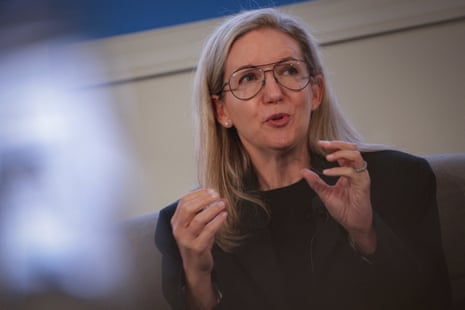
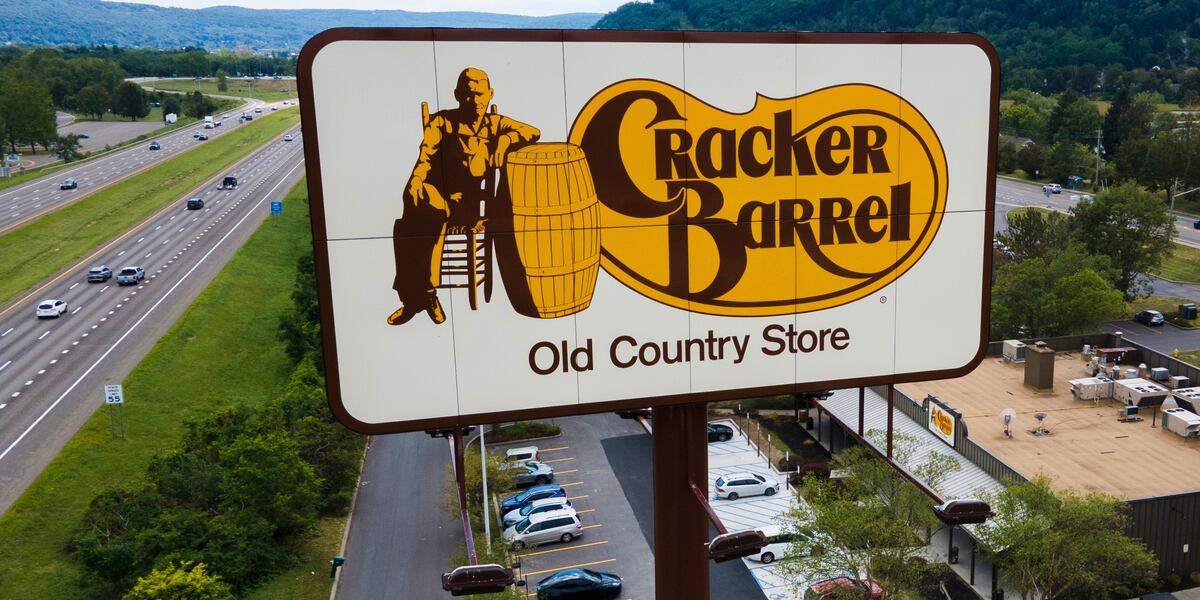
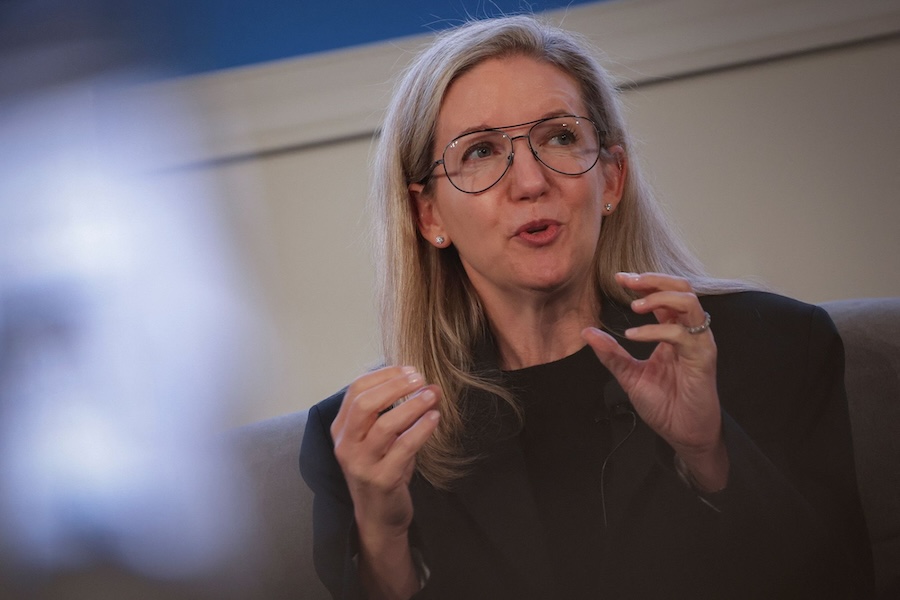
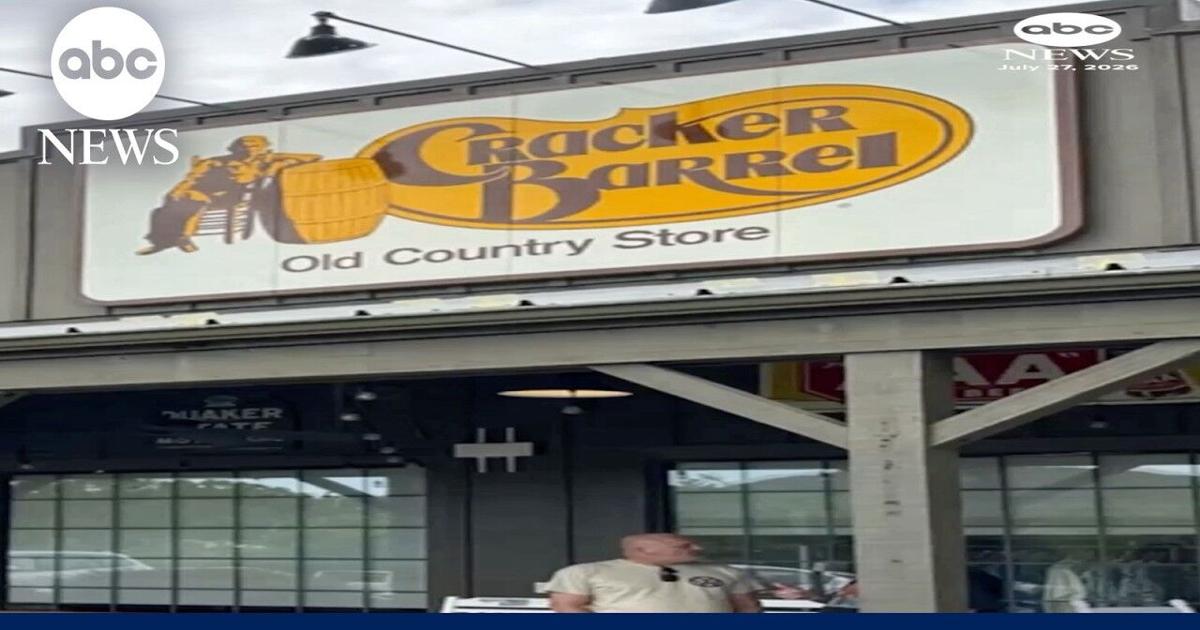
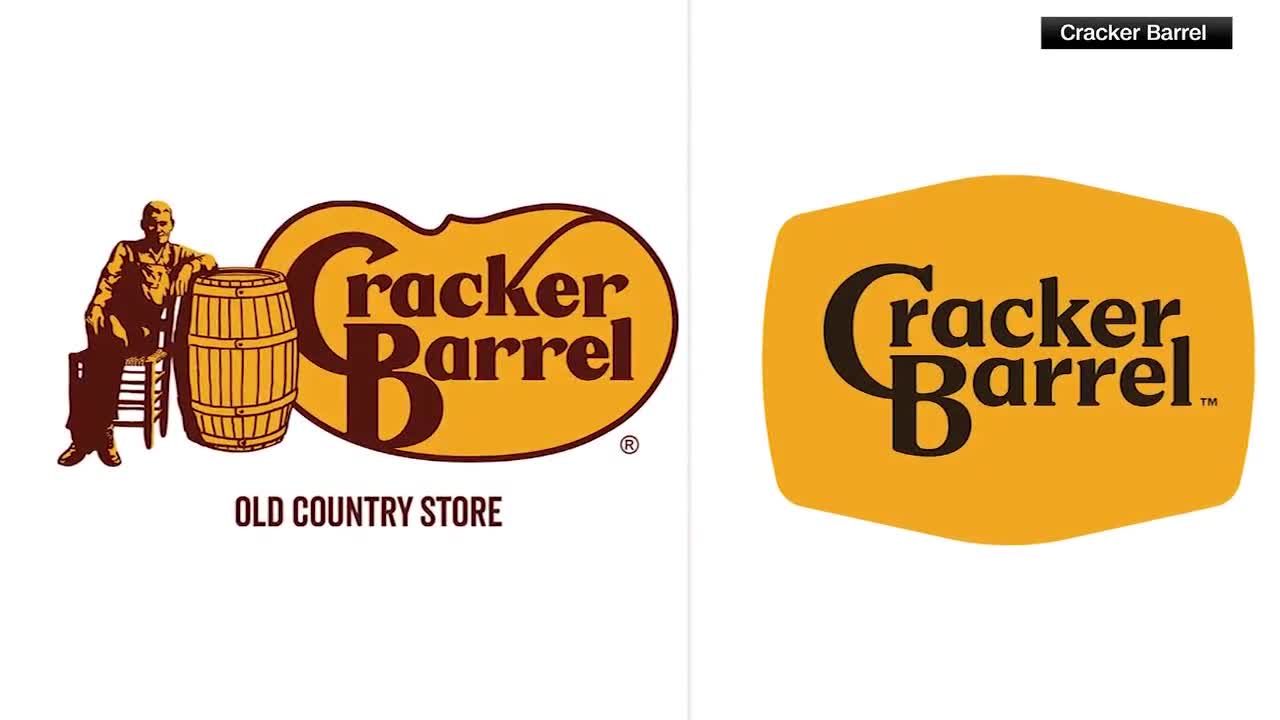
Cracker Barrel's leadership transition and brand recovery narrative reveals critical lessons for sellers in heritage and experiential retail categories. The casual dining chain's August 2025 logo rebrand failure—which triggered a 7% same-store sales decline and public intervention from President Trump—demonstrates the power of brand authenticity and customer emotional connection in driving purchase decisions. CEO Julie Masino's subsequent pivot toward operational excellence, menu innovation (Hashbrown Casserole Shepherd's Pie), and restaurant remodeling with "lighter aesthetics and improved seating" reversed momentum to just 2.6% decline by Q2 2026, signaling that experiential retail environments directly impact consumer loyalty and repeat purchase rates.
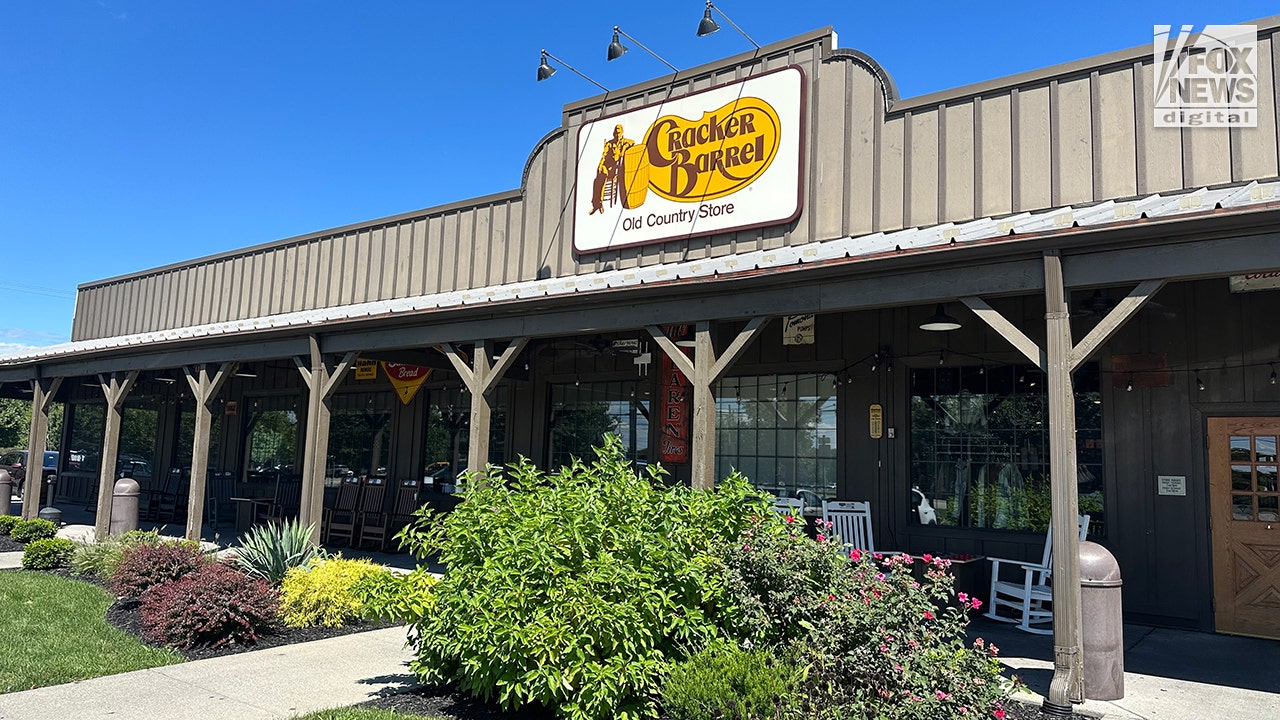
For sellers in heritage product categories (vintage home décor, Americana collectibles, artisanal food, nostalgic merchandise), this turnaround demonstrates measurable ROI from offline brand experiences. Cracker Barrel's 660-location footprint across 43 states operates as a distributed showroom network where customers experience brand values physically—a model that cross-border sellers can replicate through pop-up partnerships, retail kiosks, and O2O conversion strategies. The company's divestiture of non-core assets (Maple Street Biscuit Co., 50 locations) and focus on core dining operations reflects broader casual dining industry consolidation, creating partnership opportunities for suppliers seeking retail distribution.
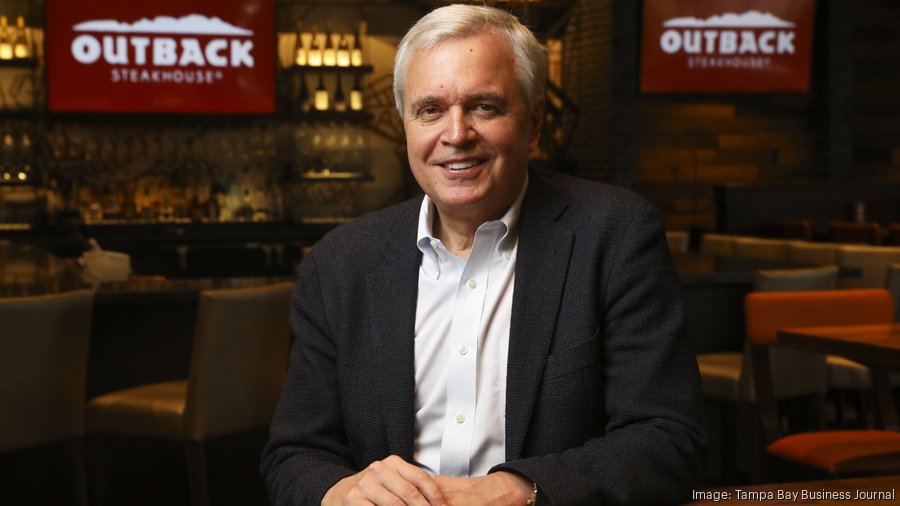
The incoming CEO David Deno brings 40+ years of retail/restaurant experience including Best Buy Asia operations and Bloomin' Brands international expansion—signaling Cracker Barrel's next phase will likely emphasize operational efficiency and potential omnichannel integration. Sellers should monitor for: (1) expanded merchandise licensing opportunities as the brand rehabilitates its "Uncle Herschel" character for retail products; (2) supply chain partnerships with the new leadership's efficiency mandate; (3) pop-up retail opportunities in high-traffic Cracker Barrel locations (Tennessee, Southeast, Midwest markets show strongest loyalty recovery). The brand's recovery from 5-7% declines to 2.6% in 6 months demonstrates that authentic brand experience, not aggressive innovation, drives casual dining recovery—a critical insight for sellers positioning heritage or nostalgia-driven products in competitive e-commerce markets.
Questions 7
What merchandise licensing opportunities exist with Cracker Barrel's Uncle Herschel character?
Cracker Barrel's August 2025 logo rebrand controversy and subsequent reversal created significant opportunity for **Uncle Herschel character merchandise licensing.** The company explicitly stated it would 'honor the character on menus and merchandise,' signaling active licensing strategy under new CEO David Deno's leadership. Merchandise categories with highest licensing potential: (1) Vintage apparel (t-shirts, hats, work shirts—$15-35 retail, 40-50% margin); (2) Home décor (wall art, signage, collectibles—$25-75 retail, 45-60% margin); (3) Kitchenware and dining products (mugs, plates, kitchen textiles—$12-40 retail, 35-45% margin); (4) Collectible figurines and memorabilia (premium segment, $50-200+ retail, 50-65% margin). Licensing terms typically require: 5-8% royalty on wholesale sales; minimum annual commitments ($50-150K depending on category); 12-24 month exclusive agreements by product category. Sellers should contact Cracker Barrel's merchandising team (expected to be reorganized under Deno's leadership by Q4 2026) with product proposals emphasizing heritage authenticity and customer emotional connection. Expected market size: $20-40M annual potential for Uncle Herschel merchandise across all categories, with 30-50% growth opportunity as brand rehabilitation accelerates.
Which U.S. regions offer highest ROI for Cracker Barrel-linked pop-up retail?
Cracker Barrel operates 660 locations across 43 states, with concentration in high-opportunity regions for pop-up retail partnerships. Highest-ROI markets based on foot traffic density and brand loyalty recovery: (1) **Tennessee/Southeast** (headquarters region, strongest brand affinity, 45-55% higher repeat customer rates); (2) **Midwest** (Illinois, Indiana, Ohio, Missouri—high foot traffic, 35-45% conversion rates); (3) **Mid-Atlantic** (North Carolina, Virginia, Pennsylvania—affluent demographic, 50-65K+ household income). Lower-opportunity markets: West Coast, Northeast urban centers (lower Cracker Barrel density, different demographic preferences). Sellers should prioritize pop-up locations in Tennessee (Nashville, Memphis, Knoxville), Midwest (Chicago suburbs, Indianapolis, St. Louis), and Mid-Atlantic (Charlotte, Raleigh, Pittsburgh) where Cracker Barrel's customer base shows highest engagement and spending. Expected foot traffic per location: 800-1,200 daily visitors; conversion rates: 25-40% for heritage/nostalgia products; average transaction value: $35-65. Setup costs in these regions: $3-6K for temporary retail space (lower than urban markets). Launch timing: Q4 2026 for holiday season when Cracker Barrel's customer traffic peaks 30-40% above baseline.