
Memory Chip Crash Signals Supply Chain Risk | Electronics Sellers Face Component Cost Volatility
- SK Hynix plunges 45% ($570B loss) amid AI spending uncertainty and Chinese competition; memory chip prices expected to peak in 2027, creating sourcing cost volatility for electronics sellers
















Overview
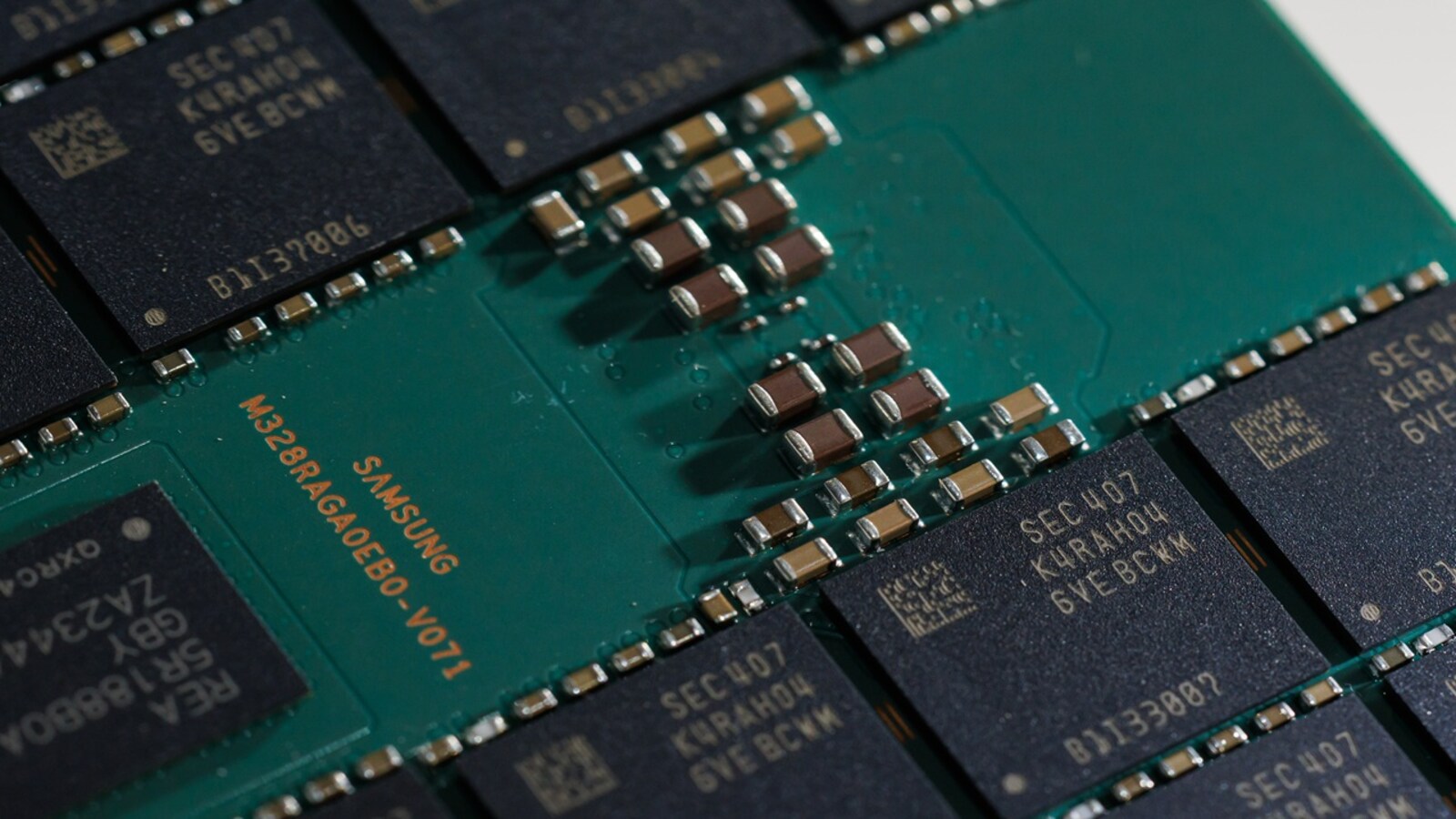
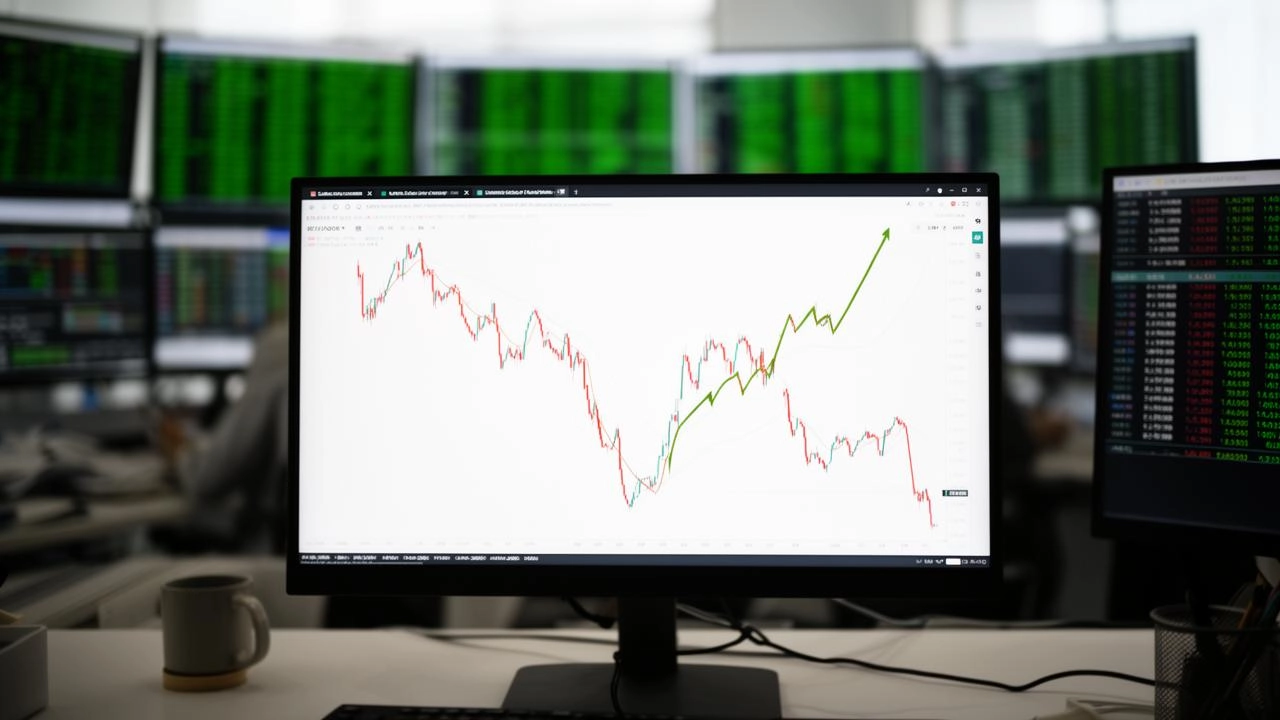
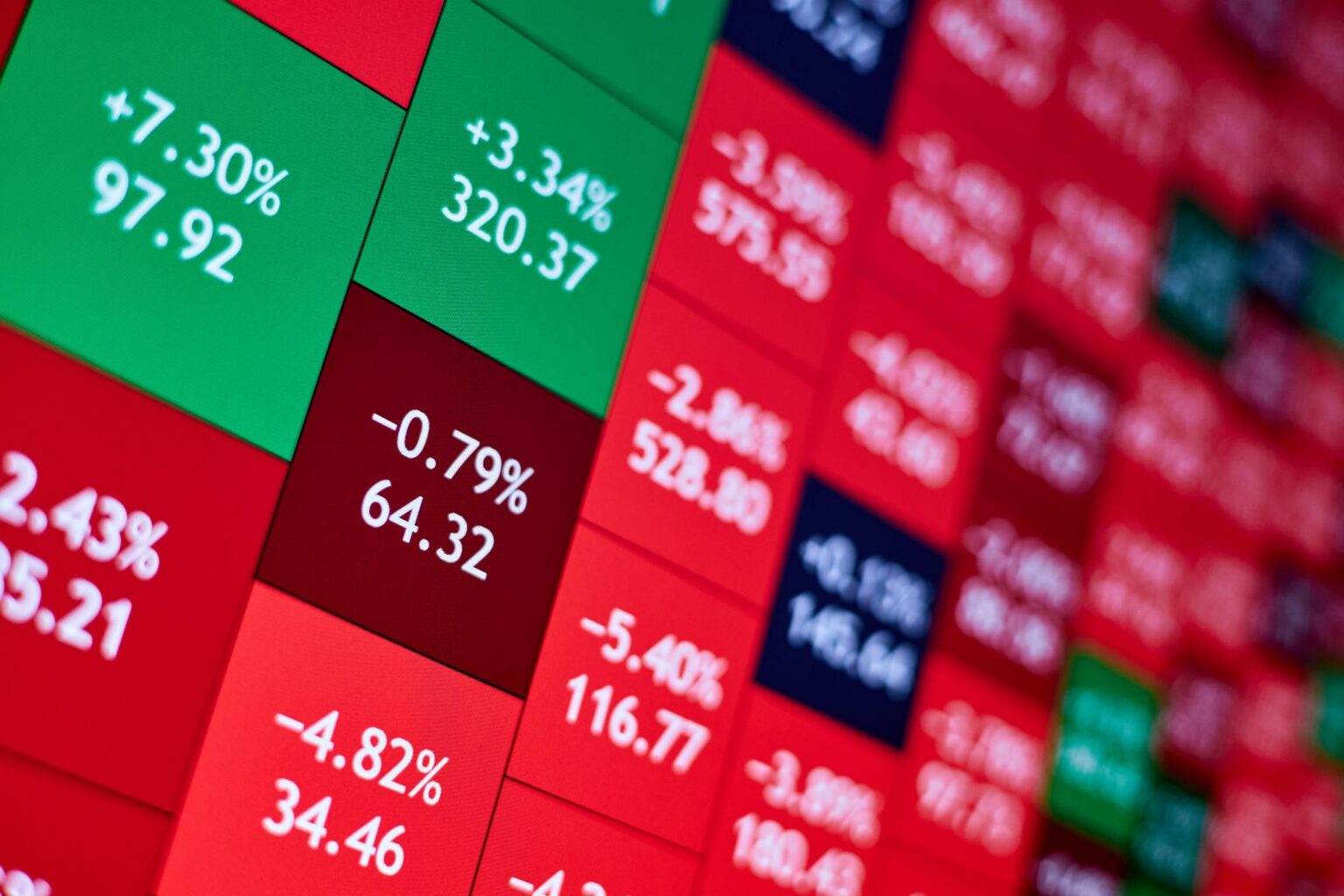
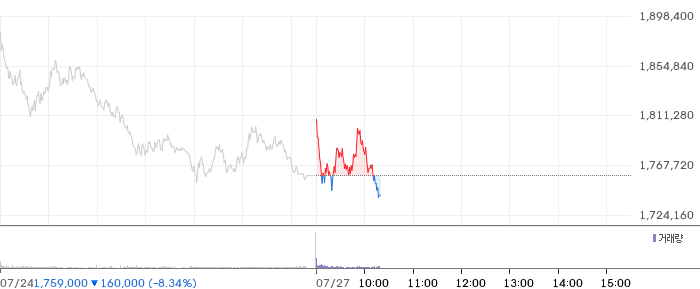
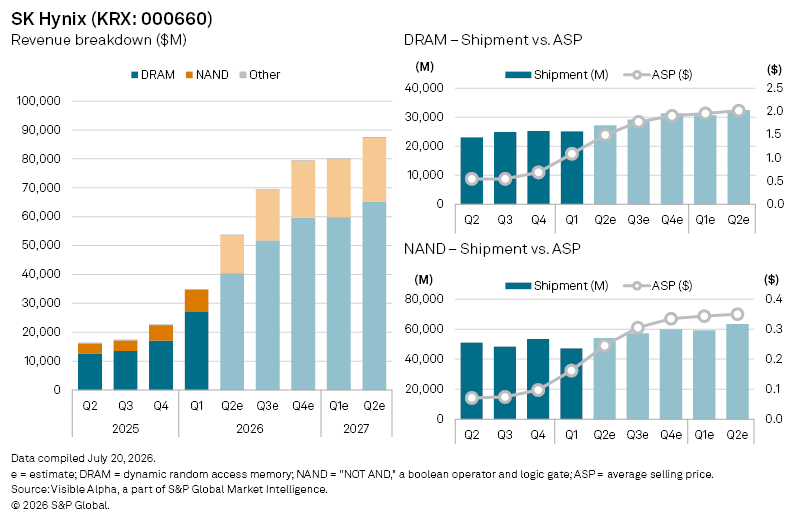
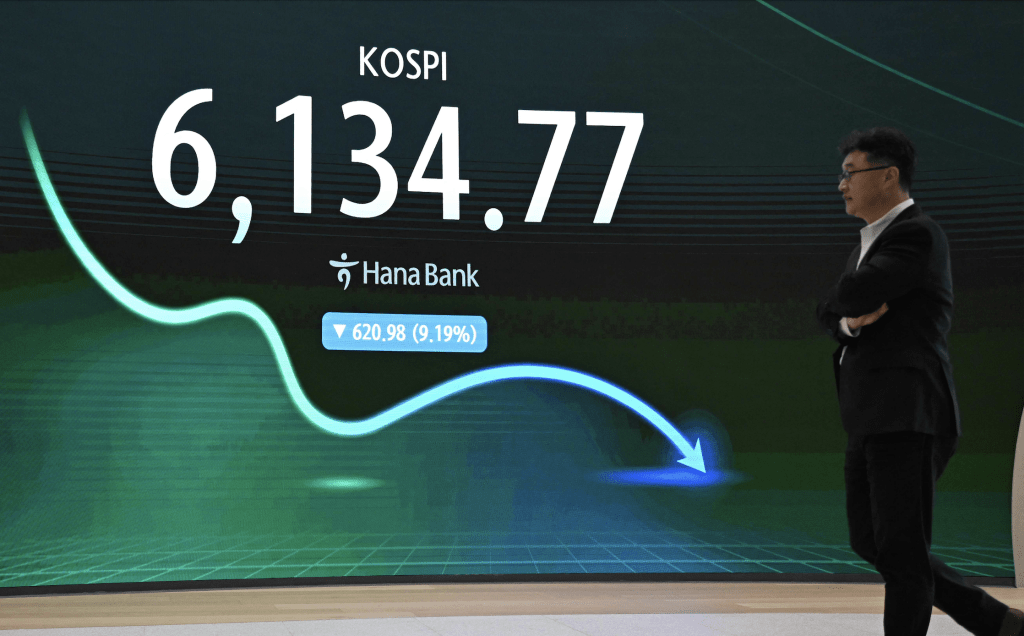
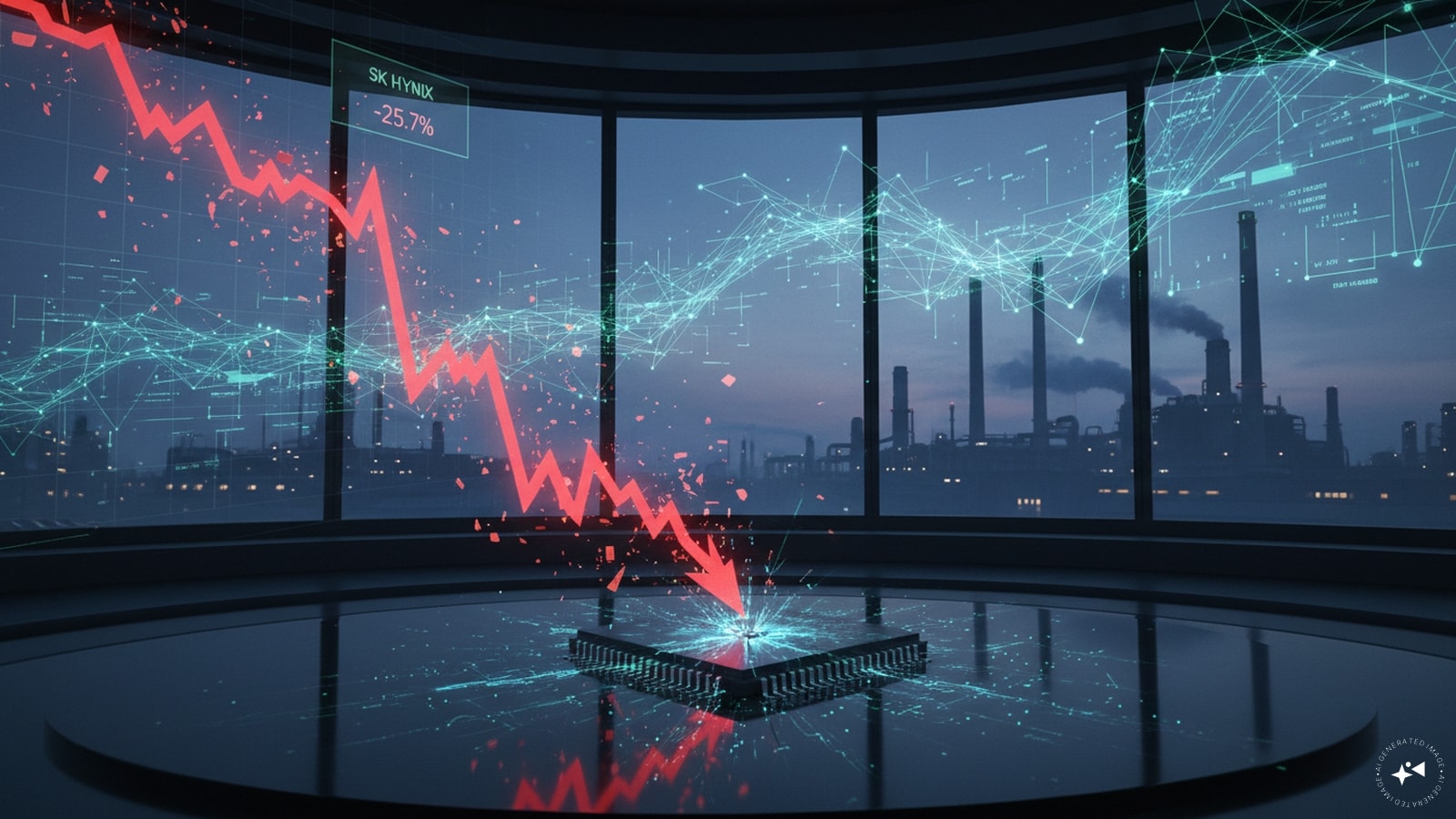
The semiconductor sector experienced a historic correction in late July 2026, with SK Hynix plummeting 45% from June highs and trading below its $149 IPO price ($139.01-$143.02), while Samsung Electronics fell 12-13.4% and broader chipmakers suffered 2-18% declines. This $570 billion market value loss for SK Hynix alone reflects converging pressures: investor uncertainty about AI infrastructure spending sustainability, Chinese competitors developing domestic deep ultraviolet (DUV) lithography equipment, and broker forecasts suggesting memory chip prices will peak in 2027. The selloff was amplified by leveraged ETF unwinding across Korea, Hong Kong, and US markets, creating what analysts termed a "despair phase" despite stronger-than-expected earnings from Samsung and Alphabet.
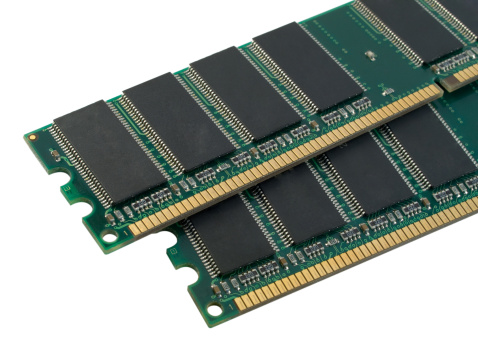
For cross-border e-commerce sellers, this semiconductor volatility directly impacts component sourcing costs and supply chain stability. Electronics sellers relying on memory chips, processors, and semiconductor-dependent logistics technology face immediate pricing uncertainty. The memory chip market's cyclical pressures combined with questions about demand sustainability—particularly if hyperscaler spending (Nvidia, OpenAI) moderates—could trigger either margin compression or inventory obsolescence. Chinese memory-chip maker CXMT's strong IPO debut signals accelerating domestic competition, potentially creating oversupply and weaker global pricing by 2027. However, near-term component scarcity remains possible if investment cycles contract faster than production adjusts. Sellers in consumer electronics (laptops, tablets, smart devices), gaming hardware, and AI-adjacent products should monitor memory chip futures pricing and consider strategic inventory positioning before potential supply tightening or price volatility.
The interconnection between Asian technology stocks and US AI spending creates cascading supply chain risks. Standard Chartered's chief investment officer noted that while long-term opportunities remain substantial, current valuations have improved risk-reward dynamics—suggesting potential buying opportunities for component suppliers. However, the uncertainty surrounding Nvidia's $250 billion OpenAI financing and the growing popularity of low-cost Chinese AI models (Kimi K3) raise questions about whether future AI workloads will be less compute-intensive than expected, potentially reducing demand for advanced memory chips. This creates a bifurcated market: premium HBM (high-bandwidth memory) chips for data centers may face demand pressure, while consumer-grade memory could see pricing relief. Sellers should differentiate their electronics offerings by targeting either premium AI-adjacent products (where supply constraints may persist) or value-oriented consumer electronics (where pricing competition may intensify).
Questions 7
How should sellers monitor semiconductor market signals to time inventory purchases?
Track three key indicators: (1) SK Hynix and Samsung stock prices—declines below $140 and $50 respectively signal oversupply concerns; (2) VanEck Semiconductor ETF (SMH) movements—drops below 200-day moving averages indicate sector weakness; (3) Memory chip spot prices via industry indices (TrendForce, IC Insights)—watch for 5-10% monthly declines signaling buyer's markets. Set purchase triggers: buy aggressively when spot prices drop 10%+ from 3-month averages; reduce purchases when prices rise 5%+ above averages. Use 30-60 day forward contracts to hedge against volatility rather than spot purchases.
Which electronics product categories face the highest component cost risk?
High-risk categories include: (1) Gaming hardware and GPUs (depend on premium memory chips with volatile pricing); (2) Data center equipment and AI-adjacent products (sensitive to hyperscaler spending shifts); (3) Premium laptops and workstations (use high-bandwidth memory with tight margins). Lower-risk categories: (1) Budget smartphones and tablets (use commodity memory with stable pricing); (2) IoT devices and smart home products (require minimal memory); (3) Refurbished electronics (less sensitive to component cost swings). Sellers should shift inventory mix toward lower-risk categories during 2026-2027 uncertainty and reserve premium products for high-margin, low-volume strategies.