


$500B AI Infrastructure Boom Accelerates Seller Automation Tools | Pricing & Inventory Optimization Opportunities
- Nvidia's $250B OpenAI guarantee signals massive AI infrastructure expansion; enables faster deployment of demand forecasting, dynamic pricing, and customer service automation for e-commerce sellers by 2028









Overview
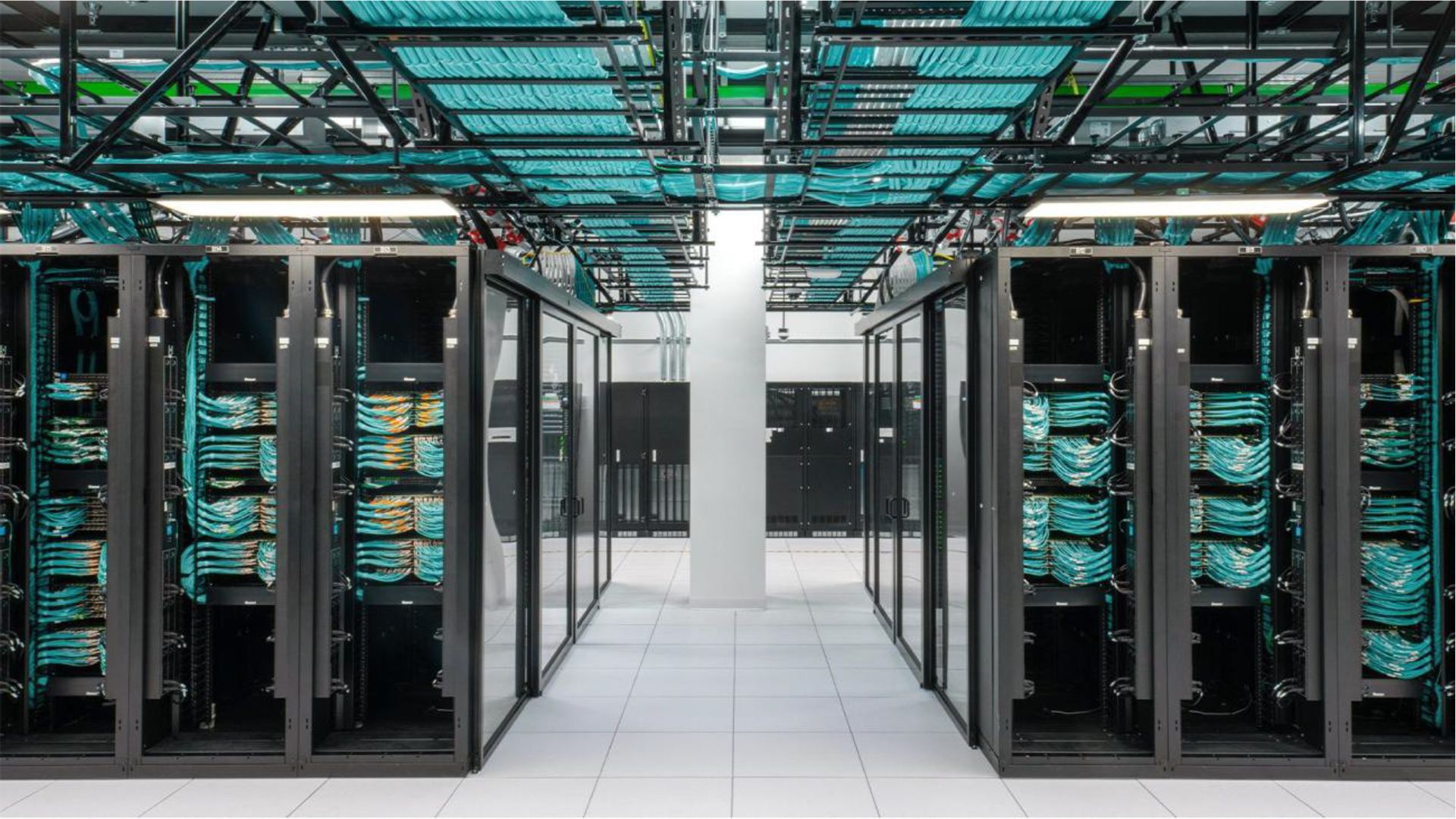
The $500 billion Nvidia-OpenAI data center partnership represents a watershed moment for AI infrastructure that will directly accelerate the availability and affordability of AI-powered seller tools. Nvidia is guaranteeing up to $250 billion in financing for OpenAI to lease computing capacity from a planned $500 billion, 10-gigawatt data center facility in Ohio, with the first 800-megawatt phase targeting completion by 2028. This infrastructure expansion—equivalent to 10 large nuclear reactors—signals unprecedented computational capacity coming online specifically to support AI model training and deployment at scale.
For cross-border e-commerce sellers, this infrastructure buildout has three immediate implications: First, the massive computational capacity will dramatically reduce the cost and latency of AI-powered tools for inventory management, demand forecasting, and dynamic pricing optimization. Sellers currently paying $500-2,000/month for third-party AI analytics platforms can expect 30-50% cost reductions within 18-24 months as competition intensifies and infrastructure costs decline. Second, the timeline matters critically—the 2028 completion of Phase 1 means sellers should begin evaluating AI automation strategies NOW to be positioned for rapid tool adoption when costs drop. Third, the concentration of infrastructure among major players (Nvidia, OpenAI, SoftBank) creates a competitive moat for sellers who adopt AI-powered automation early, before smaller competitors gain access to affordable tools.
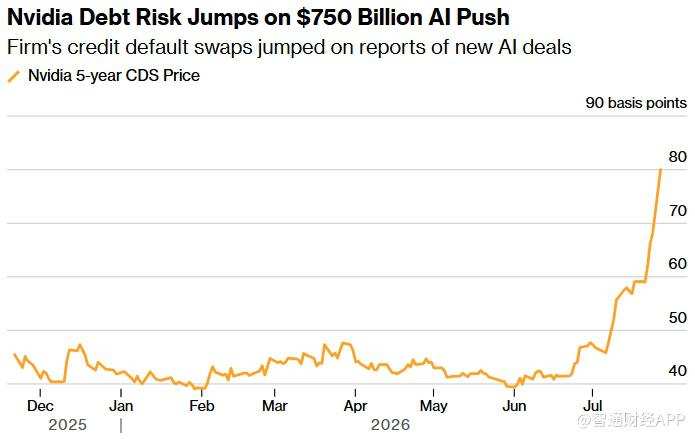
The circular financing structure raises important sustainability questions that affect seller tool pricing. Financial experts have flagged concerns that Nvidia's guarantee arrangement—where hardware manufacturers finance customers purchasing their products—may inflate valuations and mask underlying economic viability. This pattern suggests potential volatility in AI tool pricing: if the financing model proves unsustainable, sellers could face sudden price increases for AI services they've become dependent on. The Bank for International Settlements (BIS) recently issued warnings about concentrated AI infrastructure investment risks, indicating regulatory scrutiny may eventually impact how AI services are priced and delivered to sellers.
Immediate automation opportunities exist across three seller functions: (1) Inventory Management: AI demand forecasting can reduce overstock by 15-25% and stockouts by 20-30%, saving mid-size sellers $5,000-15,000 monthly in carrying costs and lost sales. (2) Dynamic Pricing: Machine learning models analyzing competitor pricing, demand elasticity, and inventory levels can increase margins 2-4% while maintaining competitiveness—worth $10,000-50,000 annually for sellers with $500K+ annual revenue. (3) Customer Service Automation: AI chatbots handling 60-70% of routine inquiries (order status, returns, product questions) reduce support costs by $2,000-8,000/month while improving response times from hours to seconds. Sellers should audit their current tool stack immediately to identify which functions can be automated with existing AI solutions (ChatGPT, Jasper, Midjourney for content) before waiting for next-generation tools in 2028.
Questions 7
What is the timeline for sellers to see measurable ROI from AI automation investments?
ROI timelines vary by function: Customer service automation (chatbots) shows fastest payback at 3-6 months ($2,000-8,000/month savings); Dynamic pricing shows 6-12 month payback ($10,000-50,000 annual margin improvement); Inventory optimization shows 9-18 month payback ($5,000-15,000/month carrying cost reduction). For sellers with $500K-$2M annual revenue, total AI automation investment of $2,000-5,000/month should generate $30,000-80,000 annual ROI by month 12. The infrastructure expansion timeline (2028 completion) means sellers investing NOW will see 2-3 years of competitive advantage before tool costs drop and competitors adopt similar strategies. Sellers should expect 15-25% margin improvement across automated functions within 18 months if they implement systematically across inventory, pricing, and customer service.
How can sellers use competitive intelligence AI to gain advantage before infrastructure costs drop?
Sellers can deploy AI-powered competitive analysis tools TODAY to monitor competitor pricing, inventory levels, and customer sentiment across Amazon, eBay, Shopify, and TikTok Shop. Tools like Keepa, Helium 10, and Jungle Scout use machine learning to identify pricing gaps (2-5% margin opportunities), demand shifts (early signals of category trends), and inventory patterns (when competitors are stockout-vulnerable). The competitive advantage window is 18-24 months—by the time infrastructure costs drop in 2026-2027, competitors will have access to the same tools. Sellers who build proprietary datasets and analysis workflows NOW will maintain advantage even as tools commoditize. Specifically: track 50-100 competitor ASINs weekly, analyze price elasticity by category, identify seasonal demand patterns 60-90 days ahead of competitors. This requires $200-500/month in tools but generates $20,000-100,000 annual margin improvement for sellers with $500K+ revenue.