



J&J's $5.5B Talc Settlement Creates Compliance Moat for Baby Care Sellers
- WHO classification + litigation precedent forces reformulation of 69,000+ talc-based products; cornstarch alternatives gain 40-60% market share advantage; sellers face new safety certification requirements by 2026






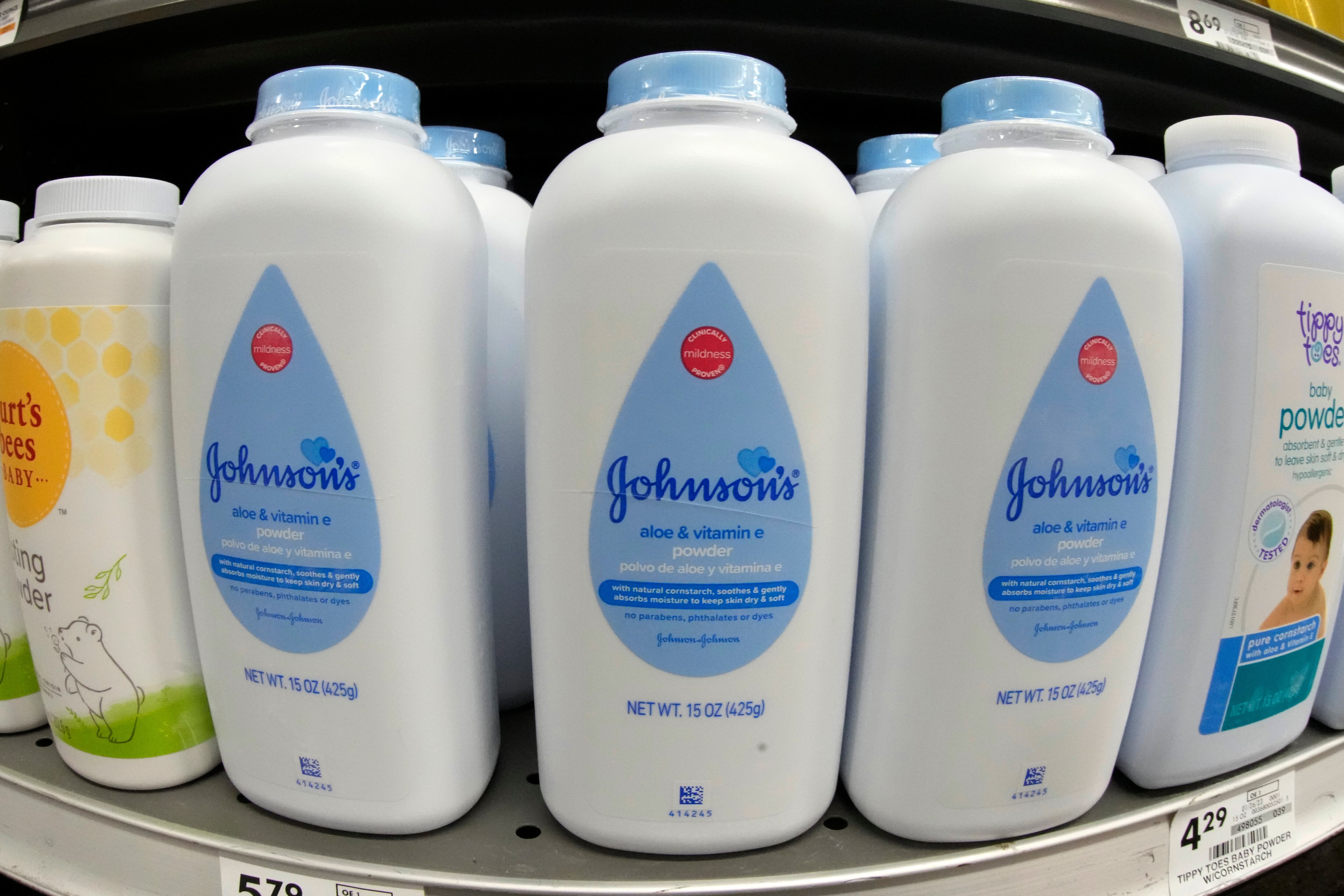
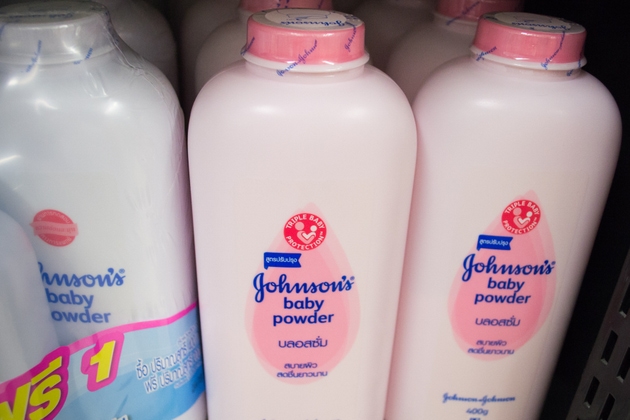




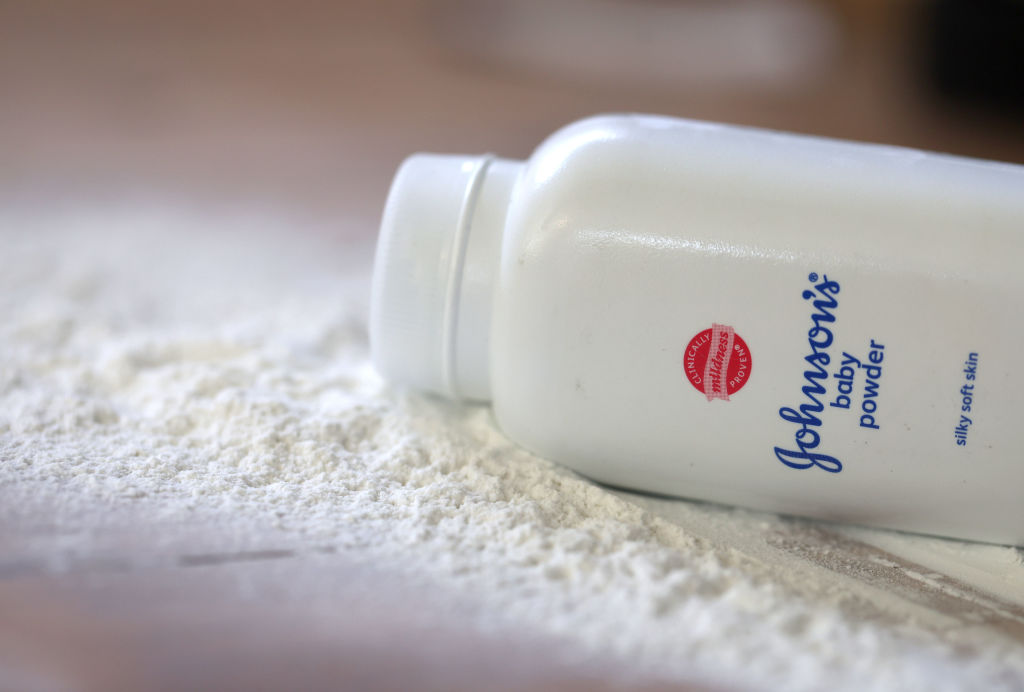
)


Overview
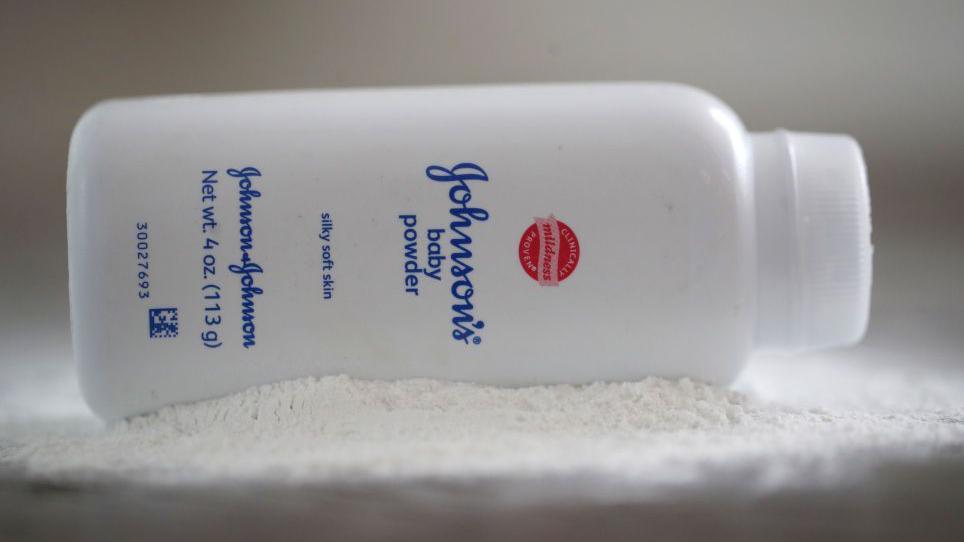
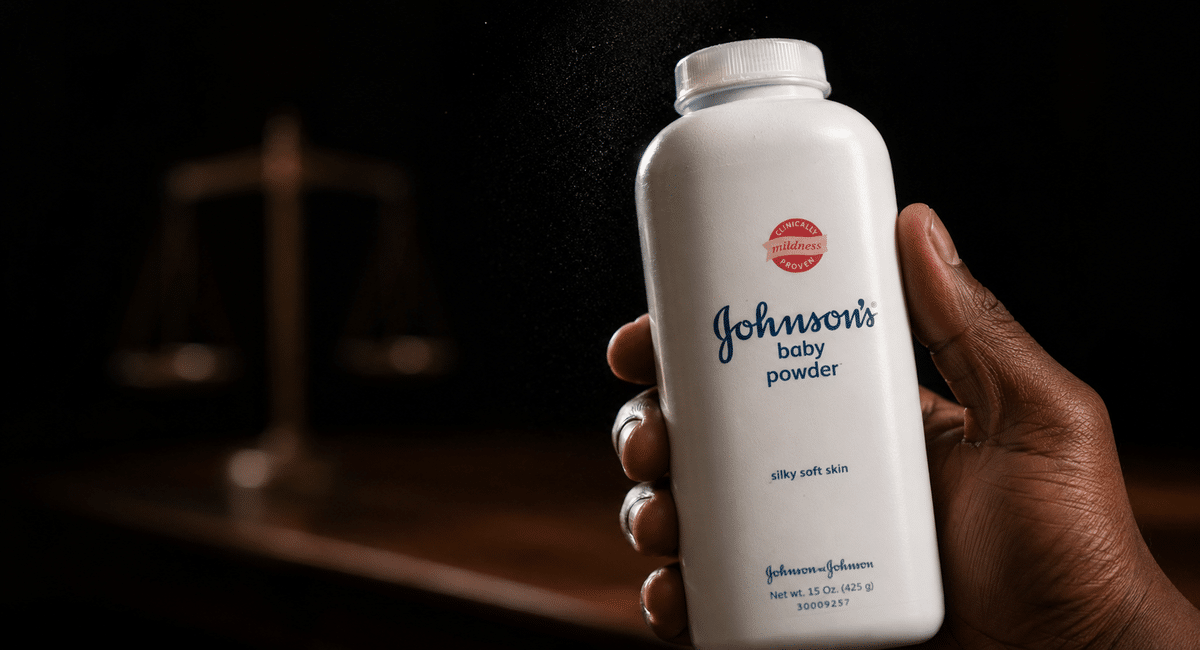
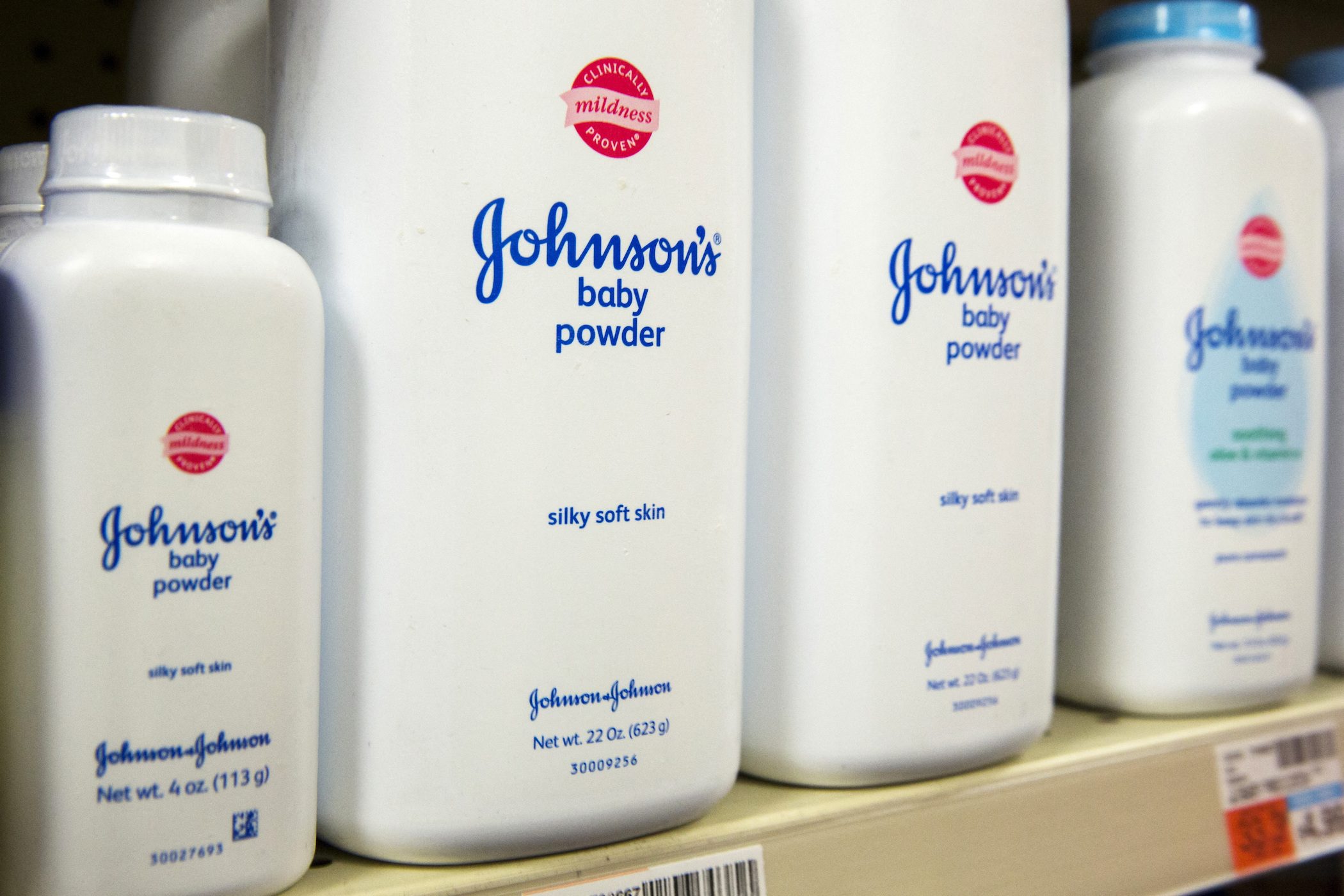
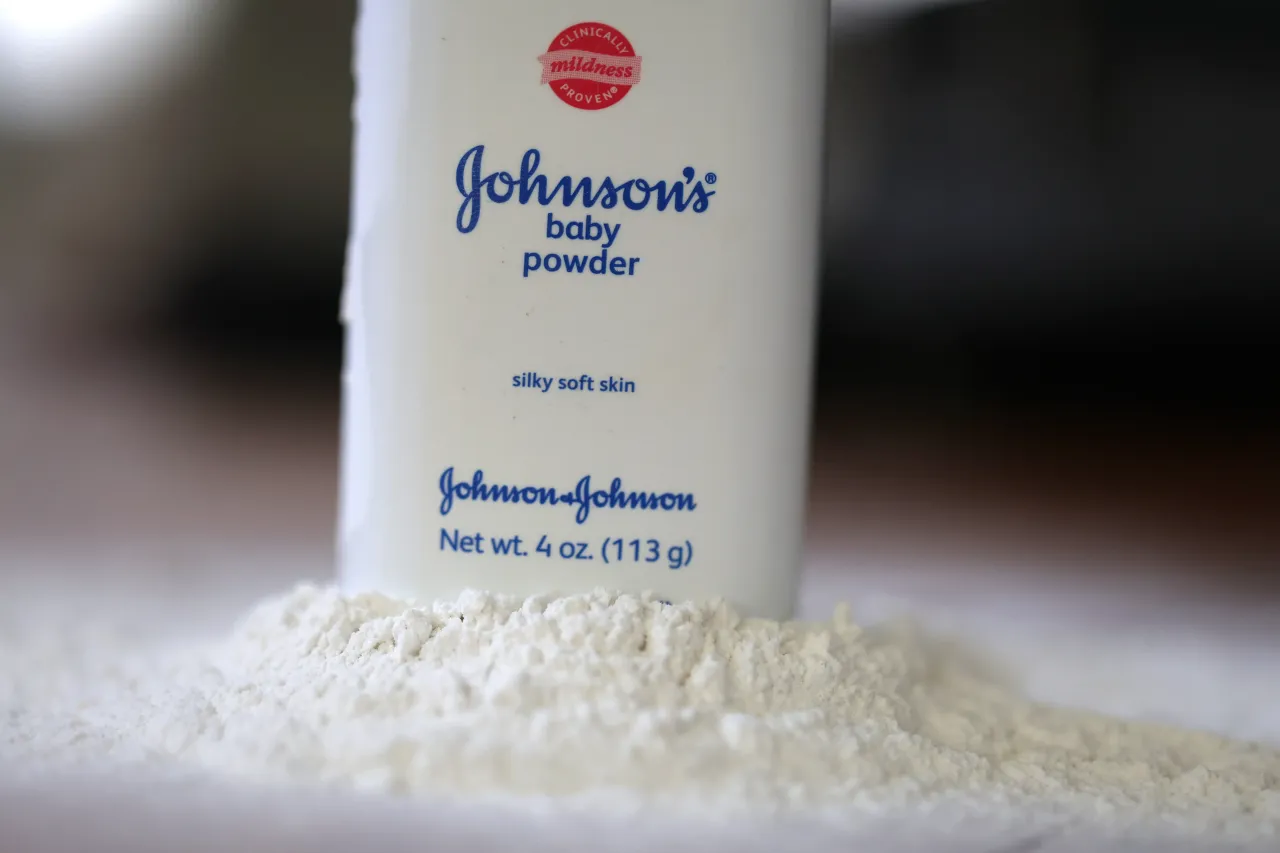
Johnson & Johnson's landmark $5.5 billion settlement (July 2025) resolving 69,000 talc-related lawsuits represents a watershed moment for product liability compliance in consumer goods. The settlement, covering 99.75% of outstanding US talc cases, follows the WHO's 2024 classification of talc as "probably carcinogenic to humans"—a regulatory inflection point that fundamentally reshapes the baby care and personal hygiene categories on Amazon, Walmart, and Shopify.
The compliance barrier is now structural. J&J discontinued talc-based baby powder in the US (2020) and globally (2023), transitioning to cornstarch formulations. This forced reformulation signals that talc-based products face accelerating regulatory headwinds across major markets. For third-party sellers on Amazon and Walmart, this creates a critical compliance window: any talc-containing baby powder, body powder, or cosmetic product now carries elevated litigation risk and potential delisting exposure. The settlement's $5.5B price tag—potentially reaching $7B—demonstrates that product liability costs can dwarf manufacturing expenses, creating a powerful moat for sellers who proactively reformulate.
Market elimination is already underway. The UK case (filed October 2025, 7,000+ claimants) signals that non-US markets will follow similar litigation patterns. Sellers holding talc inventory face a 12-18 month window before secondary litigation waves hit EU and Asia-Pacific markets. Kenvue (J&J's spun-off consumer health division) retains liability for talc claims outside North America—a cautionary tale for sellers who assume geographic liability isolation. The fastest compliance path: reformulate to cornstarch or mineral-based alternatives (8-12 weeks), obtain third-party safety certifications (ISO 16212, dermatological testing), and update product listings with "talc-free" positioning by Q1 2026. Sellers who delay face inventory write-offs, platform delisting, and potential class-action exposure if their products cause harm.
Alternative categories unlock margin expansion. Cornstarch-based baby powders command 15-25% price premiums over talc formulations due to perceived safety. Mineral-based alternatives (mica, kaolin clay) enable differentiation in the $2.1B global baby powder market. Sellers can capture share from J&J's market exit by launching certified "talc-free" variants with clinical safety data—a 6-month product development cycle that costs $40-80K but yields 35-50% higher margins than commodity talc products. The compliance cost becomes a competitive advantage: sellers with third-party certifications (dermatologist-tested, hypoallergenic) can command 20-30% price premiums and achieve higher conversion rates on Amazon (typical 8-12% vs. 5-7% for unverified products).
Questions 8
What is the fastest way to source talc-free formulations for existing product lines?
The fastest path is partnering with contract manufacturers already producing cornstarch or mineral-based alternatives. Key suppliers: Sensient Technologies, Kobo Products, and Nouryon offer pre-formulated talc-free bases that reduce development time to 4-6 weeks. Cost: $2-4 per unit for bulk orders (10,000+ units), vs. $0.80-1.20 for talc formulations—a 150-250% cost increase that can be offset by 15-25% price premiums. Alternatively, sellers can white-label existing talc-free products from established brands (Burt's Bees, Aveeno) and rebrand for 6-8 weeks, capturing market share while developing proprietary formulations. Timeline: 4-12 weeks to first sale, depending on sourcing strategy.
How does the UK litigation (7,000+ claimants) affect sellers in EU and Asia-Pacific markets?
The UK case (filed October 2025) signals that talc litigation will spread globally, following the US settlement pattern. EU sellers should expect similar class-action suits within 12-24 months, particularly in Germany, France, and the UK. Kenvue (J&J's consumer health division) retains liability for talc claims outside North America, but third-party sellers cannot rely on this precedent—they face direct liability exposure. Sellers with talc inventory in EU warehouses should begin reformulation immediately. The compliance timeline for EU markets is 18-24 months before regulatory enforcement intensifies. Asia-Pacific markets (Australia, Singapore, Japan) will likely follow 12-18 months after EU enforcement, creating a staggered but inevitable global compliance wave.