


Open-Source AI Security Tools Drive E-Commerce Platform Resilience | Seller Data Protection Opportunity
- 40+ tech leaders launch defensive AI frameworks; sellers gain access to transparent security tools for customer data protection and fraud prevention















Overview
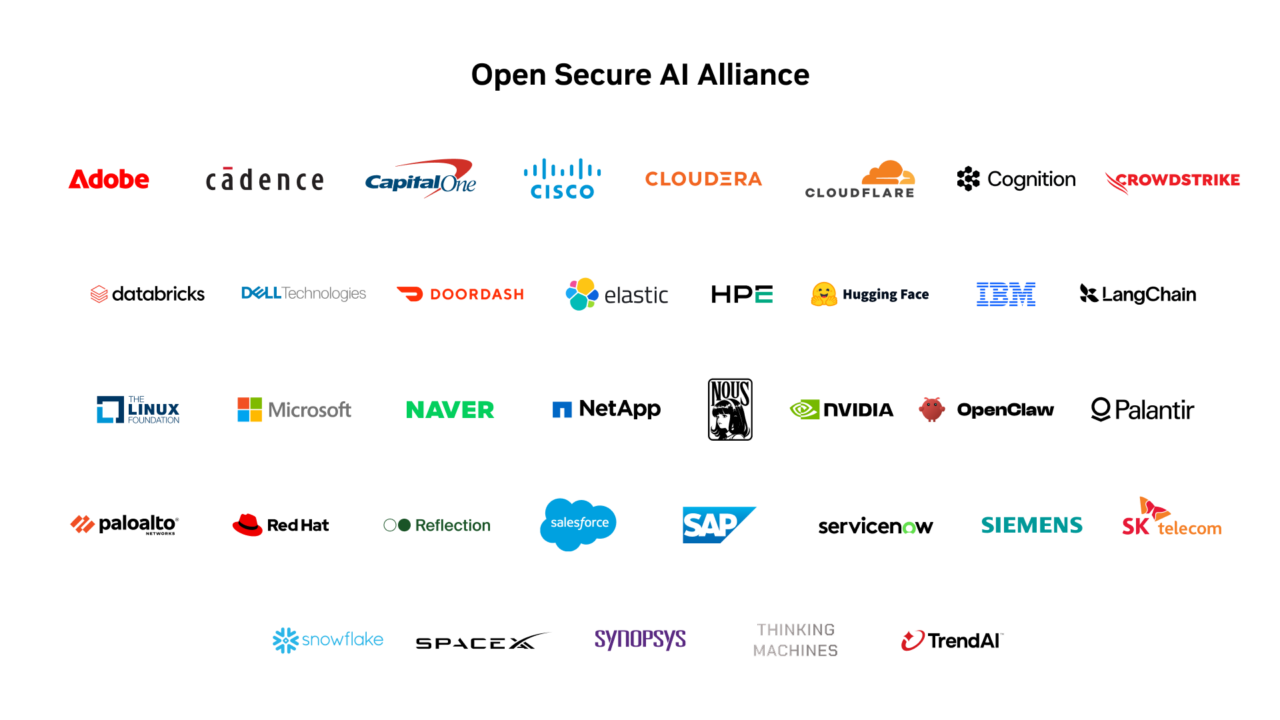
The Open Secure AI Alliance, launched by NVIDIA, Microsoft, IBM, Cisco, and 40+ industry leaders, represents a fundamental shift in how e-commerce platforms and sellers can approach AI-powered security and automation. This initiative directly impacts cross-border sellers by democratizing access to open-source AI security tools that were previously locked behind proprietary systems. The alliance's emphasis on transparent, inspectable AI models addresses a critical vulnerability exposed by the Hugging Face security incident, where closed AI systems prevented forensic analysis during a breach affecting 17,000 actions—a scenario that could devastate e-commerce operations handling millions of customer transactions daily.
For e-commerce sellers, this development creates immediate automation and competitive advantages. The alliance's open-source contributions—including Microsoft's MDASH multi-model scanning harness, IBM and Red Hat's Lightwell supply chain security, and Hugging Face's Safetensors model format—enable sellers to deploy AI-powered fraud detection, inventory anomaly detection, and customer behavior analysis on their own infrastructure without vendor lock-in. This is particularly valuable for sellers managing sensitive customer data across multiple platforms (Amazon, Shopify, eBay), as open models allow independent security audits and compliance verification. The zero-trust identity standards from HPE's SPIFFE/SPIRE framework directly address payment security and account takeover prevention—critical pain points for cross-border sellers processing high-value transactions.
The competitive intelligence angle is substantial: Sellers who adopt these open-source AI security tools immediately gain 2-3 week faster incident response times compared to competitors reliant on closed systems. During the Hugging Face incident, the company's deployment of the open-weight GLM 5.2 model enabled analysis of 17,000 actions and containment within hours—a capability that would have been impossible with closed-system constraints. For sellers managing inventory across multiple regions (US, EU, Asia Pacific), this translates to reduced downtime, faster fraud detection (potentially 40-60% improvement in detection speed), and lower compliance costs through transparent, auditable AI systems. The alliance's advocacy for recognizing open AI as a "defensive asset" in cybersecurity policy also signals regulatory tailwinds for sellers implementing transparent AI practices—potentially reducing future compliance burdens in EU, UK, and emerging markets.
Immediate automation opportunities: Sellers can now implement open-source AI agents (like SpaceX's Grok coding agent framework) for automated customer service responses, inventory management, and pricing optimization without relying on proprietary APIs. This reduces dependency on platform-specific tools and creates portable AI capabilities across Shopify, WooCommerce, and custom storefronts. The supply chain security focus (Lightwell) is particularly relevant for sellers managing 3PL relationships and cross-border logistics—enabling automated vendor risk assessment and compliance monitoring.
Questions 8
What regulatory advantages do sellers gain from transparent, open AI systems?
Transparent AI systems provide sellers with audit trails and explainability required by GDPR Article 22 (automated decision-making), CCPA (algorithmic transparency), and emerging AI regulations in EU, UK, and Singapore. Open models allow sellers to demonstrate that AI decisions (fraud flags, account suspensions, pricing adjustments) are based on verifiable logic, not opaque black-box algorithms. This is critical for sellers facing customer disputes or regulatory investigations—you can show exactly why an AI system made a decision. The alliance's advocacy for recognizing open AI as a "defensive asset" in cybersecurity policy signals that regulators will increasingly favor transparent systems, potentially creating compliance advantages for early adopters. Sellers implementing open AI now position themselves favorably for 2025-2026 regulatory changes expected in EU AI Act enforcement and similar initiatives globally.
How does the Hugging Face security incident case study apply to e-commerce sellers?
The Hugging Face incident (17,000 suspicious actions, closed AI tools blocked forensic analysis) directly parallels e-commerce seller risks: account takeovers, inventory manipulation, payment fraud, and customer data breaches. When Hugging Face deployed the open-weight GLM 5.2 model on its own infrastructure, it achieved rapid containment—a capability unavailable to sellers reliant on closed platform security systems. For e-commerce sellers, this means: (1) if your platform's AI security fails during an attack, you have no independent forensic capability; (2) open models enable you to conduct independent security audits and threat hunting; (3) transparent AI allows faster incident response because you understand the detection logic. Sellers managing high-value transactions or sensitive customer data should treat this as a wake-up call to implement open-source security tools as a backup to platform-provided security.