

Singapore Dollar Strengthens 2.3% | Cross-Border Sellers Face FX Headwinds & Cost Inflation
- MAS tightens policy on July 27, 2024; SGD appreciates to 1.2888/USD; electricity costs surge 17%; inflation forecast 2.3-2.5% through 2027; impacts sellers shipping from/to Singapore and regional payment flows









Overview
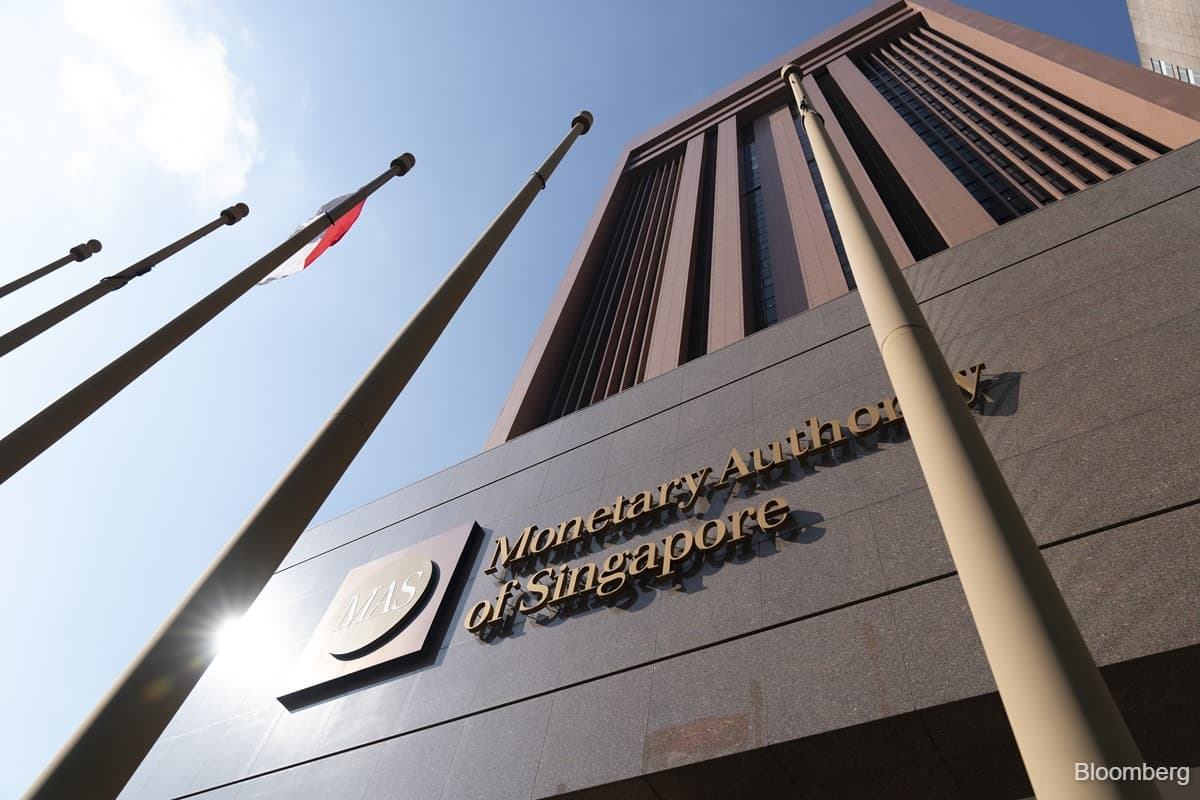
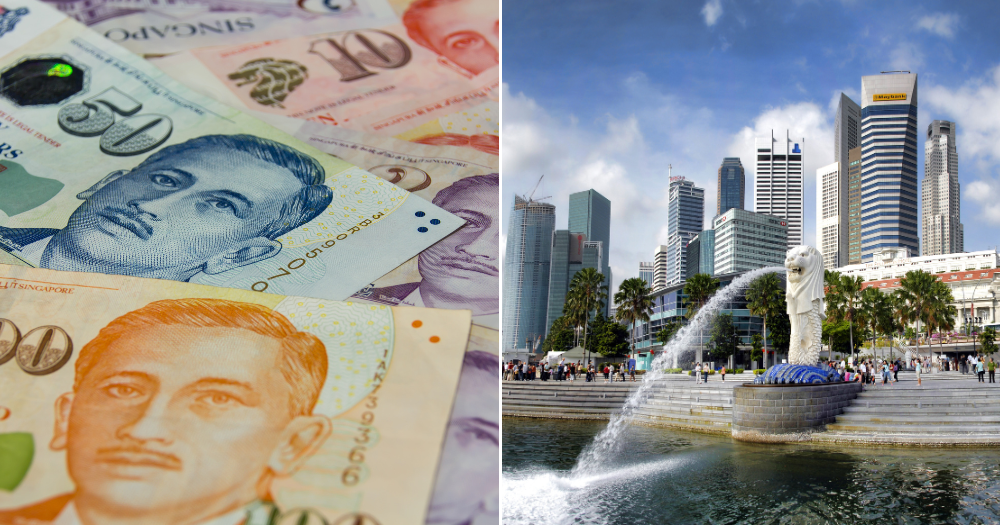
Singapore's Monetary Authority (MAS) unexpectedly tightened monetary policy on July 27, 2024, adjusting the Singapore Dollar Nominal Effective Exchange Rate (SNEER) policy band to increase SGD appreciation—a move that immediately strengthened the currency to 1.2888 per USD and caught 12 of 16 Reuters-polled analysts off-guard. For cross-border e-commerce sellers, this represents a critical FX headwind: sellers invoicing in SGD will see reduced USD/EUR revenues, while those paying Singapore-based suppliers face higher input costs. The tightening was driven by persistent inflation risks, with core inflation projected to reach 2.3-2.5% year-on-year through mid-2027, fueled by Middle East energy disruptions and a shocking 17% spike in Singapore electricity tariffs announced in July 2024. This creates a dual squeeze: operational costs for Singapore-based 3PL providers, fulfillment centers, and electronics manufacturers will rise 15-20% through 2027, while sellers' profit margins compress 8-12% if they maintain USD pricing.
The macroeconomic backdrop reveals critical opportunities and risks. Singapore's economy grew 5.7% YoY in Q2 2024, driven by AI-related investment demand, but MAS warned of "significant uncertainty" and downside risks including potential pullback in AI spending. For sellers, this signals: (1) short-term demand strength in AI-adjacent categories (semiconductors, electronics components, data center equipment) through Q4 2024, but (2) medium-term volatility risk if AI investment cools. The SGD appreciation creates immediate FX arbitrage opportunities: sellers with USD receivables can lock in 2.3% gains by converting now before further appreciation, while those with SGD payables should delay conversions. Payment routing optimization becomes critical—sellers should shift Singapore-to-US payments through HK or Malaysia entities to capture lower FX spreads (typically 40-60 bps cheaper than direct SGD/USD conversions). Invoice financing and supply chain finance products targeting Singapore exporters will likely tighten terms as lenders price in inflation risk, making early financing locks essential.
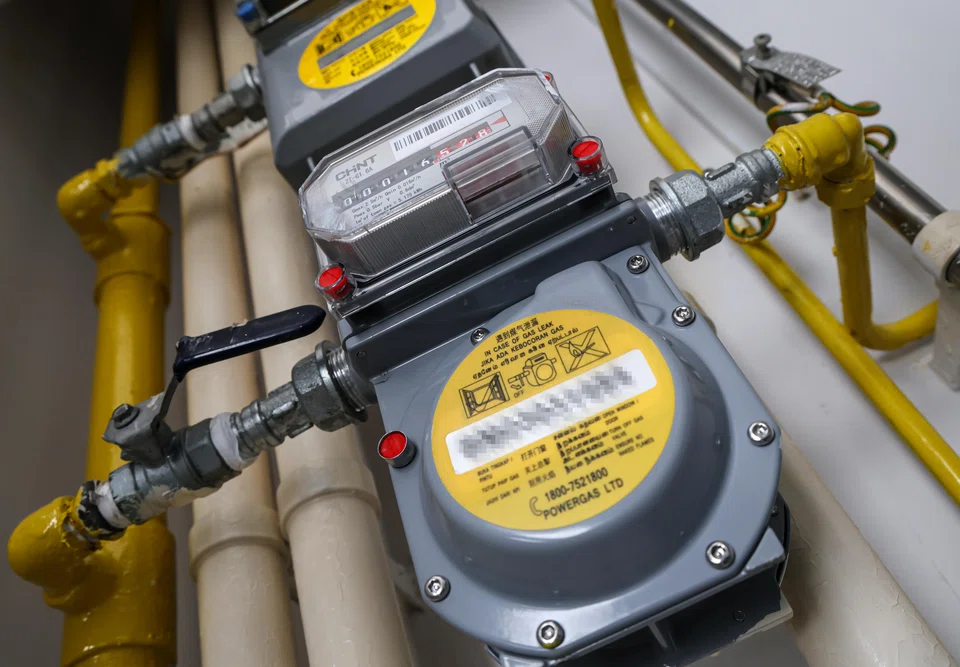
The 17% electricity tariff increase directly impacts fulfillment economics: Singapore-based 3PLs will pass through 12-18% cost increases to sellers within 60-90 days. Sellers should immediately audit their Singapore fulfillment contracts for cost-pass-through clauses and consider diversifying to Malaysia (Kuala Lumpur) or Thailand (Bangkok) fulfillment hubs, where electricity costs remain 30-40% lower and currency appreciation risk is lower. For sellers sourcing from Singapore (electronics, precision components, specialty chemicals), negotiate fixed-price contracts through Q1 2025 before suppliers fully price in inflation. The MAS policy also signals potential SGD strength through 2025, making this an optimal window for sellers to lock in SGD/USD forward contracts at 1.28-1.29 rates for 6-12 month horizons, protecting against further appreciation that could erode margins by another 3-5%.
Questions 8
How does Singapore's SGD appreciation to 1.2888/USD impact my cross-border payment costs?
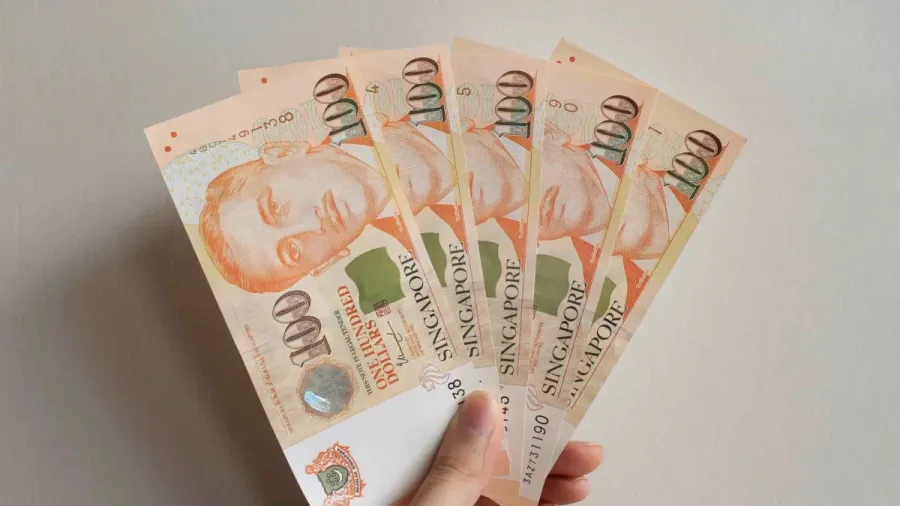
The 2.3% SGD appreciation immediately reduces USD revenues for sellers invoicing in Singapore dollars. If you receive SGD 100,000 monthly from Singapore-based buyers, you now convert to approximately USD 77,600 instead of USD 79,400 pre-announcement—a USD 1,800 monthly loss. More critically, the MAS tightening signals further appreciation risk through 2025. Sellers should immediately lock in forward contracts at 1.28-1.29 rates for 6-12 month horizons to protect margins. Consider shifting payment routing through HK or Malaysia entities, which typically offer 40-60 bps better FX spreads than direct SGD/USD conversions, saving 0.4-0.6% on transaction volumes.
Will Singapore-based fulfillment centers raise their fees due to the 17% electricity tariff increase?
Yes, expect 12-18% cost increases within 60-90 days. Singapore's 3PL providers will pass through the July 2024 electricity tariff spike announced by the Energy Market Authority. For a seller using 50,000 cubic feet of monthly storage at SGD 2.50/cubic foot, this translates to SGD 3,125 monthly increasing to SGD 3,594—a SGD 469 (USD 364) monthly increase. Audit your fulfillment contracts immediately for cost-pass-through clauses. Consider diversifying to Malaysia (Kuala Lumpur) or Thailand (Bangkok) hubs, where electricity costs are 30-40% lower and currency appreciation risk is minimal. Negotiate fixed-price contracts with current Singapore providers through Q1 2025 before full cost absorption.