





Federal Preemption Victory Unblocks Prediction Market Growth | Seller Opportunity in Event Merchandise & Betting Accessories
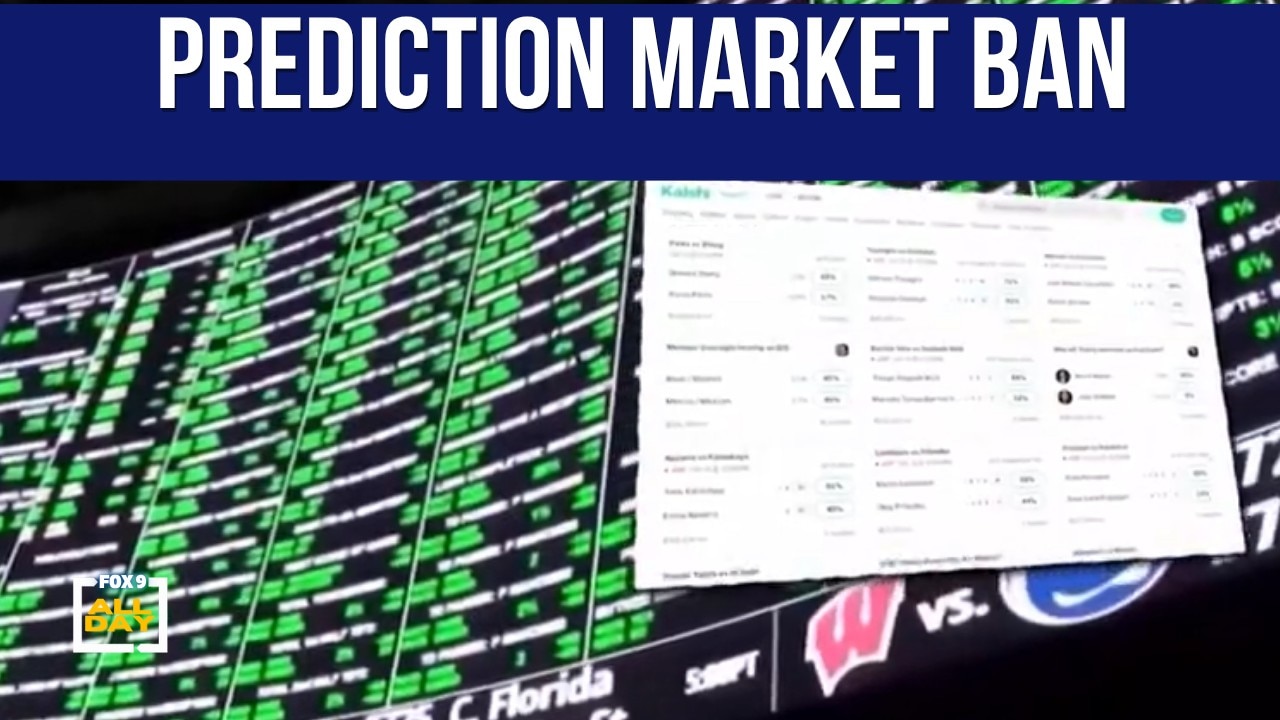
- Minnesota prediction market ban blocked by federal judge; establishes precedent protecting CFTC jurisdiction over state-level gambling restrictions, opening $2B+ merchandise opportunity for sports/event collectibles sellers



























Overview
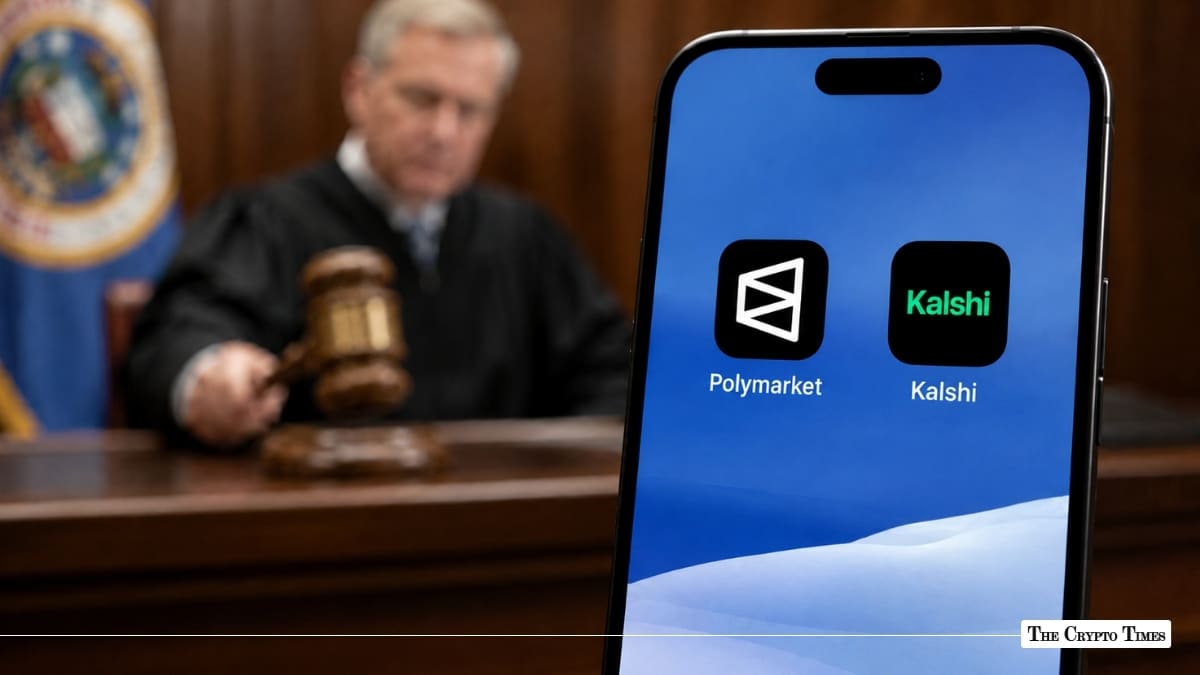
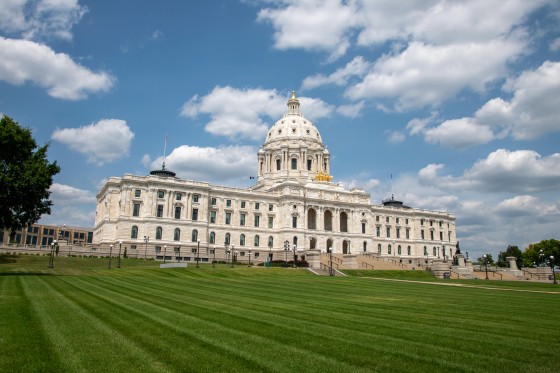
The Minnesota federal court's preliminary injunction blocking the state's prediction market ban represents a critical regulatory victory that reshapes the compliance landscape for prediction market platforms and creates significant downstream opportunities for cross-border e-commerce sellers. Judge Kate M. Menendez ruled on federal preemption grounds, siding with the CFTC and platforms Kalshi and Polymarket against Minnesota's May 2024 legislation that would have made prediction market operation a felony. This decision establishes binding precedent that federal commodity regulations supersede state-level anti-gambling statutes, effectively insulating prediction markets from the dozen-plus states attempting enforcement actions.
Compliance Barrier Creation & Market Consolidation: The ruling creates a high-entry compliance moat favoring platforms with federal CFTC alignment (Kalshi, Polymarket) over state-restricted competitors. Non-compliant platforms face elimination in states with active enforcement, reducing market fragmentation. Sellers of prediction market-adjacent merchandise—sports betting accessories, event collectibles, reality TV merchandise—now operate in a clarified regulatory environment with reduced state-level compliance uncertainty. The CFTC's demonstrated willingness to litigate state bans signals federal protection for the prediction market ecosystem, reducing risk for sellers marketing event-prediction-related products across state lines.
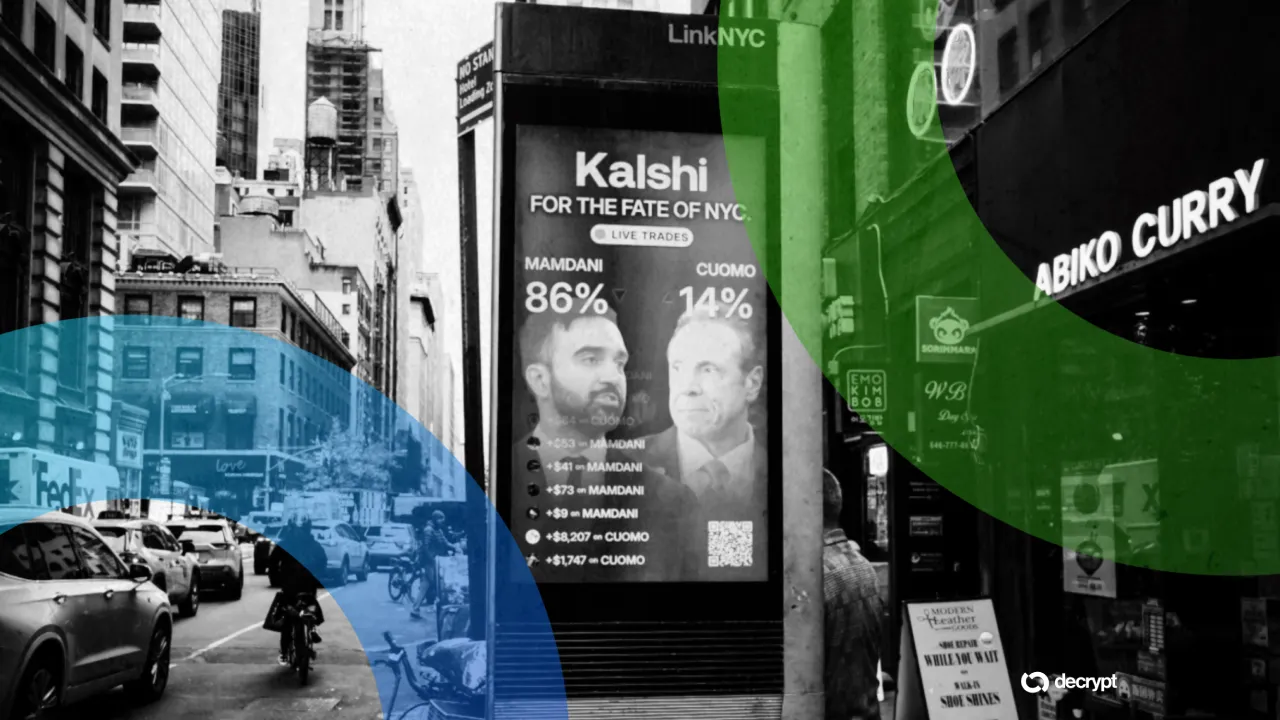
Market Expansion & Consumer Behavior Shift: Prediction markets have attracted "billions of dollars in trading volume" with users wagering on sporting events and reality television outcomes. This explosive growth indicates a consumer demographic shift toward event-based speculation products. Sellers can capitalize on this trend through: (1) sports merchandise tied to prediction market events (team collectibles, player memorabilia), (2) reality TV merchandise (Survivor, Bachelor, Love Island collectibles), (3) event-prediction accessories (betting guides, analysis tools, prediction tracking merchandise). The cultural phenomenon status of platforms like Polymarket signals mainstream adoption, expanding the addressable market beyond traditional gambling demographics.
Regulatory Arbitrage & Compliance Service Gaps: The decision creates regulatory arbitrage opportunities. Sellers in states with active prediction market enforcement (Minnesota, others) can now legally operate without state-level felony exposure. However, the "apparent favorable treatment toward prediction markets with Trump family connections" (Donald Trump Jr. advises both platforms) suggests regulatory capture risk—future administrations may reverse CFTC favoritism. Sellers should monitor: (1) CFTC enforcement intensity changes, (2) state-level legislative responses to the Minnesota ruling, (3) compliance service demand for prediction market merchandise categorization. The ruling eliminates immediate compliance costs for Minnesota-based sellers but creates long-term regulatory uncertainty requiring ongoing monitoring.
Questions 7
How does the Minnesota court ruling affect sellers of sports betting and prediction market merchandise?
The federal judge's preliminary injunction blocking Minnesota's prediction market ban establishes that CFTC federal jurisdiction supersedes state-level gambling restrictions. This means sellers of sports betting accessories, event collectibles, and prediction market-related merchandise can now legally operate across state lines without fear of state-level felony charges. However, sellers should monitor the dozen-plus other states still attempting enforcement actions, as the ruling creates precedent but doesn't eliminate all state-level compliance risks. The decision protects platforms like Kalshi and Polymarket, which have attracted billions in trading volume, signaling sustained consumer demand for prediction market merchandise.
How should sellers adjust inventory strategy based on prediction market growth?
The news reports prediction markets have experienced 'explosive growth, attracting billions of dollars in trading volume' and become 'cultural phenomena.' This indicates sustained consumer demand for prediction market-related products. Sellers should: (1) increase inventory in sports collectibles and reality TV merchandise categories (core prediction market wagering categories), (2) develop event-specific merchandise tied to major sporting events and reality TV seasons, (3) create prediction market analysis tools and guides as digital products, (4) monitor Kalshi and Polymarket user growth metrics to forecast merchandise demand. The regulatory clarity from the Minnesota ruling reduces compliance uncertainty, making this an optimal time to expand inventory in these categories. However, maintain geographic flexibility—if additional states pass prediction market bans, sellers may need to restrict sales in those jurisdictions.